

We may earn a commission when you buy through links on this page, at no extra cost to you. Learn more.
White wine aging potential typically spans 1 to 3 years for everyday, crisp bottles, while structured, high-acid, or sweet varieties can mature gracefully for 10 to 25 years or longer. Unlike red wines that rely heavily on grape skin tannins to preserve freshness, white wines depend on vibrant acidity, residual sugar, phenolic extract, and winemaking techniques like oak or lees aging to evolve in the bottle. When cellared properly, age-worthy whites shed their bright primary citrus and orchard fruit flavors in favor of complex notes of honey, toasted nuts, beeswax, and dried apricot.
Many wine drinkers assume white wine belongs exclusively in the refrigerator for immediate consumption, leaving long-term cellaring to bold reds. While most bottles sold in grocery stores are indeed crafted for immediate enjoyment, the world’s finest white wines possess remarkable longevity that often rivals or surpasses cellar-worthy red varieties.
What Determines White Wine Aging Potential
A white wine’s ability to improve over time comes down to its underlying chemical structure rather than its color. Four primary components act as natural preservatives that slow down oxidation and allow subtle tertiary aromas to develop.
Acidity is the single most critical factor for longevity in dry white wines. According to wine educators at Wine Folly, high acidity slows down many of the chemical reactions responsible for a wine’s deterioration, keeping the palate feeling vibrant even as primary fruit flavors fade. Grapes grown in cool climates naturally retain higher levels of tartaric and malic acid, which explains why cool-climate regions produce some of the longest-lived white bottles.
Residual sugar and phenolic compounds also play major roles in extending a bottle’s lifespan. Sugar acts as a natural preservative, allowing sweet dessert wines and late-harvest styles to remain lively for decades. Meanwhile, phenolic extract—derived from grape skins, seeds, or oak barrels—adds subtle texture and slight bitterness that stabilizes color and flavor, functioning much like the tannins you would find when evaluating malbec aging potential or other structured reds.
Balanced alcohol levels complete the structural picture. Alcohol can accelerate breakdown if it is overly high in an unbalanced dry wine, yet moderate levels around 12 percent to 13.5 percent ABV provide stability without overwhelming the delicate aromatics of an evolving white wine.
How White Wine Changes as It Matures
As a white wine rests in a dark, temperature-controlled cellar, slow micro-oxygenation transforms its appearance, aroma, and mouthfeel. Over several years, a youthful wine shifts from bright, fruit-driven refreshment into a layered, savory beverage.
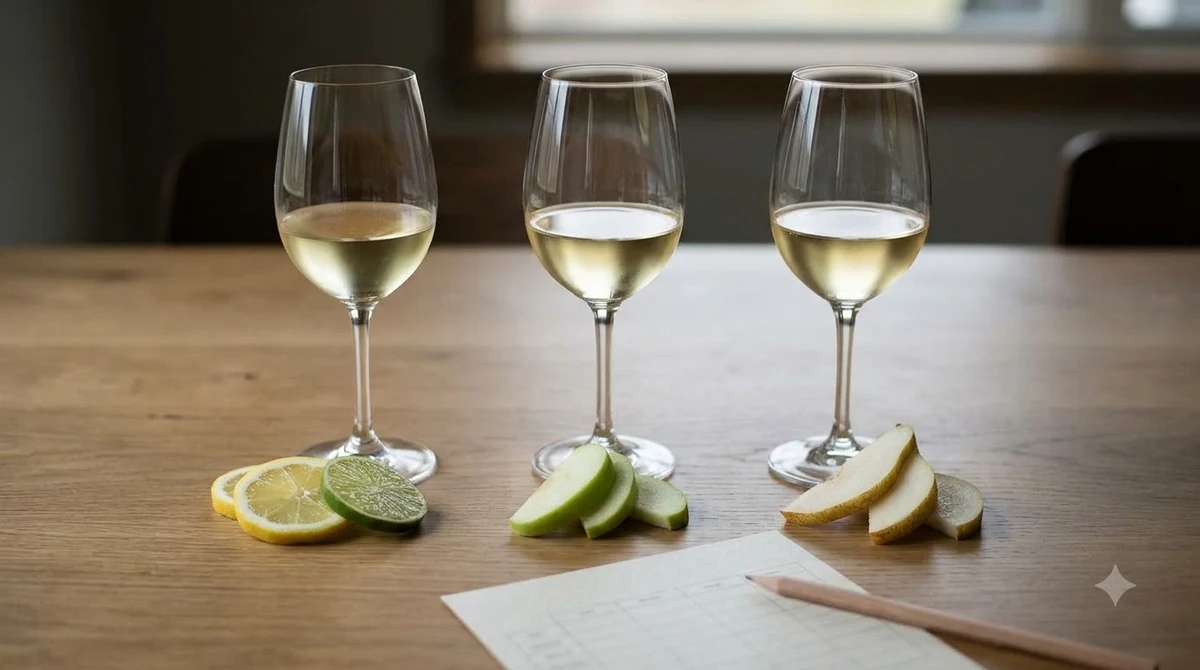
The most obvious transformation happens in the glass visually. Young white wines typically display pale straw, greenish-yellow, or light lemon hues, whereas mature bottles deepen into rich gold, burnished amber, or even topaz. This color shift mirrors the gradual oxidation occurring inside the bottle, similar to how a sliced apple browns when exposed to air, though at a vastly slower, controlled pace.
Aromatically, primary fruit notes give way to secondary and tertiary bouquets. Fresh green apple, lime zest, and white flowers soften and integrate into scents of honeycomb, roasted hazelnuts, dried apricot, bruised apple, and beeswax. Certain varieties, such as aged Riesling, famously develop a distinct petrol or kerosene aroma alongside notes of candied ginger and wet slate.
On the palate, the sharp edge of youthful acidity mellows and feels broader and creamier. Even in off-dry wines, the perception of sweetness diminishes over time as savory, nutty flavors take center stage, creating a drier, more harmonious finish.
White Wine Aging Timeline by Variety and Style
Different grape varieties and winemaking styles mature on dramatically different schedules depending on their natural acidity, sugar content, and barrel treatment. Reviewing general drinking windows helps prevent opening a structured wine too early or letting a delicate bottle fade past its prime.
| Wine Style or Grape | Typical Drinking Window | Key Aging Drivers | Mature Flavor Profile |
|---|---|---|---|
| Pinot Grigio / Muscadet / Albariño | 1 to 3 years | High acidity, crisp primary fruit | Fresh citrus, green apple, saline minerality |
| Sauvignon Blanc / Viognier | 2 to 4 years | Aromatic intensity, moderate acidity | Softened stone fruit, herbs, light honey |
| Oaked Chardonnay / White Burgundy | 5 to 10+ years | High acidity, oak tannins, lees contact | Toasted hazelnut, brioche, baked apple, cream |
| Dry German or Alsatian Riesling | 10 to 20 years | Piercing acidity, phenolic structure | Beeswax, petrol, dried apricot, slate |
| Loire Valley Chenin Blanc / White Rioja | 10 to 20+ years | High acid, oxidative oak aging (Rioja) | Quince, lanolin, toasted almond, chamomile |
| Sauternes / Tokaji Aszú / Sweet Riesling | 15 to 30+ years | High residual sugar, botrytis, high acid | Marmalade, caramel, saffron, roasted nuts |
While these timelines offer a reliable baseline, vintage conditions and producer philosophy always influence individual bottles. A cool growing season yields grapes with higher natural acidity that last longer than wines from an unusually hot year, and top estates routinely craft bottles built for the upper end of these ranges across various Wine by Type categories.
Winemaking Practices That Build Longevity
Decisions made inside the winery determine whether a high-acid grape becomes an easy-drinking summer pour or a complex cellar candidate. Two traditional cellar techniques in particular give white wines extra protection and structural depth.
Extended lees aging—allowing the wine to rest on dead yeast cells after fermentation—is one of the most effective ways to boost durability. Reviewers at Wine Enthusiast note that fermenting and aging on the lees protects white wine from premature oxidation while imparting creamy texture and savory complexity. Winemakers often stir the lees periodically, a practice known as batonnage, to enrich the wine’s mid-palate weight.
Oak barrel fermentation and maturation also contribute significantly to long-term stability. French or American oak barrels introduce trace amounts of wood tannins and allow microscopic oxygen transfer through the wood grain, pre-conditioning the wine for slow bottle development. Classic White Rioja takes this even further by aging in oak barrels for years before release, creating wines that can easily evolve for 15 to 20 years.
Closure choice plays a practical supporting role as well. Natural cork permits tiny, consistent oxygen ingress that encourages traditional tertiary development, whereas high-quality screw caps preserve youthful fruit and freshness for much longer by limiting oxygen exposure.
How to Store White Wine for Long-Term Aging
Even the most structured white wine will spoil quickly if stored in a warm kitchen pantry or beside a sunny window. Replicating cool, stable cellar conditions ensures the chemical reactions inside the bottle proceed slowly and evenly.
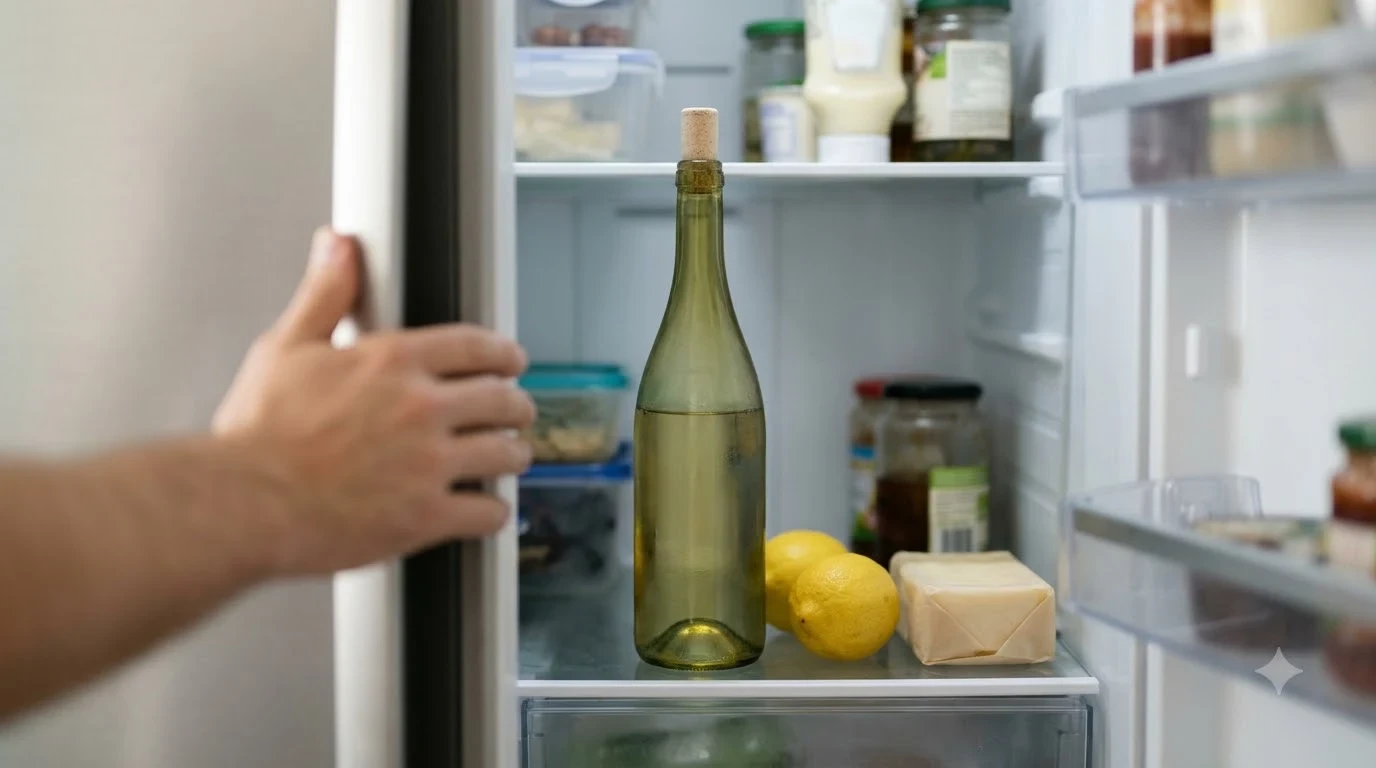
Temperature control is the top priority when cellaring white bottles. Keep wines at a steady 50 to 55 degrees Fahrenheit, avoiding sudden fluctuations that cause the liquid to expand and contract, which can push air past the cork. Standard household refrigerators run closer to 38 to 40 degrees Fahrenheit, making them great for chilling a bottle before dinner but too cold and dry for multi-year storage.
Humidity, darkness, and bottle orientation also protect your investment over time. Maintain relative humidity around 60 to 70 percent so natural corks stay supple and form an airtight seal, and store cork-finished bottles horizontally to keep the cork moist. Keep all bottles away from direct sunlight or fluorescent bulbs, as ultraviolet rays can trigger lightstrike and create unpleasant sulfurous aromas—a precaution equally vital when managing pinot noir aging potential in a shared wine fridge.
Tip: Before serving an aged white wine, avoid chilling it straight down to ice-bucket temperatures; pouring mature whites around 50 to 55 degrees Fahrenheit keeps cold temperatures from muting their delicate honeyed and nutty aromas.
Signs a White Wine Is Built to Age
You do not need an encyclopedic knowledge of every vineyard to spot a cellar-worthy bottle at a wine shop. Checking a few specific details on the label and understanding regional traditions will quickly point you toward bottles with staying power.
Start by looking for cool-climate appellations and established age-worthy grapes rather than entry-level regional blends. Classic examples include Premier Cru or Grand Cru Chablis and White Burgundy, dry Rieslings from Germany’s Mosel or Rheingau regions, Vouvray from the Loire Valley, and aged White Rioja from Spain. By contrast, neutral high-yield varieties such as the airen grape are harvested for crisp, early-drinking styles and lack the structural concentration required for extended cellaring.
Vintage reputation and producer track record provide valuable clues as well. Bottles labeled with extended aging designations—such as Rioja Reserva or Gran Reserva, or German Spätlese and Auslese—signal that the winemaker intentionally selected concentrated fruit built for longevity. When in doubt, buying two or three bottles of the same wine lets you open one early to taste its structural acid and concentration, helping you decide how long to hold the remaining bottles.
Frequently Asked Questions
Can you age inexpensive supermarket white wine?
No, most inexpensive white wines sold in grocery stores are crafted for immediate consumption within 6 to 12 months of bottling. They typically rely on fresh, primary fruit aromas and lack the concentrated acidity, oak structure, or phenolic extract needed to improve over time.
How can you tell if an aged white wine has gone bad?
An over-the-hill white wine will often look deep brown rather than golden, smell sharply of vinegar, wet cardboard, or bruised cider, and taste flat, sour, or hollow on the mid-palate. While mature whites naturally develop nutty and honeyed notes, they should still retain refreshing underlying acidity.
Should you decant aged white wine before serving?
Yes, gently decanting an aged, full-bodied white wine—such as mature White Burgundy, White Rioja, or aged Chenin Blanc—for 30 to 60 minutes helps blow off bottle funk and opens up layered aromas. Avoid vigorous splashing with very old, fragile bottles, and serve them slightly warmer than young whites at around 50 to 55 degrees Fahrenheit.
Do white wines with screw caps age well?
Yes, high-quality white wines sealed under screw caps can age remarkably well, especially vibrant varieties like Riesling and Sauvignon Blanc. Because screw caps allow far less oxygen ingress than natural cork, the wine evolves more slowly and retains bright citrus and floral character for years longer.
Exploring mature white wines rewards patience with textures and flavors that young bottles simply cannot replicate. By focusing on high-acid varieties, reputable cool-climate producers, and steady cellar temperatures, you can experience how great white wine transforms from crisp refreshment into golden complexity.
More in Wine Types & Grapes
 Zinfandel Sugar Content: Dry Red vs. White Zinfandel GramsUpdated Nov 21, 2026
 Best Zinfandel Substitute Options for Sipping and CookingUpdated Nov 21, 2026
 Zweigelt Food Pairing: Best Dishes, Cheeses, and Serving TipsUpdated Nov 21, 2026
 Zinfandel Tannins Explained: How Structure Shapes Every BottleUpdated Nov 21, 2026
 Zinfandel Sweetness Level: Dry Red vs. Sweet White Zin ExplainedUpdated Nov 21, 2026
 Xinomavro Food Pairing: Best Dishes, Styles, and Serving TipsUpdated Nov 21, 2026