

We may earn a commission when you buy through links on this page, at no extra cost to you. Learn more.
Sauternes wine is a sweet, golden dessert wine from the Sauternes appellation in Bordeaux, France, made from grapes affected by noble rot. The fungus concentrates sugar and flavor in the berries, which gives the wine its honey, apricot and spice character balanced by fresh acidity. It is best served chilled and paired with rich desserts, foie gras or blue cheese.
This guide explains how Sauternes is made, what it tastes like, how to read the labels, and how to serve and pair it. It also helps you decide when a Sauternes is the right bottle and when a lighter sweet white or a different style makes more sense.
What Sauternes Is and Where It Comes From
Sauternes is a French appellation in the Bordeaux region, and the wine is named after the village that gives the appellation its name. The neighboring Barsac appellation is closely connected, and many producers make wines that fall under either name. The official Sauternes-Barsac site presents the two appellations as the home of these sweet wines, with a long history of wine-making that goes back to the nineteenth century and earlier. Because the wine is made in only a small corner of Bordeaux, Sauternes is always a specialty product rather than a staple. The label on the bottle, which names the appellation, is the clearest guide to where the wine was made.
The wine is a white made mainly from Sémillon grapes, usually blended with Sauvignon Blanc and sometimes a small amount of Muscadelle. Sémillon is the key grape because its thin skin lets noble rot take hold. The result is a wine that is sweet but rarely heavy, with enough acidity to keep the finish clean. Unlike a simple dessert wine made from sugar-rich fruit, Sauternes gets its character from the fungus and the careful harvest.
How Noble Rot Makes Sauternes Sweet
The sweetness in Sauternes comes from a fungus called Botrytis cinerea, known in the trade as noble rot. When conditions are right, the fungus grows on ripe grapes and pierces the skin, letting water evaporate from the berry. The grapes shrivel, and the juice becomes concentrated with sugar, acid and flavor compounds. This process is difficult to control, and a good vintage depends on autumn weather that favors the fungus over harmful rot.
Because noble rot develops unevenly, growers pick the vineyard in several passes, selecting only the berries that have reached the right stage. This makes the harvest slow and labor-intensive, and it explains why Sauternes is expensive to produce compared with a table wine. It also explains why the wine can vary between vintages. In a weak year, a producer may make less wine or skip the top bottling altogether.
What Sauternes Tastes Like
A well-made Sauternes is rich and golden in color, with aromas that often include honey, dried apricot, candied peach, orange peel and a light smoky or spicy note. On the palate it feels silky and full, but the acidity keeps it from tasting syrupy. The finish tends to be long, and many bottles leave a warm, nutty sweetness behind.
The sweetness is the most obvious feature, but it is only part of the picture. Good Sauternes has a balance of sugar and acid that makes each sip feel lively. A sweet wine without that balance can taste flat or sticky, which is one reason people who dislike dessert wines sometimes enjoy a well-made Sauternes. Think of it as a sipping wine with dessert depth rather than a sugary liqueur.
| Feature | What to look for | Why it matters |
|---|---|---|
| Color | Deep gold to amber | Shows the concentration and some age |
| Aroma | Honey, apricot, orange peel, spice | Typical of noble rot and oak influence |
| Balance | Sweet but lively with clean acidity | Keeps the wine from tasting heavy |
| Finish | Long and warm with a nutty note | A sign of quality and aging potential |
Many Sauternes also age well. The high sugar and acid help the wine develop nutty, honeyed complexity over many years, and older bottles can taste even more layered. Young bottles are enjoyable too, especially when they have fresh fruit and crisp acidity.
How to Serve Sauternes
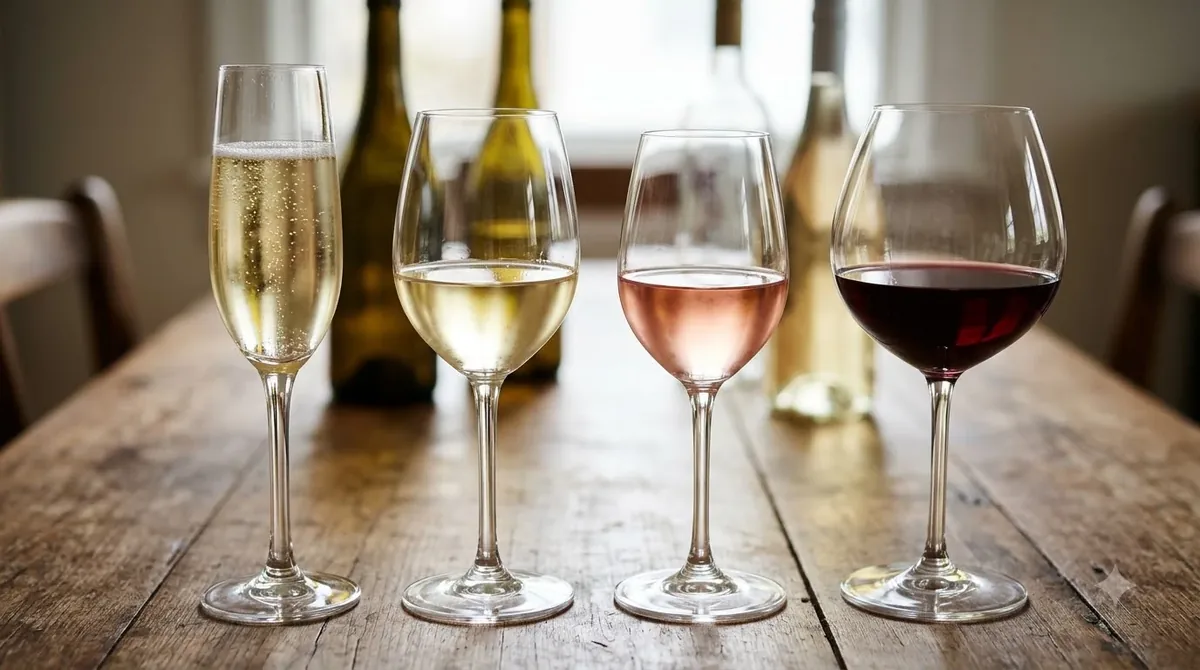
Serve Sauternes well chilled, but not ice cold, so the honey and apricot aromas can open. A small white wine glass works well, and a half glass is often plenty because the wine is rich. Pour it after dinner or alongside dessert, or serve it on its own as an aperitif with a little cheese. Because it is sweet, it can feel heavy if served in large pours.
Sauternes keeps for a few days after opening if you re-cork it and store it in the refrigerator, though the aroma fades over time. For special occasions, a half-bottle is a practical size. It lets guests taste the wine without committing to a full bottle of dessert wine.
Food Pairings for Sauternes
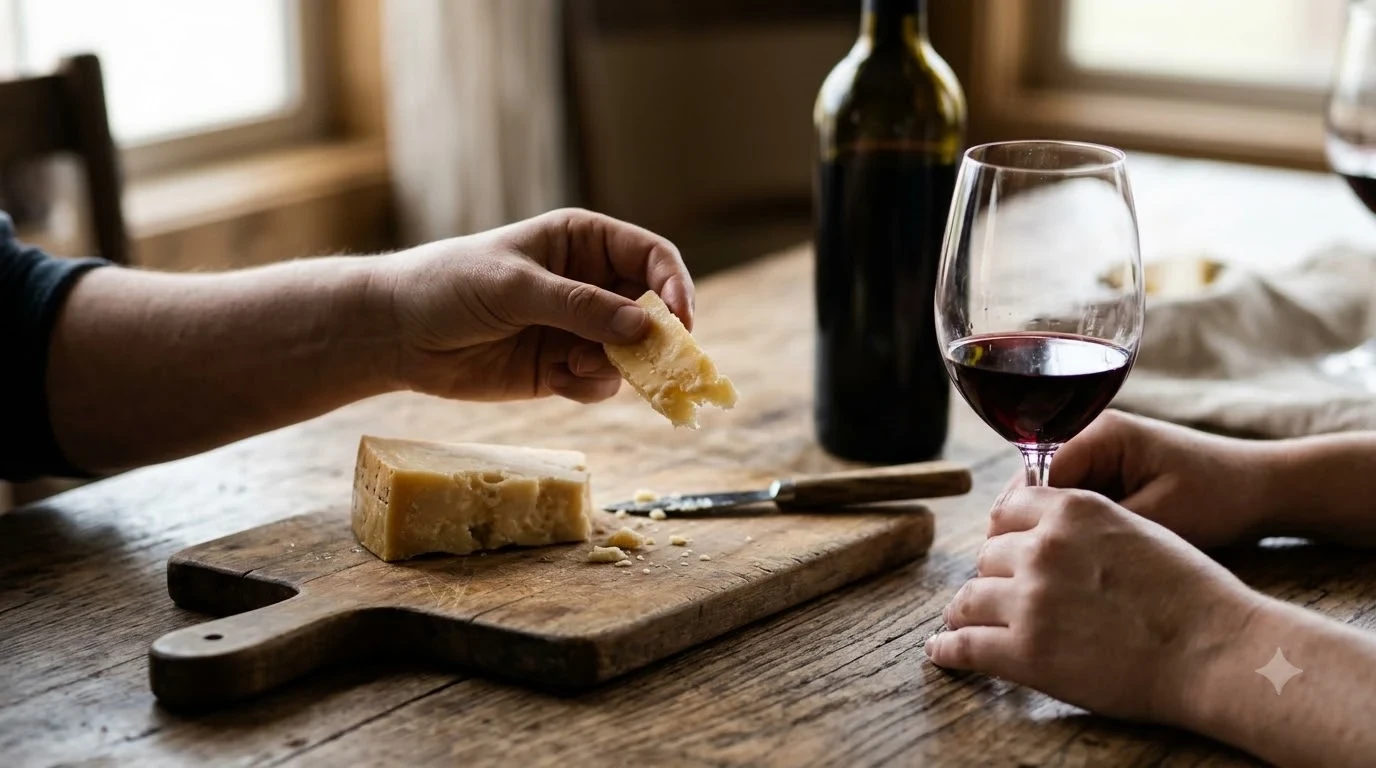
Sauternes is one of the classic dessert wines because its sweetness and acidity match rich food. The most famous pairing is foie gras, where the wine’s sugar complements the richness of the liver and the acidity cuts through the fat. Blue cheese is another traditional match, since the salty, strong cheese stands up to the wine’s concentration.
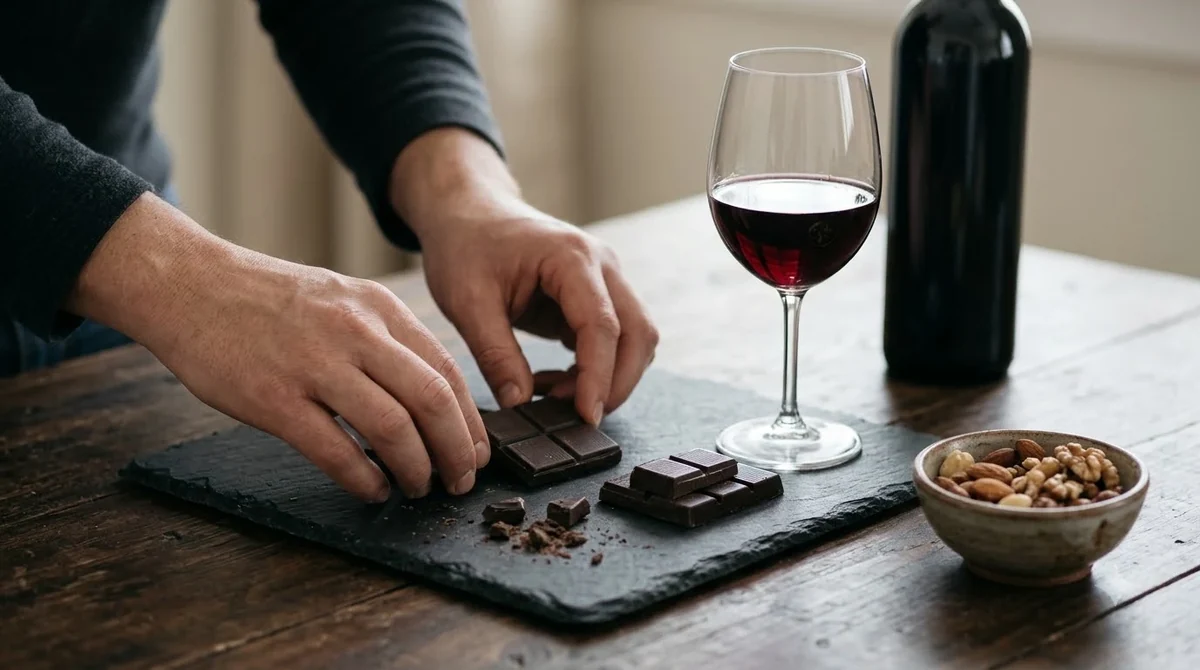
For dessert, fruit tarts with apricot or peach, crème brûlée, and almond cakes work well. The wine’s honey notes echo the caramel of a crème brûlée and the apricot in a tart. Simple desserts are often better than very chocolate-heavy ones, because chocolate can overpower the wine. Sauternes also pairs with lightly spiced fruit dishes and with some Asian-inspired desserts that use citrus and ginger.
How to Choose a Sauternes Bottle
When you shop, look for the Sauternes or Barsac name on the label, then check the producer and vintage. A good vintage matters because the weather determines whether noble rot develops well. Half-bottles are useful for trying a new producer, and a smaller bottle is easier to finish after a meal.
If you want something lighter and fruitier, a moscato wine is a gentler sweet option, though it does not have the same aging depth. For a sweet wine made from a different grape character, the muscadine grape offers a distinct, fruity profile. Compare styles in the Wine by Type section to see how sweet whites differ from the dry wines you may already know.
Frequently Asked Questions
What is Sauternes wine made from?
Sauternes is made mainly from Sémillon grapes, usually blended with Sauvignon Blanc and sometimes a small amount of Muscadelle. The grapes are affected by noble rot, which concentrates their sugar.
Is Sauternes the same as Barsac?
No, they are separate appellations, but they are closely related and produce similar sweet wines. Many producers make wines that could be labeled under either name, so the style is quite alike.
Does Sauternes need to be aged?
Young Sauternes is pleasant with fresh fruit and crisp acidity, but many bottles develop nutty, honeyed complexity with age. Check the producer’s advice on the label or from the shop, since aging potential varies by bottle.
What dessert goes best with Sauternes?
Fruit tarts, crème brûlée and almond cakes are classic choices. Simple desserts work better than very chocolate-heavy ones, because chocolate can overpower the wine.
Sauternes is a rewarding wine for a special meal or a quiet dessert. Choose a bottle from a good vintage, serve it chilled in a small glass, and pair it with foie gras, blue cheese or a fruit tart. Once you know its style, it becomes easier to find sweet whites that suit your taste.
More in Wine Types & Grapes
 Zinfandel Sugar Content: Dry Red vs. White Zinfandel GramsUpdated Nov 21, 2026
 Best Zinfandel Substitute Options for Sipping and CookingUpdated Nov 21, 2026
 Zweigelt Food Pairing: Best Dishes, Cheeses, and Serving TipsUpdated Nov 21, 2026
 Zinfandel Tannins Explained: How Structure Shapes Every BottleUpdated Nov 21, 2026
 Zinfandel Sweetness Level: Dry Red vs. Sweet White Zin ExplainedUpdated Nov 21, 2026
 Xinomavro Food Pairing: Best Dishes, Styles, and Serving TipsUpdated Nov 21, 2026