

We may earn a commission when you buy through links on this page, at no extra cost to you. Learn more.
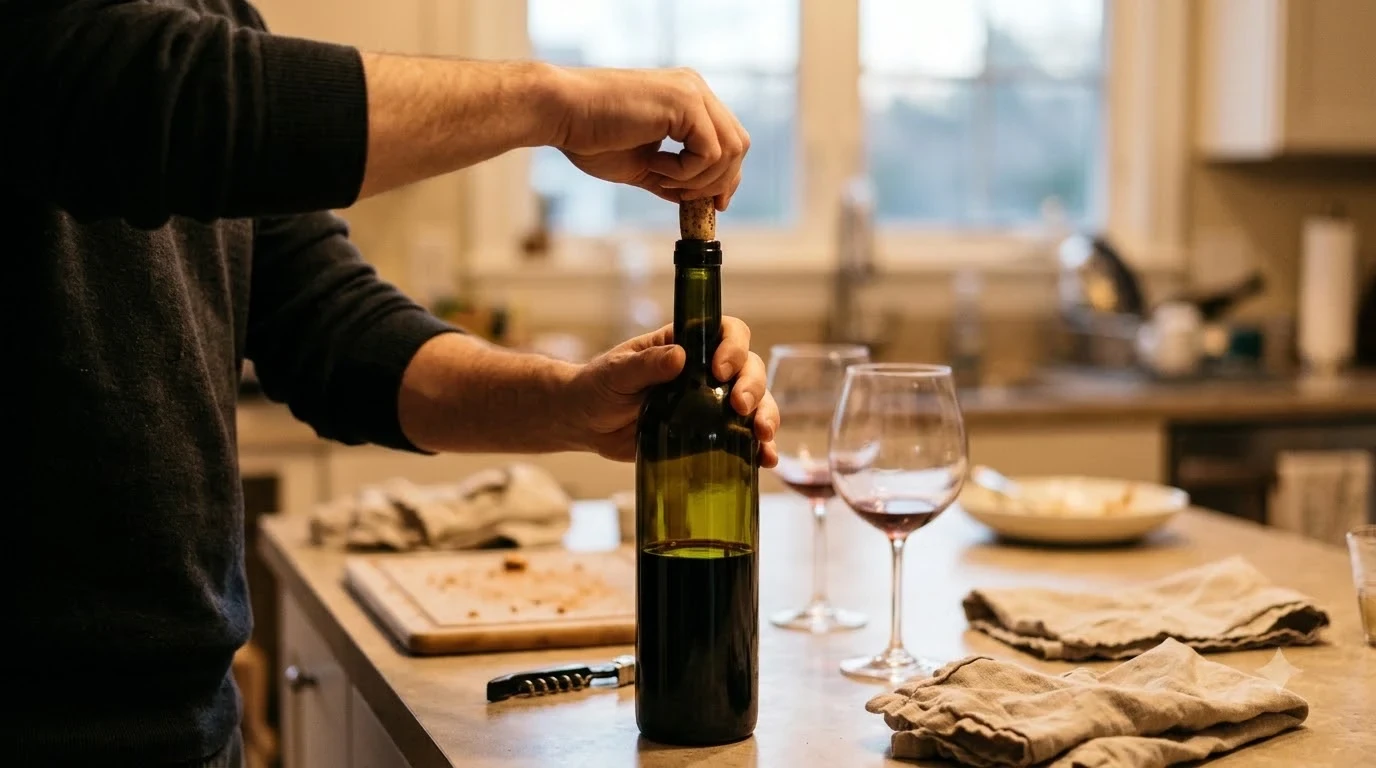
Should you refrigerate red wine after opening? Usually yes, because cold slows the chemical reactions that turn an open bottle flat and sour. Oxygen reaches the wine every time the bottle is open, and heat speeds up the damage. A fridge slows that process, which is why most wine experts recommend it for leftovers. Some red styles handle a cool room just fine, so the answer depends on the wine.
This guide explains why cold helps an opened bottle, which reds gain the most from the fridge, and when a cupboard is good enough. It also covers how long you can expect an opened red to last and the warning signs that mean it is time to pour it out.
Why Cold Slows Down Opened Red Wine
Cold slows the chemistry inside the bottle. Once a cork is pulled, wine starts reacting with oxygen, and that reaction is what makes the flavor fade and turn dull. Temperature controls how fast this happens.
According to Wikipedia’s wine storage article, the rate of chemical reactions in wine roughly doubles with each 10 °C rise in temperature. That means a bottle left in a warm kitchen ages much faster than one kept chilled. Cooling the wine does not stop oxidation, but it buys you more days of usable flavor.
Heat is not the only risk. Repeatedly moving a bottle between a warm room and a cold fridge can also cause chemical changes that lead to off flavors. For that reason, pick one stable spot for the open bottle and leave it there.
Which Red Wines Benefit Most From Refrigeration
Lighter, fruitier reds usually gain the most from the fridge. Their bright fruit and delicate aromas fade quickly once exposed to air, so cold helps them hold their character longer. Fuller, tannic reds still benefit, but they tend to tolerate a cool room a bit better.
The table below compares common red styles. It is a general guide, since the exact winemaker, vintage, and bottle size all affect how fast a wine changes.
| Red wine style | Fridge benefit | Room temperature note |
|---|---|---|
| Light-bodied reds (such as many Pinot Noir and Gamay) | High. Delicate fruit fades quickly after opening | Usually the first to lose freshness |
| Medium-bodied reds (such as Merlot or Sangiovese) | Moderate to high | Acceptable for a short time in a cool room |
| Full-bodied, tannic reds (such as Cabernet Sauvignon or Syrah) | Helpful, though the wine holds up slightly better | Can last a little longer than lighter styles |
| Fortified or sweet reds | Helpful, and they often keep longer than table wines | Check the label or producer advice for storage |
When Room Temperature Storage Is Fine
A cool room is fine when you plan to finish the bottle within a day or so. If the bottle will be empty by the next meal, the fridge adds little benefit. The key is keeping the wine away from heat sources and direct sunlight.
Storage guidance from the Wikipedia wine storage article notes that most experts favor a stable, cool environment around 50 to 59 °F (10 to 15 °C) for keeping wine. Many homes sit in that range or slightly above it. If your kitchen runs warm, especially near a stove, a fridge becomes the safer choice.
Some everyday situations also favor leaving the bottle out. If you open a wine for a quick glass and plan to drink the rest tomorrow, a cool cabinet works. For a deeper look at boxed formats and how long they keep, see this guide on does boxed wine go bad.
How Long Opened Red Wine Lasts in the Fridge
Opened red wine keeps longer in the fridge than on the counter, but it does not last indefinitely. The exact window depends on the wine’s structure, how full the bottle remains, and how often the bottle is opened. Your best source is the producer’s own storage advice, if it is printed on the label or website.
Lighter reds usually fade first, so drink them sooner. Bigger, tannic reds generally hold up longer, though they still lose freshness over time. Half-empty bottles lose quality faster than full ones because more air sits above the wine.
If you are unsure, taste a small amount before serving. A wine that smells and tastes flat but not spoiled may still work in a cooked dish, such as a braised stew. Wine that smells sharply sour or unpleasant should go down the drain.
Tips for Storing Opened Red Wine Properly
Good habits make a noticeable difference. Recork the bottle tightly or use a vacuum stopper to limit the air inside. Keep the bottle upright in the fridge so the cork does not stay in contact with the wine for long periods.
Serving temperature is a separate question. Research in Left out in the cold: serving wines chilled suggests red wines are typically best served at 15 to 18 °C, slightly below room temperature. In practice, that means taking the bottle out of the fridge about 20 minutes before pouring, as the LLCC wine article suggests for serving red wine.
Avoid the freezer and avoid extreme cold. Wikipedia’s wine storage article warns that wine that freezes can expand, push out the cork, or crack the bottle. Keep the fridge at a normal setting, and move the bottle between chilled and room temperature only when you plan to pour.
Tip: Store the open bottle in the fridge door only if the door stays closed most of the time. Frequent opening causes temperature swings, which can shorten the life of an open red.
Signs Your Opened Red Has Gone Bad
A spoiled red usually shows itself through smell first. Watch for a flat or sharp vinegar-like aroma, or a musty, wet-cardboard smell. Color changes, such as a noticeably browner edge in the glass, can also signal oxidation.
Taste confirms the problem. Oxidized wine tastes dull, sharp, or sour rather than fruity. If you want a more detailed checklist, read this guide on how to tell if wine has gone bad.
Sometimes a wine is simply past its best but still safe to drink. Flat, tired flavors are a quality problem, not always a health problem. Never drink wine that smells rotten or moldy, and when in doubt, pour it out.
Frequently Asked Questions
Does refrigerating opened red wine make it last longer?
Yes, cold slows the oxidation that makes opened wine taste flat and sour. The fridge will not stop the process, but it gives you more time to enjoy the bottle. Most people notice the difference most with lighter reds.
Should all red wines go in the fridge after opening?
Not necessarily. Full-bodied reds can handle a cool room for a short time, especially if you finish them soon. Lighter, fruitier reds benefit most from refrigeration, so match the storage choice to the style.
Is it safe to keep opened red wine in the fridge?
Yes, refrigeration is a common and safe way to keep leftover red wine. The main concerns are freezing and repeated temperature swings, so avoid the freezer and keep the bottle in a stable spot. If the wine smells or tastes spoiled, discard it.
Do I need to warm red wine after taking it out of the fridge?
Often you do, because many red wines taste better slightly warmer than a fridge temperature. The LLCC article suggests placing red wine in the fridge 20 minutes before drinking if it has been stored at room temperature. Reverse that idea for a bottle that has been chilled, and let it sit out briefly before pouring.
Refrigerating opened red wine is usually the better choice, since cold slows the changes that dull the flavor. Match the storage to the style, keep the bottle stable, and drink lighter reds first. For more background, visit the Open Wine & Preservation section.
More in Storage & Fridge Care
 How Long Can You Store Wine in a Wine Fridge? Protect Bottle QualityUpdated Nov 20, 2026
 Can You Store Beer in a Wine Fridge? Keep Both Drinks FreshUpdated Nov 20, 2026
 Is It Worth Repairing a Wine Fridge? Spot the Cheap Fixes Before You ReplaceUpdated Nov 20, 2026
 Wine Fridge Condensation: Identify Causes and Fix Moisture ProblemsUpdated Nov 20, 2026
 Wine Fridge Too Cold: Protect Your Wine and Fix the TemperatureUpdated Nov 20, 2026
 How to Reset Wine Fridge: Restore Cooling and SettingsUpdated Nov 20, 2026