

We may earn a commission when you buy through links on this page, at no extra cost to you. Learn more.
A muscadet grape is the Melon de Bourgogne, a neutral white variety that makes the dry, crisp wines called Muscadet in France’s Pays Nantais, at the western end of the Loire Valley. The name belongs to the wine and the region rather than to a grape called muscadet. Because the variety itself is fairly neutral, the character of a bottle depends on the soil, the vintage, and how the wine is aged. Most Muscadet is light-bodied, fresh, and well suited to seafood.
This guide explains what the muscadet grape is, how the main sub-appellations differ, what sur lie aging does to the wine, and how to serve and pair it. It is written for shoppers who see Muscadet on a shelf and want to know what they are actually buying.
What the Muscadet Grape Is
The grape behind Muscadet is Melon de Bourgogne, which French wine writers often shorten to “melon.” Despite the Burgundy in its name, the variety is grown in the Loire Valley, not in Burgundy. Wine references describe it as a fairly neutral grape, which means it does not announce itself with strong perfume the way some aromatic whites do.
The vine is frost-resistant and ripens early. It suits the region’s maritime climate, which is cooler and wetter than much of the rest of the Loire. Growers and winemakers therefore shape the final wine through the site, the year’s weather, and the choices they make after fermentation, especially the time the wine spends on its lees.
The result is usually a light-bodied, dry white with enough acidity to keep it fresh. Shoppers who want a clean, lively white with little weight often find Muscadet a useful reference point, and it is a useful white for trying something distinctly French without a heavy style.
Where Melon de Bourgogne Grows
The generic Muscadet appellation dates to 1937 and covers the whole Pays Nantais. Inside it, three named sub-appellations matter most to shoppers, and each one has its own character.
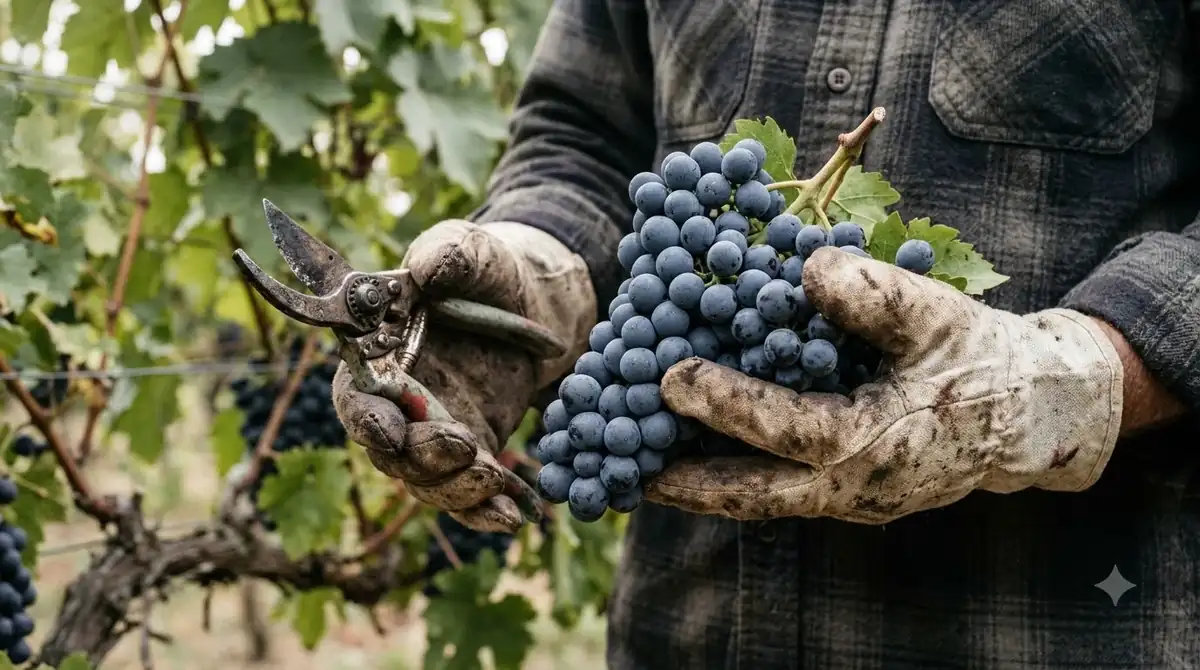
Muscadet-Sèvre et Maine is the largest of them. Wikipedia’s overview of the appellation puts it at about 80 percent of all Muscadet. It lies south and east of Nantes and takes its name from the Sèvre and Maine rivers. Muscadet-Coteaux de la Loire is the northernmost sub-appellation, and its quality tends to vary more from one vintage to the next. Muscadet-Côtes de Grandlieu surrounds Lake Grandlieu, where its microclimate is associated with floral aromas and a mineral edge.
| Label term | What it tells you |
|---|---|
| Muscadet | Generic appellation covering the whole Pays Nantais |
| Muscadet-Sèvre et Maine | Largest sub-appellation, south and east of Nantes |
| Muscadet-Coteaux de la Loire | Northernmost sub-appellation, quality varies more by vintage |
| Muscadet-Côtes de Grandlieu | Lake Grandlieu microclimate, floral and mineral notes |
| Sur lie | Aged on the lees for a creamier texture and fuller body |
Flavor and Style
Muscadets are usually light-bodied, dry, and crisp. Their acidity keeps them refreshing, and they rarely feel heavy on the palate. Tasting notes vary by producer and by sub-appellation, but the wines generally sit toward citrus and green fruit, with a saline or mineral note that many drinkers connect with the coast.
Wine writer Tom Stevenson notes that Muscadets have little of the muskiness the name might suggest. That detail matters for shoppers, because the word “muscadet” is sometimes mistaken for a sweet or perfumed style. These wines are dry, and their neutral profile means they are judged more on freshness and texture than on aroma.
Some bottles show subtle yeasty notes and a slight saltiness, especially those aged on the lees. A young plain Muscadet tends to taste sharper and more direct, while an older or sur lie bottle usually feels rounder and more layered.
What Sur Lie Means on the Label
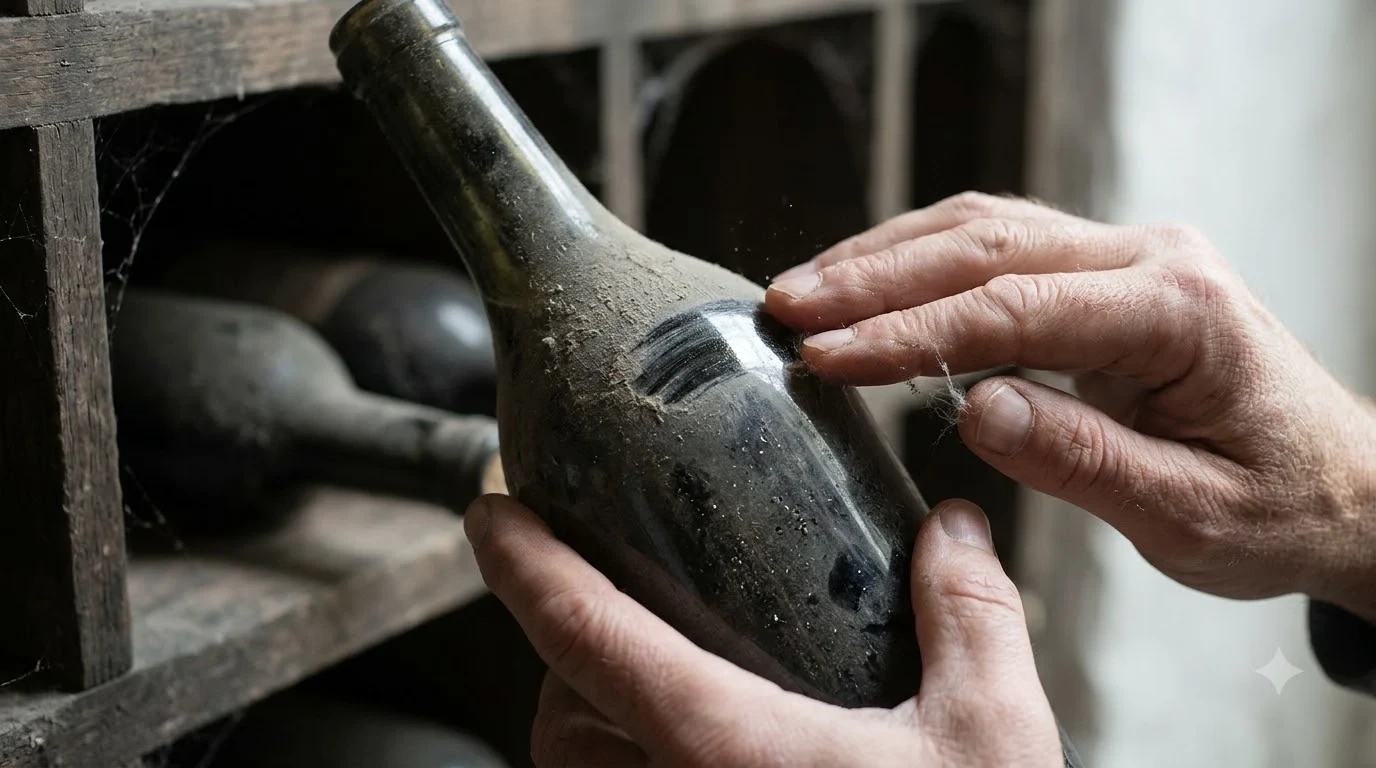
Sur lie is the term to look for if you want a more textured Muscadet. After fermentation, the wine rests on its lees, which are the spent yeast cells left in the tank or barrel. That contact adds a creamy texture and a fuller body than a wine without the same time on its lees would have.
The rules are specific. Since 1994, the label “sur lie” has required at least a full winter on the lees, and the generic AOC cannot use the term at all. Wikipedia’s summary says about 45 percent of Sèvre et Maine wine is aged this way, so a sur lie bottle is one of the more common styles from that sub-appellation rather than a rare special release.
Shoppers who prefer a fresher, more austere wine may choose a plain Muscadet, while those who want more body and a softer finish usually reach for a sur lie bottle. Neither style is better in general; the choice depends on the food and the mood.
Serving and Food Pairing
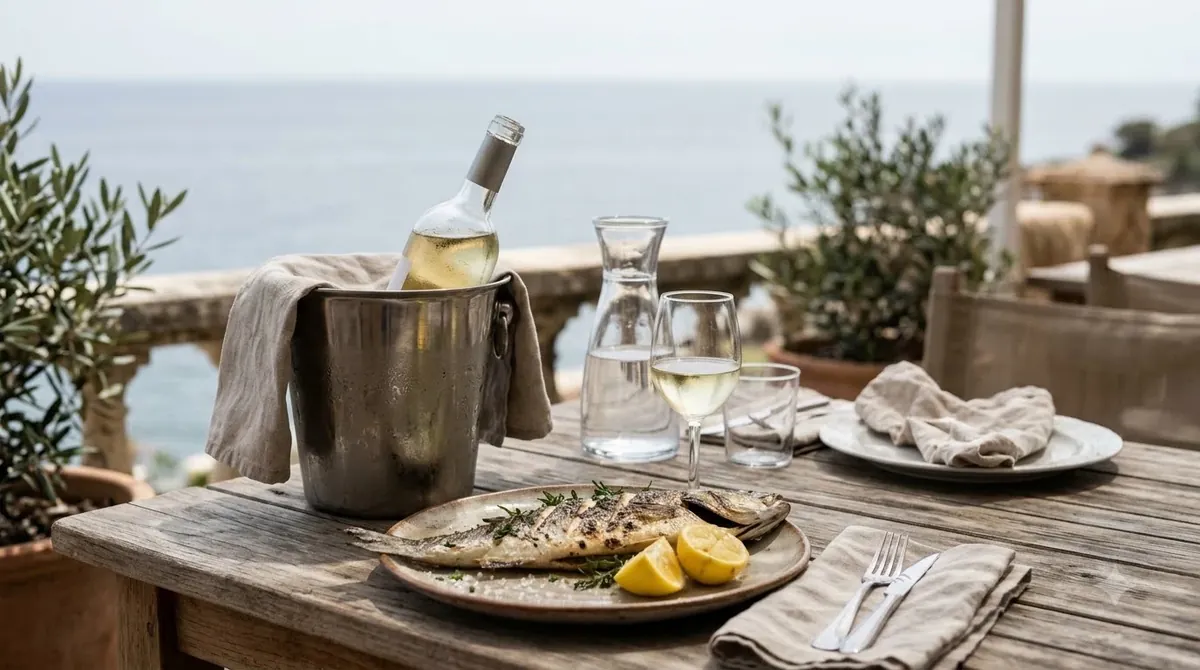
Muscadet is usually served chilled rather than ice-cold, so its acidity and texture stay visible. It is a white that rewards a simple setting: a clean glass, an unhurried pour, and food that does not overpower it.
The classic pairing is seafood, and oysters are the best-known match. Wine writer Jon Bonné has called Muscadet “the perfect oyster wine,” and the wine’s acidity works well with the brine and minerality of raw shellfish. Lobster, shrimp, and mullet suit the style too. Because the acidity cuts through richness, Muscadet also works with creamy sauces and fried or buttery dishes, where a heavier white might feel too heavy.
For a meal without shellfish, try the wine with roast chicken, goat cheese, or a green salad with a sharp vinaigrette. The common thread is acidity: the more a dish needs a bright lift, the better Muscadet tends to fit.
How to Choose a Bottle
Start with the label. A bottle that names a sub-appellation tells you where the grapes came from, and a sur lie term tells you the wine spent time on its lees. Those two clues give you a good idea of the style before you open the bottle.
If you want the lightest, most direct version, a plain Muscadet is a sensible choice. If you want more texture for a special seafood dinner, look for sur lie. For a wine with more regional personality, a Muscadet-Côtes de Grandlieu or Muscadet-Sèvre et Maine bottle is a reasonable place to begin, since those names are the most often discussed by writers on the appellation.
Tip: Check the vintage on the label. Quality in the Coteaux de la Loire sub-appellation varies more from year to year, so a recent vintage from a producer you trust is a safer bet there.
Frequently Asked Questions
Is muscadet a grape or a wine?
Both names are used, but the grape is Melon de Bourgogne. Muscadet is the name of the wine made from that grape in the Pays Nantais, and the wine’s name comes from the region rather than from a separate grape.
Is Muscadet a sweet wine?
No. Muscadet is generally a dry white, light-bodied and crisp. Shoppers sometimes expect a sweeter or more aromatic style because of the name, but writers note that the wines have little of the muskiness the name suggests.
What does sur lie mean on a Muscadet label?
Sur lie means the wine was aged on its lees, the spent yeast cells left after fermentation. Since 1994 the term has required at least a full winter on the lees, and it adds a creamier texture and a fuller body.
What food goes best with Muscadet?
Seafood is the classic match, especially oysters, lobster, shrimp, and mullet. The wine’s acidity also suits roast chicken, goat cheese, and dishes that need a bright lift.
Muscadet is a good example of how a grape name and a wine name can differ. Once you know that the wine comes from Melon de Bourgogne in the Pays Nantais, the labels become easier to read. The appellation’s history and rules are summarized in the Wikipedia entry for Muscadet. For more background on the grapes behind other white wines, see our guide to wine by type, or compare Muscadet’s crisp style with the richer fiano grape from southern Italy.
More in Wine Types & Grapes
 Zinfandel Sugar Content: Dry Red vs. White Zinfandel GramsUpdated Nov 21, 2026
 Best Zinfandel Substitute Options for Sipping and CookingUpdated Nov 21, 2026
 Zweigelt Food Pairing: Best Dishes, Cheeses, and Serving TipsUpdated Nov 21, 2026
 Zinfandel Tannins Explained: How Structure Shapes Every BottleUpdated Nov 21, 2026
 Zinfandel Sweetness Level: Dry Red vs. Sweet White Zin ExplainedUpdated Nov 21, 2026
 Xinomavro Food Pairing: Best Dishes, Styles, and Serving TipsUpdated Nov 21, 2026