

We may earn a commission when you buy through links on this page, at no extra cost to you. Learn more.
Japan vineyards are concentrated in Yamanashi, Nagano, and Hokkaido, where growers work against humidity, rain, and typhoon winds to grow the native white Koshu and the hybrid red Muscat Bailey A. Yamanashi is the country’s largest wine area, with about 70 of the roughly 80 wineries in the prefecture located in the Koshu Valley. Japanese producers rely on domestic grapes for a share of their wine, and the country’s wine culture has grown steadily as more bottles stay at home.
Japan is not the first country most wine drinkers think of, but its vineyards have a long history and a distinct character. Growers face conditions that are very different from Europe or California: a humid growing season, heavy rain at harvest, and in some places typhoons that can strike the vines. The result is a set of local grapes and growing methods that you will not find anywhere else. This guide explains where the vines grow, which grapes matter most, and how the climate shapes the wine.
Where Japanese Vineyards Grow
Wine is made in several prefectures, but three of them dominate. The Japanese wine article on Wikipedia gives the share of wine made from domestically grown grapes as 31% for Yamanashi, 23% for Nagano, and 17% for Hokkaido. The article also names smaller production in Yamagata, Niigata, Miyazaki, and other prefectures, which shows how spread out the country’s vineyards have become.
Yamanashi is the heart of the industry. The Koshu Valley is the main area, and the article says that 70 of the approximately 80 wineries in the prefecture are located there. That concentration makes the valley the best place to start if you want to see the full range of Japanese wine in one area. Nagano and Hokkaido bring cooler conditions and different sites, which give their wines a different profile.
| Region | Share of wine from domestic grapes | Notes from the Wikipedia article |
|---|---|---|
| Yamanashi | 31% | Koshu Valley is the main area; about 70 of roughly 80 wineries are there |
| Nagano | 23% | Cooler mountain sites |
| Hokkaido | 17% | Northern island with its own growing conditions |
| Other prefectures | Smaller shares | Yamagata, Niigata, Miyazaki, and others |
The Grapes That Define Japanese Wine
Koshu is the signature white. It is a grape grown mainly in Yamanashi and is considered indigenous to Japan. Its thick skin helps it withstand the damp of the Japanese summer, which is a practical advantage in a climate where rain can arrive just before harvest. Koshu tends to make light, delicate wines with a citrus and floral character, and it is often made in a dry style that suits a wide range of food.
Muscat Bailey A is the leading red variety. It is a hybrid developed by Zenbei Kawakami in Niigata, and most of it goes into sweet amakuchi wines. Drier and barrel-aged versions now exist as well, so the grape is no longer limited to one style. For a reader used to European reds, Muscat Bailey A can seem fruit-forward and easy to drink, which is why it has found a steady audience at home.
How Humidity and Rain Shape the Vines
The biggest challenge is moisture. In humid summers, growers use an elevated trellis method known in the article as tanajitate. The system keeps the fruit about 1.5 to 2 meters off the ground, which improves air movement around the bunches and lowers the risk of rot. The method is a practical response to a climate where dampness can spread disease quickly through a vineyard.
Typhoons create a different problem. Strong winds can break canes and damage young fruit, so some growers use horizontal trellises that hold the vines more securely in a storm. The trellis choice is a site decision, and it changes how the canopy grows and how the grapes ripen. A good Japanese wine often reflects choices like these as much as the grape itself.
Mountain Slopes and Snow
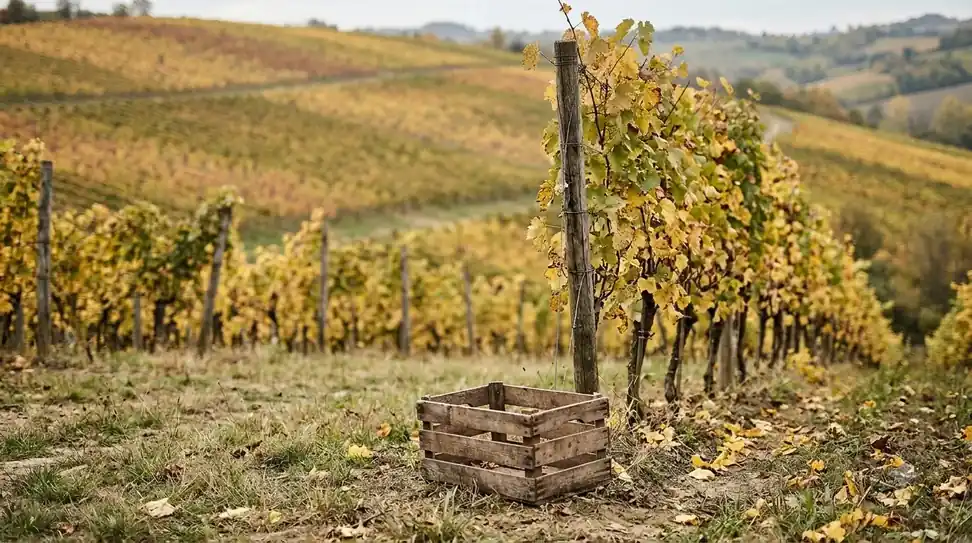
Terrain matters as much as the trellis. In mountainous Tochigi, the article describes vines planted on steep slopes, which gives them more sunlight and helps the fruit ripen before the cold arrives. The same slopes also help the vines resist heavy snowfall, according to the article. Growers in mountain regions have to balance sun exposure with winter conditions, and that balance varies from one site to the next.
The Japanese wine article gives no national winery total, so the best way to judge the sector is by prefecture. Yamanashi’s concentration of wineries and the presence of smaller producers in other prefectures show a mix of large and small operations. Many of the smaller estates focus on a few varieties, and their bottles can differ noticeably from year to year.
What Japanese Wine Tastes Like
Japanese whites made from Koshu often show a clean, light character with citrus and floral notes, and they tend to suit simple food better than heavy dishes. Japanese reds from Muscat Bailey A can range from sweet and fruity to dry and firmer, depending on the producer and style. Reading the label for the grape and the region gives a useful clue about what to expect, and a note on sweetness helps prevent a surprise.
Because the wines come from humid conditions, texture and acidity matter more than heavy oak in many bottles. Barrel-aged versions of Muscat Bailey A now exist alongside the sweet styles, and they usually show more structure than the amakuchi bottles. A taster can see that range by trying both a sweet and a dry bottle from the same variety.
Visiting Japanese Vineyards
Visiting a vineyard in Yamanashi is an easy way to see the Koshu Valley up close. The valley’s high concentration of wineries makes it possible to visit several producers in a single day, and many estates offer tastings of their Koshu and Muscat Bailey A bottles. Planning ahead is still wise, because opening hours and tasting rules vary between wineries. Readers who want to compare the experience with other cool-climate areas can read about england vineyards, where growers also work with a challenging climate.
Wineries in Nagano and Hokkaido are spread across larger areas than the Koshu Valley, so a visit there is best planned around a single region. For a wider look at how growing regions compare across the world, the Wine Regions section of this site lays out the main categories in one place.
How to Choose a Japanese Wine
Start with the grape. A Koshu white is a good first choice for anyone who enjoys light, dry whites with clean fruit. A Muscat Bailey A red is a good choice for anyone who likes fruit-forward reds, although the sweetness level varies, so check whether the bottle is labeled as amakuchi or dry. Next, look at the region. Check the prefecture on the label, since the growing conditions in Yamanashi, Nagano, and Hokkaido differ.
| What to check | Why it matters |
|---|---|
| Grape variety | Koshu and Muscat Bailey A give very different styles |
| Sweetness | Amakuchi bottles are sweet; dry versions are labeled differently |
| Region | Yamanashi, Nagano, and Hokkaido have distinct growing conditions |
| Oak | Barrel-aged reds show more structure and spice |
Tip: If you are new to Japanese wine, start with a Koshu from Yamanashi. Its light body and clean finish make it an easy match for sushi, grilled fish, or a simple salad.
Frequently Asked Questions
Where are most Japanese vineyards located?
Yamanashi is the largest wine area, with the Koshu Valley holding about 70 of the roughly 80 wineries in the prefecture. Nagano and Hokkaido are the next largest sources of domestic wine, with smaller production elsewhere.
What is Koshu wine?
Koshu is a white grape grown mainly in Yamanashi and considered indigenous to Japan. Its thick skin helps it handle the humid summers, and it usually produces light, dry whites with citrus and floral notes.
Is Japanese red wine sweet?
Some are. Muscat Bailey A, a hybrid developed in Niigata, is mostly used in sweet amakuchi wines, but drier and barrel-aged versions also exist. Check the label or the producer description before buying.
Why do Japanese vineyards use raised trellises?
Elevated trellises keep the fruit about 1.5 to 2 meters off the ground in humid summers, which improves air movement and helps reduce rot. Horizontal trellises are used in typhoon-prone areas to hold the vines more securely.
Japanese vineyards show how a wine region can take shape around humidity, wind, and native grapes. Start with a Koshu from Yamanashi or a Muscat Bailey A red, check the sweetness on the label, and use the region to guide your next bottle.
More in Wine Regions
 Willcox Wine Trail: Discover Arizona’s High-Elevation Wine CountryUpdated Nov 20, 2026
 Yakima Valley Wine Region: Find the Best Styles to TryUpdated Nov 20, 2026
 Vosne Romanee Wine Tasting: Identify Aromas and Choose Better PairingsUpdated Nov 20, 2026
 Yakima Valley Wine Festival: Find the Best Seasonal Wine EventsUpdated Nov 20, 2026
 Wales Vineyards: Discover Cool-Climate Wines and Where to VisitUpdated Nov 20, 2026
 Yountville Wine Festival: Discover Napa Wines and Local FoodUpdated Nov 20, 2026