

We may earn a commission when you buy through links on this page, at no extra cost to you. Learn more.
A bourboulenc grape is a white wine grape from southern France, best known for adding acidity, body and citrus character to blends in the Rhône, Provence and Languedoc. It ripens late, is rarely bottled on its own, and is often grown in a handful of appellations where local rules allow it in the blend.
If you have seen the name on a French white label or in a regional appellation rulebook and wondered what it brings to the glass, this guide covers the grape’s origins, its typical style, where it is planted, and how it fits into the wider world of white wine grapes. The short answer is that bourboulenc is a supporting player, but a useful one.
What Bourboulenc Is
Bourboulenc is a white grape variety of the species Vitis vinifera. It has been grown in southern France for centuries, and some sources propose a Greek origin for the variety. Its history is marked by swings in popularity. According to the Wikipedia entry on the grape, its planted area fell by about half during the 1970s and then roughly doubled in the 1980s, and the grape has gained ground mainly in Languedoc.
The grape is also known by a long list of synonyms, including Clairette grosse, Malvoisie and Roussette. Some of these names overlap with other varieties, such as Altesse, Clairette Blanche and Picardan, so a label that uses one of these names is worth checking against the producer’s description.
Flavor and Style
Wines made from bourboulenc are generally described as having good acidity and body, along with a penetrating character. Citrus aromas are the most common note, and some wines carry a hint of smoke. The grape’s acidity keeps the wine from feeling heavy, which matters in a warm region where the grapes can ripen to high sugar levels.
Timing at harvest makes a big difference. If the grapes are picked too early, the wine can taste thin and neutral. When the fruit is allowed to reach full ripeness, the wine shows more of the grape’s structure and aroma, which is why producers pay close attention to picking dates for this variety.
| Feature | What the sources describe |
|---|---|
| Color | White |
| Origin | Southern France; a Greek origin has been proposed |
| Main regions | Southern Rhône, Provence and Languedoc |
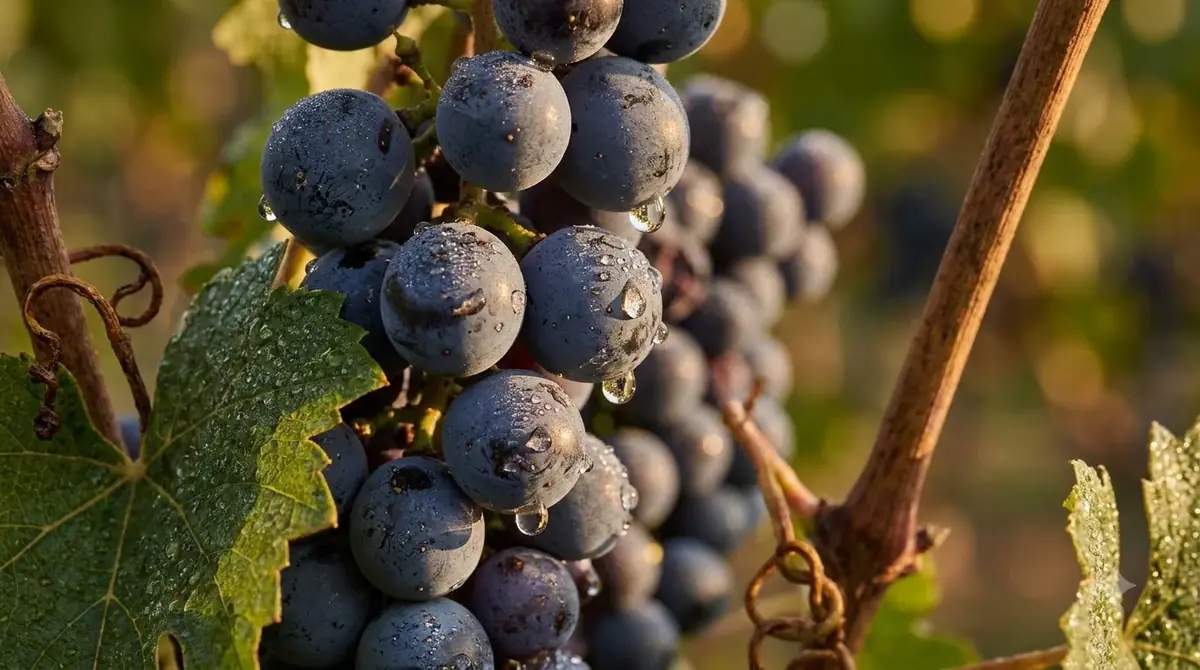
| Ripening | Late ripening, with tight bunches of large berries |
| Typical aromas | Citrus, with a hint of smoke when well ripened |
| Common role | Blending partner in several appellations |
Where It Grows
Bourboulenc is grown mainly in the Southern Rhône, Provence and Languedoc. Varietal bottlings are uncommon, and most wines that include the grape are blends. Several southern French appellations allow it, which means the grape can show up in a wine without being named on the front label.
In White La Clape, a designation used with Coteaux du Languedoc, bourboulenc is the dominant variety and must make up at least 40 percent of the blend. Châteauneuf-du-Pape also permits the grape. One source notes that it covered about 1 percent of that appellation’s vineyard in 2004, so it is a minor part of the region’s plantings. In 2000, France had about 800 hectares of bourboulenc, which is a small figure next to the country’s most planted varieties.
Why Winemakers Blend It
In a blend, bourboulenc is usually valued for what it adds to the whole. A wine that is rich in fruit but lacks freshness can feel flat on the palate, and a grape with good acidity helps lift the texture and keep the finish clean. The body that the variety contributes gives the wine some weight without making it heavy, so the blend stays balanced.
The penetrating character that sources mention is part of the same picture. In practical terms, it means the grape’s flavors carry through a mouthful of wine rather than fading early. Winemakers who want that presence often include bourboulenc in a small share of the final blend, even when the grape is not the star of the bottle.
Because the rules for blends differ by appellation, the grape’s place in a wine can vary a great deal. In White La Clape it is the lead variety, while in other areas it may be a supporting component. Tasting a few examples from different appellations is one of the best ways to understand how the grape changes with its partners and its site.
Growing Challenges
Bourboulenc ripens late, and that trait has two sides. A late-ripening grape gives the vineyard a longer season to build flavor, but it also leaves the fruit exposed to autumn weather for longer. The bunches are tight and the berries are large, and in some years the cluster can be prone to rot. That is why site selection and harvest timing matter so much to anyone working with the variety.
These conditions help explain why the grape is planted in limited amounts. A variety that needs careful handling and suits only certain sites is rarely planted across a whole region. Producers who work with it tend to be those who want its acidity and structure in a blend rather than a single-variety wine.
How to Choose a Bottle With Bourboulenc
Because the grape is usually a blending partner, the most reliable way to find it is to read the back label or the producer’s technical sheet. Look for the appellation name, since regional rules often define the minimum share of bourboulenc in a blend. A wine from White La Clape, for example, is expected to include a substantial portion of the grape, while a wine from elsewhere may use it only as a small component.
When you open a bottle, serve it cool, as you would most white wines from the south of France. The citrus and acidity show best when the wine is not too warm. Pair it with dishes that match its brightness, such as grilled fish, shellfish, or salads with lemon dressing. Wines with a hint of smoke also suit roasted vegetables.
Key Points to Remember
Bourboulenc is a white grape with a long history in southern France, a late ripening habit and a role that is mostly in blends. Its acidity, body and citrus character make it useful to winemakers in warm regions. If you want to explore the grape further, start with a blend from a well-known appellation and compare it with other white wines from the same area. For more background on the grape families that often appear beside it on French labels, see cotes du rhone grape and fiano grape, or browse the full Wine by Type guide.
Frequently Asked Questions
Is bourboulenc a red or white grape?
Bourboulenc is a white grape. Its wines are usually pale in color and are valued for acidity, body and citrus notes rather than for red fruit or tannin.
Where is bourboulenc grown?
The main areas are the Southern Rhône, Provence and Languedoc in southern France. It is allowed in several appellations and is the dominant variety in White La Clape.
Do bottles usually list bourboulenc on the label?
Often they do not. Many wines that include the grape are blends, so the name may only appear on the technical sheet or in the appellation rules. Checking the producer’s description is the easiest way to confirm it.
Why is bourboulenc planted in limited amounts?
It ripens late and its tight bunches can be prone to rot in some years. Those traits make it a demanding variety for growers, so it is planted on suitable sites rather than across whole regions.
Bourboulenc may not be the first grape people reach for, but it has a clear role in southern French wine. Once you know what it contributes, you can spot it in a blend and understand why a winemaker would choose it.
More in Wine Types & Grapes
 Zinfandel Sugar Content: Dry Red vs. White Zinfandel GramsUpdated Nov 21, 2026
 Best Zinfandel Substitute Options for Sipping and CookingUpdated Nov 21, 2026
 Zweigelt Food Pairing: Best Dishes, Cheeses, and Serving TipsUpdated Nov 21, 2026
 Zinfandel Tannins Explained: How Structure Shapes Every BottleUpdated Nov 21, 2026
 Zinfandel Sweetness Level: Dry Red vs. Sweet White Zin ExplainedUpdated Nov 21, 2026
 Xinomavro Food Pairing: Best Dishes, Styles, and Serving TipsUpdated Nov 21, 2026