

We may earn a commission when you buy through links on this page, at no extra cost to you. Learn more.
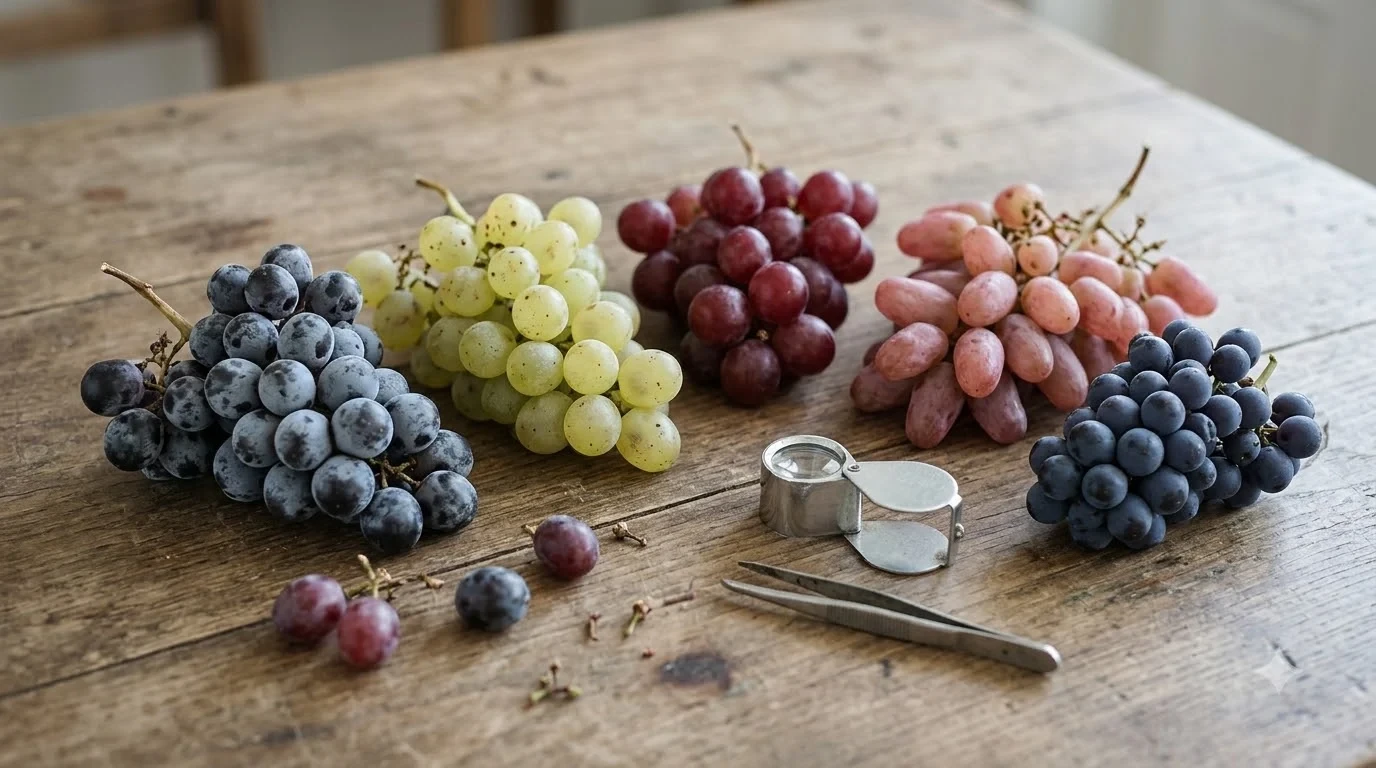
Pinot grigio grape is the same grape as pinot gris, a color mutation of pinot noir that grows in Burgundy, northern Italy, and several other wine regions. The Italian name is pinot grigio, and the French name is pinot gris. Its skins range from grey to pinkish, and that is where the name comes from. The grape gives a light, crisp white wine in Italy and a richer, more textured white or rosé in France and Oregon.
Pinot grigio is one of the most recognized white wines in the world, yet many drinkers never stop to ask what the grape is. The answer shapes everything from the color of the skins to the way the wine tastes in the glass. This guide covers where the grape came from, how it grows, and what it contributes to the wines made from it, so you can understand the grape behind the bottle.
Where Pinot Grigio Comes From
The grape has deep roots in Burgundy, in eastern France. According to the Wikipedia entry on the grape, it has been known in Burgundy since the Middle Ages, when it was probably called Fromenteau. Over the centuries it spread across Europe, and the name changed with the language of each region. Italians call it pinot grigio, while the French call it pinot gris.
The grape is genetically a close relative of pinot noir. Researchers at UC Davis found that the two have very similar DNA, and the difference in skin color comes from a genetic mutation that occurred centuries ago. Apart from the skin color, the leaves and vines look nearly identical. This family tie explains why pinot grigio is often described as a lighter, paler cousin of its red relative.
Because the grape is the same whichever name is used, the Italian and French labels are not describing two different plants. They describe two different wine styles that have grown up around the same fruit. That distinction matters more to the glass than to the vine.
How the Grape Grows and Where It Is Planted
Pinot grigio is a widely planted grape. Wine references list plantings across Argentina, Australia, Canada, Chile, Germany, Hungary, Italy, New Zealand, South Africa, and the United States. The total area planted worldwide is about 115,000 hectares, which makes it a significant grape even though it is less famous than the reds it descends from.
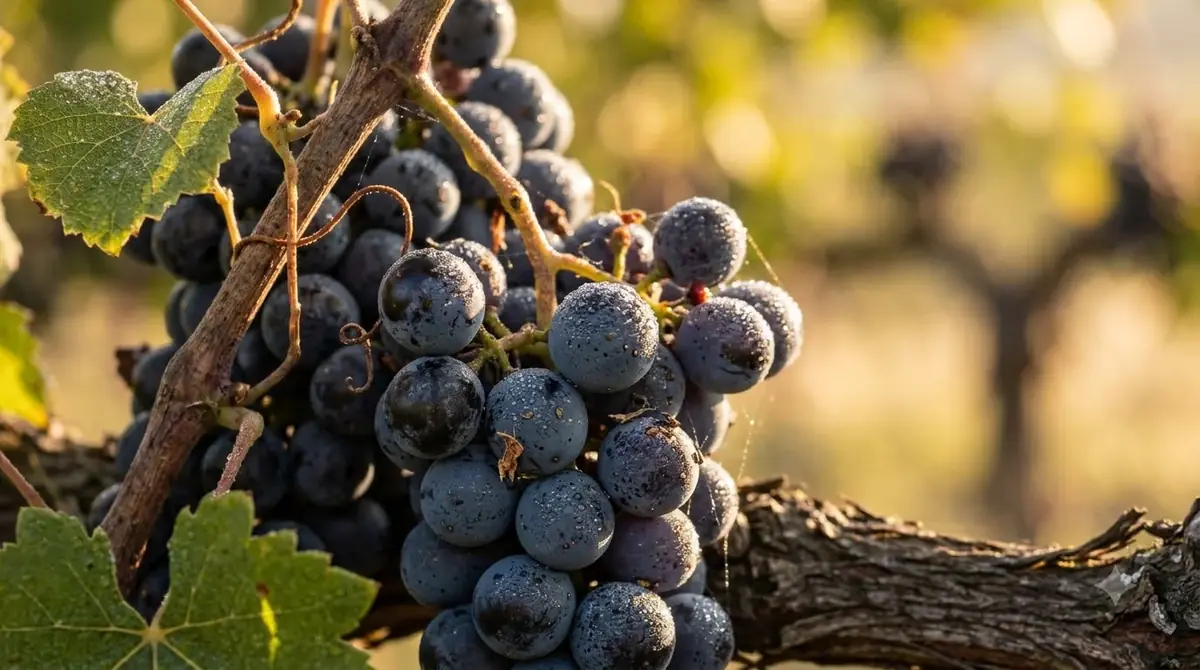
The main growing areas are Alsace and Burgundy in France, northeastern Italy, and Oregon in the United States. Each region brings its own character. Italian growers tend to favor a clean, light style with crisp acidity, while French and Oregon producers often make a fuller, more textured wine. The grape adapts to different climates, but the vineyard site and the winemaker’s choices shape the final result as much as the variety does.
The vines are sensitive to the weather during the growing season. Cool nights help hold acidity, while warm days build sugar and ripen the fruit. Growers balance those conditions carefully, because a grape that ripens too fast can lose the freshness that makes the style appealing.
What the Grape Tastes Like
Pinot grigio grapes produce wines with a fresh, zesty character. The grape is known for flavors of white peach, lemon zest, and cantaloupe, often with a light nutty edge and a note of crushed stone or gravel. These aromas are typical of the grape itself, and winemaking choices either highlight them or soften them.
The style depends on how the grape is handled. Wines made for early release in the Italian style tend to be light, crisp, and easy to drink. Wines made with more skin contact or more time on the lees can show a fuller body and a richer texture. Some producers also make a pinkish rosé from the same grape, since the grey-pink skins give a light blush when the juice spends a short time in contact with them.
Acidity is one of the grape’s key assets. It keeps the wine lively and makes it a good partner for food, which is why the grape is a common choice in restaurants and for casual meals. The balance between fruit and acid is what most people look for when they choose a bottle.
Growing Pinot Grigio at Home or in the Vineyard
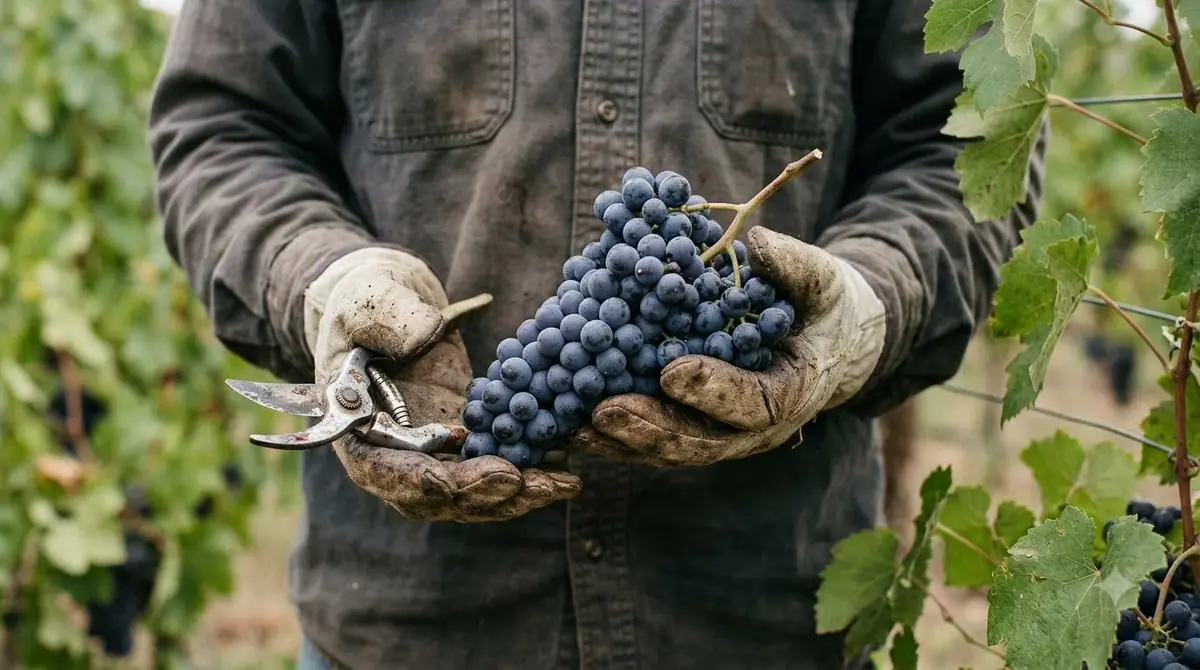
Home gardeners sometimes ask whether they can grow pinot grigio, and the grape can be grown in suitable climates, but it demands a good site. It needs a long, sunny growing season and good drainage, and it responds well to careful pruning and canopy management. Those are the same conditions that suit most cool-climate wine grapes.
In the vineyard, the grape’s thin skins make it sensitive to disease in wet years, so growers watch the canopy and manage airflow. Harvest timing is another critical decision. Picking early keeps acidity high and gives a crisp wine, while waiting longer builds body and fuller fruit. Each choice points the wine toward a different style, which is why two pinot grigio bottles can taste very different.
For a taste of how the grape is used in cooking as well as in glasses, see our cooking with pinot grigio guide. The grape’s acidity makes it a useful ingredient in sauces and seafood dishes.
| Name | Language | Typical style |
|---|---|---|
| Pinot grigio | Italian | Light, crisp, zesty white |
| Pinot gris | French | Fuller, richer white or rosé |
| Pinot noir (relative) | French (red grape) | Red wine from the same family |
Tip: When you see pinot grigio on a label, the name tells you the style more than the grape. Check the producer’s notes to find out whether the bottle is light and crisp or fuller and textured.
Pairing Pinot Grigio Grapes With Food
The grape’s bright acidity and fruit flavors make it a versatile partner at the table. It works well with white meats and seafood, especially dishes that include fruit such as lemon, orange, peach, or apricot. A light pasta with clams, a roast chicken with a citrus glaze, or grilled fish with herbs are all natural matches.
Because the wine is light, it suits lunch and early-evening meals better than heavy, long dinners. A fuller pinot gris can stand up to richer dishes, such as creamy sauces or pork, while a crisp pinot grigio is better with salads and simple appetizers.
Frequently Asked Questions
Is pinot grigio the same grape as pinot gris?
Yes. Pinot grigio is the Italian name and pinot gris is the French name for the same grape. The names often describe different wine styles, with Italian versions typically lighter and crisper and French or Oregon versions often fuller.
Is pinot grigio related to pinot noir?
Yes. Pinot grigio is a color mutation of pinot noir, and the two share very similar DNA. The difference in skin color comes from a mutation that occurred centuries ago.
Where is pinot grigio grown?
The grape is grown in many countries, including Italy, France, Germany, Oregon, New Zealand, and Chile. Major regions include Alsace and Burgundy in France, northeastern Italy, and Oregon.
What does pinot grigio grape taste like?
The grape is known for zesty flavors such as white peach, lemon zest, and cantaloupe, often with a light nutty note. Winemaking style decides whether the wine tastes light and crisp or fuller and more textured.
Pinot grigio is a grape with a long history and a flexible character, and knowing its background helps you choose a bottle you will enjoy. For more on the wine style, read our pinot grigio wine guide, and compare the red grape in our pinot noir grape article to see the family resemblance. To see the grape profile from a wine reference, the Wine Folly pinot gris grape guide is a useful next step, and the Wine by Type section puts it among the other varieties.
More in Wine Types & Grapes
 Zinfandel Sugar Content: Dry Red vs. White Zinfandel GramsUpdated Nov 21, 2026
 Best Zinfandel Substitute Options for Sipping and CookingUpdated Nov 21, 2026
 Zweigelt Food Pairing: Best Dishes, Cheeses, and Serving TipsUpdated Nov 21, 2026
 Zinfandel Tannins Explained: How Structure Shapes Every BottleUpdated Nov 21, 2026
 Zinfandel Sweetness Level: Dry Red vs. Sweet White Zin ExplainedUpdated Nov 21, 2026
 Xinomavro Food Pairing: Best Dishes, Styles, and Serving TipsUpdated Nov 21, 2026