

We may earn a commission when you buy through links on this page, at no extra cost to you. Learn more.
What is pinotage? It is a red wine grape from South Africa, created in 1925 by crossing Pinot Noir with Cinsault. Wines made from it are usually dry and full-bodied, with dark fruit, a smoky edge and firm tannins. It is the variety most closely associated with South African red wine, and it is worth knowing if you are browsing a wine list or shop shelf in that country’s section.
If you have seen pinotage on a label and wondered how it differs from Pinot Noir or from the other reds you usually buy, this guide covers the essentials: where the grape comes from, how it tastes, how to serve it, and which foods bring out its best side.
Where Pinotage Comes From
Pinotage was bred in South Africa in 1925 by Abraham Perold. He aimed to combine the quality of Pinot Noir with the adaptability of Cinsault, a vigorous grape that was widely planted in the country at the time. The name joins the two parents, and the variety has been treated as a national symbol ever since.
Pinotage still represents a small share of the country’s vineyards, a figure that Wine Folly’s grape profile puts at less than 10 percent of plantings. Even so, it grows in many South African regions. It performs especially well in warm areas such as Stellenbosch and Paarl, where the grapes ripen fully and the wines take on their characteristic depth.
The grape’s history is one reason people often describe it as a conversation piece. Winemakers in the country have spent decades refining how it is grown and made, and the best bottlings now show a level of polish that was not common in its early years.
Flavor Profile and Styles
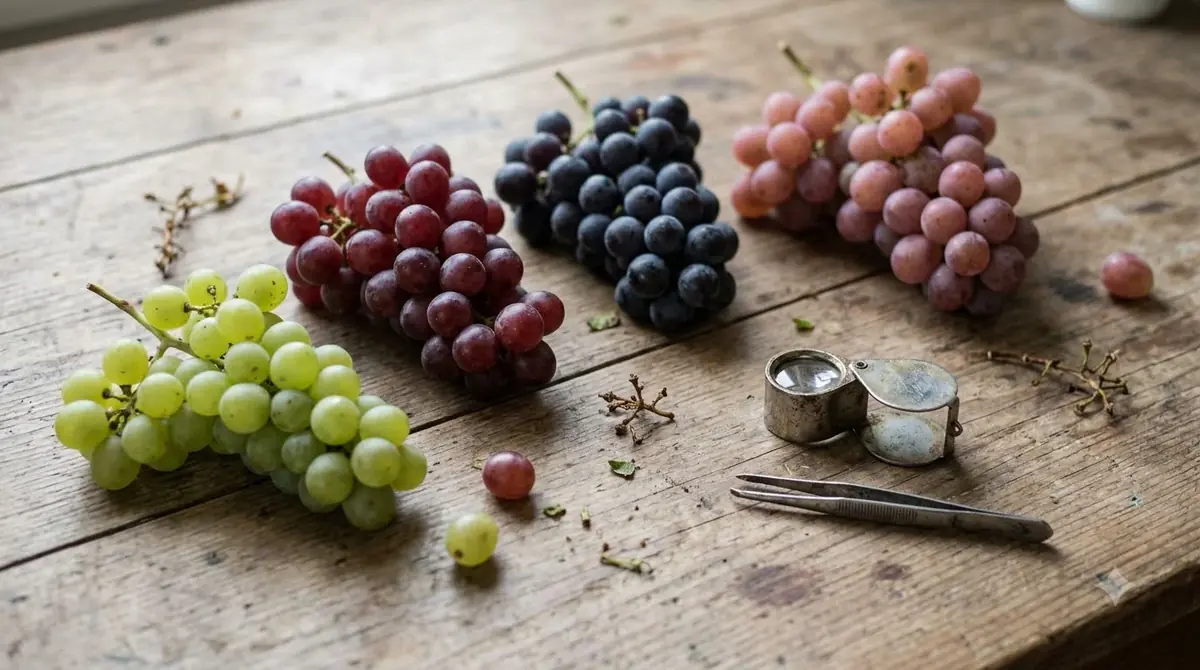
The core flavors of pinotage are black cherry, blackberry, fig, mint and game. How those flavors come across depends on the site. Cooler conditions tend to produce wines with fresh red fruit and a lighter structure, while warmer sites give jammy, dark-fruited wines with more weight.
Winemaking choices shape the wine as much as the vineyard does. Oak aging adds vanilla and spice, and some producers describe a sweet tobacco note in their wines. Unoaked or lightly oaked bottlings let the fruit lead, which makes them a friendlier introduction for drinkers who usually reach for lighter reds.
Because the grape can produce such a wide range of styles, two pinotage bottles from different producers can taste quite different. Reading the producer’s description and checking whether the wine was oak-aged is the simplest way to predict what is in the glass.
Body, Tannin and Alcohol
Pinotage is dry and usually full-bodied. Its tannins sit in the medium-high range, and its acidity is similar, so the wine feels structured and firm rather than soft. Some bottles are strong enough to exceed 15 percent ABV, which is high for a red wine. That combination of weight, grip and warmth is why many people treat pinotage as a food wine rather than something to sip on its own.
| Characteristic | Typical pinotage |
|---|---|
| Body | Dry, full-bodied |
| Tannin | Medium-high |
| Acidity | Medium-high |
| Main flavors | Black cherry, blackberry, fig, mint, game |
| Oak influence | Vanilla and spice |
| Alcohol | Can exceed 15 percent ABV |
How to Serve Pinotage
Serve pinotage at cellar temperature, roughly 15 to 20 °C (60 to 68 °F). At that range the fruit stays expressive and the tannins feel smooth rather than harsh. Wine that is too warm can taste hot and heavy, while a bottle served too cold hides the aromas.
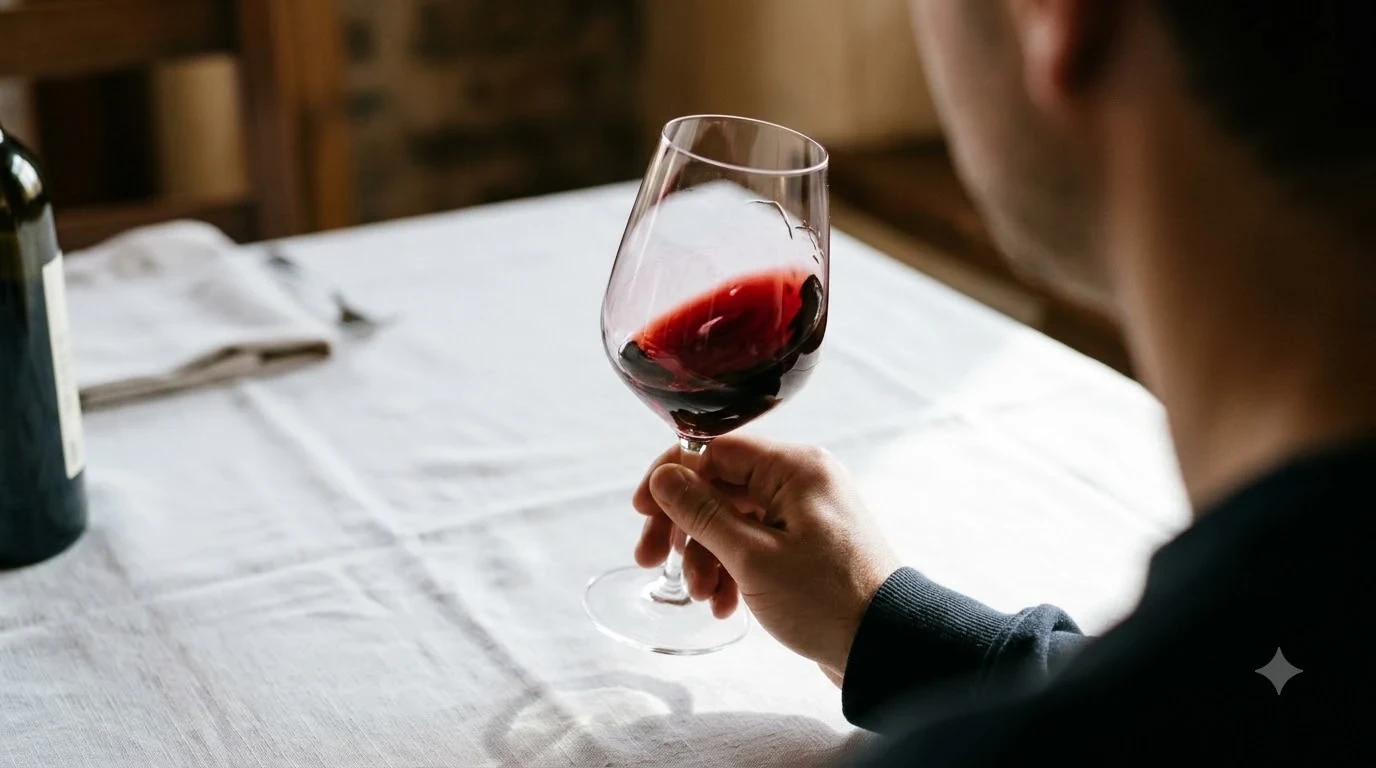
A universal or medium-bowl red glass gives the wine room to open. Pinotage can be tight when young, so decanting for up to an hour before serving is a useful step. Pour a small glass first, swirl, and taste again after ten or fifteen minutes to see how the wine has changed.
Tip: Move the bottle from a cool storage spot into the room about 15 to 20 minutes before pouring. That short rest brings it into the right temperature range without any guesswork.
Food Pairings That Work Well
Pinotage is at its best with food that has some char, smoke or richness. Grilled and roasted meats are the classic match, particularly lamb and beef, since the wine’s smoky and savory notes echo the flavors of the cooking. Mushroom dishes, hearty stews and bean-based meals also suit it well.
Tomato-based dishes are a good option because the wine’s acidity keeps the pairing fresh. Very spicy food can make the tannins feel sharper, so choose a milder curry or a dish with a sweet element when serving a bold bottle. Hard cheeses such as aged cheddar are another easy match.
How to Choose a Bottle
Start with the growing area on the label. Warm-climate bottles tend to show riper, jammier dark fruit, while cooler-site bottles are usually brighter and more lifted. If you want a gentler introduction, look for wines described as fruit-forward or unoaked. If you prefer a fuller, spicier style, choose an oak-aged bottle.
Check the producer’s tasting note for words like “jammy,” “earthy” or “smoky,” which tell you where the wine sits on the spectrum. Those notes are usually more useful than the vintage alone, since style differences between producers are often larger than the differences between years.
Common Misconceptions About Pinotage
One common assumption is that pinotage is a rustic, rough wine. That reputation comes from early bottlings, when winemaking methods were still developing and some wines showed strong volatile notes that drinkers found hard to enjoy. Modern winemaking has moved well past those years, and the better producers now use careful fermentation control and barrel selection to shape the fruit.
Another idea is that pinotage must be aged for a long time before it is ready to drink. Many bottles are made to be enjoyed within a few years of release, especially the fruit-forward styles. Wines with more oak and tannin can benefit from longer cellaring, but that depends on the producer and the vintage, so the back label or the producer’s website is the best guide.
A third assumption is that all pinotage tastes smoky. Smoke is part of the profile for many bottles, yet it is not universal. The aromas depend on the site, the ripeness of the grapes and how the wine was aged, so a cool-climate bottle may be bright and floral while a warm-climate one is dense and dark.
Frequently Asked Questions
Is pinotage the same as Pinot Noir?
No. Pinotage is a cross of Pinot Noir and Cinsault, so it is its own variety. It is usually darker, more full-flavored and firmer in tannin than most Pinot Noir, although the two share some red-fruit character.
Is pinotage a sweet wine?
Usually not. Pinotage is generally made dry, so it does not taste sweet. Read the producer’s description if you want to confirm the style of a specific bottle before buying.
What does pinotage taste like?
Expect black cherry, blackberry, fig and mint, with a possible gamey or smoky note. Oak aging can add vanilla and spice, and cooler-site wines often show brighter red fruit.
Should pinotage be served chilled?
No. Serve it at cellar temperature, around 15 to 20 °C (60 to 68 °F). Cold temperatures mute the aromas, while a warm room can make the alcohol feel prominent.
Pinotage is a good choice if you want a red bolder than Pinot Noir but not as heavy as many Cabernet blends. To explore more red varieties, start with the guide to wine by type, or compare it with baco noir wine, another red with a distinctive personality.
More in Wine Types & Grapes
 Zinfandel Sugar Content: Dry Red vs. White Zinfandel GramsUpdated Nov 21, 2026
 Best Zinfandel Substitute Options for Sipping and CookingUpdated Nov 21, 2026
 Zweigelt Food Pairing: Best Dishes, Cheeses, and Serving TipsUpdated Nov 21, 2026
 Zinfandel Tannins Explained: How Structure Shapes Every BottleUpdated Nov 21, 2026
 Zinfandel Sweetness Level: Dry Red vs. Sweet White Zin ExplainedUpdated Nov 21, 2026
 Xinomavro Food Pairing: Best Dishes, Styles, and Serving TipsUpdated Nov 21, 2026