

We may earn a commission when you buy through links on this page, at no extra cost to you. Learn more.
Nevada wine is a young, small industry built on grapes grown in the desert heat of the Great Basin, with winemaking that began in earnest in 1991 and a handful of commercial wineries in the north and south of the state. Nevada has no designated American Viticultural Areas, and growers work with high soil boron, salty soils and hard water. The state’s sunshine and low humidity help vines stay healthy, and a range of varieties from Cabernet Sauvignon to Tempranillo are grown on a small scale.
Nevada is not a region most wine drinkers think of first, but a small group of producers has built a local scene over the past three decades. This guide explains how the industry developed, what the desert climate means for the grapes, which varieties appear most often and how to choose and serve a Nevada wine or plan a tasting visit.
How Nevada’s Wine Industry Developed
Wine has been produced in Nevada since 1991, and reference sources say wine grapes have been grown successfully in both the northern and southern parts of the state since then. Early vineyards were small, and commercial production remained limited for many years. Growers and research programs have since focused on which varieties and techniques handle the state’s conditions best.
A major change came with state law. Until recently, commercial wineries were effectively barred in counties with more than 100,000 people, which included the Reno area and Las Vegas. Assembly Bill 4, passed in November 2015, changed that rule. Three wineries in Reno then filed for licenses and began making wine, and the state’s wine scene grew from there.
The Desert Climate and Its Challenges
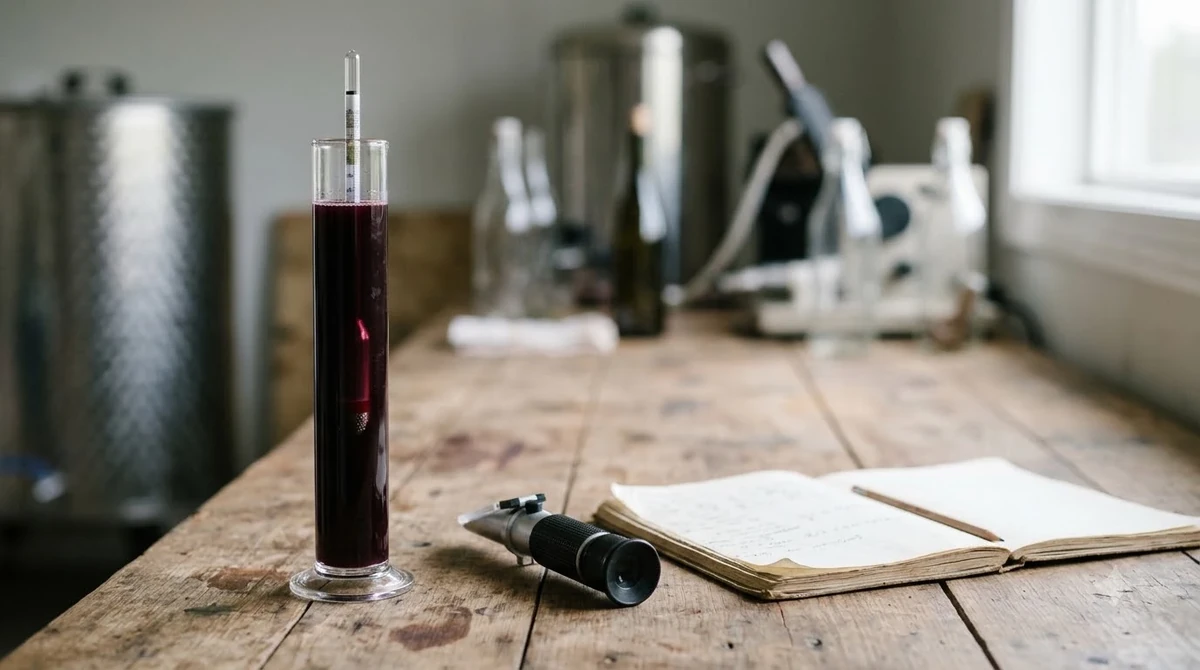
Nevada’s climate is defined by sunshine and dryness. Reference sources describe ample sunshine and low humidity, which lower the risk of rot and mildew and reduce the need for fungicide sprays. For a grape grower, that is a real advantage, because disease pressure is often the biggest cost in humid regions.
The same conditions bring their own problems. Soils can carry high levels of boron and salt, and the water is often hard, which makes growing Vitis vinifera varieties more difficult. Growers must manage irrigation carefully, and many choose rootstocks and varieties suited to these soils. Heat is another factor, because strong afternoon sun can push sugar levels up quickly, so picking times and canopy management matter as much as the choice of grape. Those decisions shape whether a Nevada wine tastes bright and balanced or tips toward heavy, warm fruit. The desert setting also means that vineyard success depends heavily on site selection and water management rather than on a single region’s name.
| Factor | How it affects Nevada grapes |
|---|---|
| Sunshine | Plenty of light supports ripening |
| Humidity | Low humidity reduces rot and mildew pressure |
| Soil boron and salinity | Can limit vine growth and fruit quality |
| Water quality | Hard water requires careful irrigation planning |
Grape Varieties Grown in Nevada
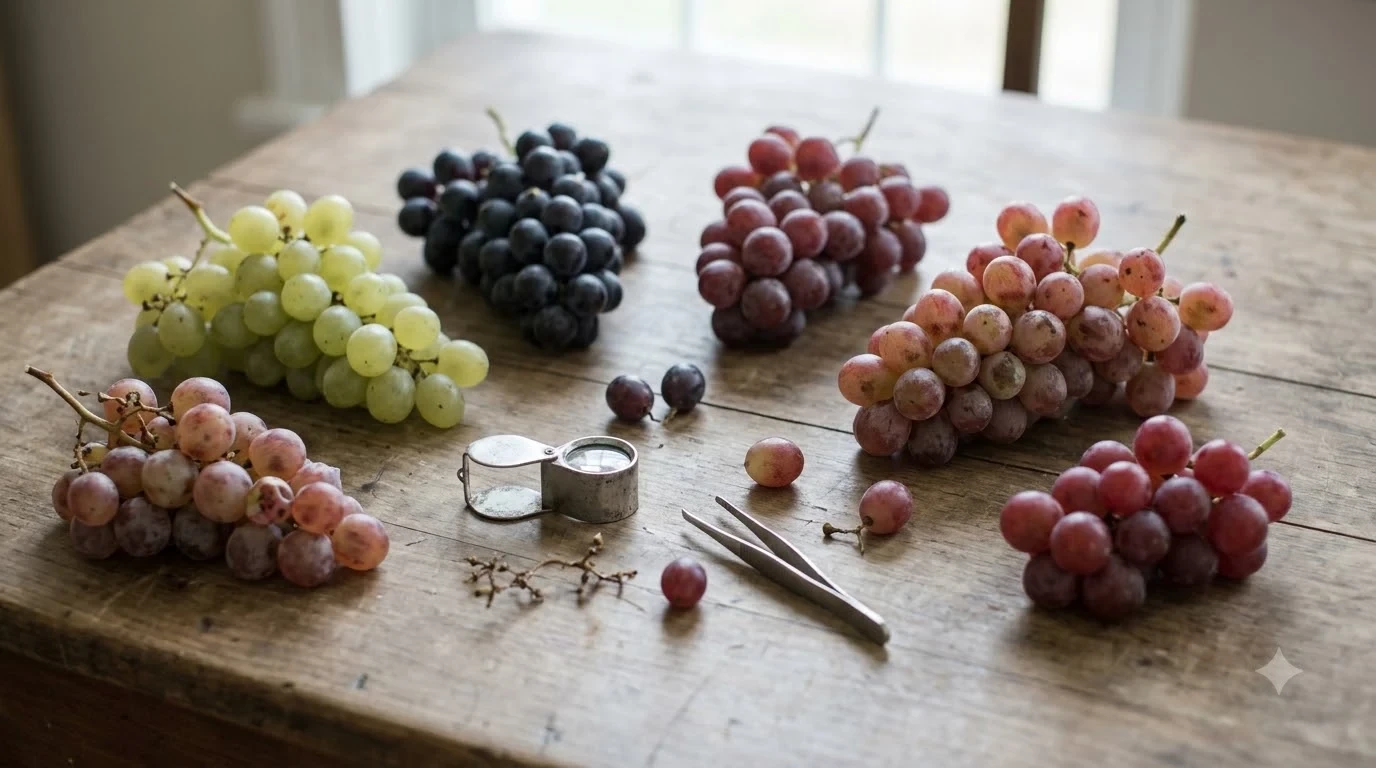
Reference sources list a broad mix of varieties, including Cabernet Sauvignon, Chardonnay, Merlot, Syrah, Zinfandel, Petite Sirah, Tempranillo and Riesling. Hybrid varieties such as Frontenac and La Crosse also appear, along with Gewürztraminer, Ruby Cabernet, Roussillon and Cinsault. The range reflects the state’s experiments with what grows well across different sites.
Red wines tend to get the most attention, because the desert sun can build rich fruit and firm structure. Cabernet Sauvignon and Syrah are among the varieties most often named in state sources. Chardonnay, Riesling and Semillon cover the white side of the list, and their brighter acidity can help balance the heat of the climate.
Wineries, Research and Visiting Nevada
The number of commercial wineries in Nevada is small, and reference sources give different counts depending on how they are tallied, so check current listings before you plan a visit. Several of the state’s wineries are in the Reno area, where the 2015 law opened the way for new producers. Tasting rooms and events may be limited, so call ahead to confirm hours and tour availability.
Research also plays a part in the story. The University of Nevada, Reno operates Valley Road Vineyard, where researchers have studied which varieties and techniques suit the state. Instructional winemaking facilities like this one can operate in any county, but they are limited in how much wine they may sell in a year. That research helps growers learn from one another, and it gives visitors a sense of how the industry is testing its limits.
Tip: Ask tasting staff which vineyards their fruit comes from. In a state with few wineries and a wide range of soils, knowing the site helps explain why a wine tastes the way it does.
How to Choose and Serve a Nevada Wine
Start by checking the variety and the producer. Many Nevada reds are built on Cabernet Sauvignon, Syrah or Zinfandel, so they tend toward bold fruit and firm structure. Whites like Chardonnay and Riesling offer a fresher style. If you are unsure, a tasting flight is the easiest way to learn which varieties you enjoy from a local producer.
Read the label for the vintage and the appellation line. Since Nevada has no designated American Viticultural Areas, labels usually point to the state, the producer or the grape rather than a named sub-region. That means the winery’s own notes, the vintage and the varietal are the best clues to the style. A winery that describes its vineyard sites in detail is often a good sign that the producer knows how the desert setting shapes its fruit.
For serving, Wine Folly’s Cabernet Sauvignon guide suggests serving full-bodied reds at 60 to 68 degrees Fahrenheit, with an oversized glass and about an hour of decanting for younger bottles. Those general guidelines apply well to Nevada reds, which often carry the ripe fruit and firm tannins that benefit from air. Serve whites chilled, and check the label for the vintage, since young wines can be more vivid than older ones.
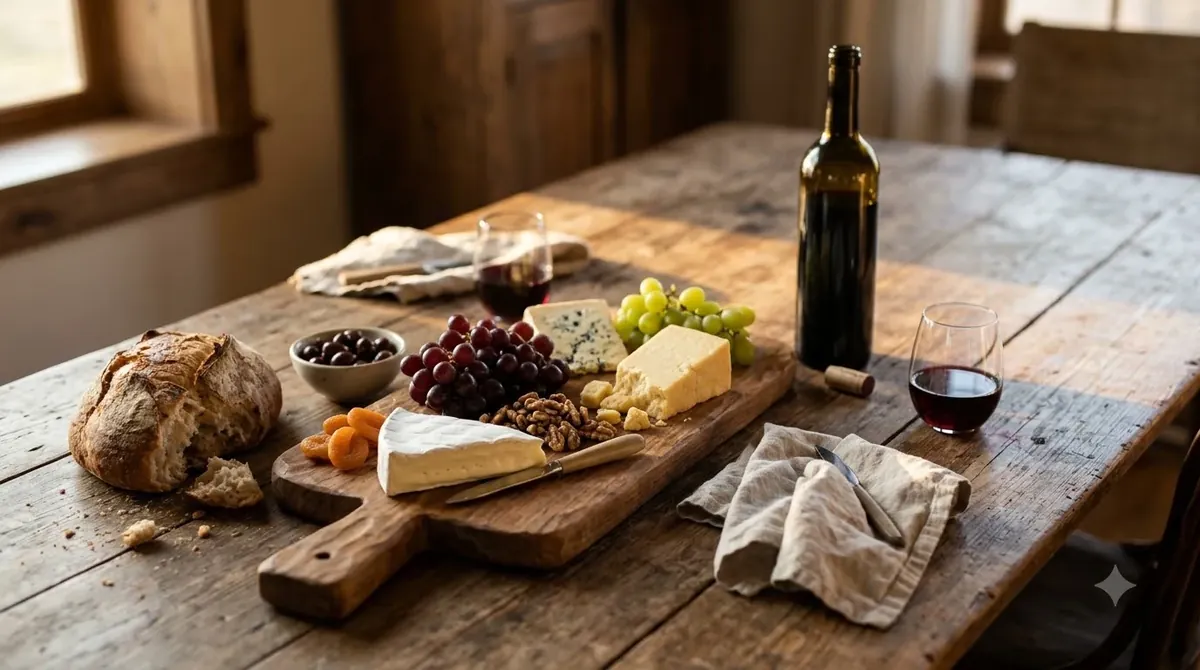
Pairing is straightforward. Bold reds suit grilled meats, peppery sauces and dishes with rich fat, while crisp whites pair with fish, salads and lighter cheeses. Because many Nevada wines are made in small batches, buy when you find a bottle you like, since stock at the winery can disappear quickly.
Frequently Asked Questions
Does Nevada produce wine?
Yes. Wine has been produced in Nevada since 1991, and grapes are grown in both the northern and southern parts of the state. The industry is small, with a limited number of commercial wineries.
Does Nevada have American Viticultural Areas?
Reference sources state that Nevada has no designated American Viticultural Areas. Labels usually name the producer and the grape or the state, so the winery is the most useful guide when choosing a bottle.
Which grapes grow best in Nevada?
Growers work with a broad range of varieties, including Cabernet Sauvignon, Syrah, Merlot, Zinfandel, Chardonnay and Riesling. Results depend on the site, the soil and irrigation, so the best variety for one vineyard may not suit another.
Why is growing grapes hard in Nevada?
Soils can carry high levels of boron and salt, and the water is often hard. Those factors make careful irrigation and site selection important, especially for Vitis vinifera varieties.
Nevada wine is a young industry with a lot to explore. Start with a flight at a local tasting room to see which varieties suit you, then try a bottle at home with a simple grilled dinner. For a wider look at how climate shapes wine styles, the wine regions guide explains the factors behind many of the world’s best-known wine areas, and if you are comparing states, the Fredericksburg wine festival shows how regional events are organized elsewhere.
More in Wine Regions
 Willcox Wine Trail: Discover Arizona’s High-Elevation Wine CountryUpdated Nov 20, 2026
 Yakima Valley Wine Region: Find the Best Styles to TryUpdated Nov 20, 2026
 Vosne Romanee Wine Tasting: Identify Aromas and Choose Better PairingsUpdated Nov 20, 2026
 Yakima Valley Wine Festival: Find the Best Seasonal Wine EventsUpdated Nov 20, 2026
 Wales Vineyards: Discover Cool-Climate Wines and Where to VisitUpdated Nov 20, 2026
 Yountville Wine Festival: Discover Napa Wines and Local FoodUpdated Nov 20, 2026