

We may earn a commission when you buy through links on this page, at no extra cost to you. Learn more.
A chardonnay cocktail is a mixed drink built on chardonnay as the base, and the style of the wine, from crisp and unoaked to rich and oaked, decides which ingredients work best. Chardonnay is a fairly neutral grape, so the vineyard and the winemaking shape most of its flavour. That makes it adaptable in a glass, but it also means the choice of bottle matters more than many people expect.
Chardonnay is usually poured on its own, yet it can also serve as the foundation for spritzes, light punches and simple highballs. Whether you are mixing for a summer lunch or trying to use up an open bottle, the logic is the same: match the wine’s acidity, body and oak character to the other ingredients. This guide explains how the grape’s style guides that choice and which kinds of drink tend to work.
Why chardonnay suits mixing
Chardonnay is grown in many climates. The Wikipedia entry on chardonnay describes the grape as fairly neutral, which means its flavour depends heavily on terroir and oak. A neutral base gives a cocktail room to work, so the wine rarely overwhelms the other ingredients when used with restraint.
Acidity is the second reason. In cool climates, chardonnay has noticeable acidity and a medium to light body, and the wine can taste flabby when acidity is low. That brightness is useful in a mixed drink, because it lifts fruit, herbs and sparkling water instead of sitting flat in the glass.
How oak changes the drink
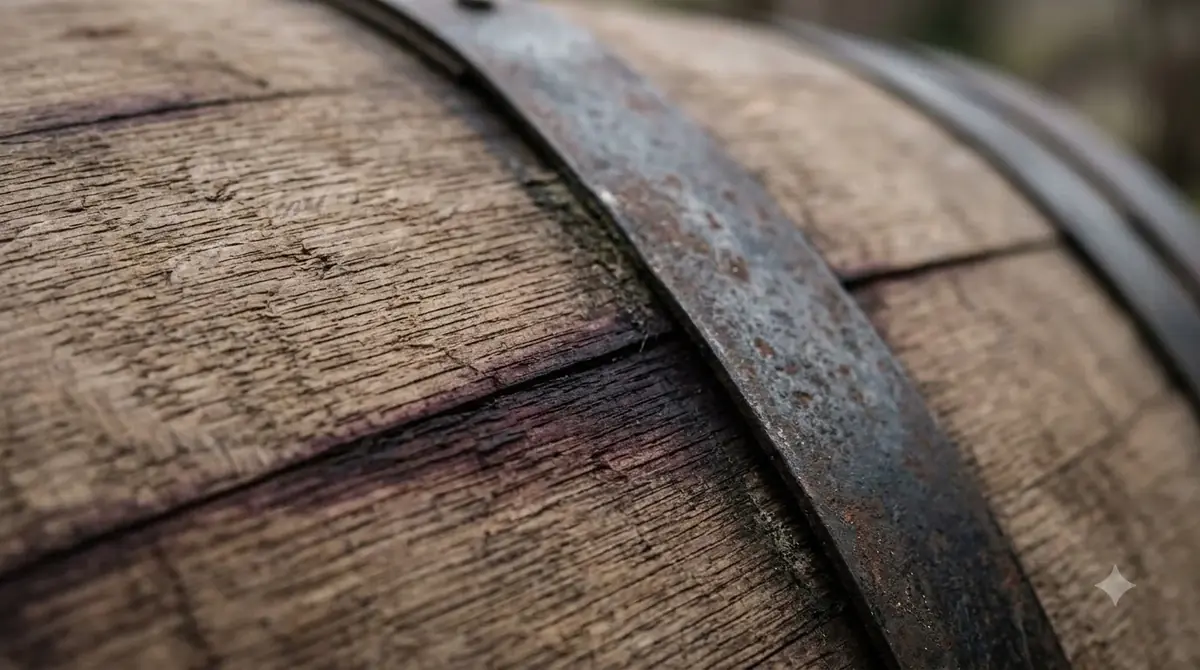
Oak is the biggest variable. According to the Wikipedia entry, oak adds flavours such as caramel, vanilla and smoke, and many drinkers take those notes as part of the grape’s character. Early California chardonnays moved toward rich, buttery and oaked styles, while some cooler regions produce crisp, less oaked wines with lime notes.
For a cocktail, the difference is practical. An unoaked or lightly oaked chardonnay tends to suit spritzes and fresh drinks, where its acidity and fruit come forward. A heavily oaked chardonnay has more weight and can work in a richer, slower drink, but it may crowd out delicate ingredients such as herbs or soda. Tasting the wine on its own before mixing is a simple way to judge which style you have.
Types of chardonnay drinks
Most chardonnay cocktails fall into a few families. The first is the spritz, where chilled wine is lengthened with sparkling water or a light soda and finished with fruit or herbs. The second is the punch, where wine is combined with fruit, a little sweetener and sometimes a splash of spirit. The third is the highball-style drink, where a modest pour of wine is served tall over ice.
Each family works with different bottles. A crisp, unoaked chardonnay is the usual choice for spritzes because the lighter body keeps the drink refreshing. A slightly richer bottle can carry a punch with stone fruit, though the sweetness should be set by the fruit rather than by heavy syrup.
| Chardonnay style | What it contributes | Drink types that suit it | What to watch |
|---|---|---|---|
| Crisp and unoaked | Acidity, green apple and citrus notes, light body | Spritzes, light highballs | Can taste thin if the mix is too watery |
| Lightly oaked | Balanced fruit with a little toasty texture | Punches, fruit-forward drinks | Sweeteners can overwhelm the wine |
| Rich and oaked | Caramel, vanilla and smoke, fuller body | Slower, richer drinks with fruit | Heavy oak can clash with herbs and bubbles |
Tip: chill the wine well before mixing. A cold base keeps a spritz crisp and slows dilution from ice, which matters more with a light, unoaked bottle.
Building a balanced chardonnay drink
A good chardonnay drink balances the wine with one or two other elements rather than many. Fresh fruit such as pear, apple, peach or citrus pairs well with the grape’s natural fruit. Herbs like mint or basil add lift without covering the wine, and a splash of sparkling water adds lightness. Sweetness is best kept modest, so the fruit and the wine’s own character stay in focus.
Glassware affects the result more than many people expect. A wide wine glass lets aromas reach the nose, which suits a spritz with herbs. A tall glass keeps bubbles longer and suits a highball-style drink. Garnishes should match the fruit already in the drink: a thin slice of the same fruit, or a sprig of the herb you used, looks deliberate and adds aroma without extra sweetness.
When you are unsure about proportions, start with the wine and taste it on its own, then add one ingredient at a time. Tasting after each addition shows whether the drink is getting too sweet, too flat or too heavy, so the adjustment is small and controlled. This method also helps you learn how a particular bottle behaves, which matters because chardonnay styles vary widely from one producer to another.
Ice is part of the recipe too. Enough ice keeps the drink cold without diluting it too far, and a large cube melts more slowly. For drinks served over ice, pouring the wine first and then adding the mixers lets you judge the balance as you go.
Pairing chardonnay cocktails with food
Chardonnay cocktails suit the same kinds of food as the wine itself: soft cheeses, poultry, seafood, light salads and dishes with citrus. A fruit-forward spritz works well with grilled chicken or a shellfish platter, while a richer oaked chardonnay punch can stand up to roasted pork or creamy pasta. Matching the drink’s brightness to the food’s richness keeps both in balance.
Desserts are a less obvious match. Fruit-based desserts often work with a chardonnay punch, especially one made with stone fruit. Richer desserts call for a slightly sweeter drink, so the wine does not taste sharp next to them.
Common mistakes to avoid
The most common mistake is using a heavily oaked chardonnay in a delicate spritz. The oak flavour can clash with bubbles and herbs, leaving the drink tasting heavy. Another frequent error is adding too much sweetener, which hides the wine’s acidity and makes the drink cloying. A third is over-diluting the drink with melted ice, which flattens the flavour of both the wine and the fruit.
Storage affects the result as well. An open bottle of chardonnay loses freshness over a few days, and a tired wine makes a flat cocktail. Using a fresh bottle, or pouring from a smaller one, helps the drink taste the way it should.
Frequently Asked Questions
What kind of chardonnay is best for a cocktail?
A crisp, lightly oaked or unoaked chardonnay is the usual choice for mixing. Its acidity and fresher fruit stay clear in a spritz or punch, while heavily oaked styles can overpower lighter ingredients.
Can I use a leftover bottle of chardonnay in a drink?
Yes, as long as the wine is still fresh and tastes clean on its own. Chardonnay that has been open for several days loses brightness, so a cocktail made with it may taste flat. Test the wine before mixing.
Does oak matter in a chardonnay cocktail?
Yes. According to the Wikipedia entry on chardonnay, oak adds caramel, vanilla and smoke notes. Those flavours can suit a richer drink, but they often clash with the fresh herbs and bubbles used in lighter cocktails.
Should a chardonnay cocktail be sweet?
Usually only lightly sweet. The fruit in the drink can provide most of the sweetness, and heavy syrup tends to hide the wine’s acidity. Taste the wine before adding any sweetener so the balance stays clear.
Chardonnay makes a flexible base for cocktails because its neutral flavour and acidity respond well to fruit, herbs and bubbles. Choose the style first, since crisp and oaked wines suit different drinks, and keep the sweetness and ice in check. For related ideas, read chardonnay sangria or chardonnay carbs, or browse the wine by type guide.
More in Wine Types & Grapes
 Zinfandel Sugar Content: Dry Red vs. White Zinfandel GramsUpdated Nov 21, 2026
 Best Zinfandel Substitute Options for Sipping and CookingUpdated Nov 21, 2026
 Zweigelt Food Pairing: Best Dishes, Cheeses, and Serving TipsUpdated Nov 21, 2026
 Zinfandel Tannins Explained: How Structure Shapes Every BottleUpdated Nov 21, 2026
 Zinfandel Sweetness Level: Dry Red vs. Sweet White Zin ExplainedUpdated Nov 21, 2026
 Xinomavro Food Pairing: Best Dishes, Styles, and Serving TipsUpdated Nov 21, 2026