

We may earn a commission when you buy through links on this page, at no extra cost to you. Learn more.
The Illinois wine trail is a network of five named wine trails across the state, from the Shawnee Hills in the south to the river valleys of the north and west. The trails are built around hybrid grapes suited to a cold, humid climate, and the state’s wineries have grown quickly over the past two decades. A trip along an Illinois wine trail gives you a regional tour of rolling hills, river towns, and small family-run cellars.
This guide explains how the Illinois wine trails are organized, which grapes define the local style, and how to plan a visit. It also covers the history behind the state’s wine industry so you know what to expect at each stop.
What the Illinois Wine Trail Is
An Illinois wine trail is a driving route that links wineries, vineyards, and tasting rooms within a set area. According to the Wikipedia article on Illinois wine, the state currently has five named trails: Carlyle Lake, Heart of Illinois, Mississippi Valley, Shawnee Hills, and Wabash Valley. The article also names several other routes, including the Northern Illinois Wine Trail and the Illinois River Wine Trail, which overlap with the larger regions.
Each trail follows a different landscape. Some pass near reservoirs and state parks, some follow the Mississippi River, and others run through the Shawnee Hills in the southern part of the state. Because the trails are organized by geography, the best way to plan is to pick one region, choose a few wineries inside it, and then add a second region if you have time.
Wine Regions and Trails
The state’s wine geography is shaped by two American Viticultural Areas, which are federally recognized growing regions. The Wikipedia article on Illinois wine reports that the Shawnee Hills AVA became Illinois’s first AVA in December 2006. At that time it had 15 wineries and 55 vineyards. The Upper Mississippi River Valley AVA was established in 2009 and covers about 19.1 million acres across northwest Illinois, northeast Iowa, southeast Minnesota, and southwest Wisconsin. The Wikipedia article calls it the largest AVA in the country by area.
The Northern Illinois Wine Trail runs through the Galena subdistrict of the Upper Mississippi Valley AVA. The Mississippi Valley trail follows the river, and the Shawnee Hills trail covers the hills that gave the first AVA its name. Those differences in soil and elevation help explain why the wines vary from one trail to another.
| Trail | General area | What to plan for |
|---|---|---|
| Carlyle Lake | Central-south Illinois, near the reservoir | Lakeside tasting rooms and outdoor seating |
| Heart of Illinois | Central Illinois | A good base for a multi-stop day trip |
| Mississippi Valley | Along the Mississippi River | River towns, scenic drives, and cold-climate hybrids |
| Shawnee Hills | Southern Illinois hills | The original AVA, with hilly vineyards and small estates |
| Wabash Valley | Eastern-southern Illinois, along the Wabash | Fewer crowds and a quieter pace |
Grape Varieties and the Local Style
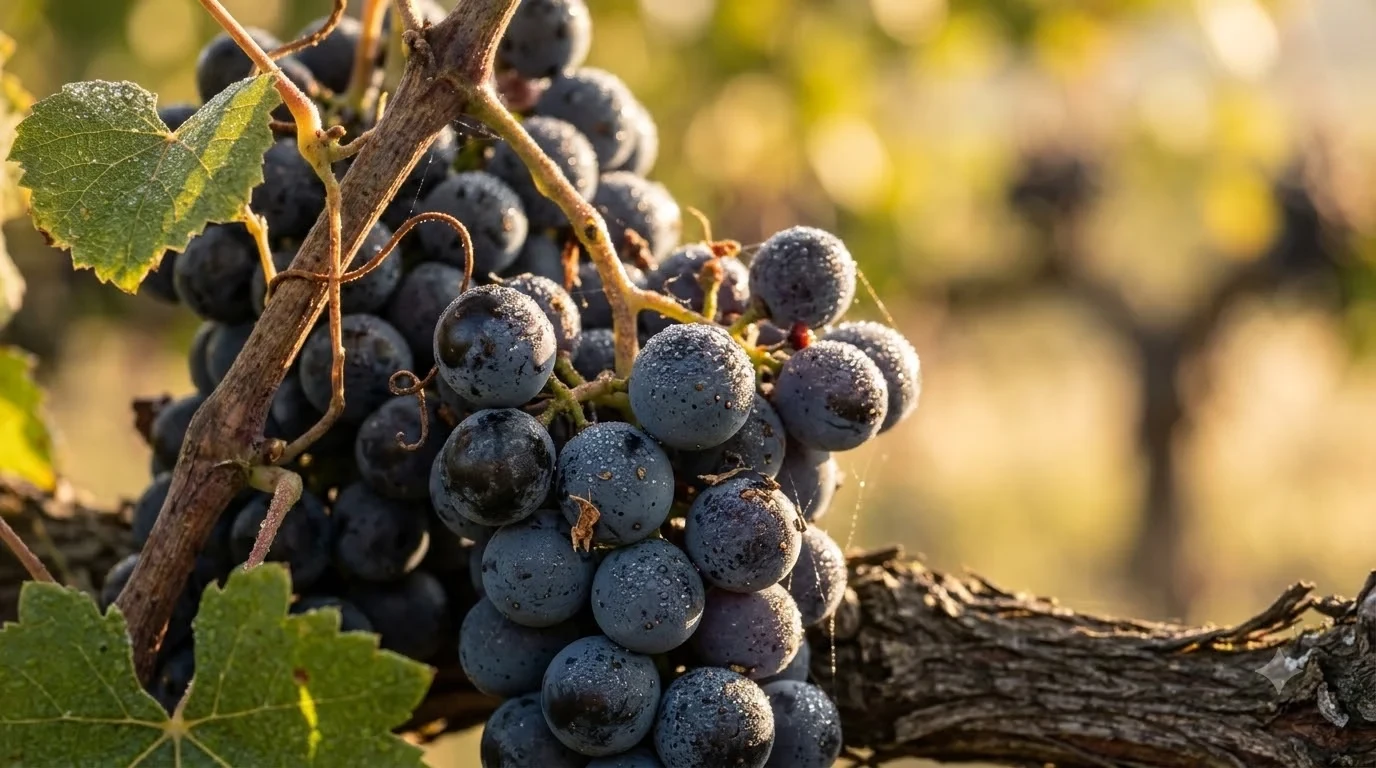
Illinois wine is built on hybrid and native American grapes that handle winter cold and humid summers better than most European vinifera. The Wikipedia article reports that in 2004, twelve varieties accounted for 89 percent of the harvested grape area. The most widely grown were Chardonel, Chambourcin, Vignoles, Traminette, Concord, and Foch, followed by Seyval, Norton, Vidal blanc, Frontenac, Niagara, and Cayuga White.
Those grapes shape the flavors you will find in a tasting room. Whites such as Vignoles and Traminette often show floral and stone-fruit notes, while Chambourcin and Norton bring darker red-fruit character. Concord, the grape best known for juice and jelly, appears in sweeter styles. If you are used to California or Bordeaux, expect a different balance of fruit and acidity, and ask the staff which hybrid they recommend for your taste.
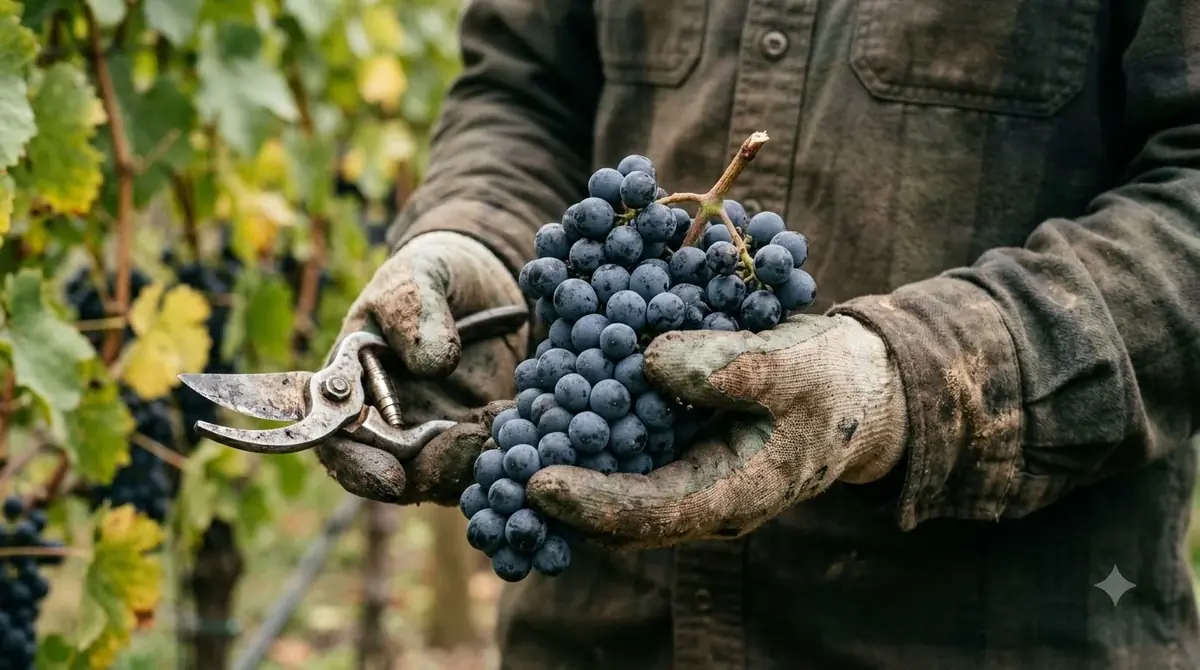
Tip: Hybrid wines are often labeled by grape name, so check the label to see whether a bottle is a single variety or a blend before you buy.
Wineries and the Size of the Industry
The number of wineries has grown steadily. The Wikipedia article gives figures of 3 wineries in 1985, 12 in 1997, 63 in 2004, and 79 in 2008. It also reports that as of 2025, 174 wineries were working with 529 acres of grape arbors and producing 651,800 US gallons of wine a year. The infobox in the same article still lists the older 79-winery figure, so the newer number is the one to use for current planning.
That growth matters for visitors. More wineries means more choice, but it also means some tasting rooms are small and open on limited days. Check hours before you travel, and plan to visit two or three wineries per day rather than trying to cover a whole trail in one afternoon.
A Short History of Illinois Wine
Grapes have been grown in Illinois for more than 150 years, with early vineyards around Nauvoo on the Mississippi River. The Wikipedia article notes that the oldest recorded Concord vineyard in the state was planted in 1851 in Nauvoo State Park. By 1880, the town had more than 600 acres of grapes and 40 wine cellars. The oldest surviving family-owned vineyard is also in Nauvoo, planted by Emile Baxter after he arrived in 1855. After Prohibition, the Baxter family winery became Illinois’s first bonded winery.
Modern growth began later. Guy Renzaglia founded Alto Vineyards in the Shawnee Hills in 1982. In 2016, Southern Illinois University Carbondale announced plans for a degree-granting program in fermentation sciences, which reflects how much the industry has expanded. The state’s wine sector is now a significant part of rural tourism along the trails.
How to Plan a Visit
Choose one trail and build your route around its wineries. Check each tasting room’s hours, since many are open only on weekends or during the warmer months. Ask about tasting fees and group sizes before you go. If you plan to drive between stops, designate a driver or book a shuttle, and keep your visit moderate. The Wikipedia article lists the trail names, which is a good starting point for a regional map. For a comparison, the Missouri wine trail, the Tennessee wine trail, and the Ohio wine trail follow similar patterns of small farm wineries and river or hill country routes.
For a wider look at how the state fits into the American wine map, see the Wine Regions guide. It explains how growing regions differ from state to state and why cold-climate grapes matter outside California.
Frequently Asked Questions
How many wine trails are there in Illinois?
The Wikipedia article on Illinois wine lists five named trails for 2025: Carlyle Lake, Heart of Illinois, Mississippi Valley, Shawnee Hills, and Wabash Valley. It also mentions other routes, such as the Northern Illinois Wine Trail and the Illinois River Wine Trail.
What grapes are grown on the Illinois wine trail?
Most vineyards grow hybrid and native American grapes. The most common varieties include Chardonel, Chambourcin, Vignoles, Traminette, Concord, and Foch, which handle the state’s cold winters better than many European varieties.
When is the best time to visit Illinois wineries?
Late spring through fall is the most popular period because outdoor seating and river or lake views are at their best. Many tasting rooms have longer hours on weekends, so check the schedule for each winery before you travel.
Do I need a reservation to visit an Illinois winery?
Policies vary by winery. Small estates may require an appointment, especially for group tastings or tours, while larger tasting rooms usually take walk-ins. Calling ahead is the simplest way to confirm.
An Illinois wine trail trip works best when you treat it as a regional day out rather than a checklist. Pick one trail, plan two or three stops, and taste the hybrid styles that define the state. The variety of landscapes and wineries means each visit can feel different, and the trail rewards travelers who slow down.
More in Wine Regions
 Willcox Wine Trail: Discover Arizona’s High-Elevation Wine CountryUpdated Nov 20, 2026
 Yakima Valley Wine Region: Find the Best Styles to TryUpdated Nov 20, 2026
 Vosne Romanee Wine Tasting: Identify Aromas and Choose Better PairingsUpdated Nov 20, 2026
 Yakima Valley Wine Festival: Find the Best Seasonal Wine EventsUpdated Nov 20, 2026
 Wales Vineyards: Discover Cool-Climate Wines and Where to VisitUpdated Nov 20, 2026
 Yountville Wine Festival: Discover Napa Wines and Local FoodUpdated Nov 20, 2026