

We may earn a commission when you buy through links on this page, at no extra cost to you. Learn more.
Muscadine wine is a wine made from muscadine grapes, a native North American species that grows well in the warm Southeast. Most bottles are sweet, with bold, musky, and fruity flavors that set them apart from European-style wines. Dry and off-dry versions exist, but they are less common, and muscadine is best served well chilled.
If you have seen a bottle labeled muscadine on a shelf in the Southern United States, you may wonder how it differs from the familiar wines of Europe. The answer starts with the grape itself. Muscadine is not the same species as the grapes used for most of the world’s wine, and that changes the flavor, the sugar, and the way the wine is made. This guide covers what muscadine is, how the wine tastes, and how to serve and pair it.
What Muscadine Is and Where It Grows
Muscadine is a grape species, Vitis rotundifolia, that grows naturally in North America. Most wine grapes come from Vitis vinifera, a European species, and the two are quite different. Muscadine vines handle heat, humidity, and many of the pests and diseases that trouble European vines, which is why the grape has long been grown in the southeastern United States.
The berries are round and grow in loose clusters rather than the tight bunches of most wine grapes. The skins are thick, and they carry a high concentration of polyphenols, the natural compounds that give color and antioxidant character to wine. Those thick skins are part of what makes muscadine distinctive, and they also make the grape a challenge to turn into a balanced wine.
Muscadine comes in several color varieties. Bronze or dark skins produce red and rose wines, while lighter skins make white or golden wine. The color of the skin does not decide the sweetness, though, and winemakers choose their style based on the fruit and the market they serve.
How Muscadine Wine Tastes
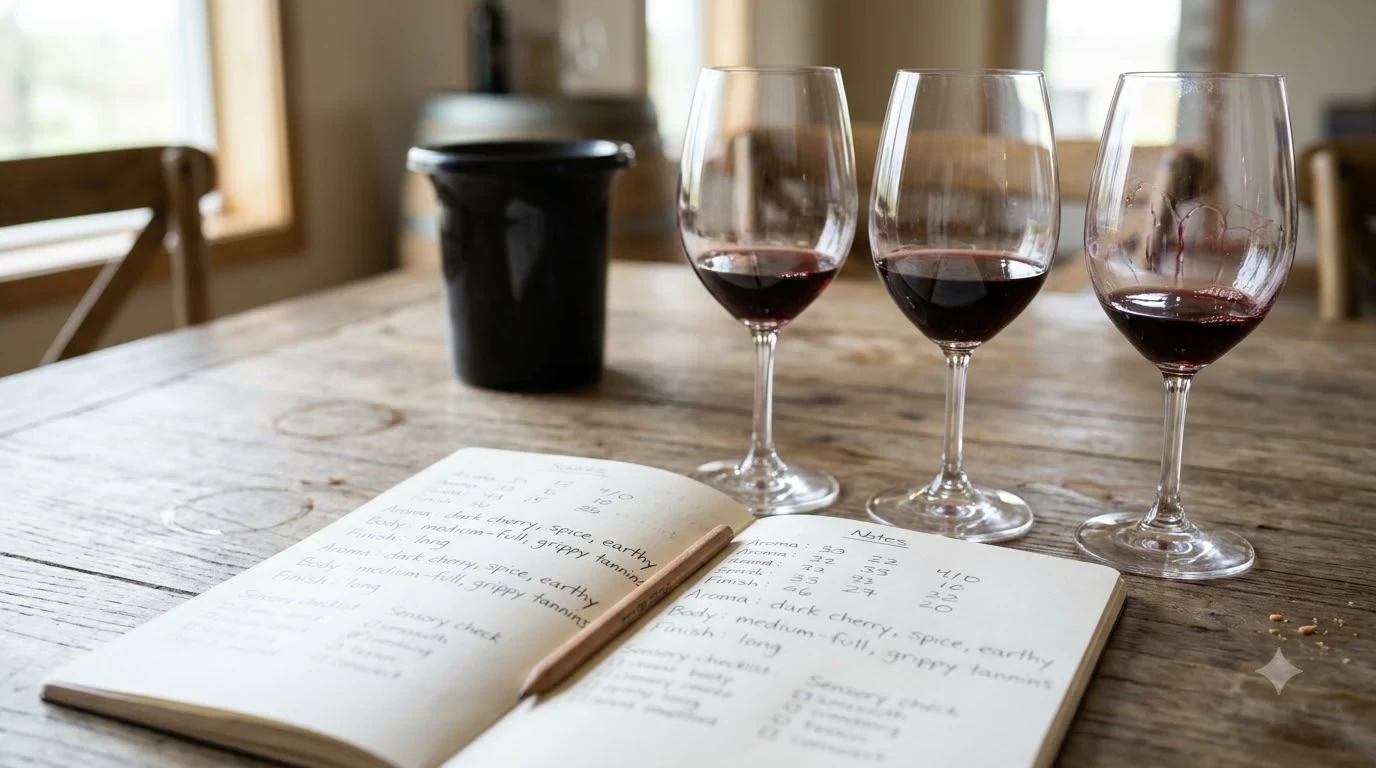
Muscadine wine has a bold, distinctive flavor that many people describe as musky or grapey, with a floral character that sits on top of the fruit. The taste is far from the subtle profile of a Riesling or a Pinot Grigio, and that boldness is part of its appeal for people who want a wine with a clear personality.
Flavor notes vary by color and by producer. White and golden muscadine often shows ripe banana, yellow apple, and lime peel, sometimes with honey in the background. Red muscadine tends toward cranberry and red berry character, with notes that can read as strawberry or cherry. Some reviewers also mention a rubber-like or cement-like note in the finish, which reflects the grape’s unusual aromatic makeup and divides drinkers who love the style from those who do not.
Sweetness is the main thing to understand. Most muscadine wine is made sweet, and winemakers often add sugar or stop fermentation early to keep the wine sweet. A common reason is that the thick skin gives a bitter edge, and sweetness helps balance it. Dry muscadine exists, but it is harder to find and often tastes sharper and more tannic than sweet bottles do.
Muscadine Compared with Other Sweet Wines
People who enjoy sweet wine often compare muscadine with moscato. Both are fruity and often sweet, and both are popular with drinkers who prefer lighter, easy-to-sip styles. The main difference is the grape. Moscato is made from the European Muscat family, which gives a floral, orange-blossom profile and a light body. Muscadine has a heavier, more musky character and a noticeably bolder aroma.
Muscadine is also different from the dry reds that dominate many wine lists. A cabernet sauvignon is built on tannin, dark fruit, and oak, and it pairs with steak and aged cheese. Muscadine works best when the sweetness and fruit are the focus, so it fits a different kind of meal and a different mood. For a closer look at a classic red for comparison, read our cabernet sauvignon wine guide.
Think of muscadine as a regional specialty rather than a stand-in for a more familiar wine. Its character comes directly from the native grape, and that makes it a good choice for drinkers who want to try something new from the American South.

How to Serve and Pair Muscadine Wine
Serving temperature has a large effect on how sweet and bold muscadine tastes. A wine served too warm can feel heavy and syrupy, while a chilled glass keeps the fruit crisp and the sweetness in balance. Most guides recommend serving it cellar cold, and the chilled range is roughly 45 to 50 degrees Fahrenheit.
Glassware can help. A universal wine glass, with a bowl wide enough to show the aroma, lets the musky notes come forward without overwhelming the nose. Some sources also suggest decanting for about 30 minutes, which softens the bold aromas and gives the wine a chance to open.
Food pairings tend to favor bold, savory, or sweet dishes. Spicy barbecue, fried Southern dishes, and salty snacks pair well because the sweetness cuts through the richness. Desserts with fruit and custard are a natural match, and a trifle with fruit, custard, and a splash of brandy is a classic choice that works well with sweeter bottles.
| Style | Typical flavor | Best served with |
|---|---|---|
| Sweet white or golden | Ripe banana, yellow apple, honey | Fried chicken, light desserts |
| Sweet red | Cranberry, strawberry, red berry | Spicy barbecue, cheese plates |
| Dry or off-dry | Sharper, more tannic, less fruit-forward | Grilled meats, hearty savory dishes |
Tip: Chill the bottle for about an hour before serving. Muscadine tastes brighter cold, and the sweetness feels balanced rather than heavy.
How to Choose a Muscadine Wine
Start with the sweetness on the label, since many muscadine bottles state whether they are sweet, semi-sweet, or dry. If you are new to the style, a sweet bottle is the easiest entry point, and a sweet red is often the most approachable. Drinkers who want to test the flavor first can look for a bottle that is described as semi-sweet, which gives a gentler introduction.
Check the color next. Red and rose versions tend to show brighter berry flavors, while white and golden versions highlight the tropical and orchard fruit notes. Neither choice is better in general, so pick the color that matches the food you plan to serve.
Finally, read producer notes carefully. Because muscadine is a niche style, the flavor can vary a lot between wineries, and a short tasting description from the producer or a reputable reviewer will tell you more than the grape name alone.
Frequently Asked Questions
Is muscadine wine sweet?
Most muscadine wine is sweet. The thick skins of the grape can taste bitter, so winemakers often balance them with sugar. Dry and off-dry muscadine wines do exist, but they are less common and usually have a sharper, more tannic character.
What does muscadine wine taste like?
It has a bold, musky, grapey flavor with floral notes. White versions often show banana, yellow apple, and honey, while red versions lean toward cranberry and red berry. The style is distinctive and not very similar to most European wines.
Is muscadine wine the same as moscato?
No. Moscato is made from a European Muscat grape and tends to be floral and light. Muscadine comes from a native North American species, so its flavor is heavier and more musky, even though both are often sweet.
How should I serve muscadine wine?
Serve it well chilled, around 45 to 50 degrees Fahrenheit, in a glass with a bowl wide enough to show the aroma. It pairs well with spicy barbecue, fried Southern dishes, and fruit desserts.
Muscadine is a wine with a clear regional identity, and it rewards drinkers who are curious about flavors outside the usual European lineup. To learn more about the grape itself, read our muscadine grape guide, then compare the sweeter styles in our moscato wine article. For a broader view of how it fits among the other varieties, visit the Wine by Type section, and for the grape’s native background, the Wine Folly muscadine grape profile is a useful reference.
More in Wine Types & Grapes
 Zinfandel Sugar Content: Dry Red vs. White Zinfandel GramsUpdated Nov 21, 2026
 Best Zinfandel Substitute Options for Sipping and CookingUpdated Nov 21, 2026
 Zweigelt Food Pairing: Best Dishes, Cheeses, and Serving TipsUpdated Nov 21, 2026
 Zinfandel Tannins Explained: How Structure Shapes Every BottleUpdated Nov 21, 2026
 Zinfandel Sweetness Level: Dry Red vs. Sweet White Zin ExplainedUpdated Nov 21, 2026
 Xinomavro Food Pairing: Best Dishes, Styles, and Serving TipsUpdated Nov 21, 2026