

We may earn a commission when you buy through links on this page, at no extra cost to you. Learn more.
Georgia wine comes from the country of Georgia in the Caucasus, which has one of the oldest winemaking traditions in the world. Its best-known wines are made from Saperavi and Rkatsiteli, often in clay vessels called qvevri. The main wine region is Kakheti in the east, and the second-largest is Kartli around Tbilisi. This guide covers the country, not the U.S. state of Georgia.
Georgian wine is unusual because its traditions are old, its grape list is long and its methods differ from most of the wine world. Many bottles on shelves in the United States are dry and made in a modern style, while others follow techniques that date back thousands of years. This guide explains the history, grapes, regions and styles you are most likely to meet, so you can choose a bottle with confidence. For a broader view of how place shapes a wine, see our Wine Regions section.
A Winemaking Tradition About 8,000 Years Old
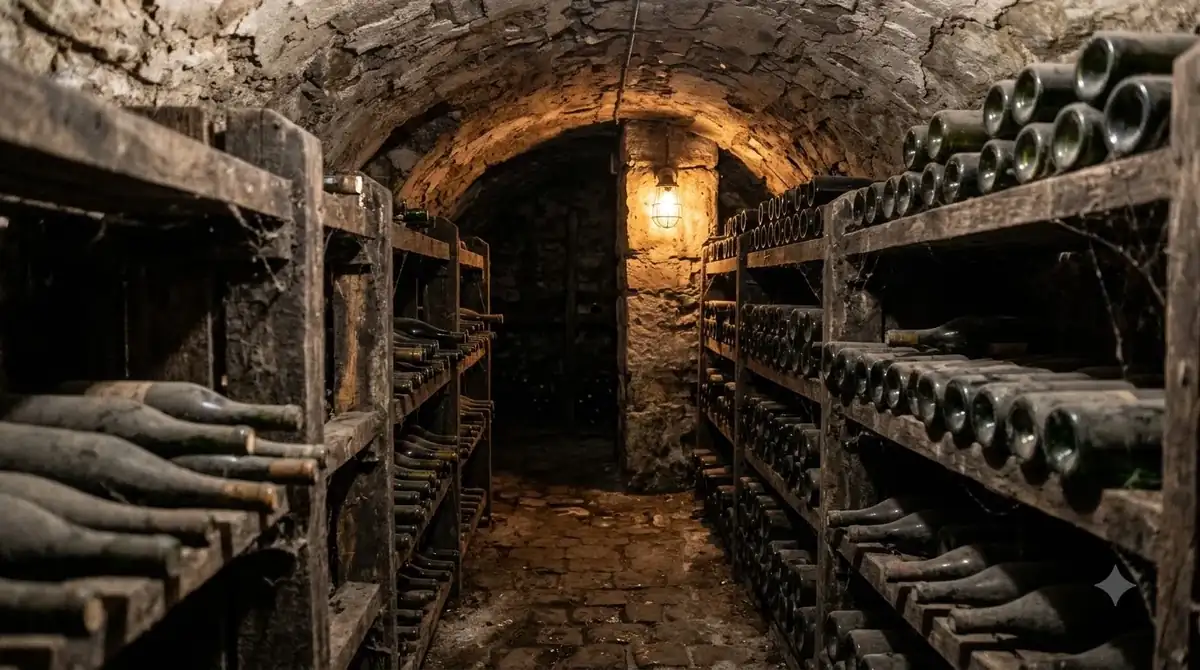
Georgia is often described as one of the birthplaces of winemaking. In 2017, archaeologists reported finding clay pot fragments with grape-wine residues, which pushed the tradition back roughly 8,000 years. Winemaking has continued in the country since then, and it remains closely tied to family life, feasts and local identity.
The qvevri method was recognized by UNESCO as intangible cultural heritage in 2013. That recognition reflects how central the technique is to Georgian culture, not just to the wine itself. Many producers still use qvevri today, while others blend traditional and modern methods in the same cellar.
How Qvevri Winemaking Works
A qvevri is a large, egg-shaped clay vessel that is usually buried up to its neck in the ground. The vessel is coated inside with beeswax, and the surrounding earth keeps temperatures steady during fermentation and aging. Grapes, including their skins and sometimes stems, are placed in the vessel, and fermentation often continues for about six months.
The result is often an amber wine, which is a white wine fermented on its skins. Traditional Kakhetian amber wines tend to have a firm, tannic texture and aromas of dried apricot, orange peel, nuts and spice. In Imereti, in western Georgia, a variant with less skin contact produces lighter and more delicate amber wines. If you have only tasted white wine, amber wine can feel surprising, so approach the first glass with an open mind.
The Grapes: Saperavi, Rkatsiteli and Beyond
Georgia has more than 500 indigenous grape varieties, and about 45 of them are used commercially, according to a Provi regional guide to Georgia. Two grapes dominate the conversation. Rkatsiteli is the most-planted white variety and accounts for more than 60 percent of wine production. Saperavi is the most important red, and its juice is red as well as its skins, which gives the wine deep color.
| Grape | Color | Typical character |
|---|---|---|
| Rkatsiteli | White | Stone fruit, apple and minerality, most expressive in qvevri |
| Saperavi | Red | Dark berry, black chocolate, tobacco and licorice, with firm tannin and acidity |
| Amber blends | Amber | Dried apricot, orange peel, nuts and spice with a tannic texture |
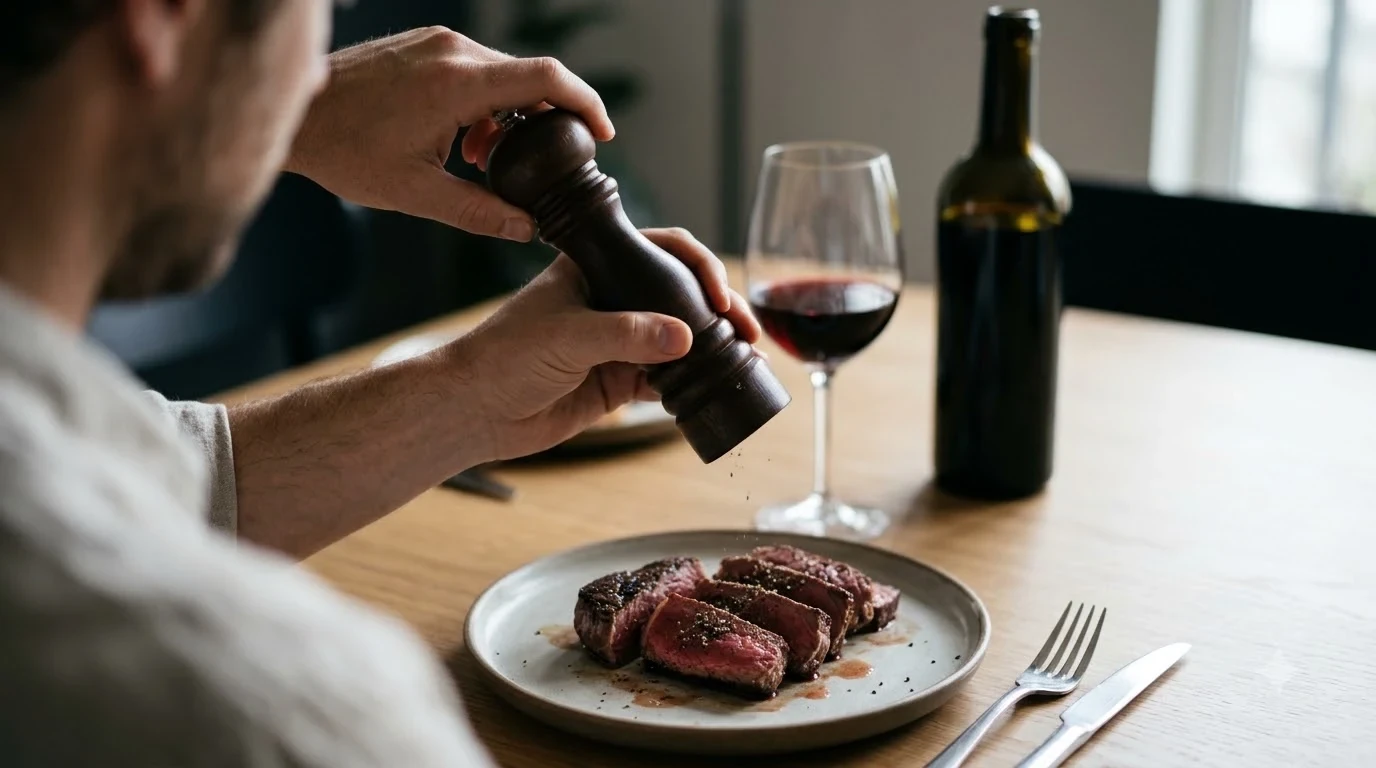
Saperavi is worth special attention because its dry versions can age well. Its dark pigment and high acidity make it a strong food wine, especially with grilled meats and hearty stews. Rkatsiteli is more versatile, with a fresh, savory edge that suits lighter dishes and a wide range of everyday meals.
The Main Wine Regions
Most of the country’s wine comes from two regions. Kakheti sits in the east and is the heart of Georgian winemaking, producing roughly three-quarters of the country’s wine according to Winetourism’s Georgian wine guide. Its climate is hot and dry in summer, moderated by breezes from the Caucasus mountains, which suits both white and red varieties.

Kartli is the second-largest region, located in central Georgia around Tbilisi. It is known for crisp white wines and an increasing number of serious sparkling wines. Visitors often reach Kakheti from Tbilisi, which makes the capital a practical base for tastings. Because the wine country is compact, a day trip from the capital can include several producers.
Popular Styles and Named Wines
Georgian wine styles are wide, from light whites and rosés to powerful reds and deep amber wines. Tsinandali is a light Rkatsiteli white, while Mukuzani is a powerful Saperavi that shows the grape’s structure, according to the Provi guide. Amber wines form a category of their own and can be an acquired taste for drinkers used to clean white wines.
One point to keep in mind is sweetness. Provi notes that about 70 percent of Georgian production is sweet or semi-sweet, while most wines sold in the United States are dry. When you shop, read the label or ask the seller for a dry style if that is what you prefer. Many dry options are available, especially from Kakheti producers who focus on Saperavi and Rkatsiteli.
Serving these wines well is less about strict rules and more about matching the style to the table. Light whites and lower-tannin reds show best when they are cool, while amber wines and bolder Saperavi benefit from a short rest after opening so their texture settles. Amber wines also reward a larger glass, since the aromas of dried fruit and spice open up as the wine warms slightly in the hand.
Food pairing follows the same logic. Shared meals built around many small dishes suit wines with acidity and savory character, so a dry Rkatsiteli can sit comfortably beside a range of plates. Saperavi has the tannin to stand up to grilled meat and rich stews, and amber wines pair well with aged cheeses, nuts and roasted vegetables. If you are unsure, pick one white and one red for the table and let guests move between them. Buying two or three styles for one meal is often the easiest way to learn which direction you prefer.
Tip: Start with a light Rkatsiteli white and a dry Saperavi red, then try an amber wine once you are comfortable with the grape flavors. Comparing the three side by side makes the differences clear.
Frequently Asked Questions
Is Georgia wine the same as wine from the U.S. state of Georgia?
No. Georgia wine in this guide comes from the country in the Caucasus, which has a winemaking history of thousands of years. The U.S. state of Georgia has its own wine regions, and those are not covered here.
What is the best Georgian wine for beginners?
Many people start with a light Rkatsiteli white, which is fresh and approachable. Saperavi is a good red for those who like richer wines, and an amber wine can be explored once you are comfortable with the other styles.
What is qvevri wine?
Qvevri wine is made by fermenting and aging grapes in large buried clay vessels lined with beeswax. The method is recognized by UNESCO and often produces amber wines with firm tannin and savory aromas.
Are Georgian wines usually dry?
Not always. Provi notes that about 70 percent of Georgian production is sweet or semi-sweet, while most wines sold in the United States are dry. Check the label or ask a seller to confirm the style you want.
Georgian wine rewards patient tasting. Begin with a clear white, move to a dry Saperavi, and save amber wine for later. Once you know the grapes, the regional differences become easier to notice, and the history of the qvevri adds meaning to every bottle. For a comparison with another old wine tradition, our Italy wine guide covers a country with its own long winemaking story.
More in Wine Regions
 Willcox Wine Trail: Discover Arizona’s High-Elevation Wine CountryUpdated Nov 20, 2026
 Yakima Valley Wine Region: Find the Best Styles to TryUpdated Nov 20, 2026
 Vosne Romanee Wine Tasting: Identify Aromas and Choose Better PairingsUpdated Nov 20, 2026
 Yakima Valley Wine Festival: Find the Best Seasonal Wine EventsUpdated Nov 20, 2026
 Wales Vineyards: Discover Cool-Climate Wines and Where to VisitUpdated Nov 20, 2026
 Yountville Wine Festival: Discover Napa Wines and Local FoodUpdated Nov 20, 2026