

We may earn a commission when you buy through links on this page, at no extra cost to you. Learn more.
The best wine filter reviews separate tools by the job they do: fine-mesh funnels for catching sediment in older bottles, filtering decanters for tableside service, and simple strainers for unfiltered wines. Decanting exists largely to separate clear wine from sediment, so a filter is mainly a way to make that separation easier and cleaner. Matching the tool to the sediment in your bottle matters more than any feature list.
Wine filter reviews often compare features such as mesh size or materials, but the first question is what ends up in the glass. The Wikipedia entry on decanting explains that sediment is more common in old or unfiltered wines, and that decanting separates a small volume of liquid containing the sediment from a larger volume of clear wine. Modern wines often form less sediment, so many bottles need no filter at all. Choosing well means knowing which bottles you open and what they tend to leave behind.
Quick Comparison
The table compares the main filter styles by what they catch, how they affect pouring, and how much cleanup they require. These are general traits of each category rather than ratings of individual products.
| Type | Main Job | Effect on Pour | Cleanup | Best Fit |
|---|---|---|---|---|
| Stainless mesh funnel | Catches coarse sediment and cork bits | Steady, works over a decanter | Rinse mesh after each use | Older bottles with sediment |
| Filtering decanter | Filters and holds the wine in one vessel | Pour straight from the bottle | Hand wash the vessel | Tableside service and guests |
| Fine-mesh strainer basket | Catches fine lees and flaky deposits | Slower flow | Rinse promptly to prevent clogging | Unfiltered and natural wines |
| Clip-on pour spout | Catches debris at the bottle mouth | Quick, simple pour | Easy to rinse | Everyday pours |
| Reusable cloth filter | Traps fine particles in a cloth layer | Slow, needs a steady hand | Launder after each use | Budget setups |
Best for Aged Bottles with Sediment: Stainless Mesh Funnel
A stainless mesh funnel sits over a decanter or carafe and catches solids as the wine runs through. It is the most direct tool for an older red that has thrown sediment in the bottle, and it works with the same pouring method that a decanter uses.
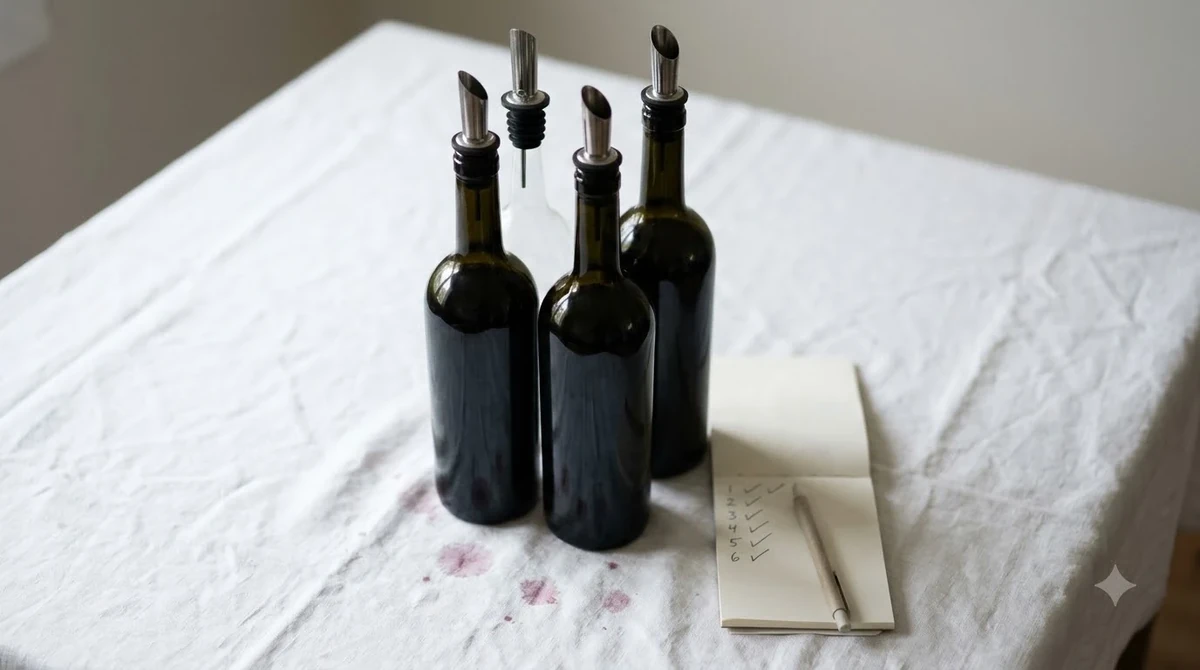
Why it stands out: The Wikipedia entry on decanting describes sediment removal as the main reason for decanting, and a mesh funnel adds a physical screen to that step. Because the screen sits at the point where the wine enters the decanter, it can catch the coarse particles that a slow pour alone might miss. Stainless steel is a common material for these funnels.
Keep in mind: A mesh that is too coarse lets fine sediment through, and a mesh that is too fine slows the pour. The funnel also needs a wide-mouthed vessel underneath and a steady hand. Rinse the mesh right after use, because dried pigment can close the holes.
Best for: Collectors who open older red wines and want a simple tool for sediment without buying a full decanting setup.
Best for Tableside Service: Filtering Decanter
A filtering decanter combines a filter and a vessel in one piece. The wine passes through a built-in screen and is served from the same container, so guests can be poured from the table without a separate funnel or carafe.
Why it stands out: A single vessel reduces clutter during a meal, since there is no funnel to balance or set aside. The Wikipedia entry on decanters notes that the wide body of a decanter increases the surface area exposed to air, which can help a wine open up. A filtering design keeps that benefit while adding a screen for sediment.
Keep in mind: Filtering decanters take up more cabinet space than a funnel, and narrow or detailed designs can be hard to clean. Check whether the screen can be removed for washing. If you only open sediment-heavy bottles a few times a year, a standalone funnel may be easier to store.
Best for: Hosts who want a striking, all-in-one vessel for dinners and gatherings.
Best for Unfiltered Wine: Fine-Mesh Strainer Basket
A fine-mesh strainer basket is a small cone or basket that rests over a glass or carafe. It catches the very fine lees and flaky deposits that appear in unfiltered wines, which often look cloudy or leave a chalky feel on the tongue.
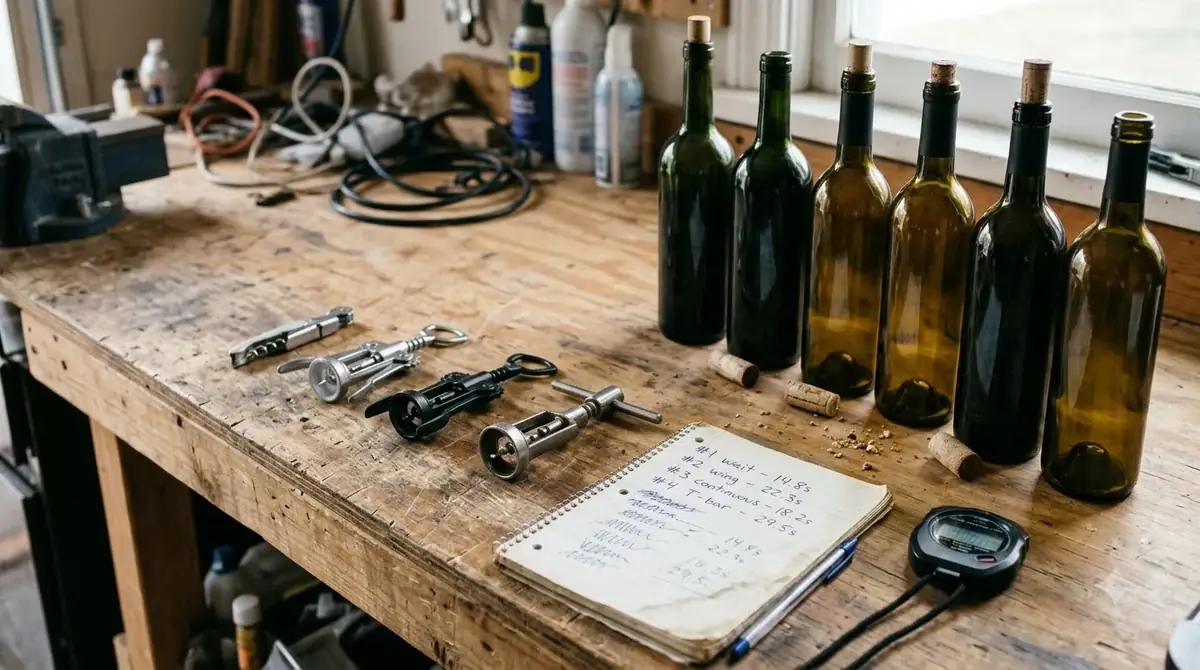
Why it stands out: Unfiltered wines leave suspended solids that a coarse screen cannot catch. A fine mesh gives a cleaner pour without disturbing the rest of the bottle, especially when the bottle has been stood upright before opening. The Wikipedia entry on decanting notes that sediment separates from the clear wine, which is the outcome this type of strainer is meant to protect.
Keep in mind: Fine weaves slow the flow, so an impatient pour can overflow the basket. Paper coffee filters are a poor substitute, because their tight pores slow the pour and can leave a papery taste. Rinse the basket promptly after use, since fine deposits dry into the mesh.
Best for: Fans of natural wines, orange wines, and small-production bottles that carry visible deposits.
Best for Quick Pours: Clip-On Pour Spout
A clip-on pour spout attaches to the bottle mouth and catches debris as the wine leaves the bottle. It works for everyday pours and needs no separate vessel, so it fits a busy weeknight routine.
Why it stands out: A spout is the least effort option. It catches coarse debris and cork fragments at the neck without changing the pour, and it can be left in place while you serve a glass. Cleanup takes seconds, which helps if you open bottles often.
Keep in mind: A spout catches only what reaches the neck, so it is a poor choice for heavy sediment. It also offers little aeration, since the wine passes through quickly. Check that the clip seats firmly on the bottle, because a loose fit can drip or slip.
Best for: Everyday drinkers who want a simple way to keep debris out of the glass.
Best for Budget Setups: Reusable Cloth Filter
A reusable cloth filter is a fine-weave cloth stretched over a funnel or a bowl. It traps fine particles in a soft layer and costs little to buy or replace. It is a common fallback when a bottle has more sediment than expected and no specialized tool is on hand.
Why it stands out: Cloth is inexpensive and widely available, and it can be washed and reused many times. It handles a wide range of particle sizes if the weave is fine enough, and it folds away easily for travel or storage.
Keep in mind: The pour is slow, and the cloth needs a stand or support so it does not sag into the wine. Launder the cloth after every use so that residue does not build up in the weave, and replace it once it thins or stains.
Best for: Occasional drinkers and cooks who want a basic filter without a dedicated purchase.
How to Choose
Start with the bottle. The Wikipedia entry on decanters explains that sediment is more common in old or unfiltered wines, so an older red calls for a mesh funnel or a filtering decanter, while a young, filtered wine may need no filter at all. Next, think about the size of the particles. Coarse debris from cork or older sediment is caught by a stainless mesh, while fine lees in unfiltered bottles need a finer strainer basket.
Then consider how you serve. A single-glass pour suits a clip-on spout, a dinner for several guests suits a filtering decanter, and a home cellar with regular decanting suits a funnel and a drip stand. Finally, consider cleaning. Mesh and strainers need prompt rinsing, while decanters need careful hand washing. For more accessory ideas, browse the Accessories Library, and for help with the wine itself, see the wine filter guide.
Tip: Stand the bottle upright for a day before opening, then pour slowly in one motion and stop when cloudy dregs reach the shoulder of the bottle.
Frequently Asked Questions
Do wine filters remove alcohol from wine?
No. A wine filter removes solid particles such as sediment, cork bits, and fine lees. Alcohol is dissolved in the liquid, so a mesh or cloth filter does not change its content. Filters affect what you see and feel in the glass, not the alcohol level.
Can I use a coffee filter to strain wine?
A paper coffee filter can catch fine sediment in an emergency, but it is a poor long-term choice. Its tight pores slow the pour to a crawl and can leave a papery taste. A fine stainless mesh or a rinsed cloth filter works better for regular use.
Does filtering wine change its taste?
A mesh or cloth filter that only removes solids should leave the flavor largely unchanged. Some filtering decanters also add aeration, which can soften a young, tannic wine. Taste the wine before and after to see the difference for your bottle.
How do I clean a wine filter screen?
Rinse the screen under warm running water right after pouring, so tannins and pigment do not dry in the weave. For stubborn deposits, soak it in warm water with a small amount of mild dish soap, brush gently, and rinse thoroughly before air drying.
The best wine filter reviews point to a simple rule: match the tool to the sediment in the bottle and the way you serve it. A fine funnel handles older reds, a filtering decanter suits a table of guests, and a strainer keeps unfiltered wines clear. Pick the one you will actually rinse and use.
More in Wine Accessories
 Coravin Vs Vacu Vin: Choose the Right Wine Saver for Your BottlesUpdated Nov 21, 2026
 Zwilling Wine Stopper Review: Preserve Open Bottles LongerUpdated Nov 21, 2026
 Wine Enthusiast Wine Preserver Review: Features, Benefits and LimitationsUpdated Nov 21, 2026
 Wine Enthusiast Wine Stopper: An Easier Way to Reseal Open BottlesUpdated Nov 21, 2026
 Vintorio Wine Opener: Two-Step Cork RemovalUpdated Nov 21, 2026
 Zwilling Wine Aerator Review: Aerate, Pour, and Seal With One ToolUpdated Nov 21, 2026