

We may earn a commission when you buy through links on this page, at no extra cost to you. Learn more.
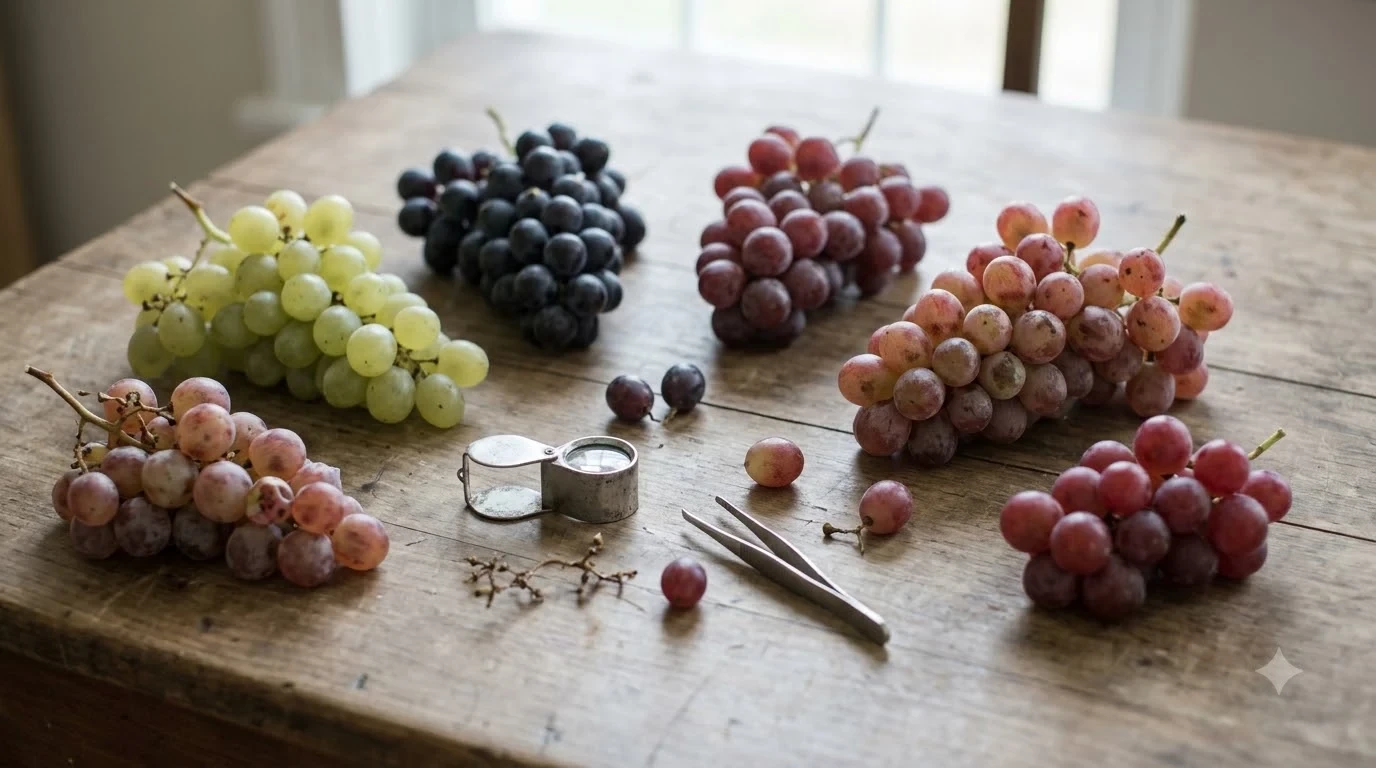
Albarino grape is a white grape from northwestern Spain, where it is the signature variety of Rías Baixas in Galicia, and it is also grown in Portugal under the name Alvarinho. Wines made from it are dry, crisp and high in acidity, with citrus and stone fruit flavors and a fresh, slightly saline edge that many reviewers link to the cool Atlantic coast. Knowing how the grape behaves helps you read a bottle label and decide whether it suits your table.
This guide looks at the grape itself: where it grows, what it tastes like, how the vineyards shape the wine, and how to serve and pair it. If you want a broader look at the finished wine, the chardonnay grape and pinot noir grape pages are useful points of comparison, and the Wine by Type hub lists the other main styles.
What Albarino Grape Is
Albarino is a white grape with thick skins and a naturally bright profile. It is most closely tied to Galicia, a green and rainy corner of northwest Spain where the grape has been grown for centuries. Across the border in Portugal, the same grape is called Alvarinho and is used in the country’s Vinho Verde wines, which are known for their lightness and freshness.
The name is what you will see on most labels from Spain, and it is spelled with an accent mark in Spanish. Many shops and websites drop the accent, so searching for either form will bring up the same wines. The grape is not a niche oddity: it has become the most recognized white variety from Galicia and one of the best-known white grapes in Spain.
Plantings have also spread to other cool coastal areas. Sources mention vineyards in places like Uruguay, California and Oregon, although the classic expression is still the single-variety wine from Rías Baixas.
Flavor Profile and Style
Albarino is usually described as dry, crisp and light to medium in body. The acidity is the first thing most people notice, and it gives the wine a clean, lively finish. Wine writers at VinePair have a memorable shorthand for it: a Viognier-like nose with a Riesling-like palate, meaning fragrant aromas on top and a tart, focused taste underneath.
The fruit tends to lean toward citrus and stone fruit. Lime, lemon and grapefruit show up often, along with peach and a floral lift. Some bottles add notes of sea spray or a salty minerality that reviewers connect to the nearby ocean. In warmer seasons or from riper vineyards, the fruit can taste rounder, but the acidity still keeps the wine light on its feet.
Because the grape holds its acidity well, Albarino ages more gracefully than many people expect for a white. Still, most bottles are made to be drunk young, within a year or two of the vintage, while the fruit is at its most vivid.
| Quality | What you usually taste |
|---|---|
| Body | Light to medium, never heavy |
| Acidity | High and bright, the wine’s defining trait |
| Fruit | Lime, lemon, grapefruit, peach |
| Aromas | Floral, fragrant, sometimes sea spray |
| Oak | Rarely used, so the fruit stays front and center |
Where Albarino Grows Best
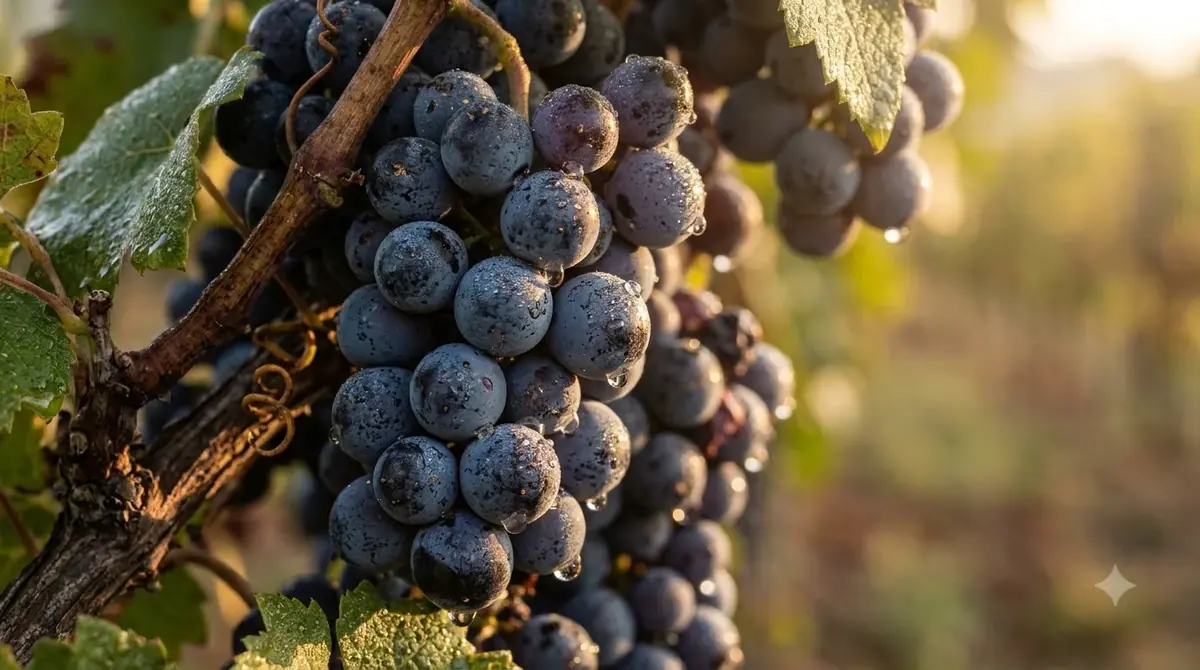
The heart of the grape is Rías Baixas, a Denominación de Origen on Spain’s Atlantic coast. Albarino makes up the large majority of the vines in the region, so most of the wines you see from Rías Baixas are made from it. The vineyards sit close to the sea and to rivers, and that closeness brings cooler nights, damp air and a long, slow ripening season.
The region is split into several sub-zones, and their names often appear on labels. Val do Salnés, on the coast, is the one most often mentioned for crisp, saline wines. Condado do Tea, further inland along the river, is commonly described as giving fuller, more fruit-forward bottles. Other sub-zones such as O Rosal and Ribera do Ulla add their own character. Sources do not agree on the exact number of sub-zones or on the labeling rules for blends, so check the producer’s back label or the official regional website if you need the precise category.
In Portugal, Alvarinho is most closely associated with the Monção and Melgaço area of the Vinho Verde region, where it is often bottled as a single-variety wine. The Portuguese style tends to be a little more floral and less salty, though both countries produce bright, dry wines that are easy to recognize.
How to Serve Albarino
Albarino is best served well chilled, not ice cold. Chilling too hard mutes the aromas and makes the acidity feel sharper than it is. A short rest in the fridge before pouring is usually enough, and it is worth taking the bottle out a few minutes before you open it if it has been sitting in a very cold box.
A white wine glass with a moderate bowl suits the grape well. The shape keeps the floral aromas close while still letting the wine open up. You do not need a large glass or any special decanting, since the wine is young and fresh and rarely needs air.
For a sense of how the wine behaves once it is open, drink it within a few days and keep the bottle sealed and cold between glasses. The acidity holds up better than fruit-driven whites, but the aromas fade noticeably after a day or two.
Food Pairing with Albarino
Albarino is one of the most food-friendly white wines because its acidity cuts through rich and salty flavors without overpowering them. Seafood is the classic match, especially shellfish such as mussels, clams and scallops, and simple grilled fish with lemon. The wine’s salty edge seems to echo the ocean flavors on the plate.
It also works with many dishes outside the seafood world. Try it with fresh goat cheese, a green salad with citrus dressing, or chicken with herbs. Spicy Asian dishes can be a good match too, since the wine’s fruit and lift tame heat without fighting it. Avoid pairing it with heavy, buttery sauces or very oaky dishes, which tend to swallow its delicate fruit.
When a menu includes many courses, Albarino is a flexible choice to start with because it works as both an aperitif and a companion for light food.
How to Choose an Albarino
When you shop, look for the words Rías Baixas or Albariño on the label and check the vintage. Because the wine is meant to be fresh, a recent vintage is usually the best bet. If you see a sub-zone name, that is a useful clue about style: coastal names often mean more salt and brightness, while inland names often mean more fruit and body.
Price is not a reliable signal of quality in this category. Many good everyday bottles are made in large quantities and still show the grape’s clean acidity and citrus character. Read producer notes, look for wine writers who cover Spain regularly, and try a few different sub-zones to learn your own preference.
Frequently Asked Questions
Is Albarino a sweet or dry wine?
Albarino is almost always dry. It is known for crisp acidity and citrus fruit rather than sweetness, so it suits people who enjoy clean, tart white wines.
What is the difference between Albarino and Alvarinho?
They are the same grape. Albarino is the Spanish name used in Galicia and Rías Baixas, while Alvarinho is the Portuguese name used in the Vinho Verde region.
Does Albarino taste like Sauvignon Blanc?
Both are dry and acidic, but they taste different. Albarino leans toward citrus, stone fruit and florals with a salty note, while Sauvignon Blanc is usually more herbal and grassy.
Can Albarino be aged?
It can age for a few years because of its acidity, but most bottles are made to be enjoyed young while the fruit is bright. Check the producer’s notes before holding a bottle for a long time.
Albarino rewards curiosity. Start with a young bottle from a coastal sub-zone, serve it cool with simple seafood, and compare it with a bottle from an inland sub-zone or from Portugal. You will quickly see how the grape changes with place, and which style fits your table best.
More in Wine Types & Grapes
 Zinfandel Sugar Content: Dry Red vs. White Zinfandel GramsUpdated Nov 21, 2026
 Best Zinfandel Substitute Options for Sipping and CookingUpdated Nov 21, 2026
 Zweigelt Food Pairing: Best Dishes, Cheeses, and Serving TipsUpdated Nov 21, 2026
 Zinfandel Tannins Explained: How Structure Shapes Every BottleUpdated Nov 21, 2026
 Zinfandel Sweetness Level: Dry Red vs. Sweet White Zin ExplainedUpdated Nov 21, 2026
 Xinomavro Food Pairing: Best Dishes, Styles, and Serving TipsUpdated Nov 21, 2026