

We may earn a commission when you buy through links on this page, at no extra cost to you. Learn more.
The best prosecco glass is a tall flute for spumante with lasting bubbles, and a slightly wider white wine glass for aromatic styles. A narrow opening keeps sparkling wine fizzy for longer, while a wider bowl lets the fruit come through. Frizzante fades faster, so the glass you pick should match how long you want the bubbles to last in the glass.
Prosecco is an Italian sparkling wine made mostly from the Glera grape, and it shows up at aperitif hours, brunches and casual parties far more often than Champagne. That makes the glass a practical choice rather than a formal one. This guide compares the main glass shapes, explains how each one affects bubbles and aroma, and points to the kind of glass that suits each common way of drinking prosecco.
Quick Comparison of Prosecco Glass Shapes
Sparkling glassware sits on a range from narrow flutes to broader white wine glasses. The table compares the main shapes on the four points that matter most when you pour a bottle at home.
| Glass shape | Bubble retention | Aroma release | Best for |
|---|---|---|---|
| Tall flute | High | Lower | Spumante and long pours |
| Tulip-shaped white glass | Moderate | Higher | Aromatic, fruit-forward styles |
| Wide white wine glass | Low | High | Still or semi-sparkling wines |
| Stemless tumbler | Low | Low | Casual outdoor serving |
Wikipedia’s entry on wine glasses explains that sparkling wines get a smaller opening than still wines so that they stay fizzy longer. A flute has a long stem and a tall, narrow bowl, and the narrow opening reduces the surface area where bubbles escape. The wine glass article on Wikipedia notes that the tall shape also lets the bubbles rise further, which adds to the visual appeal.
Best for Long-Lasting Bubbles and Spumante
If you want the bubbles to last through a slow glass, a tall flute is the most reliable shape for spumante, the fully sparkling style of Prosecco.
Wikipedia’s Prosecco entry says that spumante is the fully sparkling style and that its bubbles last longer than those of frizzante. A flute keeps that effect going because the narrow mouth limits how fast carbon dioxide leaves the wine. This matters most when you pour a glass and then take a while to finish it at a dinner table.
The trade-off is that a narrow flute gives less room for the wine’s aroma to open up, so the fruit notes may come through less clearly than in a wider glass.
Best for Aromatic, Fruit-Forward Prosecco
For bottles that smell strongly of fruit, a tulip-shaped white wine glass gives you a balance between a steady stream of bubbles and room for the aroma to develop.
The Prosecco entry on Wikipedia describes the flavour as aromatic and crisp, suggesting yellow apple, pear, white peach and apricot. A glass with a slightly wider bowl than a flute lets those notes reach your nose as you sip, while the smaller opening still keeps the wine cool and lively. Wikipedia’s wine glass article also notes that studies suggest glass shape affects aroma, though it adds that shape has not been shown to change taste.
This style works well for people who want a glass that flatters the fruit without losing the sparkle entirely.
Best for Frizzante and Quick Sipping
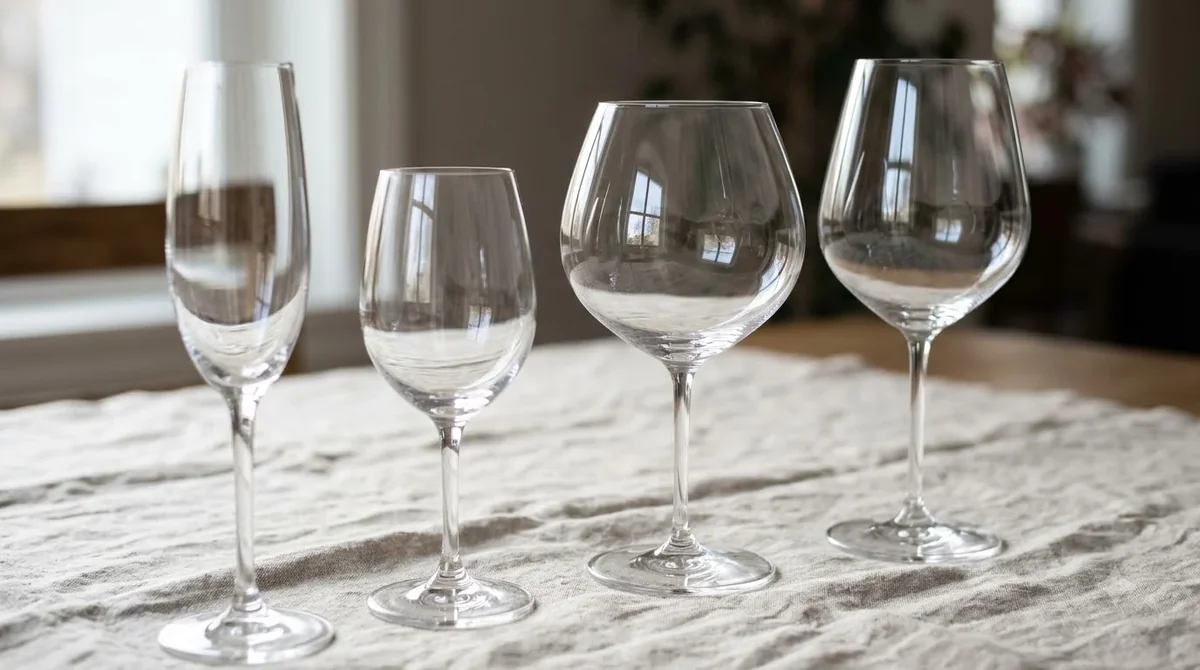
Frizzante is semi-sparkling, and its bubbles fade soon after pouring, so a glass that holds a short, fresh pour suits it better than a large bowl.
The Prosecco article says frizzante bubbles fade sooner than those of spumante, and the caption of a frizzante photo notes that the wine stops forming bubbles soon after it is poured. For this reason, pour frizzante into a smaller glass and drink it within a few minutes. A narrow flute works, but a small tulip also does the job while keeping the wine lively enough for a quick round.
Serve this style cold, and refill from the bottle rather than topping up a warm glass. A small pour that you finish in a few sips keeps the bubbles and the fresh fruit at their best, which suits the lighter character of frizzante. If you open a bottle and do not finish it, reseal it with a proper stopper and keep it chilled, since the bubbles will be weaker the next day.
Best for Outdoor Aperitif Gatherings
At a garden party or a pool, stability and durability matter as much as shape, so sturdy glass or stemless designs make more sense than delicate flutes.
Prosecco is often drunk as an aperitif outside Italy, as Wikipedia notes, and that tends to happen in busy, informal settings where glasses get moved and bumped. A stemless tumbler or a sturdy short-stem glass is easier to carry and less likely to tip. The trade-off is that low-stemmed or stemless glasses let the wine warm up in your hand faster, so chill the bottle well and pour in small amounts.
Keep a few spares for guests who move between groups, since a single glass per person is hard to maintain on a long afternoon. Plan the number of glasses by guest count and by how many bottles you expect to open, then set aside a tray near the chilled bottles so people can refill without carrying glasses back to the kitchen. A simple habit like this keeps the sparkle lasting longer, because each glass gets a small fresh pour rather than sitting warm on a side table.
Best for Gift Sets and Mixed Glassware
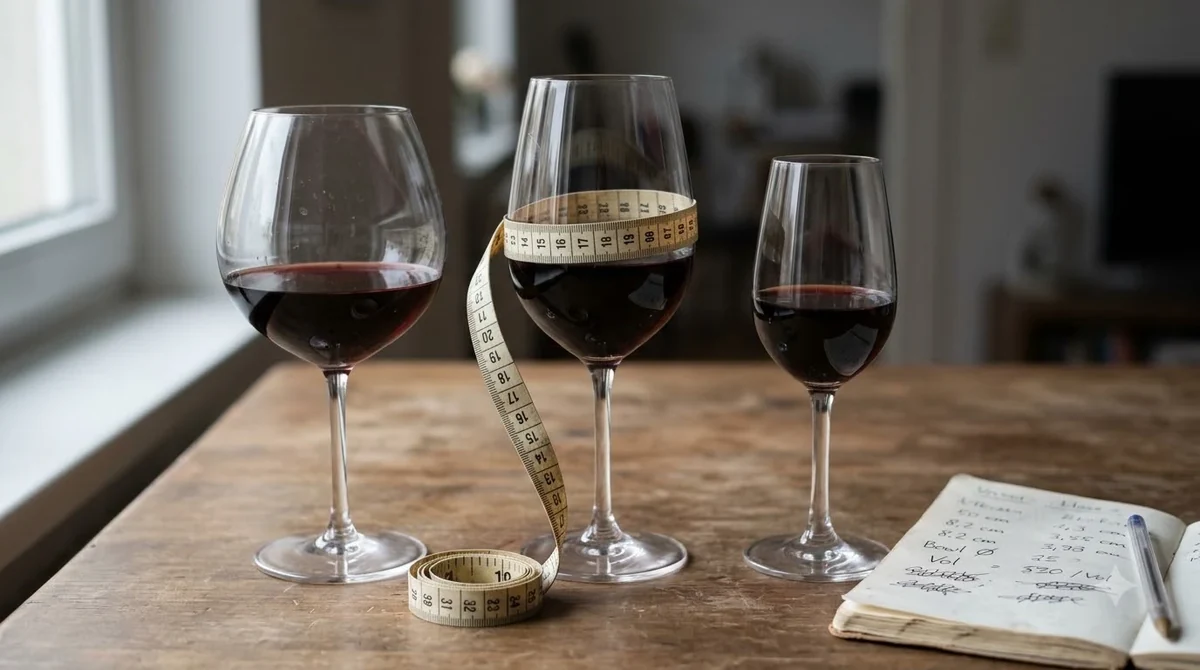
If you want glasses that suit prosecco and everyday white wine, a mixed set gives you a range of shapes at a sensible cost per piece.
A matched set of two or four glasses is easy to store, and it lets you pour a flute for a special bottle and a wider glass for a fruitier one without buying separately. For a broader look at matching glassware, see our wine glass set guide and the Glass by Wine section, which groups shapes by style.
Gift sets often include a mix of sizes, so check that the flute bowl is tall enough for a full pour before buying.
How to Choose a Prosecco Glass
Start with the bottle you drink most often. A spumante with strong bubbles rewards a flute, while an aromatic bottle with ripe fruit needs more room in the bowl.
Tip: If you cannot decide, a tall tulip gives a practical middle ground. It keeps the bubbles lively and lets the fruit come forward.
Next, consider how you will hold the glass. A stem keeps the wine cool and your hand off the bowl, which matters for a drink that is best served chilled. Stemless glasses are easier to carry, but they warm the wine faster. If you are unsure how to hold a stemmed glass, the guide on how to hold a wine glass shows the grip that keeps your fingers away from the bowl.
Finally, think about storage and washing. Narrow flutes are harder to dry, so store them upright and let them air-dry rather than wiping the inside with a towel that may leave lint.
Frequently Asked Questions
Is a flute always the best glass for prosecco?
A flute works well for spumante because it keeps bubbles lively. It is not required for every bottle, and an aromatic prosecco may show more of its fruit in a wider white wine glass.
Why does my prosecco go flat so quickly?
Frizzante loses its bubbles faster than spumante, and any sparkling wine goes flat sooner in a wide, warm glass. Chill the bottle well, pour a small amount, and keep it cold between sips.
Do glass shapes change how prosecco tastes?
Shape can change how aroma reaches your nose, and studies cited in the wine glass literature suggest shape affects aroma. The same sources say there is no conclusive evidence that shape changes taste.
What size glass should I buy for prosecco?
Choose a glass that holds a comfortable pour with room above it for the bubbles to rise. A tall flute or a tulip of moderate size suits most home use without tipping easily.
Glassware is a small decision with a visible effect on every pour. Think about the prosecco you drink, the setting you serve it in, and the way you clean and store your glasses. Those three factors decide most of the choice, and the shape you pick will matter more on a warm evening than any single feature on a product label.
The right prosecco glass depends on the style in your bottle and the way you like to serve it. A flute keeps spumante lively, a tulip shows fruit, and a sturdy stemless glass suits outdoor gatherings. Choose the shape that fits the bottles you open most often, and keep the glasses chilled.
More in Wine Glasses
 Spiegelau Crystal Wine Glasses That Bring Clarity to Every PourUpdated Nov 21, 2026
 Zalto Crystal Wine Glasses: Are They Worth the Investment?Updated Nov 21, 2026
 Villeroy And Boch White Wine Glasses for a More Cohesive TableUpdated Nov 21, 2026
 Zalto Wine Glasses On Sale: Find the Right Denk’Art GlassUpdated Nov 21, 2026
 Zwiesel Glas Champagne Glasses: Features, Quality and Buying AdviceUpdated Nov 21, 2026
 Zwiesel Glas Decanter Review: A Durable, Elegant Choice for Wine ServiceUpdated Nov 21, 2026