

We may earn a commission when you buy through links on this page, at no extra cost to you. Learn more.
The best wine advent calendar reviews point to one question first: do you want to learn something new each day, or do you want a gift that suits a wine lover who already knows their favorites? Learners tend to do well with calendars of small bottles from different regions, while experienced drinkers often prefer themed or single-style sets. Reading reviews is easier once you know which format you want, and this guide explains what to look for in each.
Wine advent calendars have become a common seasonal product. Each door, or pocket, holds a small item for one day of the count to the holidays. Some calendars hold miniature bottles, others mix a bottle with glasses or accessories, and a few focus on one grape or region. The format shapes the experience more than the brand name does, so start there.
The idea itself is older than wine. The Wikipedia article on advent calendars traces the format to German Lutheran custom, where a door opened each day from December 1 until Christmas. Manufacturers later borrowed the idea for miniature products of many kinds, and wine calendars follow that same pattern: a small surprise behind each door, one for every day of the count.
Quick Comparison
Wine advent calendars differ mainly in what sits behind each door and how much variety they offer. Miniature-bottle calendars give the most variety. Themed calendars keep the focus on one style or region. Bottle-and-accessory sets trade some variety for a more complete gift. Reviews usually group calendars along these lines, so comparing like with like is the fastest way to judge a list.
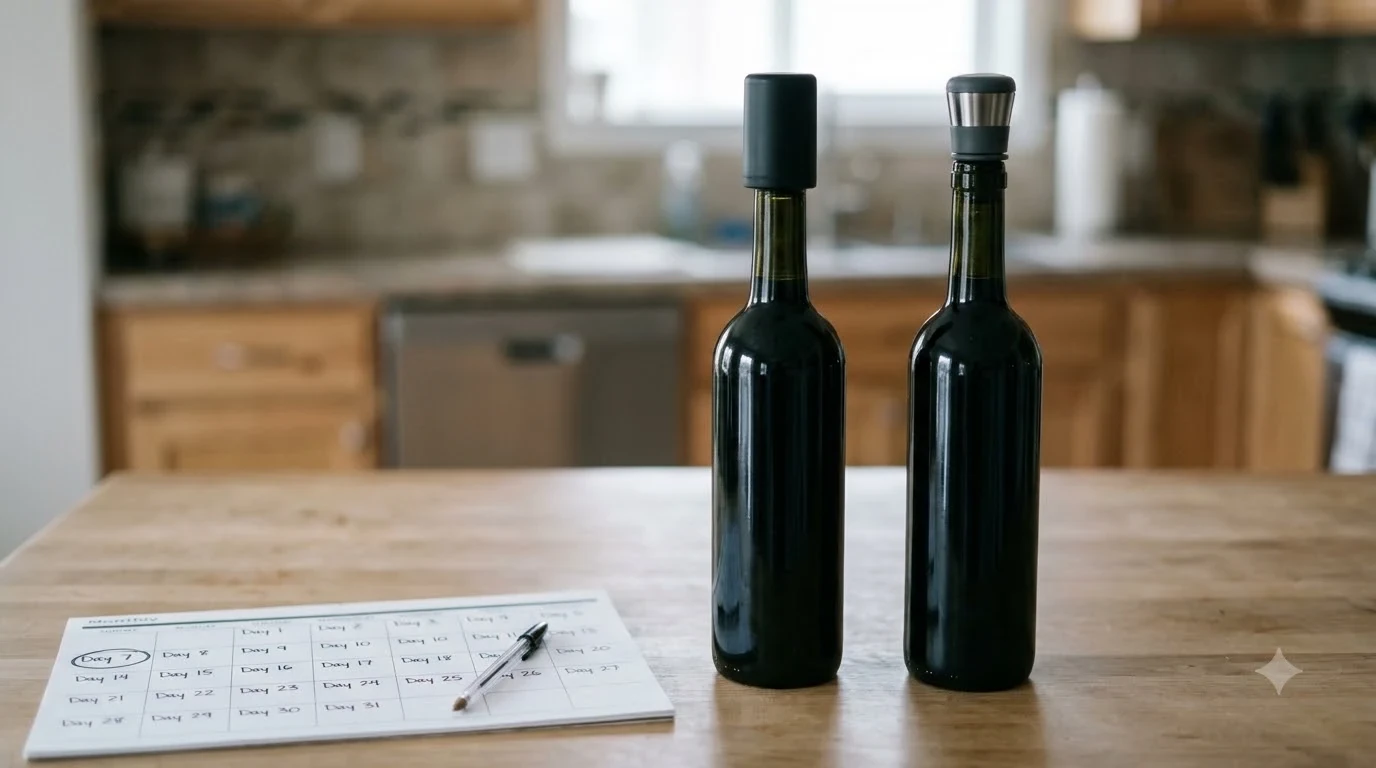
It also helps to think about the number of doors. Most calendars run through December 24 or 25, but some add extra doors or run into early January. A calendar with a clear end date gives the drinker a sense of progression, while an open-ended selection may feel less structured. Check the count before you compare the bottles, because the count shapes how much each day matters.
| Format | What is behind the doors | Variety | Best if you want |
|---|---|---|---|
| Miniature-bottle calendar | Small bottles from several producers or styles | High | A range of styles to taste over the month |
| Themed calendar | Bottles from one region or grape family | Moderate | A focused lesson in one style |
| Bottle-and-accessory set | A full bottle plus glasses or tools | Low | A complete gift for a wine lover |
| Sampler box with extras | Mixed items, sometimes non-wine treats | Moderate | A gift for a mixed group of drinkers |
Best for Wine-Curious Beginners
A miniature-bottle calendar suits someone who wants to explore without committing to full bottles. Each small bottle is a sample, and the month gives a steady rhythm of tasting. Look for calendars that label each bottle clearly, because a beginner needs to know the grape or region to learn anything from the tasting.
Reviews for these calendars often focus on how well the selection covers different styles. A good mix includes a crisp white, a light red, a sparkling option, and a fuller red, so the tasting teaches contrast. If every bottle is the same style, the calendar becomes repetitive quickly.
A reviewer who tastes through the whole month will usually comment on whether the early bottles set up the later ones, and whether the calendar builds a sense of progression rather than a random mix.
New drinkers also benefit from a simple tasting habit. Pour a small measure, look at the color against a white background, swirl gently, and note the first smell before you taste. Doing the same routine each evening makes the differences between bottles easier to recognize over the course of the month.
Best for Learning One Style in Depth
Themed calendars focus on one grape family or one region. They suit a drinker who wants to understand a single style in detail, such as a set of Italian reds or a selection of Champagne-style sparklers. The narrower focus gives a clear way to compare bottles and notice how producers handle the same grape differently.
When you read a review of a themed calendar, check whether it explains the style behind each bottle. A calendar that includes a short note on each wine’s origin and flavor is more useful for learning than one that only lists names.
Best for a Complete Wine Lover Gift
Bottle-and-accessory sets give a full experience in one box. They usually include a bottle and a few tools or glasses, which makes them a good gift for someone who already has a favorite style and enjoys the ritual of serving. Pair the calendar with a few serving aids from the Accessories Library if you want the gift to feel finished.
Reviews of these sets should cover the bottle quality, the choice of accessories, and whether the items fit the recipient’s habits. A calendar of extras is only useful if the recipient will actually use the tools.
Best for Mixed Groups of Drinkers
A sampler box with a mix of wine and non-wine items suits households where not everyone drinks wine. These calendars can include treats, sparkling options, or other small drinks, so they work for a family or an office. The trade-off is that the wine portion may be smaller, so check the ratio before you buy.
Many buyers also ask whether a mixed box is worth it for a household with both wine and non-wine drinkers. The answer depends on how the calendar splits its doors, so count the wine days before you decide.
Look for a calendar that clearly lists what is inside each door. Some are vague, and a recipient who is expecting wine can be disappointed when a day turns out to be a snack. Clear labeling makes a mixed box easier to enjoy.
Best for Sharing a Tasting Month
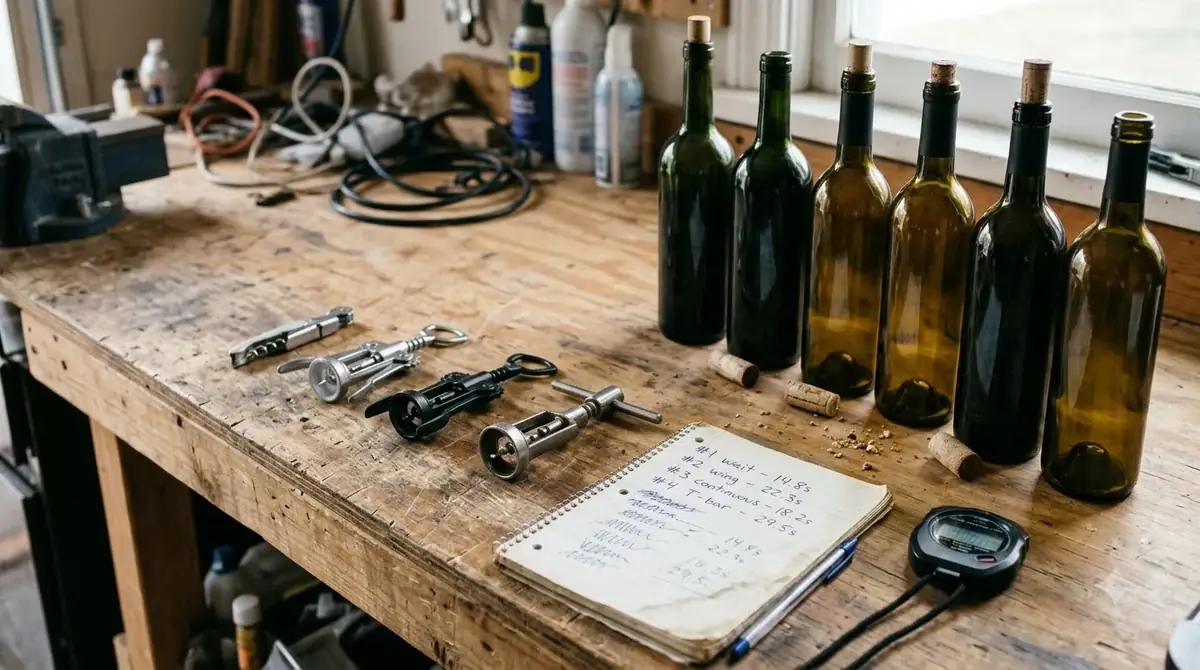
Some households open a calendar together, pouring one small bottle each evening and comparing notes. This turns the calendar into a regular tasting session. Keep a simple notebook beside the bottles, and write down two or three words for each wine, such as bright, tannic, or fruity, so the group can compare impressions later.
Serving temperature matters here. The Wikipedia article on wine tasting gives reference ranges, such as 10 to 12 °C for light-bodied reds and 8 to 12 °C for aromatic light whites, and lower temperatures tend to emphasize acidity and tannins. Chill the whites and bring the reds slightly cooler than room temperature before you pour.
How to Choose From Reviews
Reviews help most when you read them against your own goal. A review that praises a calendar for variety may not help a buyer who wants one region. Check what the review says about the mix of bottles, how clearly each item is labeled, and whether the calendar fits the recipient.
Tip: Read two or three reviews and look for the same comments. Repeated notes about labeling, fit, or variety are more reliable than one strong opinion.
If you already know which bottles you want to try, the guide to the best wine advent calendar format gives more detail on the common options, and the wine advent calendar overview explains how these sets are usually packed.
Frequently Asked Questions
What should I look for in a wine advent calendar review?
Look for details on the bottle mix, how each item is labeled, and whether the calendar fits the buyer’s goal. Repeated comments across several reviews are usually more useful than a single rating. Pay attention to whether reviewers describe the bottles in enough detail to judge the style, rather than only praising the packaging.
Are miniature bottles good for learning about wine?
Yes, when the calendar offers a range of styles and labels each bottle. Small bottles make it easy to compare a crisp white with a fuller red, which builds tasting skill over the month.
Is a wine advent calendar a good gift for an experienced drinker?
It can be, especially a themed or bottle-and-accessory set that matches their favorite style. Choose a calendar that respects their taste rather than one that aims for broad variety.
Should I serve each bottle the same way?
No. Serving temperature and glass shape change how a wine tastes, so adjust for the style. Chill whites and lighter reds a little, and let fuller reds sit briefly before pouring.
A wine advent calendar works best when it matches the person who opens it. Decide whether you want variety, depth, or a complete gift, then use reviews to check the details that matter for that goal. A calendar that fits the drinker will be opened every day.
More in Wine Accessories
 Coravin Vs Vacu Vin: Choose the Right Wine Saver for Your BottlesUpdated Nov 21, 2026
 Zwilling Wine Stopper Review: Preserve Open Bottles LongerUpdated Nov 21, 2026
 Wine Enthusiast Wine Preserver Review: Features, Benefits and LimitationsUpdated Nov 21, 2026
 Wine Enthusiast Wine Stopper: An Easier Way to Reseal Open BottlesUpdated Nov 21, 2026
 Vintorio Wine Opener: Two-Step Cork RemovalUpdated Nov 21, 2026
 Zwilling Wine Aerator Review: Aerate, Pour, and Seal With One ToolUpdated Nov 21, 2026