

We may earn a commission when you buy through links on this page, at no extra cost to you. Learn more.
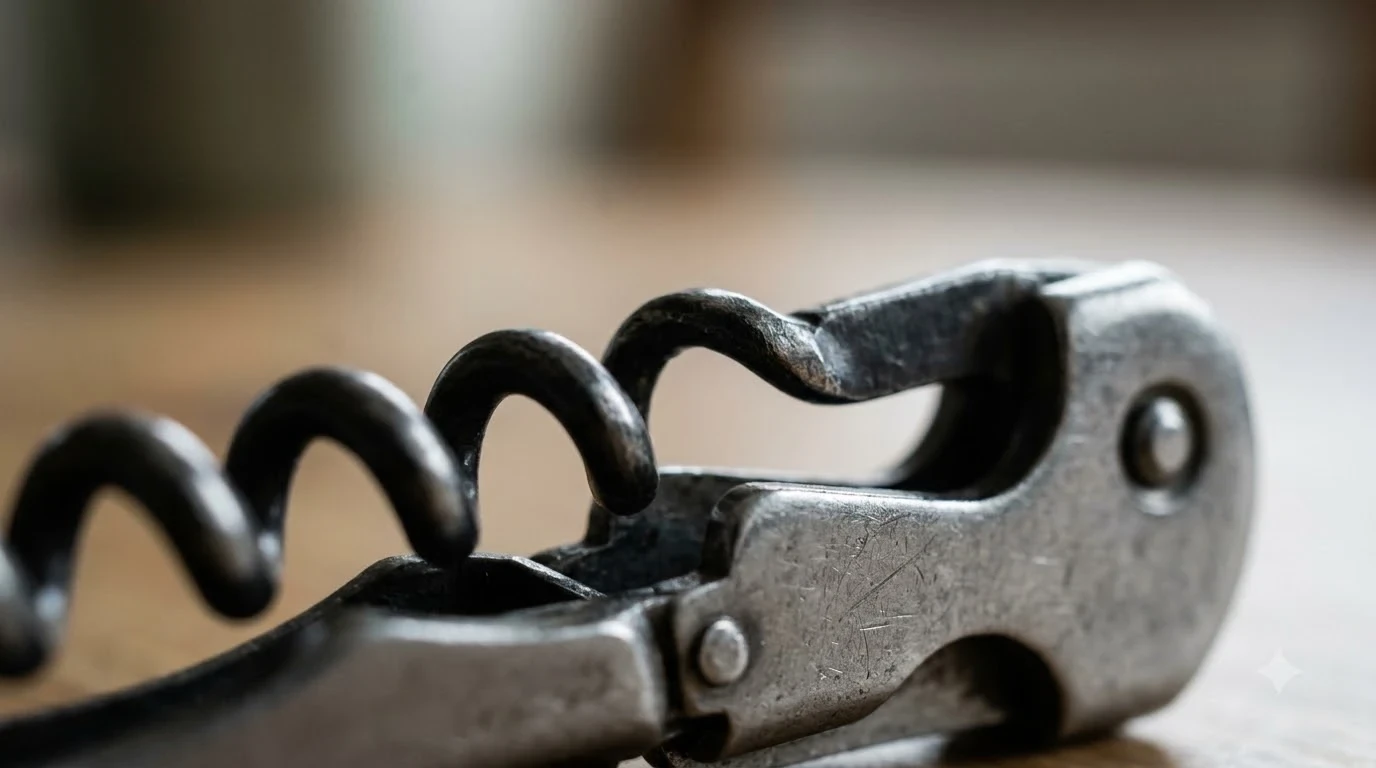
The best rabbit corkscrew, which is the lever-style design with two handles that grip the bottle neck, is the fastest way to pull a cork, though it is bulkier than other styles. The lever does most of the work, so a rabbit-style opener suits hosts who open many bottles in a row. If you want a smaller tool for the pocket or a drawer, a waiter’s knife or winged opener may serve you better.
A rabbit corkscrew is a lever-type opener that gets its name from the shape of its handles, which resemble rabbit ears when the tool is open. Two handles grip the neck of the bottle, a lever is pressed down to screw the worm into the cork, and the lever is lifted to draw the cork out. Wikipedia’s article on corkscrews describes this design as much bulkier and typically more expensive than other styles, but also much faster. That trade-off shapes almost every choice in this guide, from how often you open bottles to where the tool will live. The sections below group the options by the kind of opening you do most.
Quick Comparison
Corkscrews vary in speed, size, and how much skill they need. The table compares the main styles against the traits that matter most at home.
| Corkscrew style | Speed | Size and skill needed |
|---|---|---|
| Lever (rabbit-style) | Fastest, with the lever doing most of the work | Large and heavier; little skill needed |
| Winged (butterfly or owl) | Quick once you learn the motion | Compact; easy for beginners |
| Sommelier knife | Quick with practice | Pocket-sized; some skill needed |
| Twin-prong puller | Slower; keeps the cork intact | Small; takes a little technique |
| Basic screw corkscrew | Slow, needs firm pulling | Simple and cheap; most effort |
Best for Opening Many Bottles at a Party
When you open several bottles in one evening, a lever-style rabbit corkscrew keeps the pace up and reduces wrist strain.
The lever gives leverage, so the cork comes out in one motion once the worm is set. Wikipedia’s article on corkscrews says the lever design is much faster than others, and that is the main reason hosts reach for it when a dinner runs through several bottles. Set the handles around the neck first, press the lever down until the worm is in, then lift steadily. A slow, even lift helps prevent the cork from breaking at the top.
Because the tool is bulky, it suits a counter or bar cart rather than a travel bag. Keep it near the bottles you plan to open, and store it where it will not be bumped by other tools.
Best for Compact Carry and Quick Service
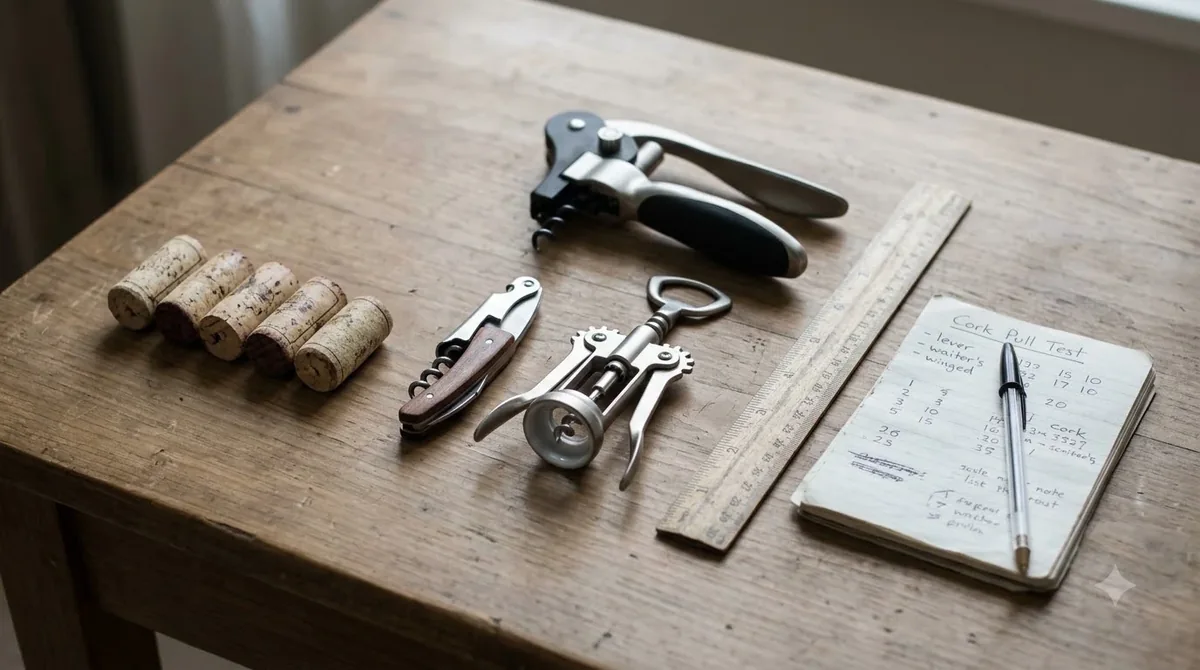
A sommelier knife folds into a pocket-sized tool that can still open a bottle with a few moves once you learn the technique.
Wikipedia’s article describes the sommelier knife, also called a waiter’s friend or wine key, as a folding corkscrew that resembles a pocket knife. An arm braces against the bottle lip, which gives leverage, and some versions include a small foil cutter or a bottle opener. The article says it can be used more quickly than a winged-type corkscrew, which is why it remains common among servers and wine professionals.
It is a good choice for picnics, travel, or a bag you carry to restaurants. Practice the motion at home first, since the leverage point takes a few tries to feel natural.
Best for Beginners and Household Use
Winged corkscrews are the easiest design to learn and remain popular for everyday use at home.
Two levers sit on either side of the worm, and the rack-and-pinion mechanism lifts them as you twist the worm in. Pushing the levers down pulls the cork in one motion. The Wikipedia article calls these particularly popular in household use, and the head is often a bottle opener or foil cutter. A winged opener needs less strength than a basic screw corkscrew, which makes it a practical first tool for someone who opens bottles only now and then.
Check that the levers move smoothly and that the worm is centered. A wobbly worm can split a cork, so a sturdy frame is worth paying attention to.
Best for Fragile or Older Corks
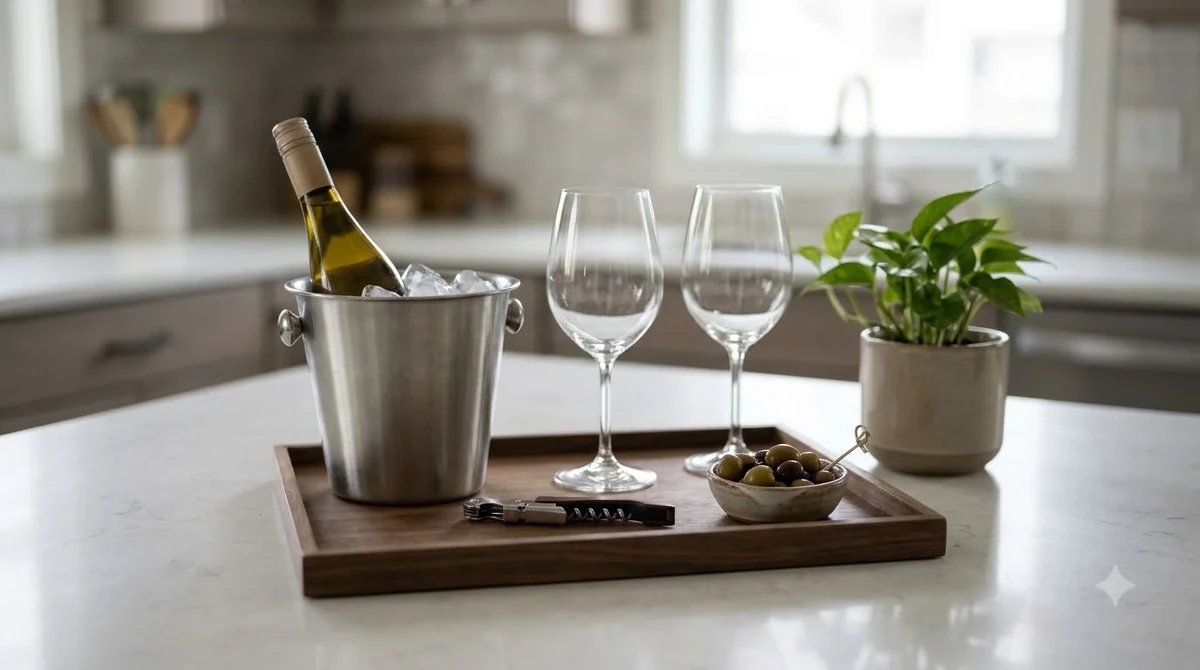
Older bottles often have dry or crumbling corks, and a twin-prong puller can remove them without tearing the stopper apart.
The twin-prong cork puller, also called the butler’s friend or Ah-So, works by sliding two prongs between the cork and the bottle neck. A twist then lifts the stopper out. The Wikipedia article notes that this removes the stopper without damaging it, which lets you sample the wine and put the cork back. It can also pull stoppers that are in poor condition, where a screw might crumble the cork.
The method takes more care than a lever. Work the prongs slowly and keep the tool straight. Patience matters more here than speed, and the tool is a better fit for a collector who wants to preserve a bottle’s cork than for a host opening many bottles.
Best for a Fixed Spot at Home or Bar
Mounted corkscrews and screwpull designs suit a bar or kitchen counter where the tool stays in one place.
A mounted corkscrew is screwed or clamped to a counter or wall, so the bottle stays put while you pull. The Wikipedia article says early mounted models were made for short beer-bottle corks, while modern ones fit longer wine corks. Mounted designs free up your hands and suit a bar cart or wine station where a tool is always on hand.
Screwpull designs, introduced in 1979 according to the article, use a coated spiral that wraps around the top of the bottle, and a plastic screw is turned to remove the cork. The article says the spiral is Teflon-coated to reduce friction, so the cork comes out intact. A screwpull works well for people who want an easy motion with little force.
Best for Simple, Low-Cost Opening
A basic screw corkscrew costs little and works for anyone willing to use steady, firm pulling.
The basic design is a steel screw on a perpendicular handle. You screw the point into the cork until it is firmly embedded, then pull straight up. The Wikipedia article gives this as the basic technique, and the handle gives a firm grip for pulling. It needs more effort than a lever or winged tool, so it suits occasional use and a tool kept in a kitchen drawer.
Keep the screw straight as you turn. A corkscrew that enters at an angle can break the cork, and a broken cork is harder to remove. Pull slowly, and if the cork begins to tear, stop and try a different tool.
How to Choose
The right corkscrew depends on how often you open bottles, how much space you have, and the condition of the corks you handle. Use the table below to compare the options.
| Criterion | What to check | Why it matters |
|---|---|---|
| Speed | Lever styles are fastest, screw styles slowest | Matters most when opening several bottles |
| Size | Rabbit-style is bulky; sommelier knives fold small | Decides whether it fits your drawer or bag |
| Cork condition | Twin-prong pullers protect old or fragile corks | Preserves older bottles |
| Skill | Lever and winged styles need the least practice | Affects how easy the tool is for guests to use |
| Build | Sturdy worm and smooth-moving parts | Prevents cork breakage and tool wear |
Tip: Test the tool on an everyday bottle before using it on a special one, so you learn the motion first.
Frequently Asked Questions
Why is it called a rabbit corkscrew?
The name comes from the shape of the two handles, which look like rabbit ears when the tool is open. The design is also known as a lever corkscrew, the term Wikipedia uses for this style.
Is a rabbit corkscrew better than a waiter’s knife?
It depends on the job. A rabbit-style lever is faster and needs less skill, while a waiter’s knife is small and easy to carry. Hosts who open many bottles often prefer the lever, and people who want a pocket tool usually pick the knife.
Can a rabbit corkscrew break old corks?
Any corkscrew can crumble a dry or old cork. Lever tools pull with force, so the worm should be centered and started straight. For fragile stoppers, a twin-prong puller is usually gentler.
How do I use a rabbit corkscrew properly?
Set the two handles around the bottle neck, press the lever down to drive the worm into the cork, then lift the lever to draw it out. Keep the motion steady and the tool straight. Practicing on a spare bottle helps before a dinner.
A rabbit corkscrew is the right pick when speed and ease matter more than size. For a smaller tool, compare the sommelier knife and winged styles, and for older corks, look at the twin-prong puller. Match the tool to how often you open bottles and where it will be kept. The bar cart is a natural spot for a lever tool, and the accessories library lists related gear for serving wine at home.
More in Wine Accessories
 Coravin Vs Vacu Vin: Choose the Right Wine Saver for Your BottlesUpdated Nov 21, 2026
 Zwilling Wine Stopper Review: Preserve Open Bottles LongerUpdated Nov 21, 2026
 Wine Enthusiast Wine Preserver Review: Features, Benefits and LimitationsUpdated Nov 21, 2026
 Wine Enthusiast Wine Stopper: An Easier Way to Reseal Open BottlesUpdated Nov 21, 2026
 Vintorio Wine Opener: Two-Step Cork RemovalUpdated Nov 21, 2026
 Zwilling Wine Aerator Review: Aerate, Pour, and Seal With One ToolUpdated Nov 21, 2026