

We may earn a commission when you buy through links on this page, at no extra cost to you. Learn more.
The best cheap wine making supplies for a first batch are a food-safe fermenting vessel, an airlock, a hydrometer, a sanitizer, and a basic bottling wand, which together cover fermentation, measurement, and bottling without a large equipment budget. Home winemakers who ferment in small volumes usually start with glass carboys or food-grade buckets, then add a press or filler once they bottle more often. Sanitizing is the step that matters most, because contaminated equipment can spoil a batch before fermentation finishes, so a cleaning agent belongs on every shopping list.
Making wine at home looks simple on paper: crush or mix the fruit or juice, add yeast, let it ferment, then bottle it. In practice, each stage needs a small piece of equipment, and the cost adds up quickly if you buy everything at once. This guide walks through the supplies that matter most, what each one does, and where a budget buyer can save without risking the batch.
Quick Comparison
Home winemaking supplies fall into a few groups: vessels for fermentation, tools for measuring, supplies for bottling, and additives for stability. The table below compares the main items by what they do and how often a home winemaker needs them.
| Supply | Main Job | When You Need It | Figures Noted in Sources |
|---|---|---|---|
| Glass carboy | Small-batch fermentation | From the start | 4.5 to 54 litres |
| Airlock | Keeps air out during fermentation | From the start | None given |
| Hydrometer | Measures sugar in the must | Before and after fermentation | Read below 0 Brix before bottling |
| Sanitizer | Cleans and sanitizes equipment | Every step | 2 tablespoons of potassium metabisulfite per 5-gallon bucket |
| Bottling wand | Fills bottles by gravity | At bottling | Gravity-fed; slow but simple |
| Corker or closure | Seals bottles | At bottling | About half an inch of headspace |
Best for First-Time Winemakers: Fermentation Basics
A first batch needs a vessel that holds fermenting must, a lid that lets gas escape, and a way to measure sugar. These three items cover most of the process for a small batch.
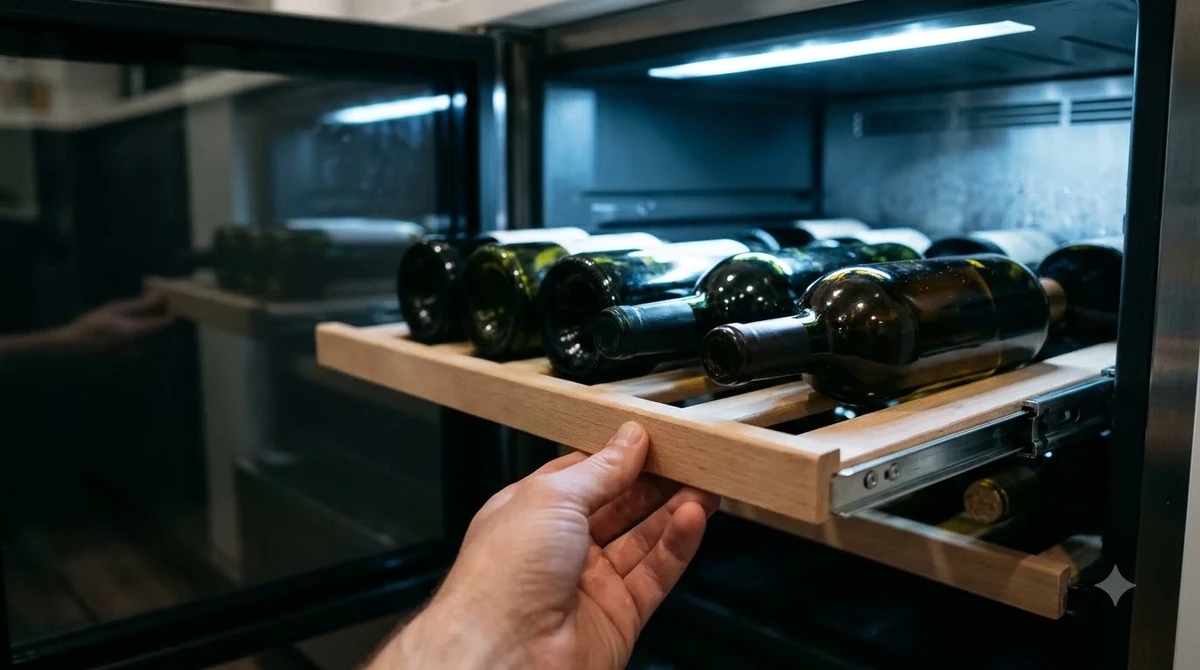
Why it stands out: Glass carboys, also called demijohns, suit small-batch fermentation. Wikipedia’s winemaking article gives a range of 4.5 to 54 litres for these vessels, which covers the sizes most home winemakers use. An airlock sits in the carboy’s stopper and keeps air out during secondary fermentation and aging. A hydrometer measures the density of the must, which tells you how much sugar the yeast has to work with and roughly how much alcohol the wine will reach.
Keep in mind: Glass is heavy and breaks easily, so use a carrier and keep the carboy off the floor. A plastic food-grade bucket is cheaper and lighter, but it lets more oxygen in during long fermentations. Choose one vessel size for the batch you plan to make, and avoid buying a large tank before you have a feel for the process.
Best for Bottling Day: Wands, Fillers, and Corkers
Bottling is the step most first-time winemakers find slowest. A wand or simple gravity filler makes the job faster and cleaner, and a basic corker seals the bottle once it is full.
Why it stands out: A bottling wand is the least expensive way to fill bottles. Bottling basics from Wine Making magazine describes it as gravity-fed and inexpensive, though time-consuming. A syringe helps set the fill level, and the same article describes a fill of about 3 to 5 millilitres in the neck. A manual corker is the entry-level option for sealing bottles, and it works well for a few cases a year.
Keep in mind: Automatic fillers save time, but they cost more and only suit certain batch sizes. Manual corkers take practice to seat corks evenly. Stand bottles upright for three to five days after corking so the corks swell, then lay them down for storage.
Best for Cleaning and Sanitizing: Potassium Metabisulfite and Cleaners
Every step of winemaking depends on clean equipment. A sanitizer kills unwanted microbes before they reach the wine, and a cleaner removes residue from bottles and tools.
Why it stands out: Potassium metabisulfite solution is a common sanitizer for home winemaking. Wine Making magazine gives a mix of 2 tablespoons per 5-gallon bucket of warm water, and notes that other commercial sanitizers can be used. A cleaner made for reused bottles, such as B-Brite, is named for hot-water cleaning. Keeping one sanitizer and one cleaner on hand covers most needs.
Keep in mind: Mix sanitizer fresh and follow the label. Rinse equipment well if your sanitizer requires it, and never use household soap on surfaces that will touch the wine. Read the safety label on any chemical before use, and store it away from children.
Best for Small Batches: Glass Carboys and Food-Grade Buckets
Small batches are the most common start for home winemakers. A carboy or food-grade bucket holds the must through primary and secondary fermentation without taking much room.
Why it stands out: Glass carboys are the traditional choice for small-batch fermentation because they are inert and easy to inspect. Their range of 4.5 to 54 litres means one vessel can serve a single gallon kit or a larger homemade batch. Food-grade buckets are lighter and cheaper, and they suit the first stage of fermentation before the wine moves to a carboy.
Keep in mind: Buckets need a tight lid and should be moved to a carboy for aging, because they admit more air. Keep fermentation at a steady temperature, since sudden swings slow the yeast and can leave the wine tasting flat.
Best for Closures and Capsules: Corks, Screw Caps, and PVC Capsules
Once the wine is bottled, the closure and capsule protect it from air and make the bottle look finished. The options range from natural cork to screw caps and synthetic stoppers.
Why it stands out: Bottling basics lists natural cork, synthetic cork, and screw-cap-style closures as the common choices. Natural cork is 100 percent cork, while agglomerated cork is made from cork granules and is described as about 80 percent cork. PVC capsules are the most common choice for home winemakers, and they seal with a hair dryer, boiling water, or a heat sealer.
Keep in mind: Corks need the right size for the bottle neck, and a poorly fitting cork can leak or push out. Screw caps avoid that problem but require no corker. Leave about half an inch of headspace between the wine and the cork bottom, because too much air in the bottle can affect the wine over time.
How to Choose Your First Set of Supplies
Start with the batch size and the number of bottles you expect to fill. Buy the vessel and sanitizer first, because they are needed for every batch. Add a filler, corker, and closure once the batch is ready to bottle.
| Stage | Essential Items | Can Wait Until Later |
|---|---|---|
| Fermentation | Vessel, airlock, hydrometer | Large tanks and presses |
| Cleaning | Sanitizer, cleaner | Specialty cleaning tools |
| Bottling | Bottles, wand or filler, closures | Automatic filler and semi-automatic corker |
| Storage | Upright rack or box | Riddling rack for sparkling wine |
The table above keeps the first purchase small. A simple bottling wand and a manual corker are enough for most first batches, and a more advanced filler can wait until the process is familiar.
Frequently Asked Questions
What is the most important winemaking supply to buy first?
A fermenting vessel, airlock, and sanitizer are the first items to buy. The vessel holds the must, the airlock keeps air out, and the sanitizer keeps the equipment clean for every stage.
Do I need a hydrometer for home winemaking?
A hydrometer is the usual tool for measuring sugar in the must. Bottling guidance recommends a reading below 0 Brix before bottling, so the hydrometer helps confirm that fermentation has finished.
Can I use food-grade buckets instead of glass carboys?
Food-grade buckets work well for the first stage of fermentation because they are lighter and less expensive. For aging and long storage, a glass carboy is usually better because it admits less air.
How much headspace should a bottle have?
Bottling guidance gives about half an inch, or 1.2 centimetres, from the wine to the bottom of the cork. Too much air in the bottle can affect the wine, so fill each bottle to the right level.
A small, well-chosen set of supplies covers most first batches. Start with a vessel, an airlock, a hydrometer, and a sanitizer, then add bottling tools when the wine is ready. For more gear, see the wine making supplies guide, the cheap bar cart options for storing finished bottles, or the Accessories Library.
For the bottling steps and sanitizer mix, Wine Making magazine’s bottling basics is the most practical reference. The equipment list and fermentation terms follow the overview in Wikipedia’s winemaking article.
More in Wine Accessories
 Coravin Vs Vacu Vin: Choose the Right Wine Saver for Your BottlesUpdated Nov 21, 2026
 Zwilling Wine Stopper Review: Preserve Open Bottles LongerUpdated Nov 21, 2026
 Wine Enthusiast Wine Preserver Review: Features, Benefits and LimitationsUpdated Nov 21, 2026
 Wine Enthusiast Wine Stopper: An Easier Way to Reseal Open BottlesUpdated Nov 21, 2026
 Vintorio Wine Opener: Two-Step Cork RemovalUpdated Nov 21, 2026
 Zwilling Wine Aerator Review: Aerate, Pour, and Seal With One ToolUpdated Nov 21, 2026