

We may earn a commission when you buy through links on this page, at no extra cost to you. Learn more.
The best wine siphon for most people is a hand-operated model with a clear tube and a shutoff, because it moves wine from one vessel to another with control and little waste. Gravity-fed tubes work for simple transfers, pump-style siphons start the flow without mouth suction, and clear tubing shows when sediment is close to the intake. Matching the style to the job matters more than the price or the brand.
A wine siphon moves liquid from one container to another without tipping the vessel. Home winemakers use siphons to separate wine from sediment after fermentation, and cellar owners use them to rack wine into clean barrels or carboys. A siphon is also handy for pouring from a large bottle into a smaller one without disturbing the sediment at the bottom. This guide compares the main siphon styles and explains what to check before buying.
Quick Comparison of Wine Siphon Types
Most siphons fall into four groups. The table below compares them on the points that usually decide the purchase: how the flow starts, how much control the user has, and what kind of transfer each style handles best.
| Siphon type | How flow starts | Control | Best transfer |
|---|---|---|---|
| Plain gravity tube | Filled first, then raised over the high point | Low, flow is hard to pause | Quick, simple moves |
| Hand-pump siphon | Pump primes the tube | High, with a shutoff | Racking between carboys |
| Auto-start siphon | Built-in starter | Moderate | Repeated transfers |
| Racking cane with tubing | Sucked or primed, then gravity | High, with a rigid intake | Clearing sediment from a vessel |
Best for Racking Wine Off Sediment
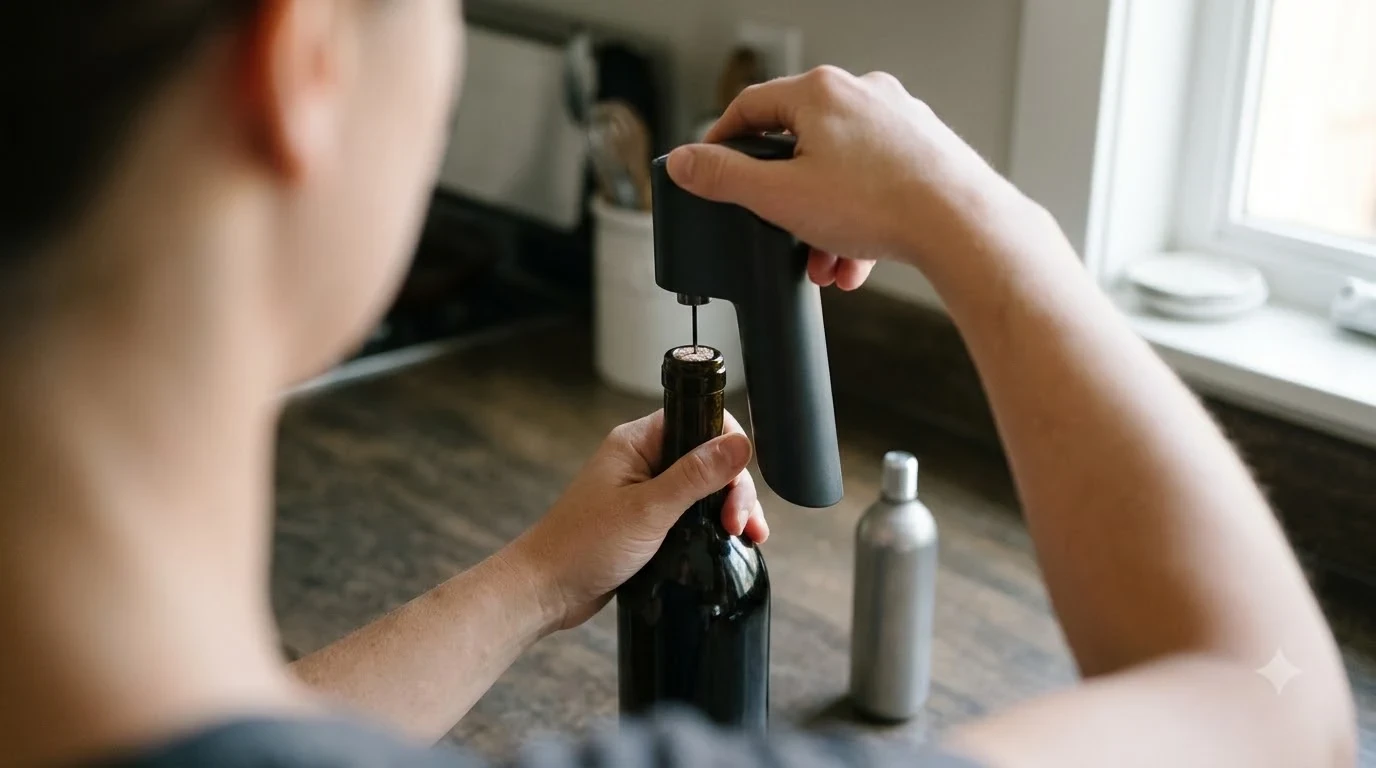
Racking is the most common reason to buy a wine siphon. After fermentation, yeast and solids settle at the bottom of the vessel. A siphon with a rigid intake, called a racking cane, lets the winemaker draw the clear wine off the top while leaving the sediment behind. The intake should sit above the sediment layer, and the tube should be lowered slowly as the level drops.
Why it stands out: It produces clearer wine and keeps sediment out of the next vessel. A rigid cane is easy to hold at a steady height.
Keep in mind: Stop before the intake reaches the sediment. Tilting the carboy or moving it while racking can stir up solids and undo the work.
Best for: Home winemakers and anyone who needs to separate clear liquid from solids.
Best for Controlled, Hand-Operated Transfers
Hand-pump siphons add a small pump at the top of the tube. Pumping a few times fills the tube and starts the flow, which removes the need for mouth suction. Many include a shutoff valve so the flow can be paused without lifting the tube out of the vessel. That control is useful when the receiving container is close to full or when the transfer needs to be stopped at a specific level.
Why it stands out: It avoids mouth-priming, which is a real safety concern. The shutoff lets one person manage the transfer alone.
Keep in mind: Pumps add parts that can leak or wear over time. Check the seals before each use and clean the pump with the rest of the equipment.
Best for: Repeated transfers between carboys or bottles, and anyone who prefers a controlled start.
Best for Quick Transfers Without Equipment
A simple gravity tube is the most basic option. The tube is filled completely with liquid, the ends are held closed or submerged, and the tube is placed so that one end sits above the source and the other sits lower in the receiving container. Once started, the flow continues without extra energy, because gravity pulls the liquid down the longer leg. Reference material on siphons notes that the height difference between the two surfaces drives the flow.
Why it stands out: It costs very little and needs no pump or valve. For a one-time transfer, a clean tube may be enough.
Keep in mind: Starting the flow is the tricky part. Priming by mouth is hazardous, and the tube must be full before it is raised over the high point. Keep the receiving end below the source to maintain the flow.
Best for: One-off transfers, emergency decanting, and anyone who already has clean food-grade tubing.
Best for Gentle Decanting From Old Bottles
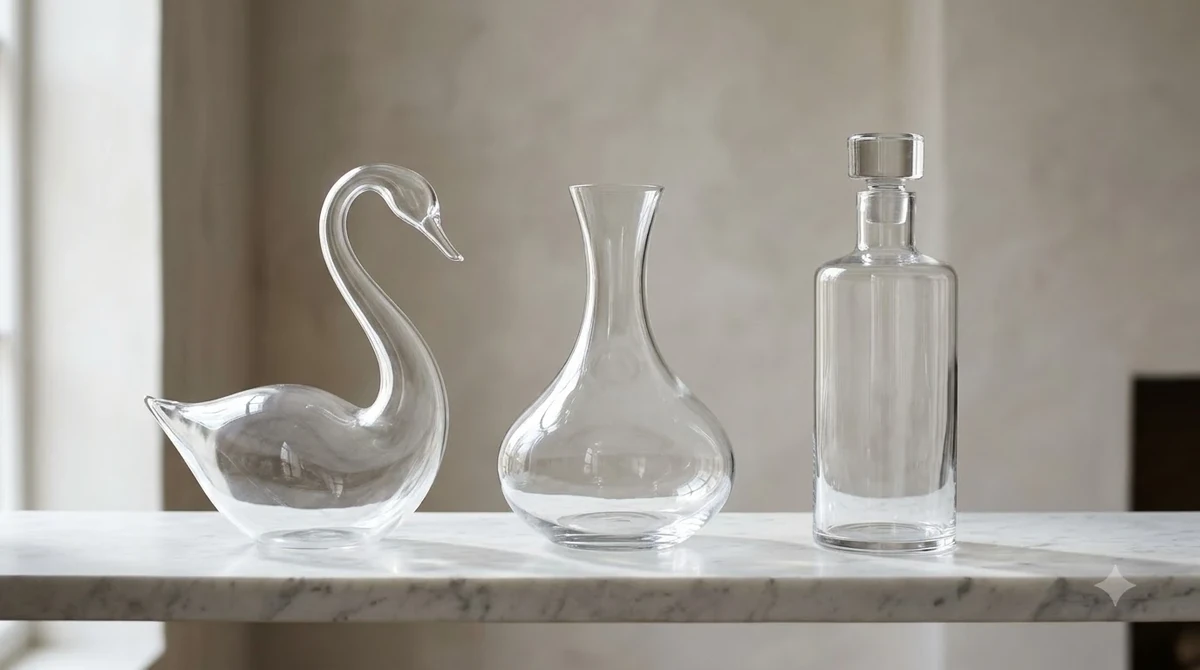
Older bottles often carry sediment that formed over years in the bottle. A siphon lets a decanter or carafe receive the wine while the sediment stays in the original bottle. A slow, steady flow is best, with the intake kept near the bottle’s neck and the bottle held still. Some people use a fine-mesh filter at the end of the tube to catch small particles.
Why it stands out: It reduces the amount of sediment that reaches the glass, and it allows the wine to be poured with less disturbance than tipping the bottle.
Keep in mind: The siphon can pull a little sediment if the flow is fast. Stop early and leave the last small amount of wine in the bottle.
Best for: Older bottles with sediment and anyone who wants to decant without a funnel.
Best for Cellar and Barrel Work
Cellar work involves moving larger volumes between barrels, tanks, and carboys. A siphon for this job needs a long, flexible tube, a sturdy intake, and fittings that connect to the vessel openings. Food-grade materials are essential, and the tube should be easy to clean and sanitize between batches. The siphon should also stay steady so the flow does not stop when the level drops.
Why it stands out: Long tubing and secure fittings make it possible to move wine across a room or between vessels stacked at different heights.
Keep in mind: Air leaks at the fittings will break the flow and can expose the wine to oxygen. Check every joint before starting.
Best for: Cellar owners, home producers, and anyone moving wine between large containers.
How to Choose a Wine Siphon
Start with the transfer. A short move between two bottles needs a different tool than racking a full carboy. For sediment removal, choose a rigid racking cane. For frequent moves, a pump siphon with a shutoff is more convenient. For occasional decanting, a simple tube may be enough.
Next, check the material and fit. The tubing must be food-safe and flexible enough to route between vessels without kinking. The fittings should match the vessels you own. Measure the opening of each carboy, bottle, or barrel before buying, because a mismatched fitting can leak.
Finally, plan for cleaning. Wine residue and sediment can build up inside the tube, so choose a siphon that can be taken apart or flushed easily. Clean the tube immediately after use, and let it dry before storing it. Replace any tubing that becomes stiff, cracked, or discolored.
Tip: Keep the intake of the tube away from the bottom of the vessel while transferring. Sediment settles in a thin layer, and even a small disturbance can pull solids into the clear wine.
Frequently Asked Questions
Is it safe to start a wine siphon by mouth?
No. Mouth suction can draw liquid into the lungs or the mouth, and the risk is serious with any liquid other than water. A pump siphon or a tube filled completely before raising it avoids that step.
Why does a siphon stop flowing?
Flow stops when the level in the source falls below the intake, when air enters the tube, or when the outlet reaches the level of the source. Gas bubbles forming at the high point can also break the flow. Check the fittings and keep the tube free of kinks.
Can a siphon separate sediment from wine?
A siphon can separate clear wine from sediment if the intake is kept above the solids. A racking cane with a rigid intake works best for this. Move the intake slowly as the level drops, and stop before the sediment layer is reached.
How do I clean a wine siphon?
Flush the tube with clean water right after use, then clean it with a food-safe cleaning solution made for winemaking equipment. Rinse thoroughly and let it dry fully before storing it. Replace tubing that shows cracks, stiffness, or discoloration.
A wine siphon is a practical tool for racking, decanting, and moving wine between containers. Choose the style that matches the transfer, check the fittings and tubing, and clean the equipment after every use. For related gear, browse the accessories library or read the wine siphon guide. If you are setting up a home bar, a bar cart can keep decanters and tools close at hand. For the physics behind how a siphon moves liquid, the Wikipedia entry on siphons explains the pressure and height difference involved.
More in Wine Accessories
 Coravin Vs Vacu Vin: Choose the Right Wine Saver for Your BottlesUpdated Nov 21, 2026
 Zwilling Wine Stopper Review: Preserve Open Bottles LongerUpdated Nov 21, 2026
 Wine Enthusiast Wine Preserver Review: Features, Benefits and LimitationsUpdated Nov 21, 2026
 Wine Enthusiast Wine Stopper: An Easier Way to Reseal Open BottlesUpdated Nov 21, 2026
 Vintorio Wine Opener: Two-Step Cork RemovalUpdated Nov 21, 2026
 Zwilling Wine Aerator Review: Aerate, Pour, and Seal With One ToolUpdated Nov 21, 2026