

We may earn a commission when you buy through links on this page, at no extra cost to you. Learn more.
The best wine pump for most home drinkers is a simple vacuum stopper kit with a hand pump, because it keeps an opened bottle fresher for a few extra days without needing power or a special cabinet. The right choice depends on how often you finish a bottle over several days, how much space you have, and whether you want a basic seal or a more complete preservation set. This guide compares the main pump styles and explains what each one actually does.
Wine pumps are a narrow category, and the marketing around them can make the job sound more complicated than it is. The basic idea is to remove some of the air from the bottle after you pour, so less oxygen reaches the wine while it waits. Knowing that principle makes it easier to judge whether a pump is worth the space it takes on your bar cart or in your kitchen drawer.
Quick Comparison
Pump styles differ mainly in how they create the vacuum and how much effort each use takes. Hand-pump stoppers are the simplest and most common. Pump-and-stopper sets add a few accessories. Electric or battery pumps reduce the effort but add a part that needs charging. The table below compares the main categories.
| Style | How it works | Effort per use | Best if you want |
|---|---|---|---|
| Hand-pump vacuum stopper | A plunger or pump draws air out of the bottle | Low, a few strokes | A simple seal for everyday bottles |
| Pump-and-stopper set | Several stoppers with one pump | Low | Sealing more than one bottle type |
| Electric or battery pump | A motor draws the air out | Very low, but needs charging | Frequent use without hand effort |
| No-pump alternative | Smaller bottles or a cork sealed back in | None | Finishing a bottle within a day or two |
Best for Occasional Drinkers
If you open a bottle once a week or less, a hand-pump stopper is usually enough. It takes a few strokes, fits most standard bottle necks, and sits quietly in a drawer between uses. You do not need a full set, and a single stopper that you trust will do more good than several you forget to use.
The main limit is that a pump only slows oxidation, it does not stop it. A bottle that has been open for several days will still change, and the gain is most useful for lighter wines you plan to finish within a short window. Treat the pump as a helpful extra, not a guarantee.

Best for Finishing Bottles Over a Few Days
Some people open a bottle, pour a glass or two, and come back to the rest later in the week. This is where a vacuum stopper earns its place. The Wikipedia article on wine accessories notes that some wine stoppers can be vacuum-sealed with a hand pump to remove oxygen from the bottle, which can extend the wine’s life by several days after opening.
That benefit is most useful for wines that do not age quickly after opening. Lighter reds and many whites are the common candidates. Full-bodied reds may also keep reasonably well for a short period. Check the bottle after a day or two anyway, because the seal can only do so much once the wine has been exposed.
Best for Compact Kitchens and Small Bars
If space is tight, look for a pump that stores its stopper and pump in one piece. A compact design fits a drawer or a small shelf, and it reduces the chance of losing a part. Some sets include a stopper that doubles as a bottle cap, which is useful when you want the bottle to stand neatly between uses.
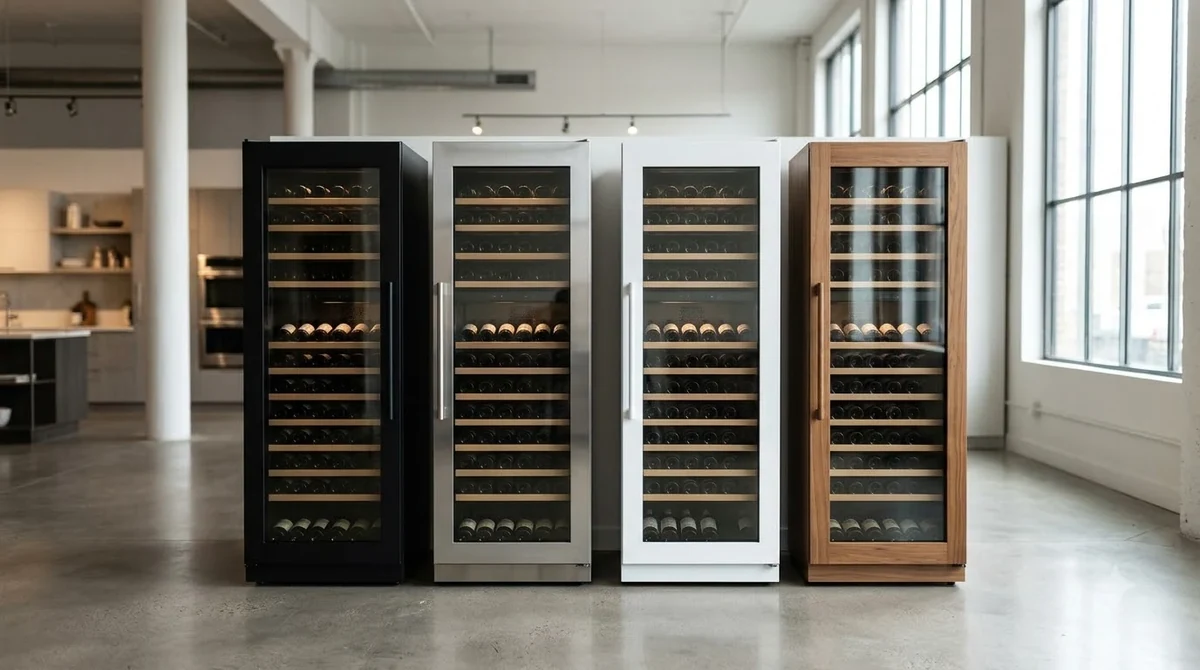
Compact kits also suit small bars and bar carts. They look tidy on display, and a guest can see how the seal works. Keep the pump near the bottles you open most often, because a tool that sits in another room will not get used.
If you are browsing a range of wine pump models, compare the stopper diameter, the material of the seal, and whether the pump head can be removed for rinsing. Those three details decide how well a kit lasts in daily use, more than the color or the packaging. A pump you can take apart for cleaning will stay hygienic, while a sealed unit collects residue around the valve over time.
Best for Frequent Use Without Hand Effort
Electric and battery pumps take the effort out of the process. You place the stopper, press a button, and the pump draws air from the bottle in a few seconds. For someone who opens several bottles a week, that speed matters, and it removes the hand strength some people find tiring.
The trade-off is charging and cleaning. A battery pump needs to be kept topped up, and the motor part should not get wet. Check how the stopper is cleaned and whether replacement seals are easy to find before you buy. A simple hand pump may be the better choice if you rarely open more than one bottle.
Keep a log for a few weeks if you are unsure. Write down how many bottles you open, how many you finish within two days, and how many get poured away. That short record shows whether a pump would save wine you would otherwise lose, and it helps you avoid buying a set you will rarely use.
Many people also find it helpful to plan which bottles to seal. Use the pump on a lighter white or a fruit-forward red that you intend to finish soon, and open a fresh bottle for a full dinner. Matching the bottle to the situation gets more value from the same tool.
Best for Gifts for Wine Lovers
A wine pump makes a practical gift for someone who finishes bottles at home or who keeps a small cellar. Choose a set with a clear seal and an easy pump, because the recipient will judge the gift by how well it works the first time they use it. Pairing a pump with a few wine accessories from the Accessories Library makes the gift feel complete.
When buying a gift, avoid anything that needs unusual parts or special charging cables you cannot easily replace. A simple, sturdy design usually gives the best result.
How to Choose a Wine Pump
Start with how often you finish bottles over several days. That habit should decide whether you need a hand pump, a full set, or an electric model. Then check the bottle sizes you use, the space you have to store the tool, and how easy it is to clean and replace the seal.
Tip: Before you rely on a pump, test it on an empty bottle you have already rinsed. Check that the stopper seats firmly and that the pump holds the seal for a few minutes without slipping.
If you want to understand the principle better, the Wikipedia article on vacuum pumps explains how a pump draws gas out of a sealed volume, which is the same idea behind wine vacuum stoppers. Knowing that helps you judge why a tight seal matters more than the number of strokes.
Frequently Asked Questions
Does a wine pump keep wine fresh for good?
No. A pump slows the effect of oxygen on an opened bottle, but it does not stop it. Lighter wines usually keep better for a short period, and the wine still changes over time, even when sealed.
Do I need an electric wine pump?
Not usually. A hand-pump stopper works well for occasional use. An electric model makes more sense if you open several bottles each week and want to avoid the effort of pumping by hand.
Can a vacuum stopper fit every bottle?
Most standard bottle necks work with a common stopper, but sizes and shapes vary. Check the stopper’s listed fit before buying, and test it on the bottles you open most often.
How long can an opened bottle last with a pump?
The gain is measured in days rather than weeks. Wikipedia’s wine accessories entry describes an extension of several days for vacuum-sealed stoppers. Taste the wine before serving, and discard it if it smells or tastes off.
A wine pump is a small tool with a clear job. Pick the style that matches how often you finish bottles, check that the stopper fits, and keep the pump somewhere you will remember to use it. Used this way, it can save a bottle you might otherwise pour away.
More in Wine Accessories
 Coravin Vs Vacu Vin: Choose the Right Wine Saver for Your BottlesUpdated Nov 21, 2026
 Zwilling Wine Stopper Review: Preserve Open Bottles LongerUpdated Nov 21, 2026
 Wine Enthusiast Wine Preserver Review: Features, Benefits and LimitationsUpdated Nov 21, 2026
 Wine Enthusiast Wine Stopper: An Easier Way to Reseal Open BottlesUpdated Nov 21, 2026
 Vintorio Wine Opener: Two-Step Cork RemovalUpdated Nov 21, 2026
 Zwilling Wine Aerator Review: Aerate, Pour, and Seal With One ToolUpdated Nov 21, 2026