

We may earn a commission when you buy through links on this page, at no extra cost to you. Learn more.
The best wine bottle protector for most people is a padded sleeve or case with a secure closure, because it guards the glass during travel and gives a partly finished bottle a snug cover at home. Choose by use: a padded sleeve suits carrying a bottle to a dinner, a hard case protects against drops on longer trips, and a reusable stopper or cover keeps dust and debris away from an open bottle. Each type protects a different risk, so match the protector to the job.
A wine bottle protector covers a different set of problems than a holder or a light. It might guard a bottle against bumps in a bag, reduce the chance of breakage on a road trip, or keep a partly used bottle sealed and clean on the counter. Protectors come as padded sleeves, molded cases, reusable covers, and stoppers. The sections below compare these types, explain what each does well, and list the features to check before buying.
Quick Comparison
Protectors differ mainly in how much impact they absorb, whether they seal the bottle, and how easy they are to carry. The table gives a quick view before the detailed sections.
| Protector type | Best use | Protection | Portability |
|---|---|---|---|
| Padded sleeve | Carrying to a dinner or party | Light padding on all sides | Very portable |
| Hard molded case | Road trips and gifting | Strong against drops | Bulkier |
| Reusable cover | Keeping a bottle clean at home | Blocks dust, little impact protection | Stays on the bottle |
| Stopper or cork cover | Resealing a partly used bottle | Slows air exposure | Stays on the bottle |
| Zippered travel bag | Flights and multi-bottle trips | Padded, closes fully | Carry handles or strap |
Best for Carrying Bottles to Dinners
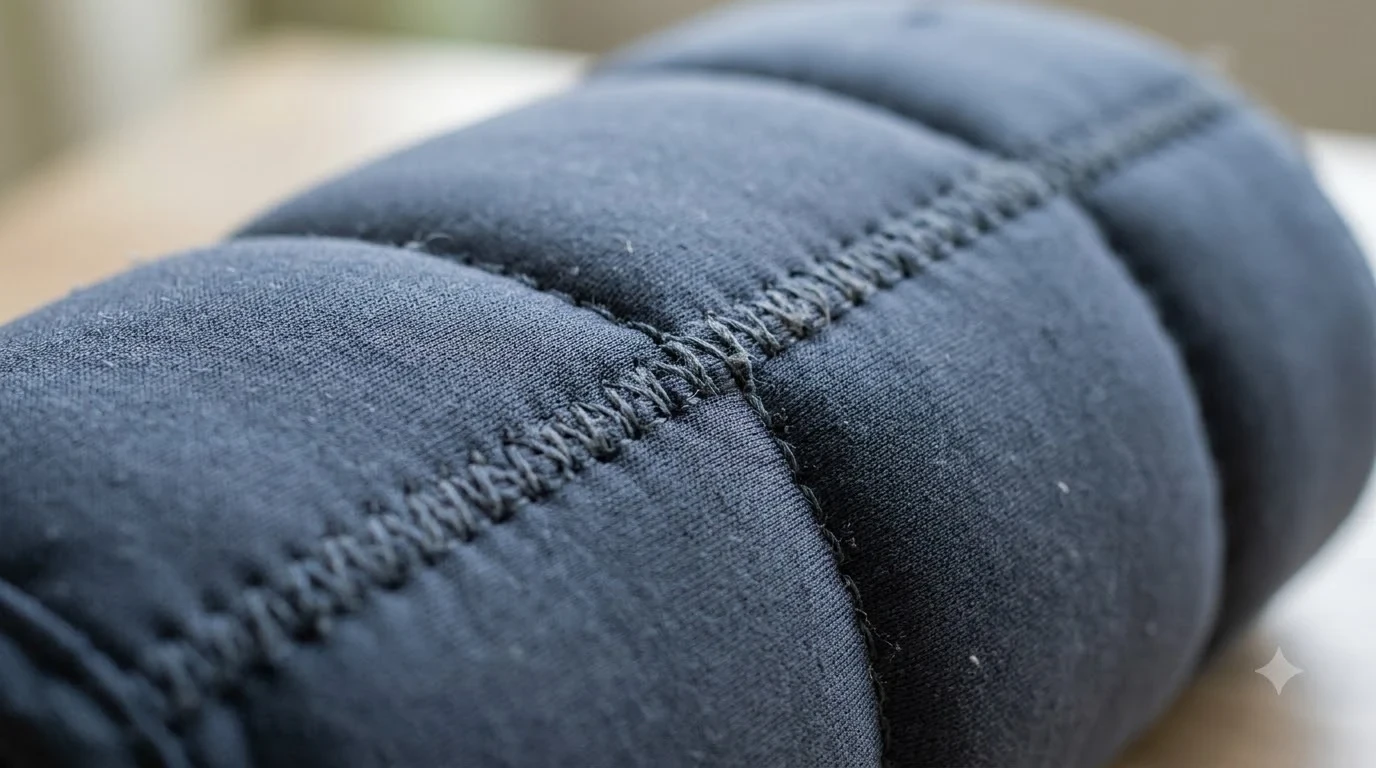
A padded sleeve is the easiest protector to carry and store. It slips over the bottle and cushions the glass against knocks, which helps when you bring a bottle to a friend’s home or a potluck where it will sit among other items.
Look for padding that covers the shoulder and base, since those are the parts most likely to strike something. A sleeve with a snug closure, such as a hook-and-loop strap, stays in place better than a loose slip. Sleeves do little against a hard fall, so they suit short trips and careful handling rather than rough travel.
Best for Road Trips and Gifting
Hard molded cases give the strongest protection for bottles that will travel in a car trunk or a checked bag. Their shell absorbs impacts that would crack a bottle in a soft sleeve, and many have foam inserts sized for a standard bottle.
Check the inner fit before buying. A case that is too large lets the bottle rattle, and one that is too small can put pressure on the neck. Cases are also bulkier, so they make more sense for a planned trip than an everyday carry. Some molded cases double as gift boxes, which is useful when you want the bottle presented well.
Best for Keeping an Open Bottle Clean
Reusable covers and stoppers protect a bottle that is already open or partly used. A cover keeps dust, insects, and debris out of the neck, while a stopper limits how much air reaches the wine. This matters because, as VinePair notes in its guide to storing open wine, extended air exposure gradually degrades wine, and the more surface area touching air, the faster the decline.
Choose a stopper that seals firmly and fits the neck. A loose cover offers little protection. Stoppers should be cleaned between uses, and a cover should be checked for dust buildup if it stays on the bottle for a long time.

Best for Air Travel
Zippered travel bags with padded dividers are designed for bringing several bottles or one bottle in a checked bag. They add a layer of protection that a single sleeve cannot provide, and many have carry handles or a shoulder strap.
Before flying, check the airline’s rules for liquids and glass, and pack bottles so they cannot shift against one another. A padded bag protects against typical baggage handling, but it does not guarantee that a bottle will survive a severe impact, so use a bag with a firm base and place it in the center of the suitcase.
Best for Multi-Bottle Gift Sets
Some protector sets pair two or three padded sleeves or cases with a simple carry bag. A set is useful when the bottles travel together, since the carry bag keeps them from knocking against each other on the way to a host’s home or a family gathering. They suit hosts who bring several bottles or gift a pair of wines together.
Count the sleeves against the number of bottles you plan to carry, and check that each one fits the bottle shape. A set is convenient, but unused pieces take up space, so buy only the number you will use.
Best for Budget Everyday Protection
Simple neoprene sleeves and basic reusable covers are the lowest-cost option for everyday protection. They are easy to wash, light enough to keep in a bag, and enough for short trips or keeping a bottle dust-free at home.
Budget protectors work best when the risk is minor, such as a bottle in a backpack for a short walk. They offer less impact protection than padded cases, so treat them as a practical choice, not a shield for fragile or expensive bottles.
A simple cover also fills a gap that the other types leave open. A bottle that is opened for a single glass at dinner and then stored in a bag or on a shelf benefits from a basic cover that keeps dust and small debris out of the neck. Rinse and dry the cover after use, and replace it when the closure loosens, since a worn cover no longer seals the neck well.
Budget choices also fit a tight travel plan. If a bottle is a gift that will be handed over at a dinner within an hour, a light sleeve is often enough. Save the padded case for longer trips or bottles that matter more to you, and keep the sleeve for everyday carrying.
How to Choose a Wine Bottle Protector
Start with the risk. A bottle in a car trunk or a checked bag needs padding and a firm shell. A bottle carried to a dinner needs a sleeve that stays on. A bottle that is already open needs a stopper or cover that seals the neck.
Tip: measure the widest part of the bottle, including the shoulder, before buying a sleeve. Protectors sized for a standard bottle may not fit a bottle with a broad shoulder or a tall neck.
Then consider how often you will use the protector. A reusable item is worth the cost if you carry bottles often, while a single-use or simple sleeve is enough for occasional trips. Finally, check the closure and the material. Hook-and-loop closures hold tightly, zippers are secure but take longer to open, and neoprene is flexible and easy to clean.
Frequently Asked Questions
Does a wine bottle protector keep wine fresh?
A protector mainly guards against physical damage and dust. For an opened bottle, a stopper that seals the neck slows air exposure, which is what affects freshness. Refrigerating a resealed bottle also helps.
Is a padded sleeve enough for air travel?
A sleeve can help for a short trip, but a padded bag or hard case gives more protection in checked baggage. Check the airline’s rules for liquids and glass and pack the bottle in the center of the suitcase.
How do I clean a reusable protector?
Most neoprene sleeves can be wiped or rinsed and then air-dried fully before reuse. Check the manufacturer’s instructions for any material that should not be soaked, and keep stoppers clean so they seal properly.
Will a bottle protector fit every bottle shape?
No. Standard sleeves are sized for common bottle shapes, and unusual shoulders or tall necks may not fit well. Measure the bottle’s widest point and confirm the size before buying a protector.
The right wine bottle protector depends on the risk you want to cover and how you move the bottle. Start with the situation, then choose the type and size that fits. For more on how a holder can complement a protector at home, see the wine bottle holder guide, and the accessories library lists other gear for carrying and serving wine.
More in Wine Accessories
 Coravin Vs Vacu Vin: Choose the Right Wine Saver for Your BottlesUpdated Nov 21, 2026
 Zwilling Wine Stopper Review: Preserve Open Bottles LongerUpdated Nov 21, 2026
 Wine Enthusiast Wine Preserver Review: Features, Benefits and LimitationsUpdated Nov 21, 2026
 Wine Enthusiast Wine Stopper: An Easier Way to Reseal Open BottlesUpdated Nov 21, 2026
 Vintorio Wine Opener: Two-Step Cork RemovalUpdated Nov 21, 2026
 Zwilling Wine Aerator Review: Aerate, Pour, and Seal With One ToolUpdated Nov 21, 2026