

We may earn a commission when you buy through links on this page, at no extra cost to you. Learn more.
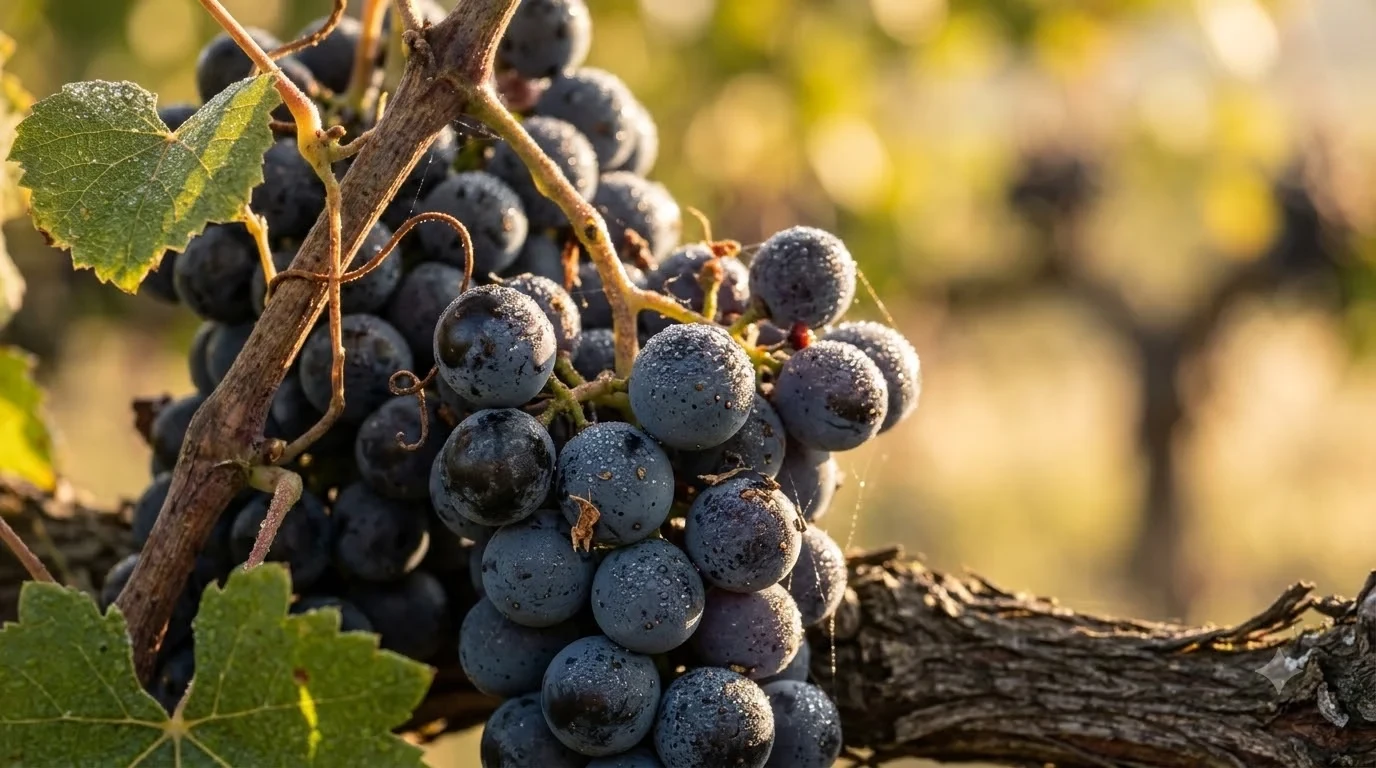
The cabernet franc grape is a red variety from France that shows red fruit, bell pepper, and herbal notes, with high acidity and medium-high tannins. It is one of the parents of Cabernet Sauvignon, Merlot, and Carménère, and it is grown in Bordeaux, the Loire Valley, Italy, and parts of the United States and Chile, where it shifts style with the climate.
Cabernet Franc is often overlooked next to its famous child, Cabernet Sauvignon, but many wine drinkers enjoy it more. This guide explains where the grape comes from, how it tastes in different climates, how it is blended, and how to serve and pair it. It is written for shoppers who want to know what a Cabernet Franc bottle will taste like before they open it.
Where Cabernet Franc comes from
Cabernet Franc is believed to have originated in France, most likely near Bordeaux. It is known by other names in some regions, including Breton and Bouchet. Its role in wine history is significant, because it is a parent of Cabernet Sauvignon, which came from a cross with Sauvignon Blanc, and of Merlot and Carménère. That family connection explains why the grape shows up so often in red blends around the world.
The grape is still widely planted in France, where it is especially important in the Loire Valley and in the Right Bank of Bordeaux. Outside France, Italy is one of its largest producers, and the variety is also planted in California, Chile, and other wine regions. The grape adapts well to different climates, which is why the same name can describe very different wines.
How Cabernet Franc tastes
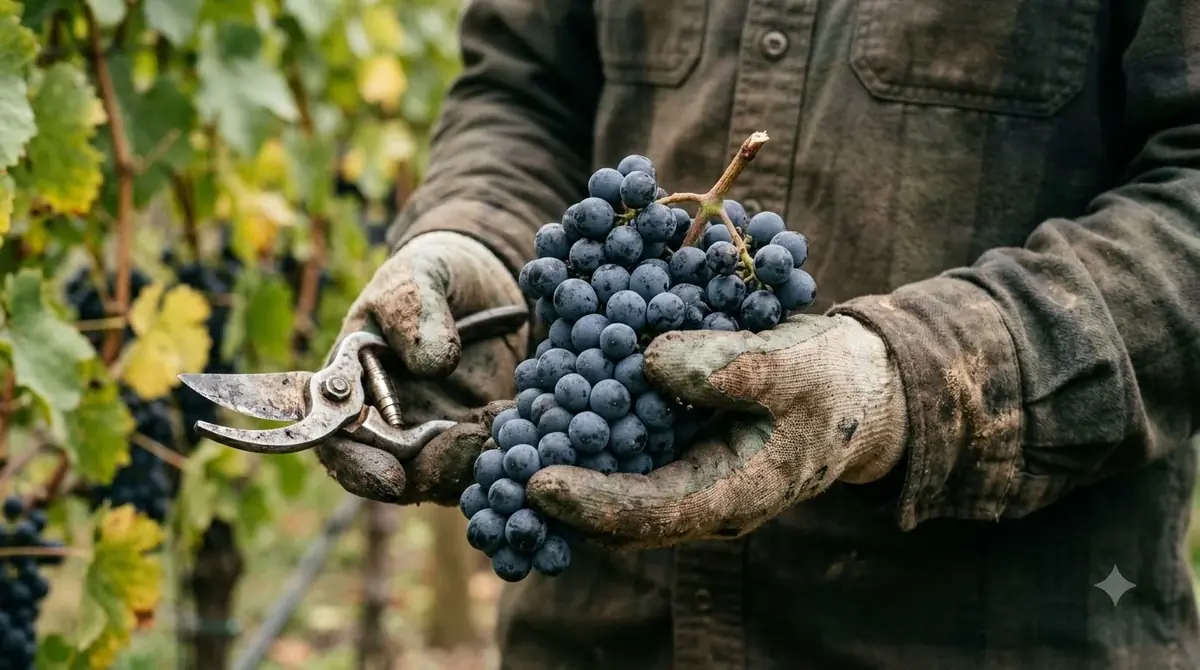
The grape’s most recognizable character is its herbal and bell pepper aroma, which comes from a natural compound called IBMP that is also found in Sauvignon Blanc. Underneath, it shows red fruit such as raspberry and strawberry. In cooler climates, Cabernet Franc often adds violet and pencil lead notes, while in warmer climates it leans toward dried fruit and a spicy, cayenne-like edge.
Structurally, Cabernet Franc has high acidity and medium-high tannins. Tannins are usually softer in cool climates and firmer in warm ones. Alcohol typically falls between about 11.5 and 13.5 percent, which makes it a lighter, more food-friendly red than many big Cabernet Sauvignons. The acidity is what gives it lift on the palate, and it is one reason the grape works so well with tomato-based and vinegar-based dishes.
Cabernet Franc also depends on ripeness. When the fruit is picked too early or the vines carry too much crop, the wine can taste green and vegetal, with a harsh edge that many drinkers find unpleasant. The best examples come from vineyards that ripen the grapes fully while keeping the acidity and the herbal freshness in balance.
| Region | Typical style | What to look for |
|---|---|---|
| Loire Valley (Chinon, Bourgueil, Saumur-Champigny) | Lighter, cool-climate wines | Red fruit, herbal notes, high acidity |
| Bordeaux (Right Bank) | Blended with Merlot, sometimes dominant | Fuller body, structure, and aging potential |
| Italy (Friuli, Tuscany) | Varietal wines and blends, including Super Tuscan styles | Ripe fruit with a savory, herbal edge |
| California (Sierra Foothills) | Riper, fruit-forward styles | Plush red fruit and a softer finish |
| Chile (Colchagua Valley) | Bolder, riper examples | Concentrated fruit and firmer tannins |
Cabernet Franc in blends and as a single variety
In Bordeaux, Cabernet Franc is usually blended with Merlot and sometimes with Cabernet Sauvignon. On the Right Bank, some wines are dominated by Cabernet Franc, and they can be full-bodied and built to age. In the Loire, it is more often made as a single-variety wine, and the cooler climate keeps the style light, fresh, and aromatic.
Many producers outside France now bottle Cabernet Franc on its own, especially in the United States and Chile. A single-variety bottle lets you taste the grape’s character directly. A blend shows how the grape softens the structure of Merlot or adds herbal lift to Cabernet Sauvignon, so it is worth trying both kinds to understand the variety.
Tip: To learn the grape quickly, compare a Loire Cabernet Franc with a Sierra Foothills or Chilean one. The difference in fruit, tannin, and herbal character shows how much the climate shapes the wine.
How to serve and decant Cabernet Franc
Serve Cabernet Franc slightly cool, at around 60 to 68 degrees Fahrenheit (15 to 20 degrees Celsius). Serving it too warm makes the wine taste heavy and less fresh, while serving it too cold can mute the aromas. A short chill in the refrigerator before serving is often enough to bring a bottle into the right range.
Fuller-bodied bottles benefit from decanting for around 30 minutes, which softens the tannins and lets the aromas open. Lighter Loire styles usually do not need decanting. If you are unsure, pour a glass straight from the bottle and compare it with one from a decanter after half an hour.
What to pair with Cabernet Franc
The grape’s acidity makes it a versatile partner at the table. Lighter Loire styles suit goat cheese, eggplant parmesan, and roast chicken or turkey. Fuller Bordeaux and Italian styles pair with roasted lamb, wild game, and rich lentil stews. Tomato-based dishes and barbecue sauces also work well because the acidity cuts through the richness.
When cooking, match the herbs in the dish to the herbal character of the wine. Thyme, sage, and bay work well with the savory notes in Cabernet Franc, while a simple tomato sauce echoes its fruit. If you enjoy a green-pepper character in a wine, a grilled vegetable plate with peppers and olive oil is a natural match.
How to choose a bottle
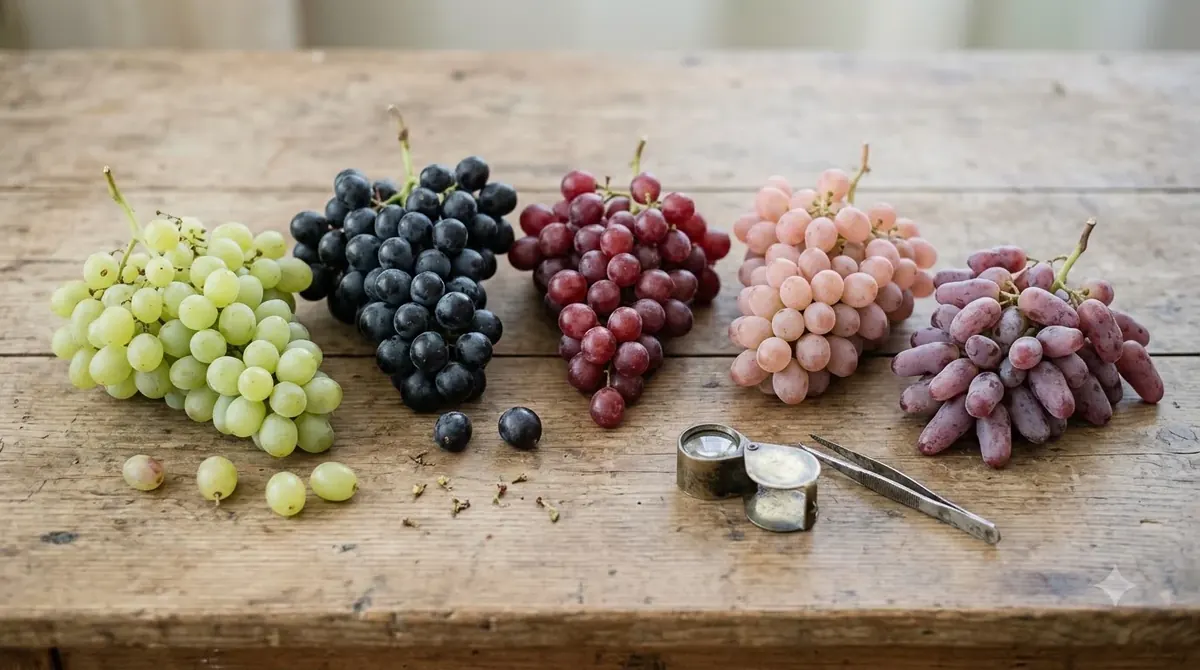
Start by checking the region on the label. A Loire Cabernet Franc will be lighter and more aromatic, while a Bordeaux or California bottle will show more body and fruit. Look for the vintage and the producer’s description of the vineyard, since ripeness varies from year to year. If the wine is labeled as a blend, check the grape list to see how much Cabernet Franc it contains.
If you like Cabernet Sauvignon, a Cabernet Franc with a bit more fruit may be a good step, since it shares some of the same structure with a softer edge. For a different experience, try a dry rosé made from Cabernet Franc, which shows red currant and raspberry. For another red grape with a distinct aroma profile, the Pinot Noir grape guide explains how a lighter, perfumed red compares.
Frequently Asked Questions
What does Cabernet Franc taste like?
Cabernet Franc usually shows red fruit such as raspberry and strawberry, along with herbal and bell pepper notes. Cooler climates add violet and pencil lead, while warmer climates bring dried fruit and spice.
Is Cabernet Franc sweeter than Cabernet Sauvignon?
Not usually. Cabernet Franc typically has high acidity and somewhat lower tannins than Cabernet Sauvignon, so it often tastes fresher and lighter, though fruit ripeness varies by region and vintage.
Should Cabernet Franc be chilled?
Serve it slightly cool, at around 60 to 68 degrees Fahrenheit. A short time in the refrigerator before serving is usually enough, and it helps keep the aromas and fresh acidity in balance.
Where is Cabernet Franc grown?
It is grown mainly in France, especially in the Loire Valley and Bordeaux, and it is also planted in Italy, California, Chile, and other regions. The style changes with the climate.
Cabernet Franc deserves a place in any red collection, whether you buy a Loire bottle for its freshness or a Bordeaux blend for its depth. To see how it fits with other varieties, visit the Wine by Type section, and read the Wine Folly Cabernet Franc profile for more detail on its aromas and regions.
More in Wine Types & Grapes
 Zinfandel Sugar Content: Dry Red vs. White Zinfandel GramsUpdated Nov 21, 2026
 Best Zinfandel Substitute Options for Sipping and CookingUpdated Nov 21, 2026
 Zweigelt Food Pairing: Best Dishes, Cheeses, and Serving TipsUpdated Nov 21, 2026
 Zinfandel Tannins Explained: How Structure Shapes Every BottleUpdated Nov 21, 2026
 Zinfandel Sweetness Level: Dry Red vs. Sweet White Zin ExplainedUpdated Nov 21, 2026
 Xinomavro Food Pairing: Best Dishes, Styles, and Serving TipsUpdated Nov 21, 2026