

We may earn a commission when you buy through links on this page, at no extra cost to you. Learn more.
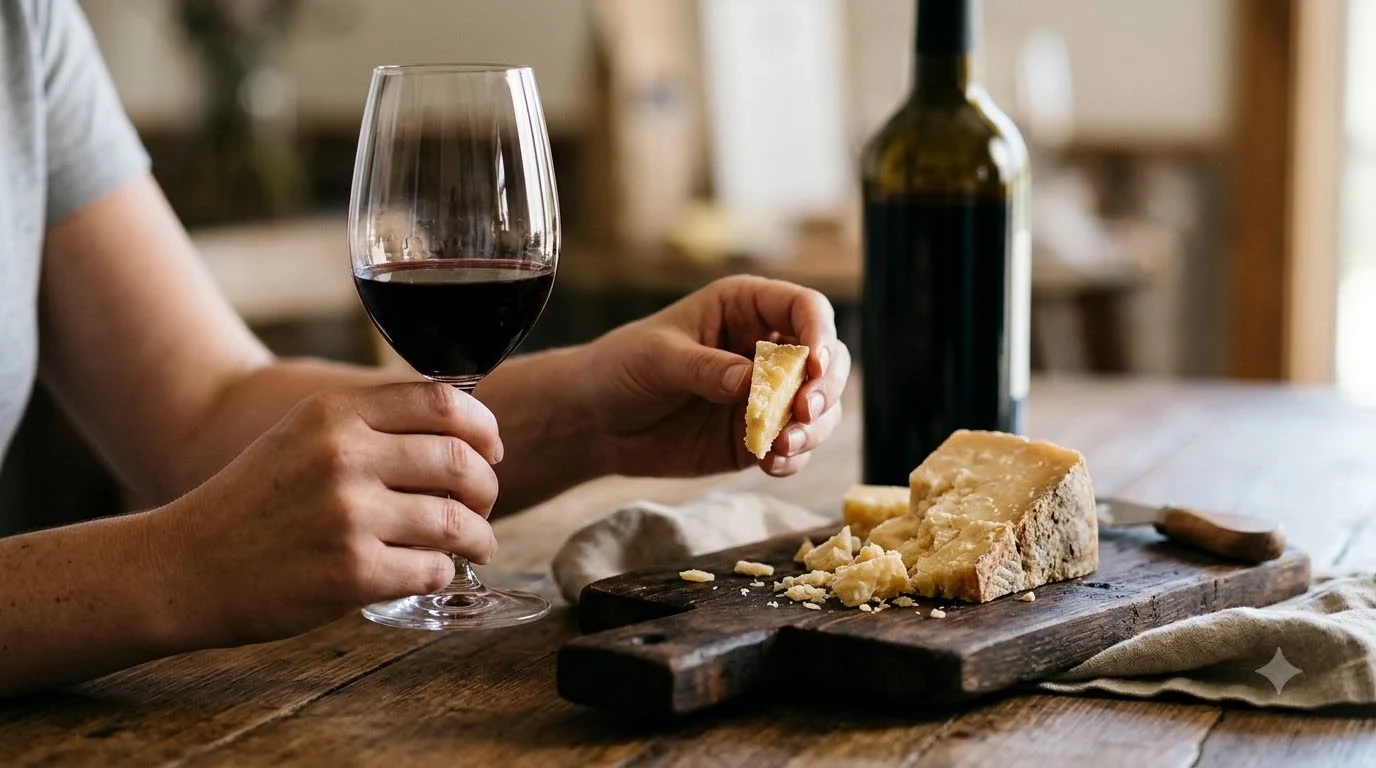
St Laurent wine is a dry red made from the St Laurent grape, a variety grown mainly in Austria and the Czech Republic, and it tends to be soft, medium bodied and fruity with a hint of spice. The grape has low tannin and medium-high acidity, which makes it easy to drink with food. Typical bottles sit between about 11.5 and 13.5 percent alcohol by volume, so the wine is moderate in strength for a red.
This guide covers where St Laurent comes from, how the wine tastes, how to serve it and which dishes suit it. If the name has come up on an Austrian or Czech wine list, the sections below explain what to expect in the glass before you order.
What St Laurent Wine Is
St Laurent is a red grape variety, sometimes written as Sankt Laurent, that is best known in Central Europe. Its origin is still debated. The Wine Folly guide to St. Laurent describes the grape as likely originating in Austria, and the Wikipedia entry on the grape notes that DNA analysis points to a cross of Pinot noir with a second parent, possibly Savagnin.
That mix of Pinot noir and an aromatic white parent helps explain the grape’s character. It is a red with the perfume and elegance that many people associate with Pinot, but with a more generous fruit profile and a deeper color in most modern wines.
The grape goes by more than thirty names in different languages, including Blauer Saint Laurent, Chvartser, Svatovavřinecké and Vavrinak. Those synonyms can make it harder to spot on a label, so look for any of them when you are browsing a list from Central Europe.
Flavor and Style
St Laurent is usually described as a dry wine with medium body. Its aromas often include raspberry, blackberry, sweet tobacco, baking spices and chocolate, and many wines show cherry as the leading fruit note. The overall impression is of a fruity red with a soft texture rather than a grippy one.
Tannin is low and soft, which is one of the grape’s main calling cards. Acidity is medium-high, so the wine stays fresh on the palate even when the fruit is generous. The combination gives the wine a balanced feel that many drinkers find easy to enjoy.
| Trait | What to expect |
|---|---|
| Body | Medium |
| Tannin | Low and soft |
| Acidity | Medium-high |
| Fruit | Cherry, raspberry, blackberry |
| Spice | Baking spices, sweet tobacco, chocolate |
| Alcohol | About 11.5 to 13.5 percent ABV |
Tip: Because St Laurent is a soft red, it is a good first red for guests who find heavy tannins hard to enjoy. It works well as an approachable bottle for a mixed group.
Where St Laurent Grows
St Laurent is one of the main red varieties in the Czech Republic. According to the Wikipedia entry, it is the second-most widely planted red grape there and is grown across all wine subregions in Moravia and Bohemia, covering roughly 6 percent of vineyards.
In Austria, the grape is the third most popular red variety. Most plantings are in Lower Austria and Burgenland, and the area under vine declined in the 1990s before expanding again in the 2000s. Because the grape likes cool climate regions, it suits the continental conditions of Central Europe, where it develops its aromatic character.
How to Serve St Laurent
Serve St Laurent slightly cool. Wine Folly suggests serving it between 55 and 60 degrees Fahrenheit, or about 12 to 15 degrees Celsius, which keeps the fruit lively and prevents the wine from tasting flat or overly warm. A cool room is usually enough to reach that range before you pour.
Decanting is not usually needed for this style, since the tannins are soft and the wine opens well in the glass. A standard red wine glass with a moderate bowl is a good choice, and a larger bowl helps the spice and fruit aromas gather as the wine warms slightly.
Cellaring is also an option. Reference material suggests that many St Laurent wines can age for five to ten years, so a well-stored bottle can develop extra complexity. Keep bottles on their side in a cool, dark place until you are ready to open them. If you do not finish an opened bottle, re-cork it and keep it in the refrigerator, where the fruit should hold for a few days and the wine tastes fresh when you pour the next glass.
Food Pairing
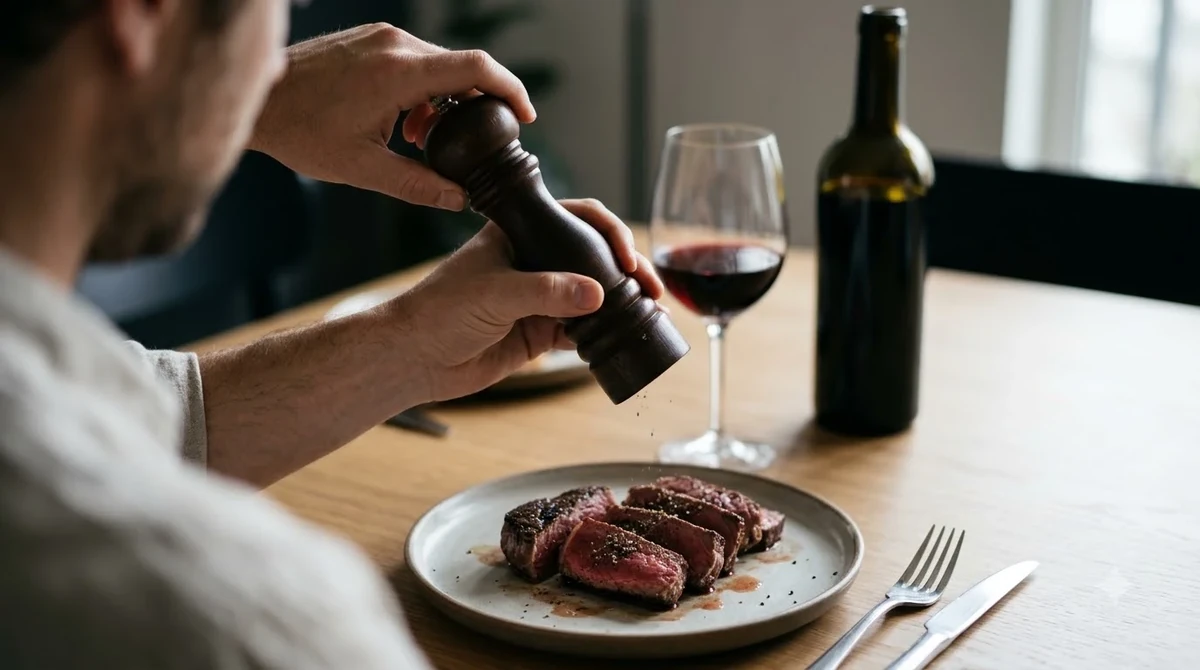
St Laurent pairs well with richly flavored dishes. Roast duck is a classic match, because the wine’s fruit and gentle tannin line up with the fat of the bird. Mushroom risotto is another strong option, since the earthy notes in the rice dish match the wine’s savory side.
Cured meats and charcuterie also work, especially a board with dried sausage, ham and a few olives. For a simpler dinner, try roast chicken with herbs or a mild pork dish with apples. The soft tannin keeps the wine from overwhelming lighter proteins, and the medium-high acidity cleans the palate between bites.
For a vegetarian meal, try the wine with a plate of roasted vegetables, lentils or a hearty mushroom stew. The earthy side of these dishes complements the spice notes in the glass, and the wine’s soft texture keeps the meal feeling relaxed rather than heavy.

How to Choose a Bottle
When you choose a St Laurent, check the country and region on the label first. Austrian bottles from Lower Austria and Burgenland tend to be the most common, while Czech bottles from Moravia are another reliable source. Look for the producer’s name as well, because the grape’s style can vary a great deal between small estates. A producer’s own description of the wine is often the quickest way to learn whether the bottle leans toward fresh fruit or toward a richer, more savory style.
If you enjoy comparing aromatic reds, our guide to black muscat wine covers another variety with a distinctive perfume. For a wider overview of red families and their styles, start with the Wine by Type guide and see how St Laurent fits among the other options.
Look for the Austrian term “Sankt Laurent” on the label as well, since some producers use the full name rather than the shorter St Laurent. Both point to the same grape, so you do not need to hunt for a different variety.
Check the vintage and the producer notes before buying several bottles of the same wine. Young St Laurent is usually fresh and fruity, while bottles that have had time in the cellar can develop more savory and earthy character.
Frequently Asked Questions
Is St Laurent wine sweet or dry?
St Laurent is a dry red. Its fruit can taste generous, but the wine itself has no residual sweetness in the usual style.
What does St Laurent taste like?
Expect cherry, raspberry and blackberry, with baking spices, sweet tobacco and sometimes chocolate. The tannins are soft and the acidity is medium-high.
Where does St Laurent come from?
The grape is best known in Austria and the Czech Republic. Its exact origin is uncertain, although Austria is listed as the origin in most references.
What food goes with St Laurent?
Roast duck, mushroom risotto and cured meats are strong matches. Roast chicken with herbs and mild pork dishes also work well with the wine’s soft tannins.
St Laurent is a good choice if you want a fruity, food-friendly red with soft tannins and a bit of spice. Start with a bottle from Austria or the Czech Republic, then compare the next one to see how the style changes from producer to producer.
More in Wine Types & Grapes
 Zinfandel Sugar Content: Dry Red vs. White Zinfandel GramsUpdated Nov 21, 2026
 Best Zinfandel Substitute Options for Sipping and CookingUpdated Nov 21, 2026
 Zweigelt Food Pairing: Best Dishes, Cheeses, and Serving TipsUpdated Nov 21, 2026
 Zinfandel Tannins Explained: How Structure Shapes Every BottleUpdated Nov 21, 2026
 Zinfandel Sweetness Level: Dry Red vs. Sweet White Zin ExplainedUpdated Nov 21, 2026
 Xinomavro Food Pairing: Best Dishes, Styles, and Serving TipsUpdated Nov 21, 2026