

We may earn a commission when you buy through links on this page, at no extra cost to you. Learn more.
What does Bordeaux taste like? Usually dark fruit, cedar, and graphite in the reds, with firm tannins, and crisp citrus in the dry whites. The taste shifts with the blend and the bank of the river where the grapes grew. Red Bordeaux from the Left Bank is structured and built to age, while Right Bank reds are plusher and softer. Dry white Bordeaux is mostly Sauvignon Blanc, often with Sémillon, and it can carry a light oak note.
Bordeaux is one of the most famous wine regions in France, and the name covers a large range of styles. Many shoppers see the label and expect a big, dry red, which is a fair guess because reds make up most of the region’s output. This guide explains what to expect in the glass, how the styles differ, and how to match a bottle to a meal.
What Bordeaux Red Tastes Like
Most Bordeaux red is a blend built around Merlot, Cabernet Sauvignon, and Cabernet Franc. The typical flavor profile leans toward black cherry and black currant, with notes of cedar, baking spice, and pencil lead as the wine ages. Reviewers writing for Wine Folly describe Bordeaux Cabernet as showing tobacco leaf and graphite, and they rate its tannin and acidity as medium-high. That combination gives the wine its grip and its ability to hold up to rich food.
Basic Bordeaux AOC reds are the easiest place to start. They tend to be fruity, with little oak, and they are meant to be drunk young. Bordeaux Supérieur reds are more often aged in oak, which adds vanilla and toast to the fruit. Higher-tier bottles can take years to soften, so a young wine from a top property may taste tight and dry until it has rested.
Left Bank vs. Right Bank Styles
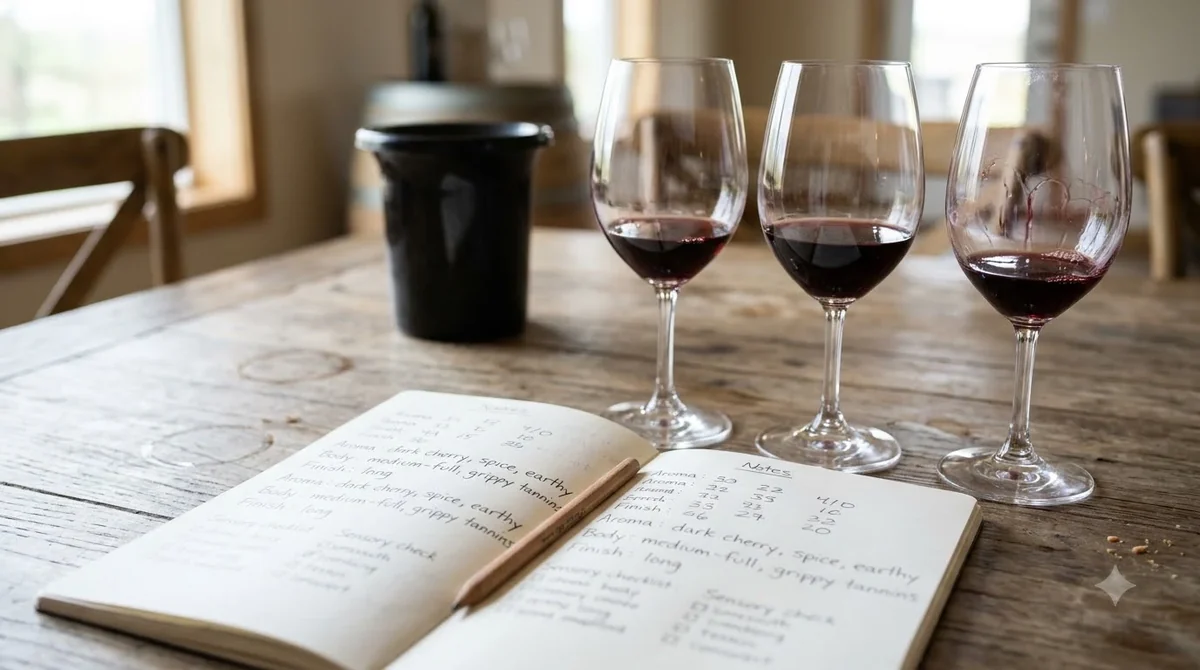
The region is split by the Gironde estuary and its rivers, and the two sides produce noticeably different wines. The Left Bank, which includes the Médoc and Graves, is dominated by Cabernet Sauvignon. These wines are described as concentrated, tannic, and long-lived, and they are usually meant for cellaring. The Right Bank, centered on Libourne, is led by Merlot. Its reds show great fruit concentration and softer tannins, so they often feel more approachable when young.
That difference is the quickest way to read a label. A Médoc will usually feel firmer and more savory, while a Saint-Émilion or Pomerol will usually feel rounder and riper. The Left Bank’s gravel soils suit Cabernet Sauvignon, and Wine Folly notes that most Bordeaux Cabernet ends up in the regional blend rather than bottled alone. On the Right Bank, clay and limestone soils favor Merlot, which ripens early and gives the wine its plush fruit.
Vintage matters too. A warm year tends to produce riper, rounder reds, while a cooler year can bring out more acidity and a leaner structure. Because the region is so large, two bottles with the same name from different years can taste quite different, so the vintage is worth checking on the label.
| Style | Main grape | Typical taste | Drink when |
|---|---|---|---|
| Basic Bordeaux AOC red | Merlot blend | Fresh red fruit, little oak | Young |
| Right Bank red | Merlot | Ripe fruit, softer tannin | Medium term |
| Left Bank red | Cabernet Sauvignon | Dark fruit, firm tannin, cedar | Long term |
| Dry white | Sauvignon Blanc with Sémillon | Citrus, herbs, sometimes oak | Young to medium |
| Sauternes | Sémillon (noble rot) | Honey, apricot, sweetness | Medium to long |
What White Bordeaux Tastes Like
White Bordeaux is a smaller part of the region, but it is worth knowing. Most dry whites are based on Sauvignon Blanc or on blends led by Sauvignon Blanc with Sémillon. The better bottles often show a clear oak influence, which adds weight and a creamy texture next to the citrus and grassy notes. Plain versions are fresh and bright, with a clean finish that suits a light lunch.
Dry white Bordeaux also suits people who usually drink Sauvignon Blanc from other regions. The Bordeaux version tends to be a little more restrained, with a hint of cream or toast when oak is used, and it often pairs better with food than with a casual glass on its own.
Sweet white Bordeaux comes from grapes affected by noble rot, and Sauternes is the best known example. These wines taste of honey, dried apricot, and orange peel, and they balance their sugar with acidity. They are served in small pours and pair well with blue cheese or fruit desserts.
Grapes Behind the Flavor
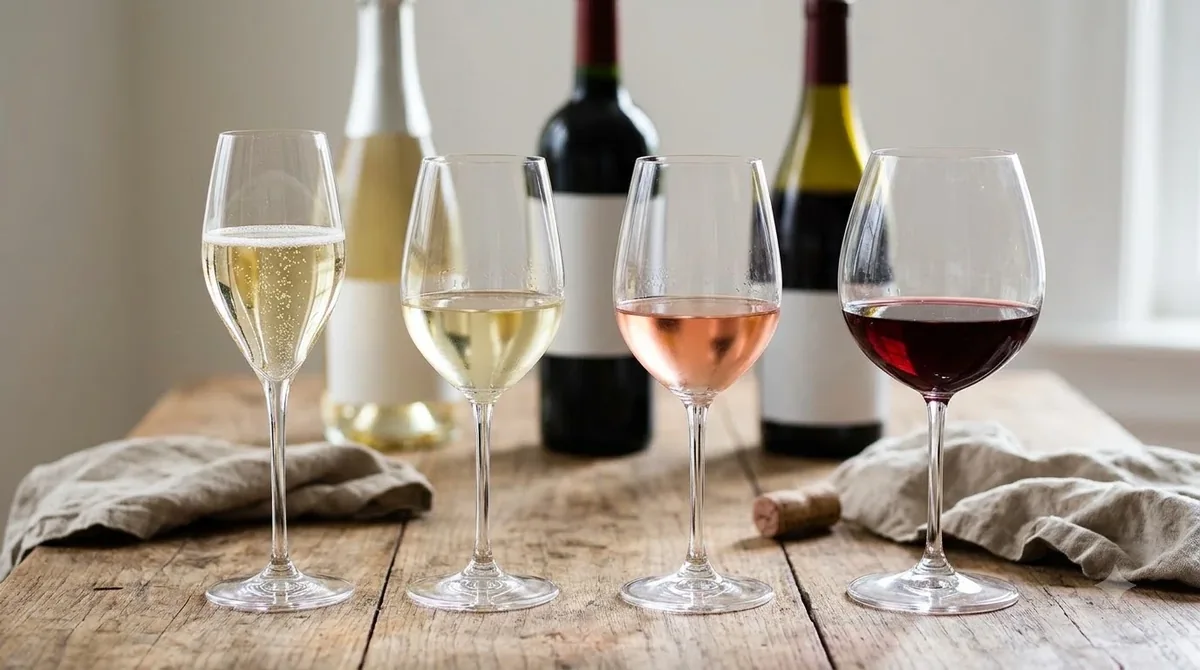
The main reason Bordeaux tastes the way it does comes down to the grapes planted in the vineyards. Merlot makes up most of the red plantings, followed by Cabernet Sauvignon and Cabernet Franc. Sémillon and Sauvignon Blanc dominate the white plantings. Blends are the norm, and the mix changes from estate to estate. A wine labeled simply Bordeaux is usually a blend of several varieties, not a single grape.
For a wider view of how Cabernet Sauvignon shapes its flavor across regions, Wine Folly’s Cabernet Sauvignon guide compares Bordeaux with California, Australia, and Chile. If you want to explore the grape more closely, the malbec profile offers a useful contrast with another dark, structured red.
How to Serve Bordeaux
Serving temperature changes how the wine tastes, and Bordeaux reds reward a little care. Young, fruity reds show best slightly cooler than room temperature, which keeps them lively. Structured Left Bank reds benefit from a bit of air, so pouring them into a large glass or decanting an hour before serving can soften the tannin. Older bottles should be opened closer to the time you plan to drink them, since they can fade quickly.
Tip: Use a glass with a wide bowl for Bordeaux reds so the aromas have room to open. A narrower glass works well for dry whites.
Food Pairings for Bordeaux
Bordeaux reds match well with foods that have enough fat or protein to handle the tannin. Roast lamb, beef, and aged cheese are classic partners. The dish does not need to be heavy, though. Grilled mushrooms or a lentil stew can also bring out the wine’s savory side. Dry white Bordeaux suits seafood, roast chicken, and salads with goat cheese, where its acidity keeps the plate lively.
When you want a red that stays easy to drink, a Right Bank bottle is a good pick. For a more serious meal, a Left Bank wine with a few years of age will show more depth.
Frequently Asked Questions
What does Bordeaux taste like in general?
Red Bordeaux usually tastes of black cherry, black currant, and cedar, with firm tannin. Dry white Bordeaux is usually citrusy and herbal, sometimes with a touch of oak.
Is Bordeaux always red wine?
No. Red wine is the large majority of production, but the region also makes dry white and sweet white wines, including Sauternes.
What is the difference between Left Bank and Right Bank Bordeaux?
Left Bank reds are mostly Cabernet Sauvignon and are firmer and more long-lived. Right Bank reds are mostly Merlot and are softer and fruitier when young.
Should Bordeaux be decanted?
Young, structured Bordeaux often benefits from decanting or time in a large glass. Older bottles should be poured carefully, because they can lose their fruit quickly after opening.
Bordeaux is a region that rewards curiosity. Start with a Right Bank red for an easy introduction, then try a Left Bank bottle with a meal to see how the tannin changes. For more styles to compare, browse the Wine by Type guide.
More in Wine Types & Grapes
 Zinfandel Sugar Content: Dry Red vs. White Zinfandel GramsUpdated Nov 21, 2026
 Best Zinfandel Substitute Options for Sipping and CookingUpdated Nov 21, 2026
 Zweigelt Food Pairing: Best Dishes, Cheeses, and Serving TipsUpdated Nov 21, 2026
 Zinfandel Tannins Explained: How Structure Shapes Every BottleUpdated Nov 21, 2026
 Zinfandel Sweetness Level: Dry Red vs. Sweet White Zin ExplainedUpdated Nov 21, 2026
 Xinomavro Food Pairing: Best Dishes, Styles, and Serving TipsUpdated Nov 21, 2026