


We may earn a commission when you buy through links on this page, at no extra cost to you. Learn more.
The roditis grape is a pink-skinned Greek variety, traditionally grown in the Peloponnese, that makes light, aromatic white wines with lively acidity. It is most often seen in Greece, where it is a key grape for wines from Patras and is also blended with Savatiano to make Retsina. Its acidity holds up well in warm climates, which is why it was valued in hot Mediterranean vineyards long before it became widely known outside Greece.
Roditis is one of the less familiar white grapes on wine shop shelves, but it has a long history in Greek viticulture. This guide explains where the grape comes from, how its wines taste, how to serve them, and what foods to pair with them, so you know what to look for on a label.
What Roditis Is
Roditis is a Greek grape variety. According to the Wikipedia entry for Roditis, it is described as a pink-skinned Greek wine grape. Despite the color of its skin, the grape is used to make white wine, and the pink tint does not carry into the glass in most bottlings.
The name is closely tied to Greece, and the grape has a long record in the country’s vineyards. Its importance was recognized in the past, when it was considered a valuable variety in the Peloponnese, and it remains part of the wine culture of that region today.
Where Roditis Grows
Roditis is most closely associated with the Peloponnese, the large peninsula in southern Greece. The grape is also linked to the city of Patras, where it is described as the principal grape behind wines named after the city. Other traditional areas include Volos and Thessaly in central Greece.
The grape also has a history outside Greece. Wikipedia notes that it was grown in the former Greek colony of Anchialos, now the Bulgarian city of Pomorie, which shows how far Greek viticulture once spread along the Black Sea coast. Today, the grape is grown mostly in Greece, so most bottles you can find will be labeled with a Greek region or with the producer’s name.
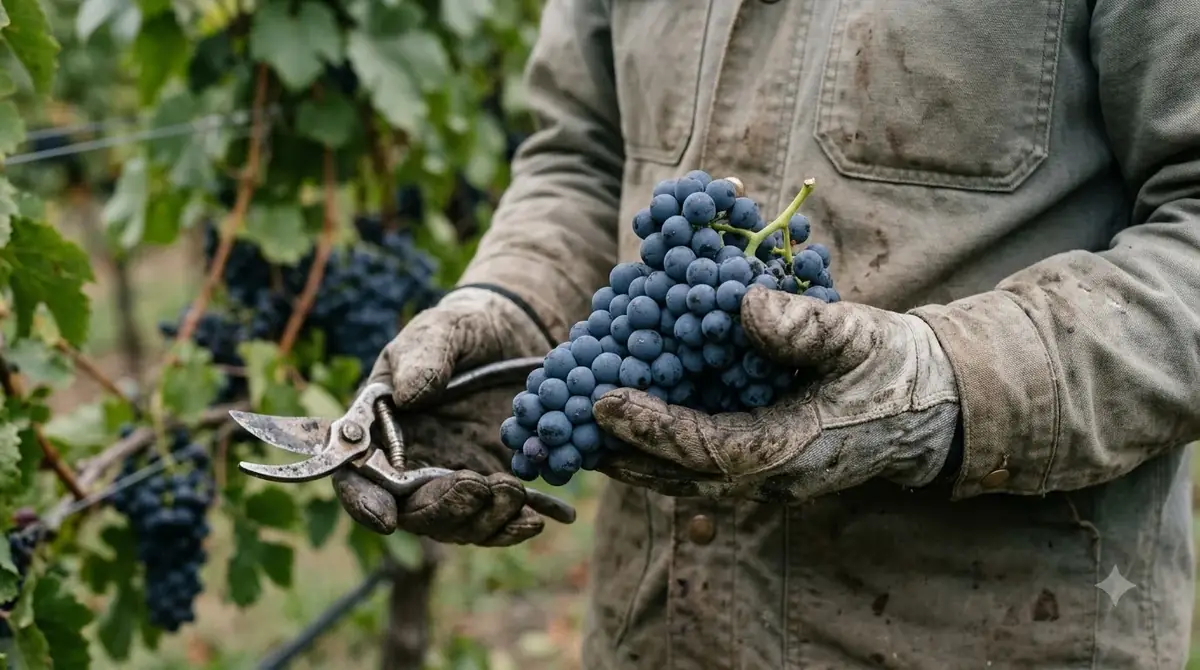
Flavor, Acidity, and Ripening
Roditis is valued for its acidity. Historically, growers prized it because it ripens late and keeps its acidity even in hot climates, when many other white grapes lose their freshness. That quality gives the wines a crisp, lively structure that suits warm weather and simple foods.
Because the grape is so closely tied to its place, a roditis from the Peloponnese may taste quite different from one blended in a Retsina. Context matters, and the same grape can express itself as a simple, fresh white or as a stronger, resin-flavored style depending on how it is made.
Wines made from roditis are generally light to medium in body and aromatic rather than heavy. Wikipedia describes the wines from Patras as delicately perfumed, which points to floral and fruity notes rather than the rich, oaky character of some international whites. Exact aroma descriptions vary by producer, so tasting notes from the winery are the best guide to a specific bottle.
Wine Styles: From Table Wine to Retsina
Roditis appears in several styles. As a varietal or lightly blended white, it is served as a fresh, everyday wine with a clean finish. The grape is also widely used in blends, and it is an important component of Retsina, the traditional Greek wine flavored with pine resin. In Retsina, roditis is most often blended with Savatiano, which gives the wine its characteristic style.
Because the grape has been affected by vineyard diseases such as powdery mildew and phylloxera, plantings declined during the twentieth century. Today it is still less common than the country’s best-known grapes, so bottles are easiest to find from specialist shops.
| Style | What to expect | Serve with |
|---|---|---|
| Varietal white | Light, aromatic, lively acidity | Salads, grilled fish, mezze |
| Blended white | Softer fruit, clean finish | Roast chicken, soft cheeses |
| Retsina (blend) | Resinous pine notes, dry, bright | Grilled meats, fried seafood, olives |
Tip: Check the label for the Greek region and blend. Roditis-led wines are usually named by region, and the blend tells you whether you are getting a crisp white or a resinous Retsina.
How to Serve Roditis
Roditis is usually served chilled, since cooler temperatures emphasize its freshness and acidity. A standard white wine glass works well for the lighter, aromatic styles. Retsina is traditionally served very cold, which tempers the resin and brings out its bright, dry character.
Once opened, keep the bottle in the refrigerator and finish it within a few days. The acidity that defines the grape is part of what makes the wine refreshing, and it is best enjoyed while the wine is still fresh.
Food Pairing for Roditis
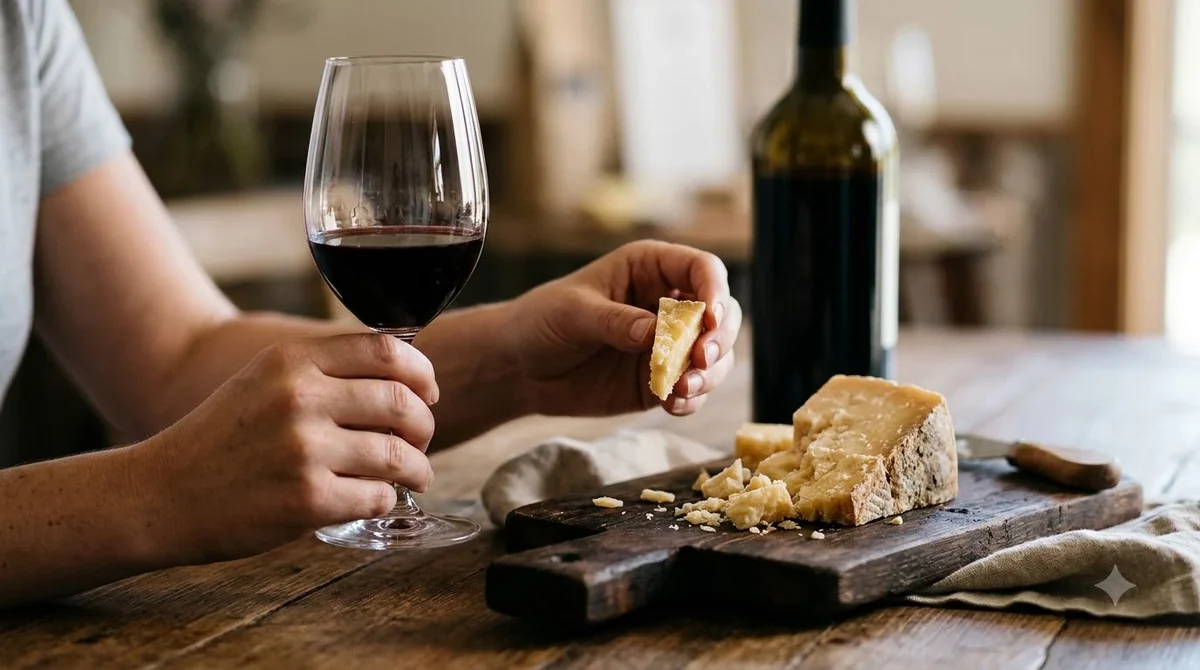
The grape’s acidity makes it a natural match for Greek food, especially dishes that are fresh, salty, or grilled. Grilled fish, octopus, and seafood salads pair well with a crisp roditis, as do vegetable dishes with olive oil and lemon. Soft cheeses and mezze plates with olives and dips also suit the lighter styles.
For Retsina, the pairing rules are different. The resinous character stands up to fried foods, grilled meat, and strong salty cheese. When in doubt, match the wine’s weight to the dish: a light roditis for delicate food, and a bolder blend for rich or spicy cooking.
How to Choose a Roditis Bottle
Start by deciding what style you want. If you prefer a clean, crisp white, look for a varietal or lightly blended bottle from a named Greek region. If you enjoy the distinctive pine note of traditional Greek wine, choose a Retsina and serve it cold with rich, salty food.
A vintage date matters less for this grape than for long-aging reds. Roditis is usually meant to be drunk young, so a recent bottle tends to show the freshness that the grape is known for. Older bottles may still be pleasant, but they can lose the bright acidity that defines the style.
Check the back label for the producer’s description and any mention of the grape’s proportion in the blend. Wine shops that specialize in Greek wines can also recommend bottles that match your taste, which is often the fastest way to find a good one.
Frequently Asked Questions
What does roditis taste like?
Roditis is generally light and aromatic, with lively acidity and a clean finish. Wines from the grape are often described as delicately perfumed rather than heavy or oaky.
Is roditis the same as Retsina?
No. Retsina is a traditional Greek wine flavored with pine resin, and roditis is one of the grapes used to make it, usually blended with Savatiano. A roditis wine without resin is a separate style.
Where is roditis grown?
The grape is most closely associated with the Peloponnese in Greece, including the city of Patras. It is also linked to Volos and Thessaly in central Greece.
What food goes well with roditis?
Grilled fish, seafood, salads with olive oil and lemon, and soft cheeses all pair well with the lighter styles. Retsina suits fried food, grilled meat, and salty cheese.
Roditis also shows how regional identity shapes a wine. A bottle labeled with a Greek region tells you where the grape was grown, which is often more useful than the grape name alone when you are comparing styles or deciding what to serve with dinner.
Roditis rewards anyone who wants to explore Greek white wine beyond the familiar grapes. Start with a crisp, varietal bottle served cold, then try a Retsina with a rich meal to see how the style differs. For more background, browse wine by type, or compare with cortese grape to see how another lively white grape behaves.
More in Wine Types & Grapes
 Zinfandel Sugar Content: Dry Red vs. White Zinfandel GramsUpdated Nov 21, 2026
 Best Zinfandel Substitute Options for Sipping and CookingUpdated Nov 21, 2026
 Zweigelt Food Pairing: Best Dishes, Cheeses, and Serving TipsUpdated Nov 21, 2026
 Zinfandel Tannins Explained: How Structure Shapes Every BottleUpdated Nov 21, 2026
 Zinfandel Sweetness Level: Dry Red vs. Sweet White Zin ExplainedUpdated Nov 21, 2026
 Xinomavro Food Pairing: Best Dishes, Styles, and Serving TipsUpdated Nov 21, 2026