

We may earn a commission when you buy through links on this page, at no extra cost to you. Learn more.
Chardonnay sugar content is low in most bottles, because the grape is normally fermented to a dry finish. Nearly all chardonnay on the market tastes dry, and sweetness comes from a deliberate decision to stop fermentation early or to leave sugar in the wine. The texture and richness people associate with chardonnay come mostly from oak, malolactic fermentation, and alcohol, not from sugar.
This guide covers how much sugar is typically left in chardonnay, why it tastes dry even when it feels full, how winemaking changes the feel of the wine, and how to choose a bottle if you want more or less sweetness.
Why Most Chardonnay Tastes Dry
Sugar in wine comes from the grape juice. During fermentation, yeast converts that sugar into alcohol. A winemaker who lets fermentation run to completion leaves very little sugar behind, and the wine tastes dry. Most chardonnay is made this way, so the typical bottle has very little residual sugar.
Wine Folly lists chardonnay as dry in its taste profile, which is the only sweetness label the page gives for the grape. That fits the broad pattern across the category. Producers who want a dry finish let the yeast work until the sugar is gone, then often hold the wine on its lees or age it in barrel before bottling. Producers who want some sweetness stop the fermentation early by cooling the tank or by adding other steps, which keeps part of the grape sugar in the finished wine. Both approaches are legitimate, and the difference shows up clearly on the palate. A chardonnay that tastes sweet is the exception, usually a product of a producer choosing to keep some sugar on purpose.
What Makes Chardonnay Feel Rich
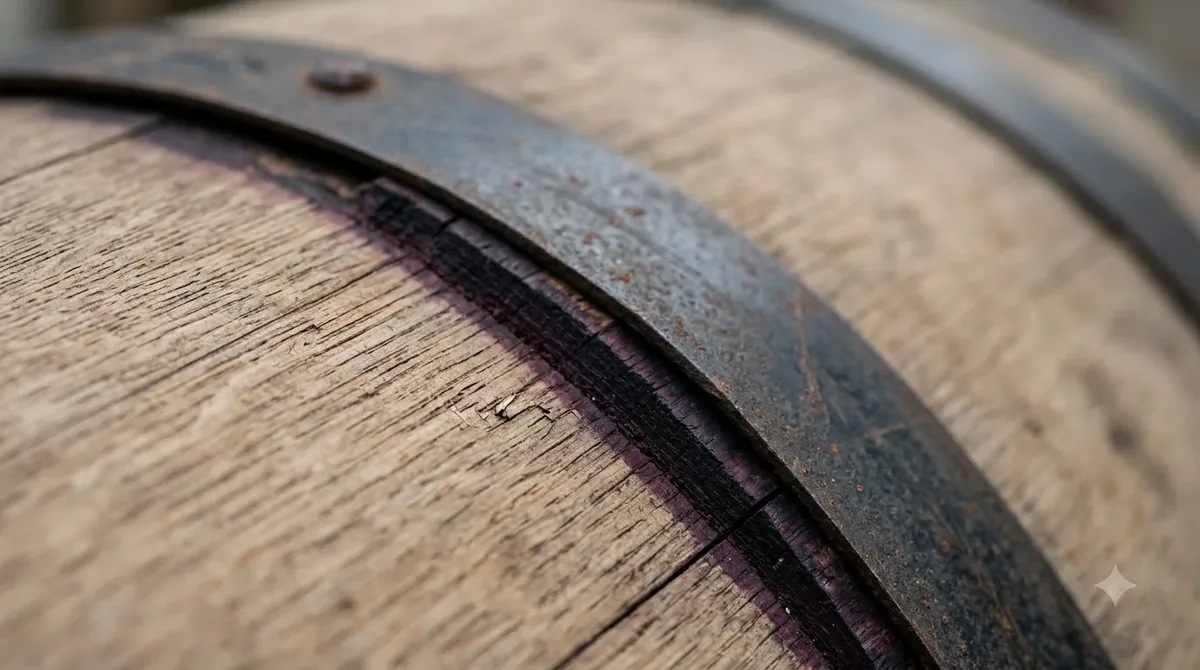
Many chardonnays feel round and creamy, and drinkers often mistake that feeling for sweetness. The sensation comes from several winemaking choices rather than from sugar. Oak aging adds vanilla, spice, and toasted notes, and it also gives the wine structure. Malolactic fermentation converts sharper malic acid into softer lactic acid, which Wine Folly describes as softening the wine and creating a creamier, less acidic flavor profile.
VinePair makes a similar point when it says that chardonnay is versatile, with styles that range from crisp, minerally Chablis to flinty oaked Meursault to richer, buttery bottles. The page notes that buttery, oaky, or creamy traits often come from winemaking decisions rather than from the grape itself. That is why two dry chardonnays can taste very different.
Dry, Lean, and Rich Styles Compared
Chardonnay styles fall along a spectrum from lean to rich. Unoaked versions are typically lean and crisp, with high acidity and clean fruit. Oaked versions often show a fuller body and a creamy mouthfeel with moderate acidity. The alcohol level changes the impression too. According to Wine Folly, lean styles are about 12 to 13.5 percent alcohol by volume, while richer styles can reach 14.5 to 15 percent.
Acidity is the best guide to how dry a chardonnay will feel. A bottle with bright acidity tends to taste crisp even if it is rich, while a bottle with lower acidity can feel softer and sometimes sweeter. This is one reason producers in cool climates often make lean, zesty styles, while warmer regions tend to produce riper, fuller bottles that still finish dry.
None of these styles is sweet in the usual sense. A rich, full chardonnay can taste ripe and generous, but its dryness is intact. If you enjoy a softer mouthfeel without sweetness, look for oaked or malolactic-influenced bottles rather than sugary ones.
| Style | Typical character | Sweetness |
|---|---|---|
| Unoaked, lean (such as Chablis-style) | Crisp, mineral, high acidity | Dry |
| Lightly oaked | Citrus, green apple, subtle cream | Dry |
| Oaked and malolactic | Vanilla, toast, round texture | Dry, feels fuller |
| Rich, ripe styles | Tropical fruit, higher alcohol | Dry, can taste generous |
Tip: If you want less of the creamy, oaky character, choose an unoaked chardonnay. It is still dry, but the acidity makes it taste lighter.
How to Spot a Sweeter Chardonnay
Because most chardonnay is dry, a sweeter bottle usually announces itself. Look for the word off-dry or semi-sweet on the back label, or check the producer’s tasting notes. Many labels do not print a sugar figure at all, so the producer’s description of the style is often the most useful guide to how sweet a bottle will taste.
Taste also gives a clue. A wine that tastes fruity and round but lacks the crisp finish of a dry chardonnay may contain some sugar. Keep in mind that a rich, buttery bottle can feel sweet without containing sugar, so the texture alone is not proof of sweetness.
Chardonnay and Food
Dry chardonnay works with a wide range of foods because its acidity and oak balance each other. Lean, unoaked styles pair well with seafood, salads, and light pasta. Richer, oaked bottles match roast chicken, creamy sauces, and lobster. In each case, the wine’s dryness keeps the meal from feeling heavy.
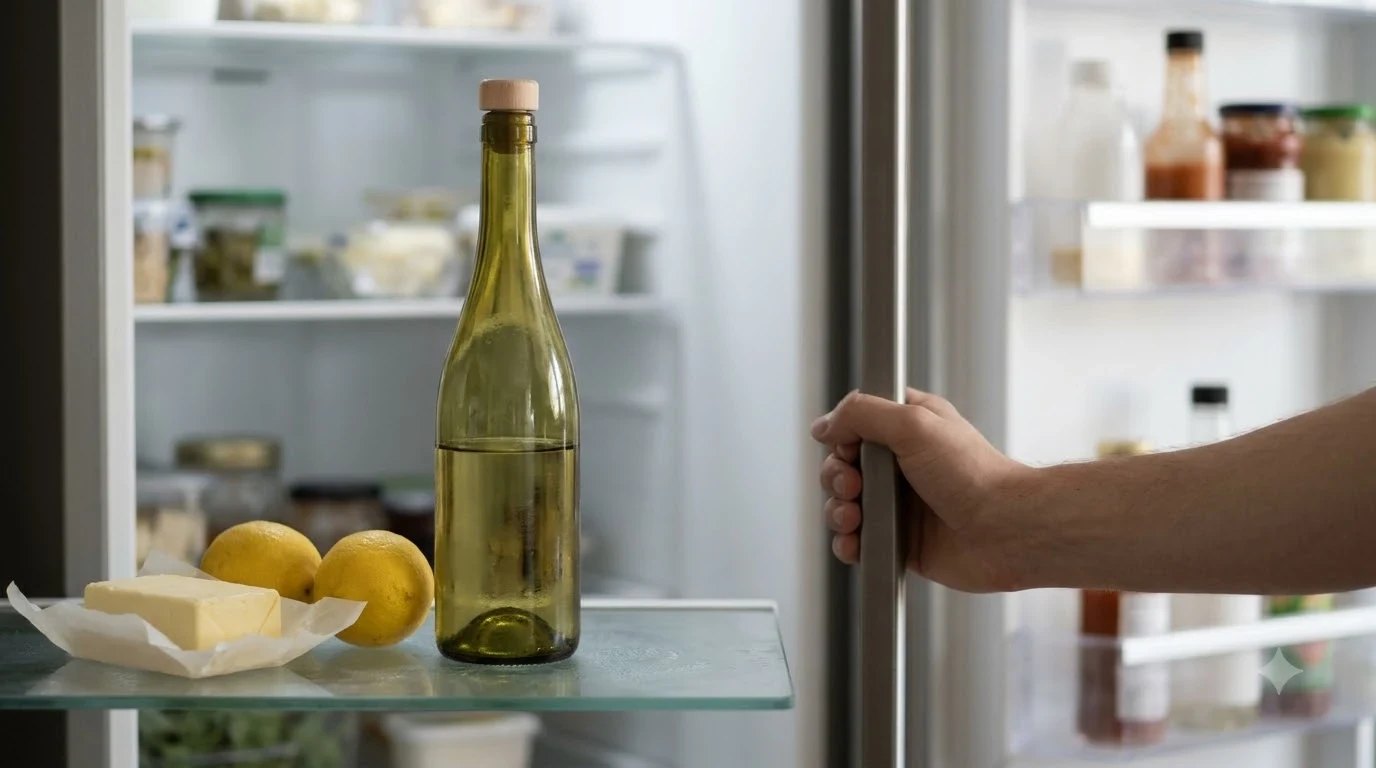
Serving temperature affects how a chardonnay tastes as well. A lean, unoaked bottle is usually best served cool, because the chill brings out its crisp acidity and fresh fruit. A richer, oaked bottle can be served a little warmer, which lets the oak and texture come forward. Serving it too cold can make a full chardonnay taste tight, so a short rest out of the fridge often helps.
If you do want a sweeter chardonnay for a dessert pairing, choose one clearly labeled as sweet and match it to fruit-based dishes rather than rich cream desserts, which can make a sweet wine taste thin. For a broader look at pairings with sweet and dry styles, see champagne sugar content for how sweetness works in sparkling wine.
Buying advice follows naturally from the style. If you are unsure which bottle to pick, start with a lean, unoaked chardonnay and move toward oaked styles once you know how much texture you enjoy. Reviewers often describe the oaked bottles as richer and rounder, and the unoaked ones as crisper and more food-friendly. Either way, both groups are dry, so the choice is about body and flavor rather than sweetness.
Frequently Asked Questions
Is chardonnay a sweet wine?
No. Chardonnay is normally made dry, which means yeast has consumed nearly all of the grape sugar. Some producers leave a small amount of sugar behind, but most bottles taste dry.
Why does chardonnay feel smooth or sweet if it is dry?
Oak aging and malolactic fermentation create a round, creamy texture and flavors like vanilla and butter. These features can read as sweetness, even though the wine has little or no residual sugar.
Which chardonnay has the least sugar?
Lean, unoaked chardonnay usually tastes driest and crispest. Its high acidity makes any residual sugar hard to notice, so it is a good choice if you want the least sweetness.
How can I find out whether a chardonnay is sweet?
Check the back label for terms like off-dry or semi-sweet, and read the producer’s description. If neither helps, tasting notes that stress fruit and a soft finish can be a clue, although they are not proof of sweetness.
Chardonnay sugar content is usually low, and most bottles are dry from start to finish. Rich, buttery flavors come from oak and winemaking rather than from sugar. To learn how the other major white and red styles compare, read about pinot grigio sugar content or red wine sugar content, or browse Wine by Type. For a closer look at the grape’s style and aroma, see Wine Folly’s chardonnay guide.
More in Wine Types & Grapes
 Zinfandel Sugar Content: Dry Red vs. White Zinfandel GramsUpdated Nov 21, 2026
 Best Zinfandel Substitute Options for Sipping and CookingUpdated Nov 21, 2026
 Zweigelt Food Pairing: Best Dishes, Cheeses, and Serving TipsUpdated Nov 21, 2026
 Zinfandel Tannins Explained: How Structure Shapes Every BottleUpdated Nov 21, 2026
 Zinfandel Sweetness Level: Dry Red vs. Sweet White Zin ExplainedUpdated Nov 21, 2026
 Xinomavro Food Pairing: Best Dishes, Styles, and Serving TipsUpdated Nov 21, 2026