

We may earn a commission when you buy through links on this page, at no extra cost to you. Learn more.
A Lambrusco cocktail is a drink built on Lambrusco, a light, slightly sparkling Italian wine, mixed with a splash of juice, bitters or a second spirit. Because Lambrusco is naturally lower in alcohol and has bright red-fruit flavors, it works well as the base for spritz-style drinks and easy summer mixes. The wine’s fizz and acidity lift a drink without the heaviness of a sweet cocktail base.
This guide explains what makes Lambrusco a good cocktail ingredient, how to choose the right bottle, and simple ways to build a Lambrusco drink at home. It focuses on technique and flavor, so you can adjust the mix to match the wine you have on hand.
Why Lambrusco works in cocktails
Lambrusco is a family of grape varieties from northern Italy, and the wines made from them are usually light in body and fresh in style. Wine Folly describes the family as eight closely related grape varieties native to Italy, which are made into sparkling wines ranging from pale rosé to deep red. That range gives mixologists options, since a rosé-style Lambrusco brings a delicate pink color and a lighter taste, while a deeper red brings more structure.
The alcohol level is another reason the wine suits drinks. According to Wine Folly, Lambrusco typically sits at about 10 to 11.5 percent ABV, which is lower than most still reds and far lower than spirits. That makes it easy to build a drink that is refreshing and sessionable, rather than strong and heavy.
Tip: Because Lambrusco is already fizzy, add it last and pour gently. Stirring a sparkling wine for too long flattens the drink quickly.
Choosing the right Lambrusco for a cocktail
Lambrusco comes in several sweetness levels, and the choice changes the drink. Wine Folly describes the wine as dry in its taste profile, and the Wikipedia entry on Lambrusco explains that styles range from secco (dry) to amabile (off-dry or sweet) and dolce (very sweet). A dry bottle is the most flexible choice for cocktails, because the mixers supply the sweetness. An off-dry bottle can carry a drink that uses less sugar or syrup.
The Wikipedia entry also notes that the wine is usually made by the Charmat process, which keeps the fizz lively and fresh rather than yeasty. That is a good match for cocktails, where you want the bubbles to stay bright after the mixers go in. Look for a bottle labeled frizzante, which means lightly sparkling, rather than a fully sparkling style if you want a softer drink.
The grape family itself is large. The Wikipedia entry notes that more than 60 Lambrusco varieties have been identified and that Salamino is the most widely planted. Most wines blend several varieties, sometimes with a small share of a blending grape such as Ancellotta, so the label may name a DOC rather than a single grape. Where the bottle comes from matters less than its sweetness and color. The Reggiano zone is the largest producer and the source of most exported DOC wines, and newer producers are making increasingly dry styles that suit mixing well.
Simple Lambrusco cocktail styles
Most Lambrusco cocktails follow a few simple patterns. The first is a spritz: the wine goes into a tall glass with ice, a bitter or aperitivo, and a splash of soda. The second is a fruit mix, where a little juice or puree adds sweetness and body. The third is a bitter-led drink, where a good amaro or a dash of bitters balances the wine’s red fruit. Each pattern uses the wine’s fizz and acidity in a different way.
When you build one, start with more wine than you think and add the mixers slowly. Taste as you go. A dry Lambrusco needs a little more sweetness, while an off-dry one may need only a squeeze of citrus. Keep the proportions loose at first, then write down the version you like best so you can repeat it.
| Cocktail style | Main ingredients | Flavor direction |
|---|---|---|
| Lambrusco spritz | Lambrusco, bitter aperitivo, soda, orange | Light, bitter-sweet, refreshing |
| Fruit Lambrusco | Lambrusco, berry or peach juice, lemon | Sweeter, fruit-forward, easy to drink |
| Bitter Lambrusco | Lambrusco, amaro, a few dashes of bitters | Dry, herbal, more complex |
| Rosé Lambrusco punch | Rosé-style Lambrusco, citrus, sliced fruit | Pale, bright, good for groups |
Serving and glassware
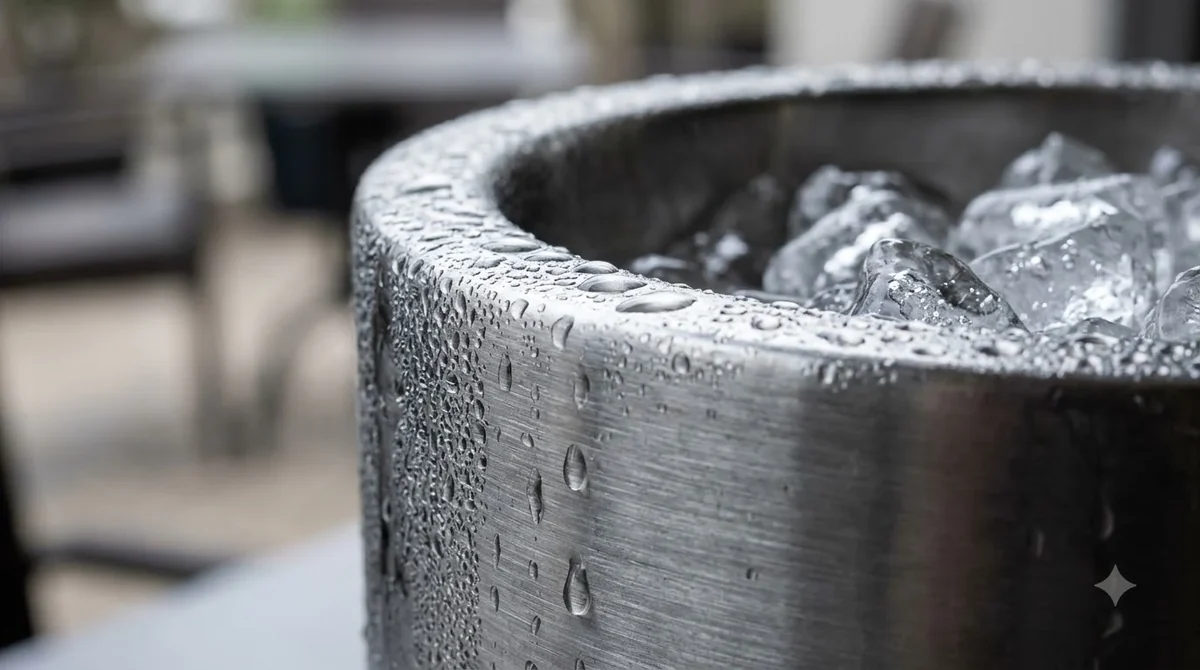
Serve Lambrusco cocktails cold. Wine Folly gives a serving range of 45 to 55 °F (7 to 12 °C) for the wine itself, and a chilled base keeps the drink crisp after the ice melts a little. A large wine glass or a tumbler with plenty of ice works well for spritz-style drinks, since it gives the bubbles room. For a group, pour the base into a pitcher and add the fruit and garnishes at the table.
Garnish simply. An orange slice, a few berries or a sprig of mint is enough. Heavy garnishes add sugar and weigh down the drink, which works against the light character that makes Lambrusco attractive in the first place.
Food pairing with Lambrusco drinks
A Lambrusco cocktail pairs naturally with the foods Lambrusco is traditionally served with in Emilia-Romagna. Wine Folly suggests pizza, burgers, Prosciutto di Parma and Parmigiano-Reggiano, and those match well with a light, bubbly drink. Salty snacks, fried foods and charcuterie boards are all good choices, because the wine’s acidity cuts through fat and salt.
For a dessert pairing, use the sweeter styles. A fruit-forward Lambrusco cocktail can balance a berry tart or a simple fruit salad, while a bitter spritz goes better with savory food.
How to make a Lambrusco cocktail at home
Start with a bottle of dry or off-dry Lambrusco, a bitter or aperitivo, a soft mixer and plenty of ice. Fill a tall glass with ice, add the bitter, then pour in the wine slowly so the fizz stays intact. Top with soda or a splash of juice, stir once with a long spoon, and garnish. The whole process takes less than a minute, which is part of the appeal.
Once you have the basic method, try swapping the mixer. A peach or berry juice gives a sweeter, rounder drink. A squeeze of lemon adds brightness. A small amount of a herbal liqueur adds depth without making the drink heavy. Keep a note of what you changed so you can repeat the version you like.
Frequently Asked Questions
What is a Lambrusco cocktail?
It is a drink built on Lambrusco, a light sparkling Italian wine, combined with a bitter, juice or soda. Spritz-style drinks are the most common example, and they are light, fresh and fairly low in alcohol.
Should I use dry or sweet Lambrusco for cocktails?
A dry Lambrusco is the most flexible choice, because you can add sweetness with juice or syrup. An off-dry bottle works well when you want a drink with less added sugar. Taste the wine first and adjust the mixers to match its sweetness.
How strong is a Lambrusco cocktail?
Lambrusco itself is usually around 10 to 11.5 percent ABV, so a cocktail made with a splash of spirit or bitter sits well below most mixed drinks. Adding more wine or more spirit raises the strength, so measure if you want a consistent result.
Can I make a Lambrusco cocktail with rosé Lambrusco?
Yes. Rosé-style Lambrusco gives a pale pink color and a lighter taste, which suits punches and fruit-led drinks. It is a good choice when you want a cocktail that looks bright and feels delicate.
A Lambrusco cocktail is one of the easiest ways to enjoy this Italian wine in a glass that is lighter than most. Start with a dry bottle and a simple spritz, then adjust the sweetness to taste. To learn more about the grapes and styles behind the wine, read the wine by type guide, and compare it with other light mixing wines such as moscato cocktail drinks for a sweeter option.
More in Wine Types & Grapes
 Zinfandel Sugar Content: Dry Red vs. White Zinfandel GramsUpdated Nov 21, 2026
 Best Zinfandel Substitute Options for Sipping and CookingUpdated Nov 21, 2026
 Zweigelt Food Pairing: Best Dishes, Cheeses, and Serving TipsUpdated Nov 21, 2026
 Zinfandel Tannins Explained: How Structure Shapes Every BottleUpdated Nov 21, 2026
 Zinfandel Sweetness Level: Dry Red vs. Sweet White Zin ExplainedUpdated Nov 21, 2026
 Xinomavro Food Pairing: Best Dishes, Styles, and Serving TipsUpdated Nov 21, 2026