

We may earn a commission when you buy through links on this page, at no extra cost to you. Learn more.
Sierra Foothills wineries are small and mostly family-run estates along the western slope of the Sierra Nevada, about 40 miles east of Sacramento, and many of them welcome visitors for tastings in a relaxed, rural setting. The region has hundreds of wineries spread across several counties, so planning a route in advance makes a visit far more enjoyable.
This guide is for travelers and wine lovers who want to plan a visit. It explains where the wineries are, what to taste, how to get around, and what to expect at the tasting room, so you can choose the right stops for your trip.
Where the wineries are
The Sierra Foothills stretch along the western edge of the Sierra Nevada in north-central California. The wine country runs through several counties, and the vineyards sit on slopes and valley floors from about 500 feet in the lower valleys to more than 3,000 feet in the higher southern areas. Most tasting rooms cluster around a few small towns, so you can visit several wineries in one day without long drives between them.
Before you visit, the Sierra Foothills wine guide explains the grapes you will taste. The wine country is about 40 miles east of Sacramento, which makes it a practical day trip for visitors staying in the state capital or in the Bay Area. Driving is the usual way to get around, since the wineries are spread out and public transport is limited.
What to taste when you visit
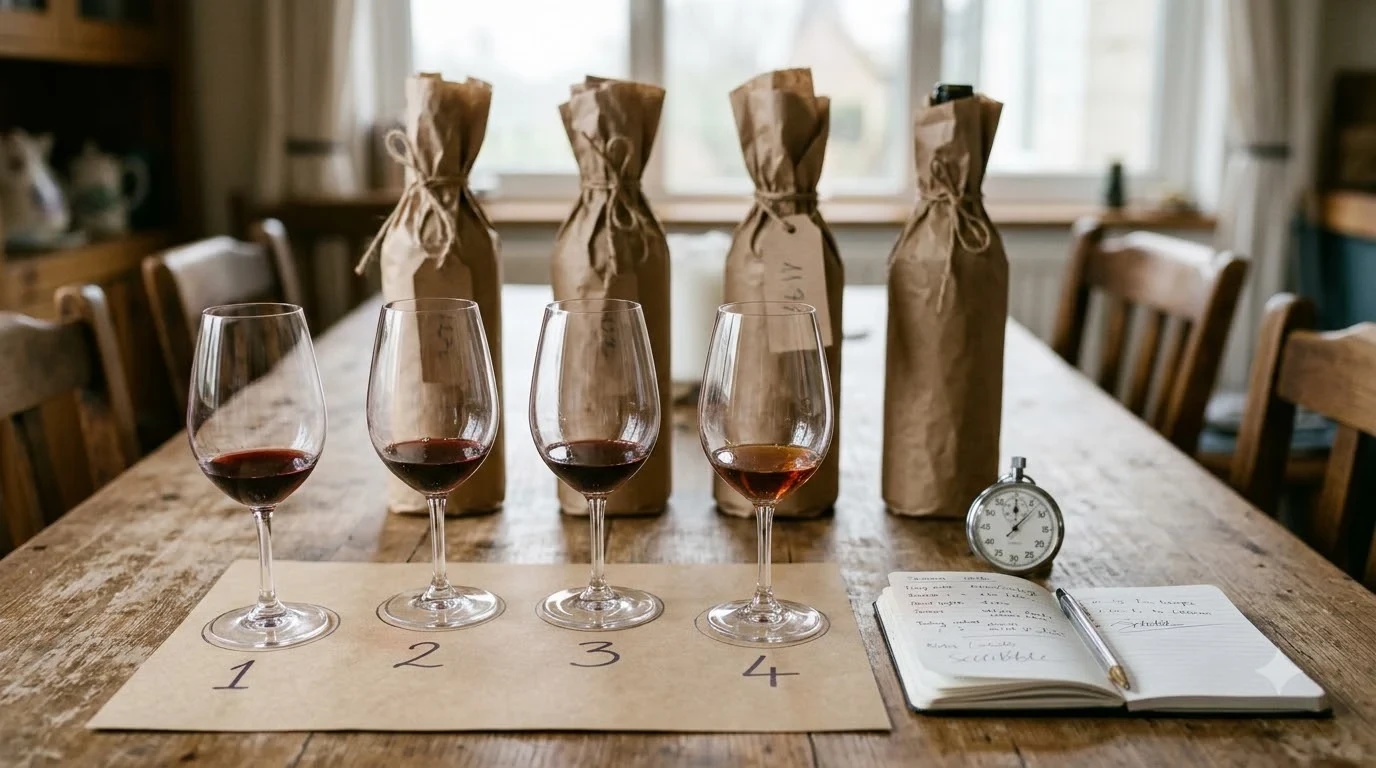
Zinfandel is the signature of the region and the grape most visitors ask about. Tasting rooms often pour it alongside Syrah, Cabernet Sauvignon, and Rhône-style blends. Chardonnay is the main white, and many wineries also pour Viognier or Rosé for lighter tastings.
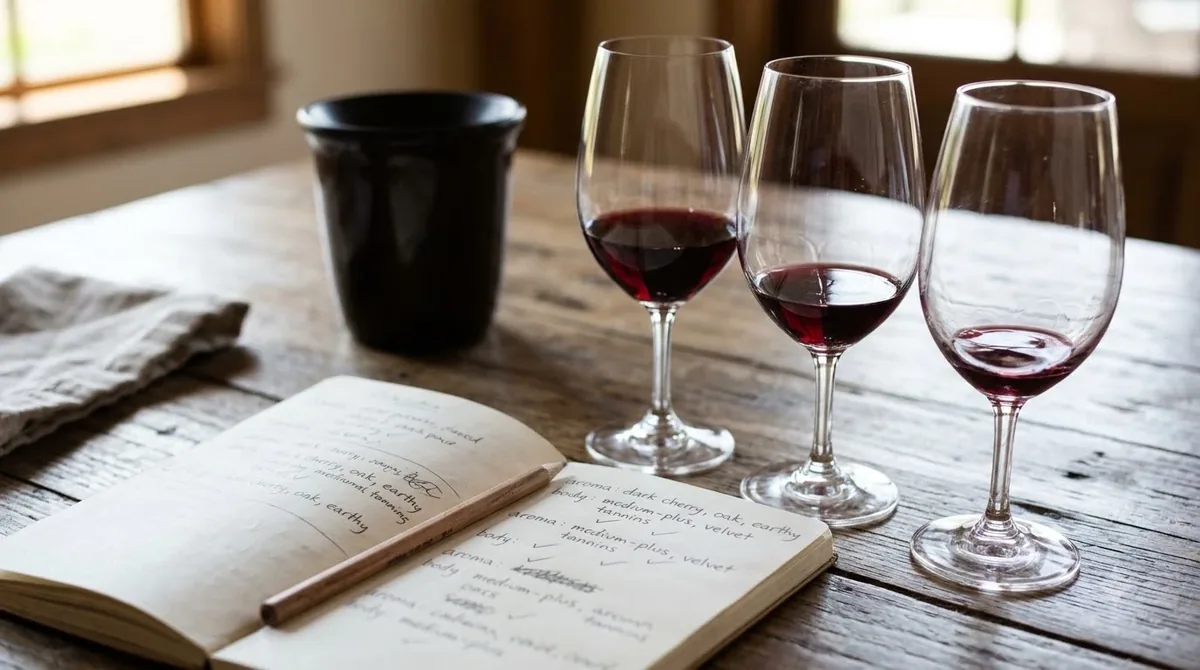
The wines tend to be bright and aromatic, with red berry and baking spice notes from the cooler, higher vineyards, as the Wine Folly Zinfandel guide describes. Tasting them in sequence shows how much the style changes with elevation, which is one of the most interesting parts of a visit.
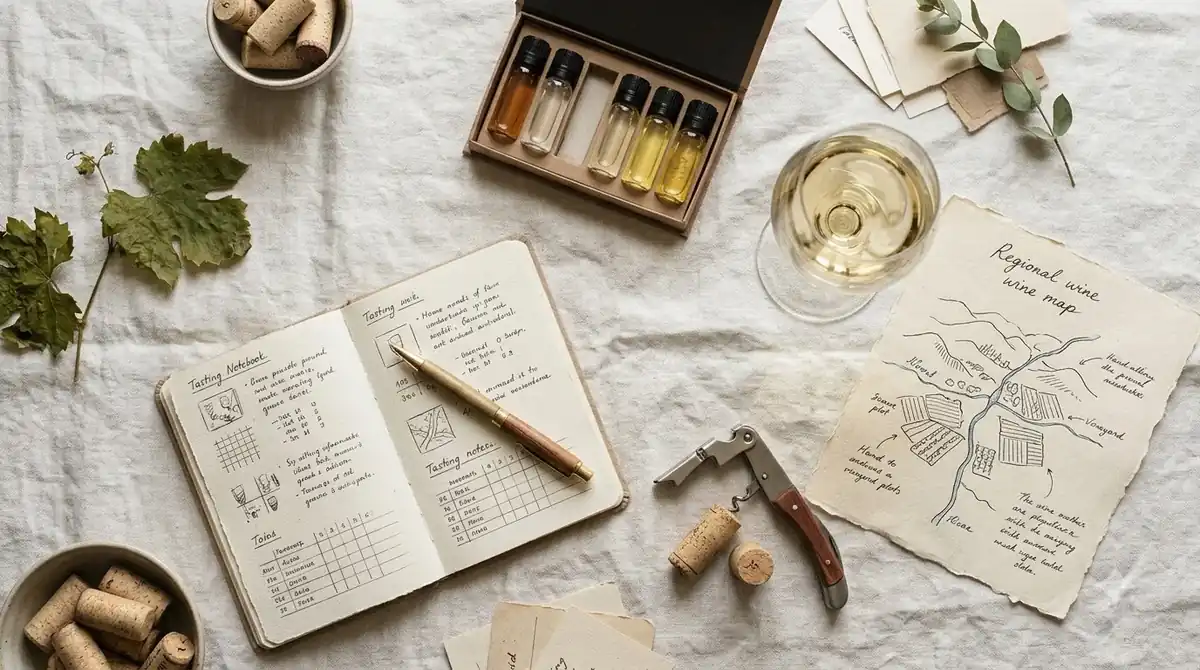
Several estates in the foothills trace their vineyards back to the Gold Rush era, when miners and settlers planted vines to supply the growing population. Today the area mixes these historic properties with newer estates that focus on Rhône varieties and small-lot Zinfandel. The contrast gives visitors a sense of both the region’s past and its current direction.
How to plan a visit
Choose two to four wineries for a day trip. Smaller estates often need reservations, especially on weekends and during harvest season in the fall. Many wineries offer seated tastings or guided tours, and these usually last longer than a standing bar flight.
Start your day in the morning, when tasting rooms are quieter and the staff have more time to talk about the wines. Plan lunch in one of the small towns, and leave the last stop early enough to drive back safely. Designate a driver or book a shuttle if you plan to taste widely.
| Visit type | What to expect | Best for |
|---|---|---|
| Standing bar tasting | Quick pours, casual setting | First-time visitors and groups |
| Seated tasting | Longer pours, food pairing, more detail | Wine lovers who want to learn |
| Vineyard tour | Walk among the vines, meet the winemaker | Visitors interested in farming |
| Private appointment | Custom tasting, reserved time | Small groups and special occasions |
Tip: Ask the tasting room which wines are available only at the winery. Smaller producers often keep their best lots for visitors and mailing list members.
Spit cups are provided at many tasting rooms, and using them is normal when you are driving or tasting many wines. Tell staff what you enjoy, and ask them to guide the flight toward the grapes that interest you. Pour sizes vary, so it is fine to ask for a smaller taste of a wine you want to compare with another.
Food and lodging nearby
Many wineries serve cheese boards, charcuterie, or light lunches, and some have outdoor patios with views of the foothills. Bring a snack if you plan a long day of tasting, since the wine is strong and the spacing between towns can be wide.
Lodging ranges from small inns in the historic towns to rural cabins and vacation rentals. Book early for weekend stays and harvest dates, because the area fills quickly during the busiest months.
Spring and fall are gentle seasons for visiting, with mild temperatures and fewer crowds. Summer days can be hot, and the late summer harvest season brings busy weekends and fuller tasting rooms. If you are planning a trip around harvest, book a month or more ahead and expect longer waits for popular tables.
The region’s tasting rooms vary a great deal in size and style. Some are converted barns with long wooden bars and live music on weekends, while others are small family homes with a few tables overlooking the vines. Both can be rewarding. A quieter visit gives you time to ask questions, and a lively room often introduces you to new producers and local events.
Many estates also host seasonal events, such as harvest celebrations, library tastings, and food pairings with local chefs. Check each winery’s calendar before you visit. Special events usually require tickets or reservations, and they can sell out quickly during the busiest months of the year.
Buying wine to take home
Most tasting rooms sell bottles on site, and many offer case discounts or shipping to your home state where the law allows. Smaller wineries often sell their most limited releases only through the tasting room or their mailing list, so buying during your visit is the best way to secure a bottle you cannot find elsewhere.
If your trip continues toward the Bay Area, the Livermore Valley wineries are another easy day trip, and the Wine Regions guide compares them with other areas. Ask about shipping rules before you buy, because state laws vary. Keep bottles cool during the drive home, especially in summer, since heat can damage the wine quickly.
Plan your day around drive times as well as tasting times. Rural roads can be slow, and a route that looks short on a map may take longer once you factor in curves and farm traffic. Leave a buffer between stops, and avoid tasting a full flight at each estate if you want to keep your energy up through the afternoon.
Finally, respect the people who make the wine. Many tasting rooms are run by the owners or a small staff team, and a polite, curious visitor is always welcome. A few questions about how the vineyard was planted or how the wine was aged often lead to the best conversations of the trip.
Frequently Asked Questions
How many wineries are in the Sierra Foothills?
The region has hundreds of wineries and vineyards, although sources count them differently depending on what they include. Many are small estates with limited hours, so check each website before you travel.
Do I need reservations for Sierra Foothills wineries?
Reservations are recommended for seated tastings, tours, and weekend visits, and they are often required at smaller estates. Standing bar tastings at larger wineries may accept walk-ins when space is available.
What is the best way to get around the wine country?
Driving is the most common option, but the wineries are spread out. Hire a driver or use a tour company if you want to taste widely without worrying about the road.
Can I ship wine home from the Sierra Foothills?
Many wineries ship to customers in states where it is legal. Check each winery’s shipping policy and your home state’s rules before you buy a case.
A visit to the Sierra Foothills is most rewarding when you plan a small route, reserve ahead, and give yourself time in each tasting room. Pick two or three estates, taste the local Zinfandel and Syrah, and buy a bottle that you cannot find at home.
More in Wine Regions
 Willcox Wine Trail: Discover Arizona’s High-Elevation Wine CountryUpdated Nov 20, 2026
 Yakima Valley Wine Region: Find the Best Styles to TryUpdated Nov 20, 2026
 Vosne Romanee Wine Tasting: Identify Aromas and Choose Better PairingsUpdated Nov 20, 2026
 Yakima Valley Wine Festival: Find the Best Seasonal Wine EventsUpdated Nov 20, 2026
 Wales Vineyards: Discover Cool-Climate Wines and Where to VisitUpdated Nov 20, 2026
 Yountville Wine Festival: Discover Napa Wines and Local FoodUpdated Nov 20, 2026