

We may earn a commission when you buy through links on this page, at no extra cost to you. Learn more.
Calories in non alcoholic wine are generally lower than in regular wine, and one widely cited comparison puts non-alcoholic wine at about one-third fewer calories than a standard wine. The exact number depends on the brand, because some producers add sugar to build body. Checking the label or the producer’s nutrition information is the most reliable way to compare bottles.
This guide explains why calories differ between alcoholic and non-alcoholic wine, how the labels are defined, how these wines are made, and what to check before you buy a bottle.
Why Calories Differ in Non-Alcoholic Wine
In a regular wine, alcohol is a major source of calories, and sugar left over from fermentation adds more. Non-alcoholic wine removes most of the alcohol, which lowers the calorie count, but sugar content still varies widely. The final number therefore depends on how much alcohol was removed and whether any sugar was added back afterward.
That is why two non-alcoholic bottles can differ noticeably. A wine with very little sugar will usually sit lower than one that has been sweetened to build body, and the label is the place to see which approach was taken.
What the Labels Mean
Terms on the label follow rules that differ by country, so it helps to understand the main categories. A wine labeled “non-alcoholic” can contain up to 0.5% ABV. “Alcohol-free” usually means 0.0% ABV. “Low alcohol” generally refers to wines under 5% ABV, although definitions vary by region.
In the European Union, any product above 0.5% ABV must state its alcohol content. For perspective, a ripe banana contains about 0.4% ABV, so the 0.5% threshold is very low. Reading the category on the label tells you more about the wine’s alcohol than the word “wine” on its own.
How Non-Alcoholic Wine Is Made
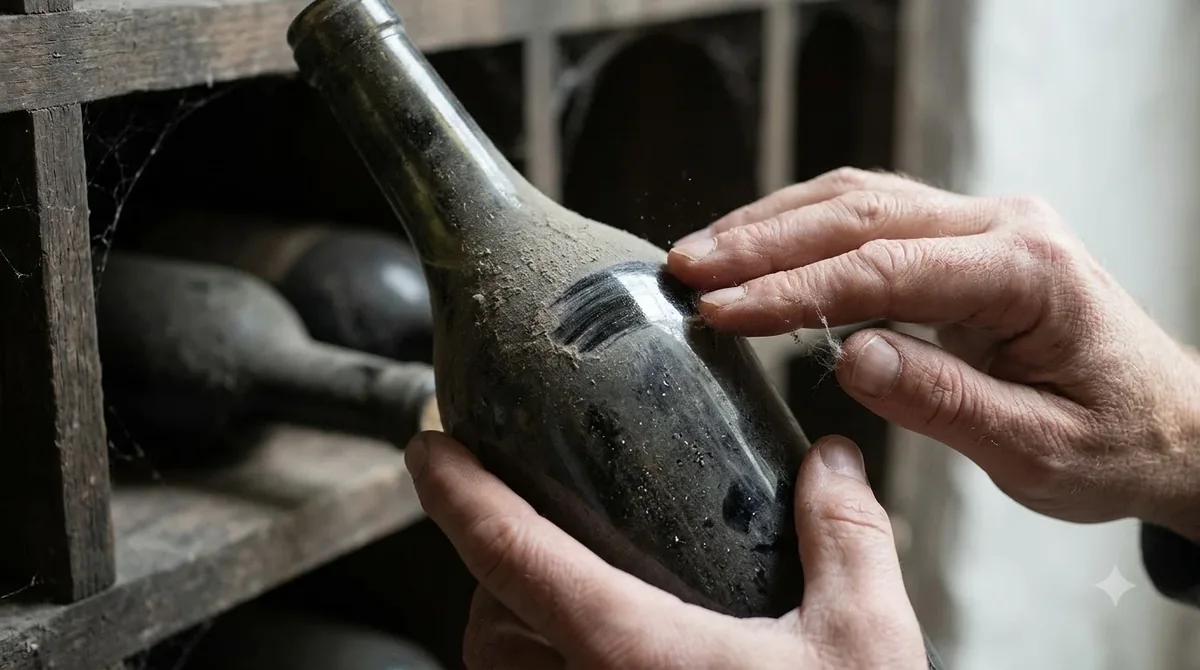
Early attempts at non-alcoholic wine simply boiled off the alcohol, which often left the product thin and in need of added sugar. Modern methods are gentler. Vacuum distillation, developed in the 1990s, lowers the pressure so that alcohol can be removed at about 30 °C (86 °F), which is kinder to delicate aromas. The result can taste brighter and fruitier, though it may lack some of the subtle complexity of the original wine.
Reverse osmosis, also used from the 1990s, separates the wine’s compounds by molecular size and keeps many desirable components. The process is expensive and often needs several passes, because each pass removes only a few percentage points of alcohol. A spinning cone column, used since the 2000s, uses centrifugal force to separate aromatic compounds, which are set aside while the alcohol is removed and the aromas are returned to the wine. The approach is associated with some of the most highly regarded non-alcoholic wines, although it is costly and technically demanding.
Calories and Sugar Compared With Regular Wine
Non-alcoholic wines are often lower in calories because they contain less alcohol, but the sugar they contain can change the picture. Some producers add sugar to round out the flavor, while others rely on the natural fruit character of the wine. Because the sugar level varies so much, the label matters more than the category name alone.
Even when a non-alcoholic wine is sweetened, it often has fewer calories and fewer carbohydrates than a regular alcoholic wine. The variation between brands is wide, so comparing two products side by side is the most reliable way to see the difference.
| Wine type | Alcohol level | What drives the calories |
|---|---|---|
| Regular wine | Usually well above 5% ABV | Alcohol and residual sugar |
| Low alcohol wine | Under 5% ABV | Less alcohol, with sugar still a factor |
| Non-alcoholic wine | Up to 0.5% ABV | Mostly residual or added sugar |
| Alcohol-free wine | 0.0% ABV | Mostly residual or added sugar |
Tip: Check the sugar line on the nutrition panel, if the bottle has one. A product with low sugar often has a drier, lighter profile, while a sweeter product may be closer to a dessert style.
Reading the Label Before You Buy
Start with the alcohol category, then look at the nutrition information or the producer’s website. Some brands list calories per serving, while others show only sugar or carbohydrates. If the calorie figure is missing, a sugar figure combined with the serving size can help you compare products.
Pay attention to the serving size as well. A small pour and a large glass can make the same wine look very different on paper, so compare bottles using the same serving size whenever possible.
Non-Alcoholic Wine in Everyday Use
Many people choose non-alcoholic wine for taste, for the occasion or for the ritual of a glass at dinner. It works well in cocktails, with food and in settings where alcohol is not wanted. Red non-alcoholic wines can keep similar levels of polyphenols, because many of the antioxidant compounds bind to color pigments rather than to alcohol.
The flavor is the main test. Vacuum-distilled wines are often described as brighter and fruitier, and the method choice is one of the details a producer may mention on its site. Trying a few styles helps you find a bottle that suits your meals.
Serving Non-Alcoholic Wine at the Table
Serving temperature affects how a non-alcoholic wine tastes, just as it does for regular wine. Most reds and whites are best slightly chilled, and sparkling styles should be poured cold so that the bubbles stay lively. Using a proper wine glass helps concentrate the aromas, which matters more when the alcohol is reduced and the fruit carries more of the flavor.
Pairing works in much the same way as with regular wine. Lighter non-alcoholic whites suit salads, seafood and soft cheeses, while fuller reds pair with roasted meats and hearty vegetable dishes. Matching body and acidity to the food remains the simplest rule, even without alcohol in the glass.
Common Questions About Labels and Serving Sizes
Serving size is often the source of confusion. A standard pour of regular wine is commonly described as five ounces, but many people pour more at home, and restaurant glasses vary. When you compare a non-alcoholic bottle with a regular one, measure the pour or use the same glass size so that the numbers are comparable.
Another common question is whether a label that says “zero” always means zero alcohol. The category terms matter here. A product labeled “alcohol-free” is usually listed at 0.0% ABV, while a product labeled “non-alcoholic” may contain up to 0.5% ABV. Reading the exact figure on the label is the only reliable way to know what is in the bottle.
Frequently Asked Questions
Does non-alcoholic wine have fewer calories than regular wine?
Usually, yes. A widely cited comparison says non-alcoholic wine has about one-third fewer calories than regular wine. Sugar content varies by brand, so the exact figure depends on the bottle.
Why do some non-alcoholic wines have so much sugar?
Some producers add sugar to replace the body and sweetness that alcohol gives a regular wine. Higher-quality bottles generally contain less sugar, and the label or nutrition panel shows the actual amount.
What is the difference between non-alcoholic and alcohol-free wine?
Non-alcoholic wine can contain up to 0.5% ABV, while alcohol-free wine is usually listed at 0.0% ABV. Both categories are generally lower in calories than regular wine.
How do I compare calories between two bottles?
Use the same serving size for each bottle, then compare the calorie or sugar figures on the nutrition panel. If a bottle does not list calories, the sugar figure gives a useful starting point.
Calories in non-alcoholic wine depend on how the product was made and what was added to it. Check the alcohol category, read the nutrition information and compare bottles at the same serving size. For a closer look at the categories and production methods, the non-alcoholic wine guide from Wine Folly covers the topic in detail. If you are comparing other drinks, the what is non alcoholic wine page explains the basics, and the Wine by Type hub lists the main categories.
More in Wine Types & Grapes
 Zinfandel Sugar Content: Dry Red vs. White Zinfandel GramsUpdated Nov 21, 2026
 Best Zinfandel Substitute Options for Sipping and CookingUpdated Nov 21, 2026
 Zweigelt Food Pairing: Best Dishes, Cheeses, and Serving TipsUpdated Nov 21, 2026
 Zinfandel Tannins Explained: How Structure Shapes Every BottleUpdated Nov 21, 2026
 Zinfandel Sweetness Level: Dry Red vs. Sweet White Zin ExplainedUpdated Nov 21, 2026
 Xinomavro Food Pairing: Best Dishes, Styles, and Serving TipsUpdated Nov 21, 2026