

We may earn a commission when you buy through links on this page, at no extra cost to you. Learn more.
Sherry wine is a fortified wine from Andalucía in southern Spain, and its styles range from bone dry and salty to dark, sweet, and raisiny. The main difference between styles is whether a layer of yeast called flor protects the wine during aging. This guide explains the main types, how they are made, and how to serve and pair each one.
Sherry has a reputation for being old-fashioned, but it is one of the most food-friendly wines you can buy. The styles look very different in the glass, and knowing how each one is made makes it much easier to choose the right bottle for a meal or a gathering.
Where sherry wine comes from
Sherry wine comes from a small triangle of vineyards in Andalucía. The wine is fermented like other white wine, fortified with a small amount of grape spirit, and then aged in barrels. The fortification and the aging method are what set sherry apart from ordinary table wines.

Many producers age sherry in a solera system, in which wine is drawn from the oldest barrels and topped up from younger ones. That blending keeps the house style consistent from year to year. For a readable beginner’s overview of the region and its styles, the Fine Wine Company guide is a good place to start.
Because sherry is made in one defined area, its styles follow a recognizable logic. Once you know whether a wine was aged under flor or in contact with air, most of the flavor and sweetness questions answer themselves.
The color of a bottle is a helpful first clue. Pale, straw-colored sherries are usually flor-aged, while darker amber and mahogany wines have spent their time in contact with air. Reading the label for words such as fino, manzanilla, amontillado, or oloroso will tell you the style at a glance.
Flor and oxidative aging in sherry
Flor is a natural layer of yeast that forms on the surface of the wine. It protects the wine from oxygen and keeps it pale, fresh, and dry. Oxidative aging does the opposite: the wine is exposed to air, which produces dark, nutty, and savory flavors.
Most sherry styles sit on one of these two paths, or somewhere in between. Understanding that split explains why a fino and an oloroso can come from the same region and taste like two different drinks.
The main sherry wine styles
Fino is pale, bone dry, and aged under flor, with salty, almond, and bread notes. Manzanilla is a fino-style wine made only in Sanlúcar de Barrameda, with a saline, seaside character. Amontillado starts as fino, then the flor dies and the wine ages oxidatively, leaving a dry, nutty style with hazelnut depth.
Oloroso ages without flor, so it develops a dark amber-mahogany color with walnut, leather, and caramel notes, and it is bone dry. Palo cortado starts as fino but loses its flor early, then ages oxidatively, combining the aromas of amontillado with the richness of oloroso. Pedro Ximénez, or PX, is made from sun-dried grapes and is dark, treacly, and sweet, with raisin, fig, and coffee flavors.
Cream and medium sherries are sweetened blends. They sit outside the six main styles, and most tasters find them less complex than the traditional bottles.
Palo cortado is the rarest of the six main styles, and it is often treated as a connoisseur’s choice. Its blend of savory depth and dry finish makes it a favorite with people who already know the other styles well.
| Style | Aging method | Flavor profile | Sweetness |
|---|---|---|---|
| Fino | Under flor | Salty, almond, bread | Bone dry |
| Manzanilla | Under flor, Sanlúcar only | Saline, seaside | Bone dry |
| Amontillado | Flor, then oxidative | Hazelnut, nutty | Dry |
| Oloroso | Oxidative, no flor | Walnut, leather, caramel | Bone dry |
| Palo cortado | Flor lost early, then oxidative | Amontillado aroma with oloroso richness | Dry |
| Pedro Ximénez | Sun-dried grapes | Raisin, fig, coffee | Very sweet |
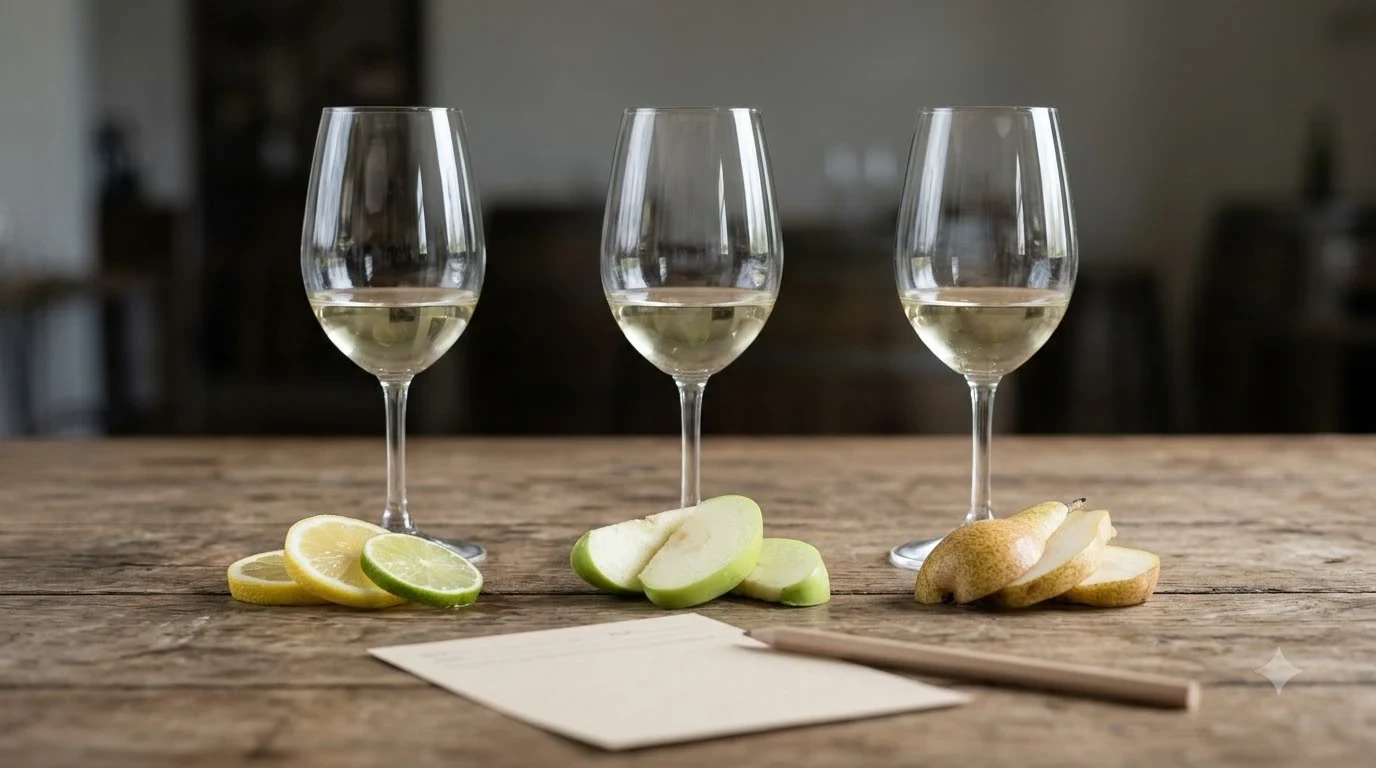
If you enjoy a crisp, dry white, a fino sherry wine is one of the closest matches in the sherry family. It shows the same clean, light structure, with a savory edge that most whites do not have.
How to serve sherry wine
Serve fino and manzanilla cold, at about 6 to 8°C (43 to 46°F).
Amontillado and palo cortado are better a little warmer, around 10 to 12°C (50 to 54°F). Oloroso and PX can be served at room temperature or slightly below.
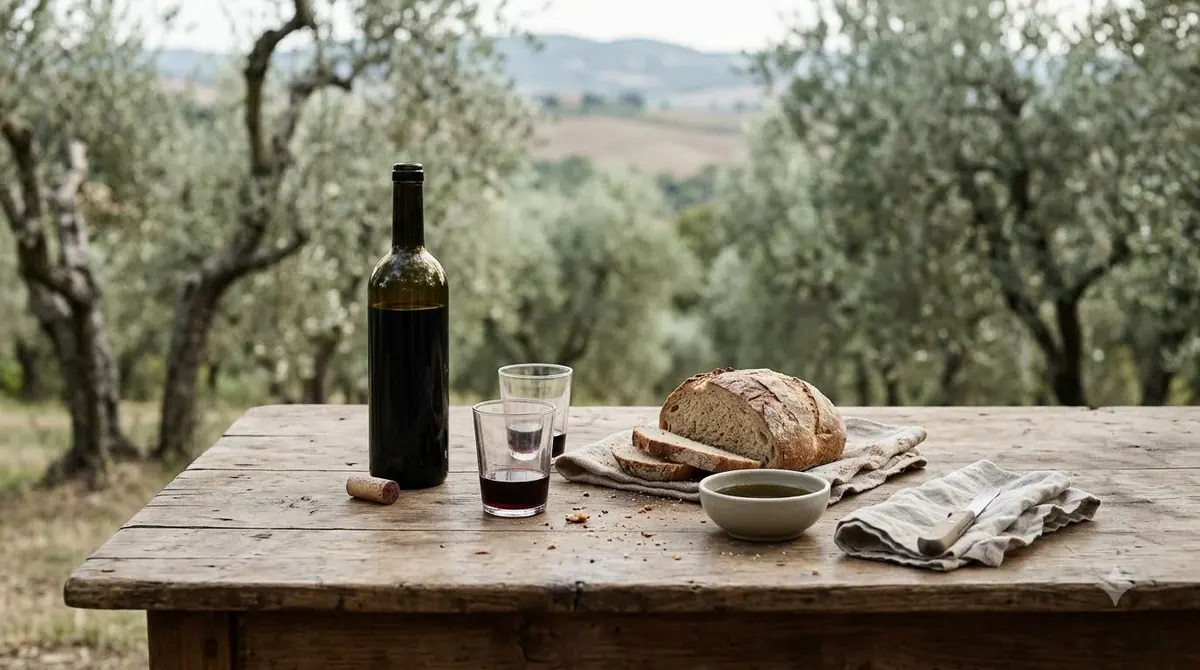
A small, tulip-shaped glass concentrates the aromas of sherry well, and the smaller pour keeps the wine lively from the first glass to the last. A standard pour is about 75 ml, and a bottle of fino covers six to eight servings. Fino and manzanilla lose their freshness once opened, so drink them within a few days and keep them cold in the refrigerator between glasses.
Because fino and manzanilla lose freshness quickly, buy smaller bottles when you can, or plan to finish the bottle within a few days. Oloroso and PX keep better after opening, which makes them a practical choice for a longer evening or a bottle you want to enjoy over several meals.
Food pairings for sherry wine
Fino pairs with olives, almonds, anchovies, jamón, and fresh seafood. Manzanilla is the natural choice for shellfish, oysters, prawns, dressed crab, and light seafood pasta. Amontillado works with mushroom risotto, roast chicken, jamón ibérico, and aged hard cheeses.
Oloroso suits charcuterie, game, hard cheeses, mushroom dishes, and slow-cooked stews. Pedro Ximénez is a good match for vanilla ice cream, blue cheese, and dark chocolate. Palo cortado is best enjoyed on its own rather than with food.
Fino and manzanilla are a strong choice for a tapas-style table, because their dryness and salinity cut through oil and fried snacks. Serve them alongside simple dishes so the wine’s character stays clear.
Sherry and tapas grew up together in the region, and the combination still works. Almonds, marinated olives, grilled shrimp, and cured ham are classic snacks that let the wine’s character shine without competing with it.
Sherry also works as an aperitif before a meal, served in a small glass with a plate of olives and nuts. Its dryness wakes up the palate without filling it, which is why many Spanish households pour a fino before lunch or dinner.
Tip: Start with a fino or manzanilla alongside salted nuts and olives. It is the easiest way to see how a cold, dry sherry changes the flavor of simple food.
Frequently Asked Questions
Is sherry wine a real wine?
Yes. Sherry is a fortified wine, made from white wine that is fortified with a small amount of grape spirit and then aged. Its styles range from dry and light to dark and sweet.
What is the difference between fino and oloroso?
Fino ages under a layer of yeast called flor, which keeps it pale, dry, and fresh. Oloroso ages without flor, so it oxidizes and becomes dark, rich, and nutty, and it is also bone dry.
Is sherry always sweet?
No. Most traditional styles are dry. Pedro Ximénez is the sweetest, while cream and medium sherries sit in between. Check the style on the label before you buy.
Can you cook with sherry?
Yes. Dry styles add savory depth to sauces and soups, and sweeter styles can finish a glaze or dessert. The cooking with sherry guide covers which style to use for each dish.
Sherry rewards a slow, curious approach. Begin with a fino, then move to an oloroso or a PX to see how far the family stretches.
For a broader introduction, read what is sherry, or browse the Wine by Type guide to compare sherry with other fortified and dry wines.
More in Wine Types & Grapes
 Zinfandel Sugar Content: Dry Red vs. White Zinfandel GramsUpdated Nov 21, 2026
 Best Zinfandel Substitute Options for Sipping and CookingUpdated Nov 21, 2026
 Zweigelt Food Pairing: Best Dishes, Cheeses, and Serving TipsUpdated Nov 21, 2026
 Zinfandel Tannins Explained: How Structure Shapes Every BottleUpdated Nov 21, 2026
 Zinfandel Sweetness Level: Dry Red vs. Sweet White Zin ExplainedUpdated Nov 21, 2026
 Xinomavro Food Pairing: Best Dishes, Styles, and Serving TipsUpdated Nov 21, 2026