

We may earn a commission when you buy through links on this page, at no extra cost to you. Learn more.
How to pronounce Bacchus? Say it as BAK-us, with the stress on the first syllable, the same way you would say the name of the Roman god of wine. The word is spelled the same whether you mean the god or the white grape variety, and the pronunciation does not change between them. Wine shops and sommeliers use this everyday English form in most conversations.
Bacchus shows up on wine lists, in German vineyards and in shop shelves, and many people hesitate before saying it aloud. The name is simple once you know the stress pattern. This guide explains the pronunciation, where the name comes from, what the grape tastes like, and how to order or talk about it with confidence.
The basic pronunciation
In English, Bacchus is pronounced BAK-us. The first syllable is stressed, and the second is a soft, short “us,” close to the way “focus” ends. Many English speakers say it so that it rhymes with “backus,” and that is the form you will hear in most American wine shops and tasting rooms.
Because the name is used for both the Roman god and the grape, context usually makes the meaning clear. If you are describing a bottle, you can say “a Bacchus from Germany” or “a Bacchus from England” and people will understand you immediately. Native German speakers may use a slightly different vowel, but English-language conversations almost always use the BAK-us form.
Tip: If you are unsure, say the grape name and then describe it, for example “a light, aromatic white.” Pronunciation rarely matters as much as making clear which bottle you want.
Where the name comes from
The name is linked to the Roman god of wine, the counterpart of the Greek Dionysus. The grape was bred in the twentieth century rather than being an ancient variety, so the name is a nod to wine culture rather than a historical record of the vine itself. That is a common pattern in modern wine naming, where producers choose names that are easy to remember and connect to the drink.
According to the encyclopedia entry on the Bacchus grape, the variety was created in 1933 by the viticulturalist Peter Morio at the Geilweilerhof Institute for Grape Breeding in the Palatinate region of Germany. The same source notes that Morio crossed a Silvaner and Riesling cross with Müller-Thurgau to produce it.
What the grape tastes like
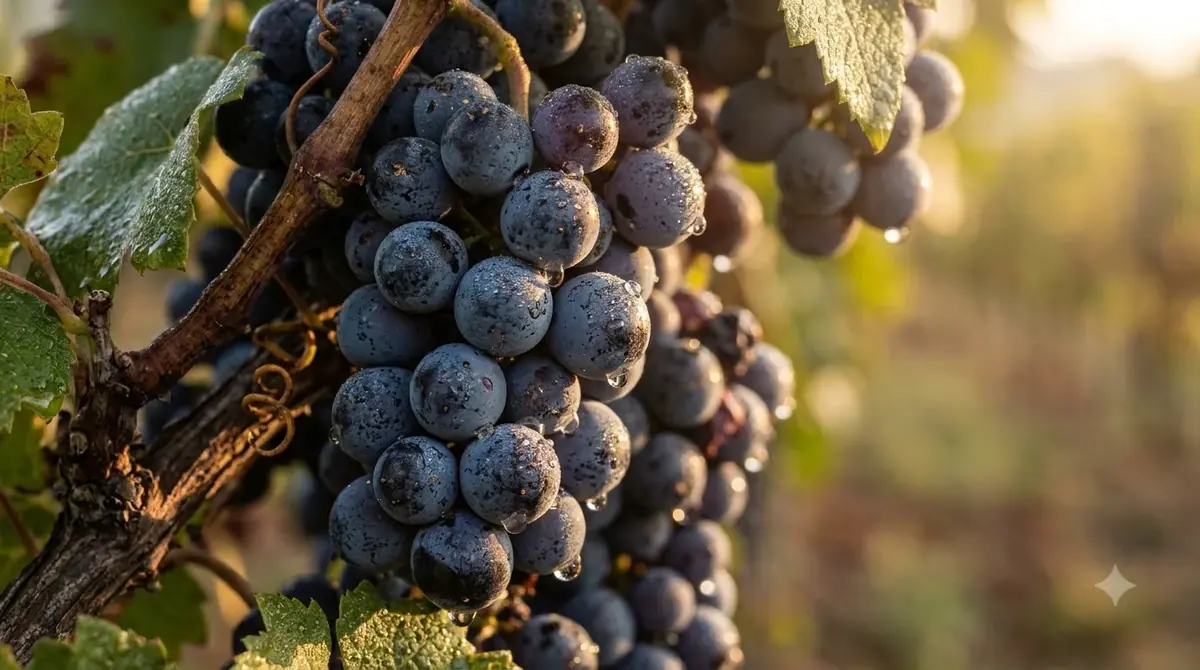
Bacchus is a white grape that is usually grown for aromatic, easy-drinking wines. Wines made from it are often floral and fruity, with notes that many drinkers describe as elderflower, citrus or pear. The acidity tends to be fresh rather than sharp, which makes Bacchus a good choice for people who find some dry whites too austere.
Because the grape can be made in several sweetness levels, the label is a good guide. A dry Bacchus will taste crisp and clean, while an off-dry version has a softer, rounder finish. Check the bottle or the producer’s notes before you buy if you have a specific preference.
| Name or word | How to say it | Notes |
|---|---|---|
| Bacchus (grape) | BAK-us | Same word as the Roman god of wine |
| Bacchus (god) | BAK-us | Stress on the first syllable in English |
| Riesling | REEZ-ling | A parent variety in the Bacchus cross |
| Müller-Thurgau | MUL-er TOOR-gow | Also part of the parentage of Bacchus |
How to say it in conversation
Good pronunciation is about confidence more than perfection. Say the name once, clearly, and move on. If the server or shop assistant uses a different form, follow their lead, since they have heard many customers say it. Most people respond well to a simple, unforced “BAK-us, please,” and the conversation carries on from there.
It also helps to know the names of similar grapes. If you are learning how to say a set of European wine names, it can be easier to practice them in groups, for example with how to pronounce gewurztraminer, which has its own stress pattern and sound pattern to learn.
Why the name trips people up
Part of the confusion comes from the spelling. The letters “cc” and the “us” ending look like a Latin word, and many English speakers expect the first vowel to be long, as in “bah.” In practice, the first vowel is a short “a,” which is why the usual English sound is closer to “BAK” than to “BAH.” The ending also looks like a plural, which can make people hesitate, but it is simply the last syllable of a single name.
A second source of confusion is that the name appears in several languages. In the Roman tradition it is the name of the god, while in German-speaking wine regions it is the name of a grape variety developed in the twentieth century. The spelling stays the same across these uses, so learners sometimes ask whether the pronunciation changes. For ordinary English conversation, it does not, and the BAK-us form works in both settings.
If you have heard the name pronounced in a different way by a sommelier or a visitor, the difference is usually a matter of accent rather than error. Wine vocabulary carries many regional habits, and the important thing is that the person you are talking to understands which bottle you mean. Clear description and a confident tone help far more than an exact vowel.
Serving and pairing Bacchus
Bacchus is usually served cool rather than ice cold. A slightly chilled glass lets the floral and fruity aromas come forward without making the wine taste thin. A standard white wine glass with a moderate bowl is a good choice, since it concentrates the aroma while keeping the wine approachable.
Light food suits Bacchus well. Soft cheeses, salads, grilled fish and mild chicken dishes pair easily with its freshness. For a spicier meal, the wine’s fruit and soft acidity can balance heat without overwhelming the dish. As always, check the producer’s notes for any specific pairing advice on the bottle you have chosen.
Common mistakes when saying Bacchus
The most frequent mistake is treating the second syllable as a long vowel, which makes the name sound like a different word. Keep the second syllable short and light. Another common slip is to stress the wrong part of the word, which can make the name hard to recognize. Put the strongest emphasis on BAK and let the rest of the word fade.
Some people also mix up Bacchus with other white grapes from Germany, because the country produces many varieties with similar-sounding names. If you are not sure which one you want, ask for a short description of the wine before you order. A quick question about body, sweetness and aroma will usually sort out the confusion.
Frequently Asked Questions
How do you pronounce Bacchus the grape?
The usual English pronunciation is BAK-us, with stress on the first syllable. The same pronunciation applies to the Roman god of wine, so the word means the same thing in both settings.
Is Bacchus an ancient grape?
No. The grape was created in 1933 by a German viticulturalist at a breeding institute in the Palatinate. Its name refers to the Roman god of wine rather than to a historic variety.
Is Bacchus a red or white grape?
Bacchus is a white grape. Wines made from it are usually aromatic and fruity, and they are often served cool.
Is Bacchus wine sweet or dry?
It can be either, depending on the producer. Dry versions taste crisp, while off-dry ones have a softer finish. Read the bottle’s description to know which style you are buying.
Bacchus is an easy name to say once you know the stress pattern. Practice it once or twice, then focus on the wine itself. For more pronunciation help and related grape guides, browse wine by type, and see how to say how to pronounce madeira and how to pronounce st croix for other names that trip people up.
More in Wine Types & Grapes
 Zinfandel Sugar Content: Dry Red vs. White Zinfandel GramsUpdated Nov 21, 2026
 Best Zinfandel Substitute Options for Sipping and CookingUpdated Nov 21, 2026
 Zweigelt Food Pairing: Best Dishes, Cheeses, and Serving TipsUpdated Nov 21, 2026
 Zinfandel Tannins Explained: How Structure Shapes Every BottleUpdated Nov 21, 2026
 Zinfandel Sweetness Level: Dry Red vs. Sweet White Zin ExplainedUpdated Nov 21, 2026
 Xinomavro Food Pairing: Best Dishes, Styles, and Serving TipsUpdated Nov 21, 2026