

We may earn a commission when you buy through links on this page, at no extra cost to you. Learn more.
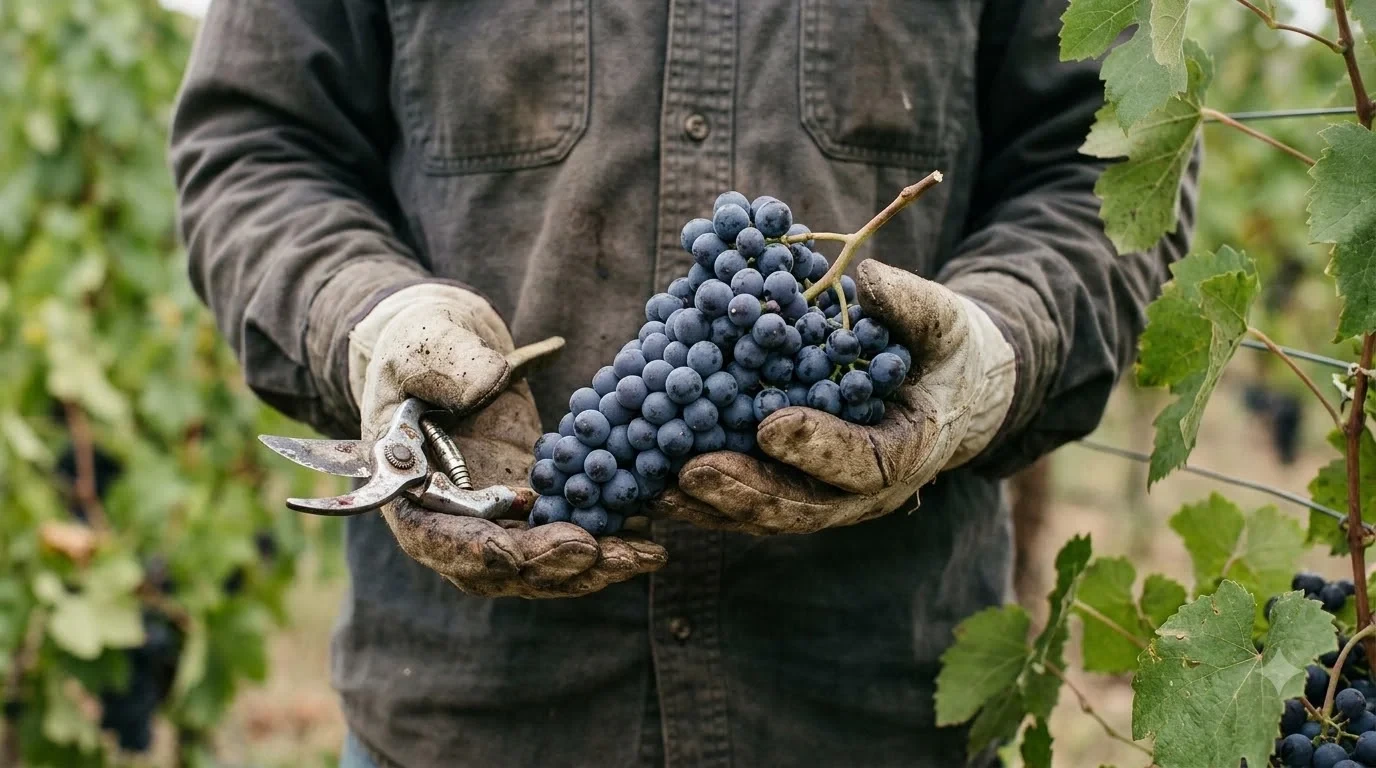
Lodi wine comes from a warm, flat, Mediterranean-climate appellation in California’s Central Valley, known for old-vine Zinfandel, a wide range of grape varieties, and one of the state’s earliest sustainable farming programs. The region sits about 40 miles south of Sacramento and grows far more grape varieties than most wine areas, so the wines range from bold reds to crisp whites and light, fresh rosés. Lodi is a practical choice for drinkers who want good value, serious old vines, and a clear sense of how California wine is grown.
This guide explains where Lodi is, what the climate and soils do to the grapes, which varieties define the region, and how to read a Lodi label. It also covers the LODI RULES sustainability program, which is printed on many bottles, and it offers simple suggestions for serving and pairing.
Where Lodi Is and Why the Climate Matters
Lodi lies in the northern part of California’s Central Valley, roughly 40 miles south of Sacramento and about 90 miles east of San Francisco. It was established as an American Viticultural Area in 1986. The area has a Mediterranean climate, with hot, dry days and cool nights, and breezes that come in from the Sacramento–San Joaquin River Delta. Those cool evening winds help grapes keep acidity even in warm summers, which is one reason the region can make balanced wine at a range of price points.
The region’s size also shapes its character. A regional promotional guide describes Lodi as the most diverse wine-growing appellation in the United States and says the area produces about 20 percent of California’s wine. Growers here work with many soils and microclimates, so the same grape can taste different from one vineyard to the next.
Old Vines and the Zinfandel Story
Lodi is widely known for its old vines. The region has one of the highest concentrations of old vineyards in California, and some Zinfandel blocks were planted more than a century ago. Old vines usually produce fewer, more concentrated grapes, and the wines they yield often show deeper fruit, more structure, and a sense of age in the bottle. For a drinker, an old-vine Zinfandel is a good way to taste what the region does best.
Zinfandel is one of the region’s leading red varieties. Wines made from it tend to be full-bodied, with ripe dark fruit and peppery spice. Many producers also make Zinfandel blends or single-vineyard bottlings, so the label is worth reading closely. If you want to start with a clear example of the region’s style, an old-vine Zinfandel from a named vineyard is a good first choice.
The Grapes Behind the Region’s Wines
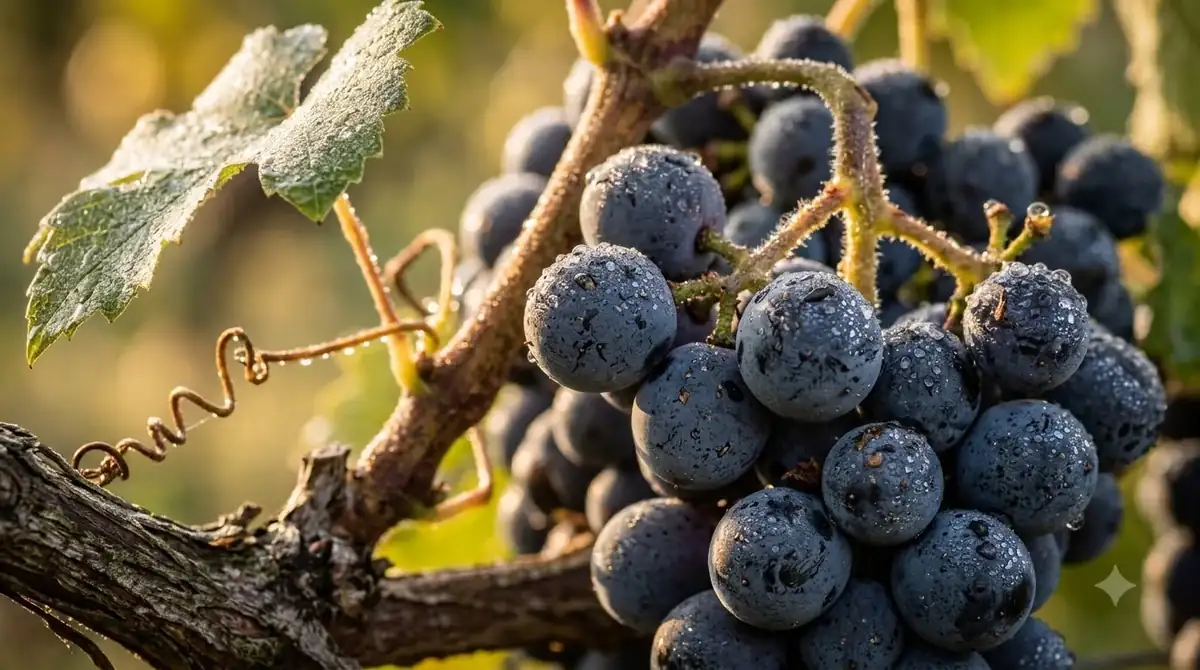
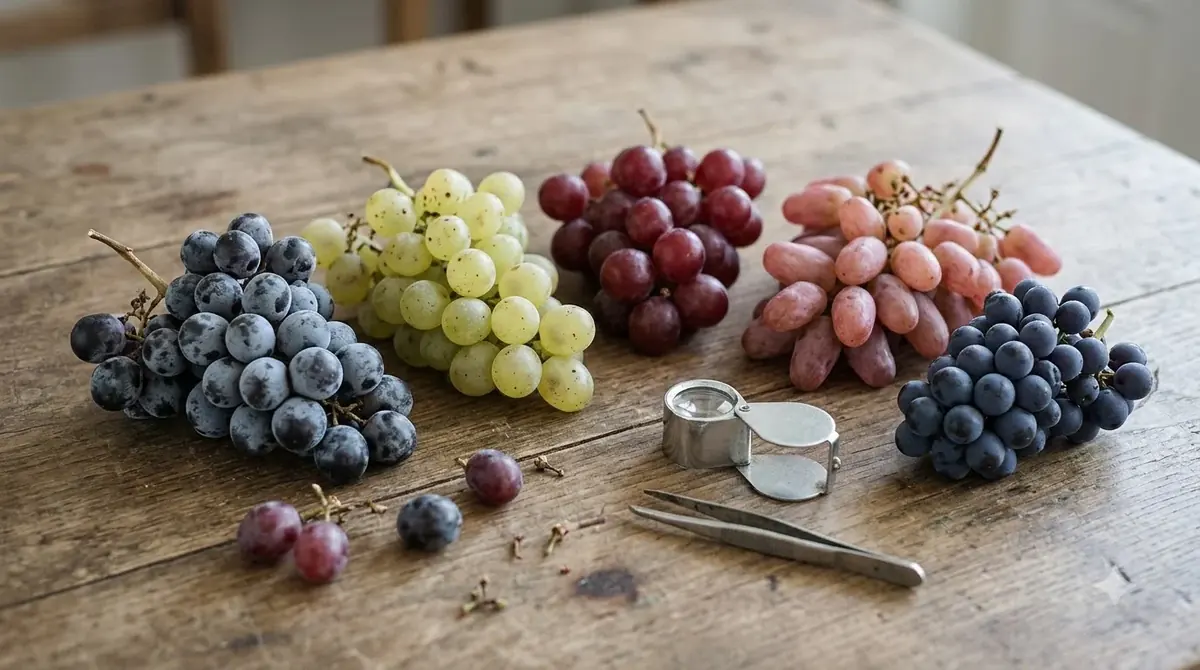
Lodi grows a very wide range of grapes. A regional guide counts about 125 varieties, and the area is a leading producer of Cabernet Sauvignon, Chardonnay, Merlot, Sauvignon Blanc, and Zinfandel. That range means the region is not defined by a single grape the way some European areas are. Instead, it offers a broad menu of wines that share a warm-climate fruit character and a practical, value-minded approach.
Some growers are also exploring Mediterranean and Spanish varieties. Regional sources name Grenache, Cinsaut, Albariño, and Tempranillo as examples of varieties that producers have planted or are testing. You will not find these grapes on every shelf, but they show how Lodi growers are willing to experiment beyond the familiar California names.
| Style | Common Lodi grapes | What to expect |
|---|---|---|
| Bold red | Zinfandel, Cabernet Sauvignon | Ripe dark fruit, spice, and a full, structured body |
| Soft red | Merlot | Plush fruit and a smoother texture for everyday drinking |
| Crisp white | Sauvignon Blanc | Fresh citrus and herbal notes with bright acidity |
| Rich white | Chardonnay | Round texture, stone fruit, and a range of oak styles |
| Mediterranean style | Tempranillo, Albariño, Grenache | Varies by producer; often fresh and food-friendly |
Tip: If a bottle says “old vine” or names a vineyard, the wine is usually made in a more concentrated style. Check the back label for the vineyard name and the grape before assuming it is a bigger wine.
What the LODI RULES Program Means on the Label
LODI RULES is a sustainable winegrowing program that began in 2005. According to the program’s own description, it was one of the first formal, third-party-verified sustainable farming systems in the country. The fourth edition, introduced in December 2022, includes 125 sustainability standards, many of them aimed at reducing greenhouse gas emissions. Growers are monitored and certified by an outside organization before they earn the “Certified Green” seal. You can read the program’s background in a post from Lodi Wine.
The seal does not tell you how a wine tastes, but it does tell you how the grapes were grown. For drinkers who care about farming practices, it is a useful signal. The program’s own figures put more than 32,000 acres inside the Lodi AVA under certification as of 2023.
How to Serve and Pair Lodi Wine
Serve Lodi reds at a slightly cool room temperature, and give bold Zinfandel a short time to open in the glass. Full-bodied reds pair well with grilled meat, barbecue, smoked dishes, and hearty pasta with tomato sauce. Lighter reds such as Merlot suit roast chicken and mushroom dishes. Chill crisp whites, especially Sauvignon Blanc, and serve them with salads, shellfish, and fresh goat cheese. A chilled Chardonnay can match creamy pasta or roast fish.
Because the region produces so many styles, it is easy to build a simple pairing plan. Pick one bold red for grilled food and one crisp white for lighter dishes. If you want to explore regional drinking more widely, the Wine Regions section compares how climate and soil shape wines from different areas.
How to Buy a Lodi Bottle
Start with the grape or the vineyard, then check the appellation line. A label that says Lodi tells you where the grapes were grown, but it does not guarantee a particular style, so read the producer’s notes or the back label for hints about the winemaking. If you want a clear sample of the region, look for an old-vine Zinfandel or a Lodi blend from a producer known for the area.
Price is another reason many buyers choose Lodi. The region’s size and diversity mean there are wines at several price levels, from everyday bottles to limited single-vineyard releases. Compare two or three bottles of the same grape before you decide which one suits your taste. If you are planning a visit, the Lodi wineries guide covers the producers and tasting areas.
Frequently Asked Questions
What is Lodi known for in wine?
Lodi is best known for old-vine Zinfandel, a wide range of grape varieties, and the LODI RULES sustainability program. The region also produces Cabernet Sauvignon, Chardonnay, Merlot, and Sauvignon Blanc in large amounts.
Is Lodi wine good for beginners?
It can be. The range of styles means you can find an easy-drinking Merlot, a crisp Sauvignon Blanc, or a fruit-forward Zinfandel. Start with one white and one red to see which style you prefer.
What does LODI RULES certified mean on a bottle?
It means the grapes were grown on a vineyard that has been monitored and certified under the LODI RULES sustainability program. The seal describes the farming practices, not the taste or quality of the wine.
Should I age Lodi wine?
Most Lodi wines are made to drink within a few years. Some structured old-vine Zinfandels and Cabernet Sauvignons can develop with time, but check the producer’s recommendation before storing a bottle for a long period.
Lodi wine offers a useful way to understand California’s farming and winemaking, from its old vines and Zinfandel tradition to its sustainability program and wide range of grapes. Start with a bold red or a crisp white, compare a few labels, and look for the vineyard and grape on the back. The region rewards curiosity more than any single style.
More in Wine Regions
 Willcox Wine Trail: Discover Arizona’s High-Elevation Wine CountryUpdated Nov 20, 2026
 Yakima Valley Wine Region: Find the Best Styles to TryUpdated Nov 20, 2026
 Vosne Romanee Wine Tasting: Identify Aromas and Choose Better PairingsUpdated Nov 20, 2026
 Yakima Valley Wine Festival: Find the Best Seasonal Wine EventsUpdated Nov 20, 2026
 Wales Vineyards: Discover Cool-Climate Wines and Where to VisitUpdated Nov 20, 2026
 Yountville Wine Festival: Discover Napa Wines and Local FoodUpdated Nov 20, 2026