

We may earn a commission when you buy through links on this page, at no extra cost to you. Learn more.
How to store white wine comes down to a cool, dark, steady place, ideally around 10 to 14 °C (50 to 57 °F), away from heat, direct light and vibration. A consistent temperature matters more than a perfect one, and most white wines are best drunk within a few years of release. Once opened, a white wine should go back in the refrigerator and be finished within a few days.
This guide explains how to store white wine before and after opening, what conditions matter most, and how to tell when a bottle has gone past its best. The advice applies to everyday whites such as Pinot Grigio and Sauvignon Blanc as well as older, more structured bottles from regions like Burgundy or the Rhine.
Why storage conditions matter for white wine
White wine is usually bottled to be enjoyed young and fresh, so its aromas and acidity are more fragile than many people expect. Heat speeds up chemical reactions in the wine, while light and rough handling can break down aroma compounds. Over time, the fruit fades and the wine can taste flat or oxidized.
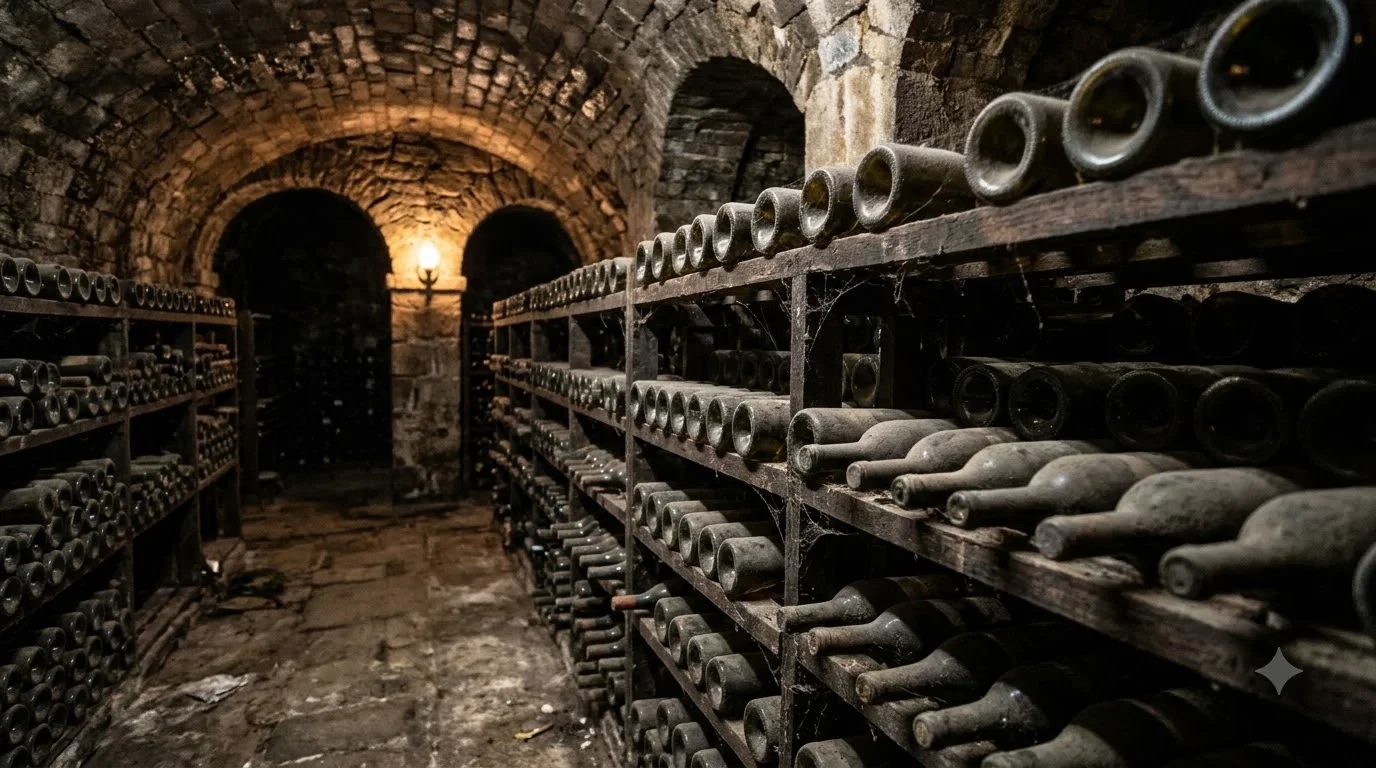
Most of the protective work is done by the cellar itself. Traditional cellars are valued because they stay dark and cool, and darkness is one of the main protective features of a cellar. Wine left exposed to heat, light, vibration or changes in temperature and humidity can spoil, so the goal at home is to reproduce those quiet conditions as closely as possible.
Ideal temperature and how steady it needs to be
Temperature is the single most important factor. According to the wine cellar entry on Wikipedia, wine can be stored between 7 and 18 °C (45 to 64 °F) as long as the changes are gradual. The article describes 13 °C (55 °F) as ideal for short-term storage and long-term aging, and says wines age normally between 10 and 14 °C (50 to 57 °F).
Stability matters as much as the number on the thermometer. Large temperature swings make wine expand and contract, which can push air past the cork and speed up aging. Keep the bottle away from radiators, ovens, dishwashers and sunny windows, and avoid storing it on top of a refrigerator, where the warm air from the compressor can cycle around it.
Tip: A closet on an interior wall, away from the kitchen, is often steadier than a shelf near an outside door or a window.
Light, vibration and humidity
Light is one of the fastest ways to damage a bottle. Clear and light-green glass offers little protection from ultraviolet light, which is why many white wines come in green or amber glass. Storing bottles in their original cardboard box or in a cabinet keeps them in the dark.
Vibration is less obvious but still matters. Constant movement, such as a washing machine or a busy appliance running nearby, can disturb the sediment in older wines and may affect how the wine develops over time. A quiet shelf or a wine rack set on a solid base is a better choice than a spot where the bottles rattle.
Humidity is debated. The same entry notes that experts disagree on how much it matters. One French study, cited by wine writer Matt Kramer, suggests humidity inside a sealed bottle stays close to 100 percent regardless of the closure or the bottle’s position. The article also warns that very dry air can cause natural corks to shrink and dry out, so a damp but not wet storage area is a reasonable middle ground. A moderate level, neither bone dry nor damp, is the practical goal, and the entry gives no exact figure for white wine.
Lying down or standing up
Traditional advice says to store bottles on their side so the cork stays wet and keeps its seal. That idea still gets repeated widely, but the practical value depends on how long the bottle will sit. A wine with a screw cap does not need the cork to stay moist at all, and many modern white wines use screw caps or synthetic corks. If you are only storing a bottle for a few weeks, standing it upright is fine. For a bottle you plan to keep for several years, lying it down on its side and keeping it in a stable place is the more cautious choice.
Check the closure before you buy if you plan to age a white. The label or the producer’s website usually says whether the wine uses a natural cork, a synthetic cork or a screw cap, and that detail can help you decide how to store it.
How long white wine keeps
Most white wines are made to be drunk young. A crisp, unoaked Sauvignon Blanc or a light Pinot Grigio is usually at its best within one to two years of the vintage. Richer whites, such as oaked Chardonnay or a dry Riesling from a good vintage, can often age for several years, and a few sweet styles from classic regions can last much longer. Because aging potential depends on the grape, the producer and the year, the producer’s notes or a reliable wine guide are the best place to check a specific bottle.
| White wine style | Typical drinking window | Storage note |
|---|---|---|
| Light, unoaked (Pinot Grigio, Vermentino) | Within 1 to 2 years of vintage | Keep cool and dark; drink fresh |
| Aromatic (Sauvignon Blanc, Riesling) | Around 2 to 5 years for most bottles | Stable temperature preserves fruit |
| Oaked (Chardonnay, Viognier) | Often 3 to 6 years | Storage matters more for richer styles |
| Once opened (any white) | Usually 3 to 5 days | Refrigerate with the cork or cap back on |
Storing white wine after opening
Once a bottle is opened, oxygen starts to change the wine. Re-cork it tightly or use a vacuum stopper, then keep it in the refrigerator. Cold slows the oxidation process, which is why most white wines should be finished within a few days. Lighter, fresher whites tend to hold up slightly better than rich, oaked ones, which can lose their fruit more quickly.
Use a smaller bottle or a half-full container if you open a bottle and know you will not finish it. Less air in the bottle means slower change. Take the wine out about 15 to 30 minutes before serving so it warms up slightly and shows its aromas more clearly.
Tip: A wine that smells of vinegar, nail polish remover or wet cardboard has probably gone off and is not safe to keep drinking.
Signs that a white wine has gone bad
Check the color, smell and taste before you pour. A white that has turned deep gold or brown, with a flat or sherry-like smell, has oxidized. A sharp vinegar smell or a fizzy, sour taste in a still wine often means bacteria have worked on it. A cork that has crumbled into the bottle or leaked is another sign that air has gotten in. Not every faded bottle is unsafe, but it will taste less lively than it did at release.
Frequently Asked Questions
Can I store white wine in the refrigerator for a long time?
A refrigerator is fine for short periods, but the constant cold and the dry air can harm a bottle over months. It is better for opened wine and for chilling bottles before serving. For long-term storage, a cool cellar or a wine fridge set at a steady temperature works better.
Does white wine need to be stored on its side?
It helps when the bottle has a natural cork and will be kept for years, because the wet cork stays in contact with the wine. Bottles with screw caps can be stored upright without any problem. For a short wait, standing the bottle up is fine.
How long does an opened bottle of white wine last?
Most open white wines are best within three to five days when kept in the refrigerator with the stopper in place. Light, crisp whites usually hold up a little longer than rich, oaked styles.
Is it safe to drink white wine that is past its best?
A wine that has only lost some fruit is usually safe but tastes flat. One that smells strongly of vinegar or looks badly discolored should be thrown away. When in doubt, cook with it rather than drink it.
Good storage is mostly about keeping things steady: a cool, dark place, no big swings in temperature, and a quick return to the fridge after opening. Once you have those basics, you can explore the full range of white styles in the wine by type section, or read up on an aromatic grape such as auslese wine before deciding how long to keep it.
More in Wine Types & Grapes
 Zinfandel Sugar Content: Dry Red vs. White Zinfandel GramsUpdated Nov 21, 2026
 Best Zinfandel Substitute Options for Sipping and CookingUpdated Nov 21, 2026
 Zweigelt Food Pairing: Best Dishes, Cheeses, and Serving TipsUpdated Nov 21, 2026
 Zinfandel Tannins Explained: How Structure Shapes Every BottleUpdated Nov 21, 2026
 Zinfandel Sweetness Level: Dry Red vs. Sweet White Zin ExplainedUpdated Nov 21, 2026
 Xinomavro Food Pairing: Best Dishes, Styles, and Serving TipsUpdated Nov 21, 2026