

We may earn a commission when you buy through links on this page, at no extra cost to you. Learn more.
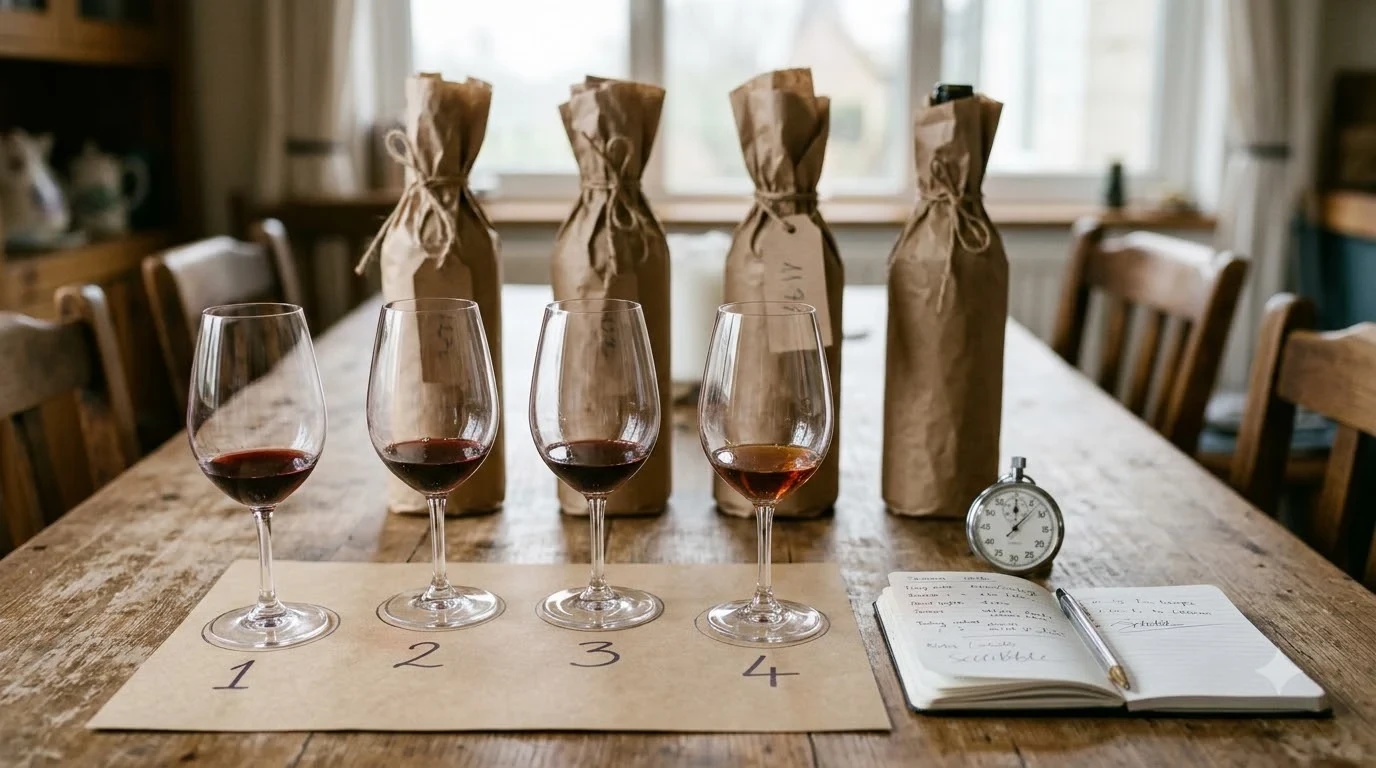
Amador County wine tasting centers on Zinfandel, with more than 40 wineries spread across a Gold Country landscape about 45 miles southeast of Sacramento. The county is known for old-vine Zinfandel, some of it more than 125 years old, and for a more relaxed pace than the Napa and Sonoma valleys. Most visitors plan a short route of three or four tasting rooms and build the rest of the day around the scenery.
This guide explains what makes Amador County different, which wines to taste, how the region is laid out, and how to plan a tasting day that feels unhurried. It also covers the history that shaped the county’s vineyards, since that history explains why the Zinfandel here is so distinctive.
Why Amador County is a Zinfandel destination
Zinfandel is the county’s signature grape, and the vineyards here are among the most historic in the United States. The Grandpère vineyard, planted before 1869, is generally regarded as the oldest Zinfandel vineyard in America, and many of the county’s vines are decades old. Old vines tend to produce smaller crops with more concentrated flavor, which is one reason local producers have built their reputation around this variety.
The county also grows other varieties, and many wineries make wines beyond Zinfandel. Visitors who expect only Zinfandel will still find a broad selection in most tasting rooms, but Zinfandel is the wine that most people come to try and remember.
The region’s geography and setting
Amador County sits in the Mother Lode and Gold Country of the Sierra Nevada foothills, about 45 miles southeast of Sacramento. Its elevation ranges from roughly 250 feet in the west to more than 9,000 feet in the east, which means the landscape changes quickly as you drive. Lower vineyards sit in warm, dry valleys, while higher sites are cooler and more exposed.
The Shenandoah Valley is the best-known sub-area for tasting, and it was once California’s main winegrowing area. It is less famous than Napa or Sonoma, which is part of its appeal. Roads are quieter, tasting rooms are often smaller, and many producers pour their own wines in the same building where they make them.
| Area or feature | What to expect | Good for |
|---|---|---|
| Shenandoah Valley | Historic vineyards and a central tasting corridor | First-time visitors |
| Foothill wineries | Older Zinfandel vines and small-lot wines | Zinfandel fans |
| Gold Country towns | Historic main streets and local dining | Full-day trips |
| Higher elevation sites | Cooler conditions and mountain views | Scenic drives |
What to taste in Amador County
Start with Zinfandel, because it is the wine the region is known for. Amador Zinfandel often shows ripe fruit and spice, and the best examples balance power with freshness. Ask the staff which vineyard a bottle comes from, since old-vine sites can taste quite different from younger plantings.
Zinfandel also has a useful background for tasting. According to Wine Folly’s Zinfandel guide, the grape is typically dry and full-bodied with flavors of blackberry, strawberry, peach preserves, and cinnamon, and it is generally high in alcohol. That profile is a useful reference when you compare wines at a tasting bar.
Beyond Zinfandel, many wineries offer other red and white varieties, and tasting flights are a good way to compare several styles in one visit. Share a flight with a friend if you want to taste more without finishing every pour.
The history behind the vineyards
The county’s wine story began during the Gold Rush, when miners and settlers planted vines in the foothills. Winemaking grew into a major local industry, and the Shenandoah Valley became one of the most important winegrowing areas in the state. That early growth is part of why so many old vineyards still stand today, and why the Zinfandel planted here carries such a long family-style history.
The industry then faced serious setbacks. The decline of the Gold Rush reduced the population and the demand for local wine, and Prohibition hit the region hard, as it did most American wine country. Many vineyards were lost or left unattended for decades. The modern revival has rebuilt the county’s reputation, and new producers now work alongside families whose roots go back generations.
Knowing this history makes a tasting visit more meaningful. When a winery pours a Zinfandel from a block planted before the twentieth century, you are tasting a link to the county’s past. Ask staff about the vineyard history, since many producers are proud to explain how their land was planted and cared for over time.
How to plan a tasting day
The county is large enough that a single day can feel full quickly. Plan a route with three or four stops, and leave time between tastings for food and a walk. Driving distances between some wineries are longer than they look on a map, especially on the foothill roads, so check your route before you set out.
- Choose two or three wineries with different styles, such as a historic Zinfandel estate and a smaller producer.
- Book ahead for popular tasting rooms, particularly on weekends and during harvest season.
- Arrange a designated driver or a tour service, since every stop involves tasting.
- Eat a substantial meal before you begin and drink water between pours.
- Keep the last stop short so the drive back remains safe and comfortable.
Some visitors prefer a guided tour, which can take you to a set of wineries with transport included. A tour is a good choice if you want to avoid driving altogether, while a self-guided day gives more freedom to linger at a favorite stop.
Visiting tips for a relaxed trip
Amador County works well as a slower, more personal trip. Many tasting rooms are small, and staff often have time to explain how a wine was made or which vineyard it comes from. Ask questions, take notes on the wines you like, and buy a bottle from a winery you want to revisit, since many smaller producers sell mainly at the cellar door.
Check opening hours before you go, because some wineries keep shorter schedules on weekdays. Bring a light jacket for the evening, since temperatures can drop quickly in the foothills after sunset. Pack a cooler bag if you plan to buy several bottles, so they stay in good condition on the drive home.
If you are comparing options for a wine trip, the cape may wine tasting guide shows how a coastal region differs, and the lake county wine article covers another California region with its own style. The Wine Regions hub collects guides to many other areas.
Frequently Asked Questions
How many wineries are in Amador County?
Descriptions of the county commonly note that it is home to more than 40 wineries. Check the latest listings before you plan, since new producers open and some change their hours.
What is Amador County best known for?
The county is best known for Zinfandel, especially old-vine plantings. The Grandpère vineyard, planted before 1869, is regarded as one of the oldest Zinfandel vineyards in the country.
Is Amador County a good choice for a first wine trip?
It can be. The region is less crowded than the best-known California valleys, and many tasting rooms have a friendly, personal feel. A small route with two or three stops keeps the day manageable.
Do I need reservations for tasting?
Reservations are wise for weekends and busy seasons, since smaller tasting rooms have limited space. Call or check the winery website before you travel to confirm current policies.
Amador County rewards visitors who take their time. Pick a few wineries, taste with curiosity, and let the historic vineyards set the pace. For a broader look at California’s wine regions, the Wine Regions section is a useful next step.
More in Wine Regions
 Willcox Wine Trail: Discover Arizona’s High-Elevation Wine CountryUpdated Nov 20, 2026
 Yakima Valley Wine Region: Find the Best Styles to TryUpdated Nov 20, 2026
 Vosne Romanee Wine Tasting: Identify Aromas and Choose Better PairingsUpdated Nov 20, 2026
 Yakima Valley Wine Festival: Find the Best Seasonal Wine EventsUpdated Nov 20, 2026
 Wales Vineyards: Discover Cool-Climate Wines and Where to VisitUpdated Nov 20, 2026
 Yountville Wine Festival: Discover Napa Wines and Local FoodUpdated Nov 20, 2026