

We may earn a commission when you buy through links on this page, at no extra cost to you. Learn more.
Champagne sugar content depends on the style of the bottle, and most champagne is dry because of the way sugar is added at the end of production. Brut is the most common style and tastes crisp, while sweeter labels such as demi-sec contain noticeably more sugar. The label usually signals the level, so checking the word on the front or back tells you most of what you need to know.
This guide explains where the sugar in champagne comes from, what the sweetness labels mean, how champagne compares with other wines, and how to pick a bottle that matches the taste you want.
Where the Sugar in Champagne Comes From
Champagne starts as a still base wine made from grapes that carry natural sugar. During fermentation, yeast converts most of that sugar into alcohol and carbon dioxide. The remaining sugar in the finished base is very low, so the sweetness of a bottle is mostly decided later in the process.
The key step is dosage. After the second fermentation in the bottle and the removal of the yeast deposit, winemakers add a small measure of wine and sugar, often called the dosage, to top up the bottle. The amount of sugar in this final addition sets the sweetness level. A winemaker can add a little or none at all, and that choice is what separates the styles on the shelf.
Writing in VinePair, winemaker TJ Evans notes that low- and no-dosage sparkling wines, made with little or no added sugar, have become increasingly popular. He adds that zero dosage can be done very well but is not right for every wine. That observation helps explain why the sugar content of champagne varies more from one producer to another than many people expect.
Champagne Sweetness Labels Explained
Champagne labels use a set of terms to describe sweetness, and these are the most useful guide when you are comparing bottles. From driest to sweetest, the common terms are brut nature or zero dosage, extra brut, brut, extra dry, dry, demi-sec, and doux. Each term tells you roughly how much sugar was added, although the exact figures are set by regulation and vary by producer.
In everyday shopping, brut is the safest default. It has a clean, crisp finish that suits most meals and is the style most often sold as a standard bottle. Extra dry sounds like it would be drier, but it actually carries more sugar than brut, so it can surprise drinkers who expect the opposite.
How Champagne Compares With Other Wines
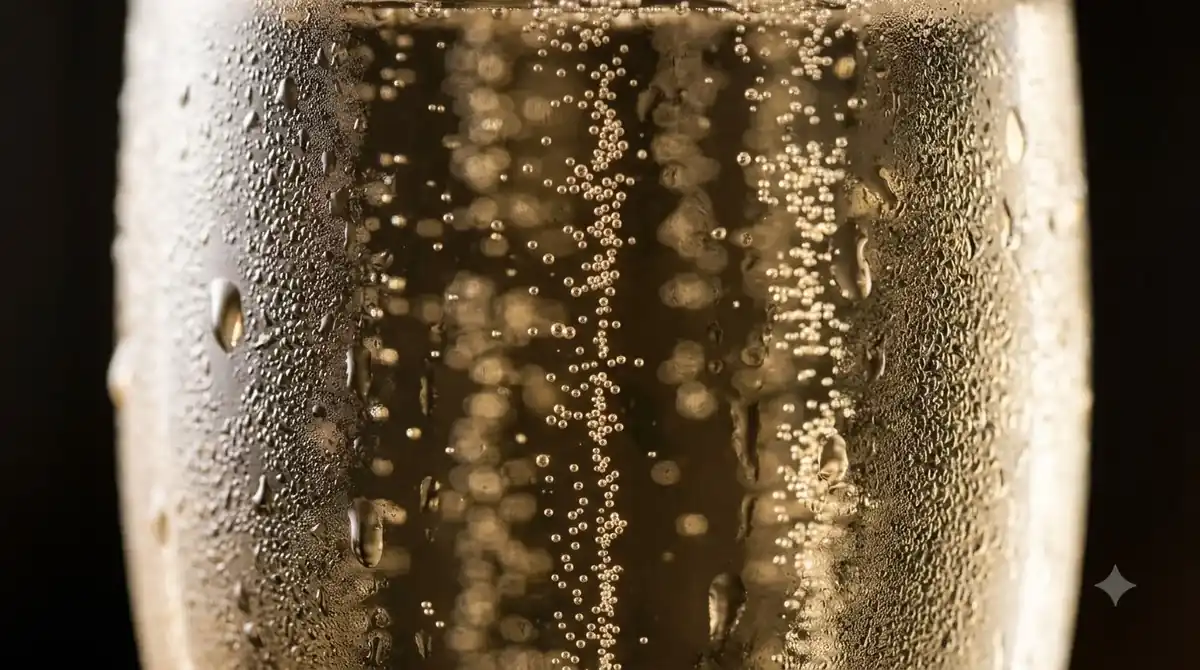
Most dry wines still contain some natural sugar, but it is usually too low to taste sweet. A sweet wine has noticeably more residual sugar left after fermentation. Champagne is often treated as a special case because its sweetness is set by dosage, which lets it stay crisp even when the base wine is rich and ripe.
Comparing sugar content across categories helps set expectations. Dry still whites and reds sit at the low end, while dessert wines and late-harvest styles sit at the high end. Champagne sits in between, with brut and extra brut on the dry side and demi-sec or doux clearly sweet. For a broader view of how the categories line up, see Wine by Type.
| Champagne style | Taste | Good with |
|---|---|---|
| Brut nature or zero dosage | Very dry, sharp, mineral | Oysters, raw seafood, sushi |
| Extra brut | Dry and lean | Fried foods, salty snacks |
| Brut | Dry with light fruit | Most meals, aperitifs, celebrations |
| Extra dry | Slightly fruity, softer | Brunch, spicy dishes, fruit |
| Demi-sec | Clearly sweet, rich | Fruit desserts, cheese plates |
Tip: If the label is hard to read, a brut bottle is a reliable middle choice. It will not taste sugary, and it pairs with a wide range of foods.
Sugar in Other Drinks for Context
Sugar is easy to overlook in alcoholic drinks, and a comparison makes the numbers clearer. The same VinePair article, which discusses residual sugar and dosage, cites grams of sugar for several cocktails, with a Negroni at about 10 grams, an Old Fashioned at about 6.5 grams, and a Kir Royale at about 7.3 grams. Put side by side, the numbers show that a dry champagne and a mixed drink can carry similar amounts of sugar, so the choice of style matters more than the category.
These figures are approximate and depend on the recipe, so treat them as a rough guide rather than an exact count. The main point is that a dry champagne is not automatically sugar free, and a dessert-style bottle can carry more sugar than a cocktail.
How to Choose a Bottle by Sugar Level
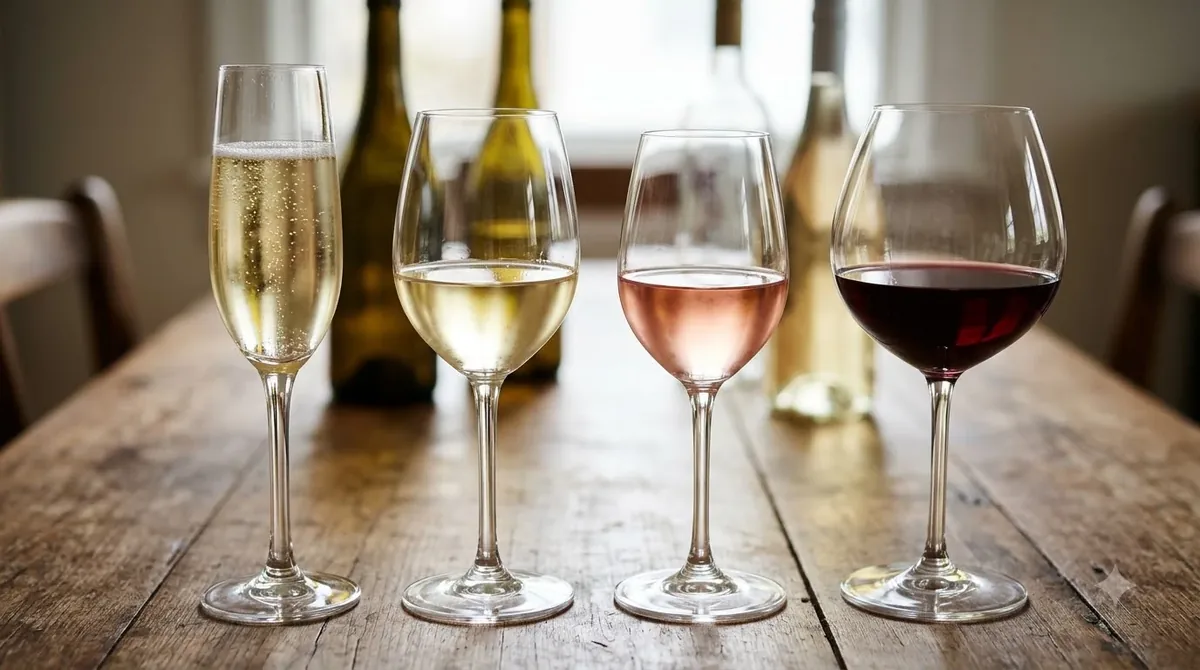
Start with the meal or occasion. Oysters and other raw seafood suit a very dry bottle, because its sharpness cleans the palate. Heavier dishes such as roast chicken or creamy pasta often pair better with a brut or extra dry style that has a little more fruit. Sweeter champagne is best matched with fruit desserts, shortbread, or soft cheeses, where the sugar in the wine balances the richness of the food.
Also think about your own taste. If you find dry wines harsh, a bottle labeled extra dry or demi-sec will feel softer. If you prefer a crisp, mineral drink, look for brut nature or extra brut. Reading the label before you buy takes a few seconds and avoids a bottle that does not match what you expected. When you are buying for a group, a mix of styles works well. One brut for the dry-wine drinkers and one demi-sec for guests who prefer sweeter wine lets everyone find a glass they enjoy, and it also gives the table a useful contrast when the food changes course.
Common Questions About Sugar in Champagne
People often assume that every sparkling wine is sweet, or that all champagne is equally dry. Neither is true. The style set at dosage decides most of the difference, so two bottles from the same region can taste very different. Serving temperature also changes how sweet a wine seems. A cold glass makes sugar feel less pronounced, while a warmer glass lets the fruit and sweetness show more clearly.
Producers do not always print the sugar figure on the label, so the sweetness term is usually the best clue. If you want more detail on a specific bottle, the producer’s website or the importer’s technical sheet often lists the style and dosage.
Frequently Asked Questions
Is champagne sweet or dry?
Most champagne is dry. Brut is the most common style and tastes crisp. Only bottles labeled demi-sec or doux are clearly sweet, and extra dry is a surprise because it is actually a little sweeter than brut.
Does brut champagne have sugar?
Yes, brut champagne contains some sugar from the dosage, but it is kept low so the wine tastes dry. Brut nature and zero dosage styles contain little or none.
Which champagne has the least sugar?
Brut nature, also called zero dosage, is the driest style and receives little or no added sugar. Extra brut is also very low in sugar and tastes lean and crisp.
Is champagne lower in sugar than other sparkling wines?
It can be, depending on the bottle. Both champagne and other sparkling wines use dosage to set sweetness, so the label is more useful than the region when you are comparing sugar levels.
Champagne sugar content is easy to understand once you know the sweetness terms and how dosage works. Choose brut for an all-purpose bottle, pick a drier style for seafood, and save sweeter labels for desserts. For more on the wines that sit alongside champagne, read about red wine sugar content and pinot grigio sugar content. Enjoy champagne in moderation and at a pace that suits you.
More in Wine Types & Grapes
 Zinfandel Sugar Content: Dry Red vs. White Zinfandel GramsUpdated Nov 21, 2026
 Best Zinfandel Substitute Options for Sipping and CookingUpdated Nov 21, 2026
 Zweigelt Food Pairing: Best Dishes, Cheeses, and Serving TipsUpdated Nov 21, 2026
 Zinfandel Tannins Explained: How Structure Shapes Every BottleUpdated Nov 21, 2026
 Zinfandel Sweetness Level: Dry Red vs. Sweet White Zin ExplainedUpdated Nov 21, 2026
 Xinomavro Food Pairing: Best Dishes, Styles, and Serving TipsUpdated Nov 21, 2026