

We may earn a commission when you buy through links on this page, at no extra cost to you. Learn more.
Massachusetts wine is made from a mix of hybrid grapes and cold-hardy European varieties, grown mostly in the southeastern part of the state and on Martha’s Vineyard. Commercial production took off in 1978, and today the state has three federally recognized appellations, each with its own climate. Most Massachusetts bottles are whites and fruit-forward reds meant for drinking young, not long cellaring.
This guide covers where Massachusetts wine comes from, which grapes do well in the state’s humid climate, how the appellations differ, and what to look for when you buy a bottle from a New England producer. It also explains why the state’s wines often taste different from those of California or France.
A short history of Massachusetts wine
Grapes grew in Massachusetts long before the state had commercial wineries. Early settlers and later growers relied on native American grape species, which handled the cold winters and humid summers better than European vines. Growers later turned to French hybrids, bred to combine winter hardiness with better fruit flavor, and only then began planting Vitis vinifera varieties in larger numbers.
Modern commercial production is usually dated to 1978, when Nashoba Valley Winery was founded in Bolton. Earlier, Chicama Vineyards on Martha’s Vineyard was planted in 1971 and closed in 2008, which shows how quickly small estates can come and go in a region still finding its footing. The state’s wine industry has grown steadily since then, with new vineyards planted in several regions and a growing number of tasting rooms.
Where Massachusetts grapes are grown
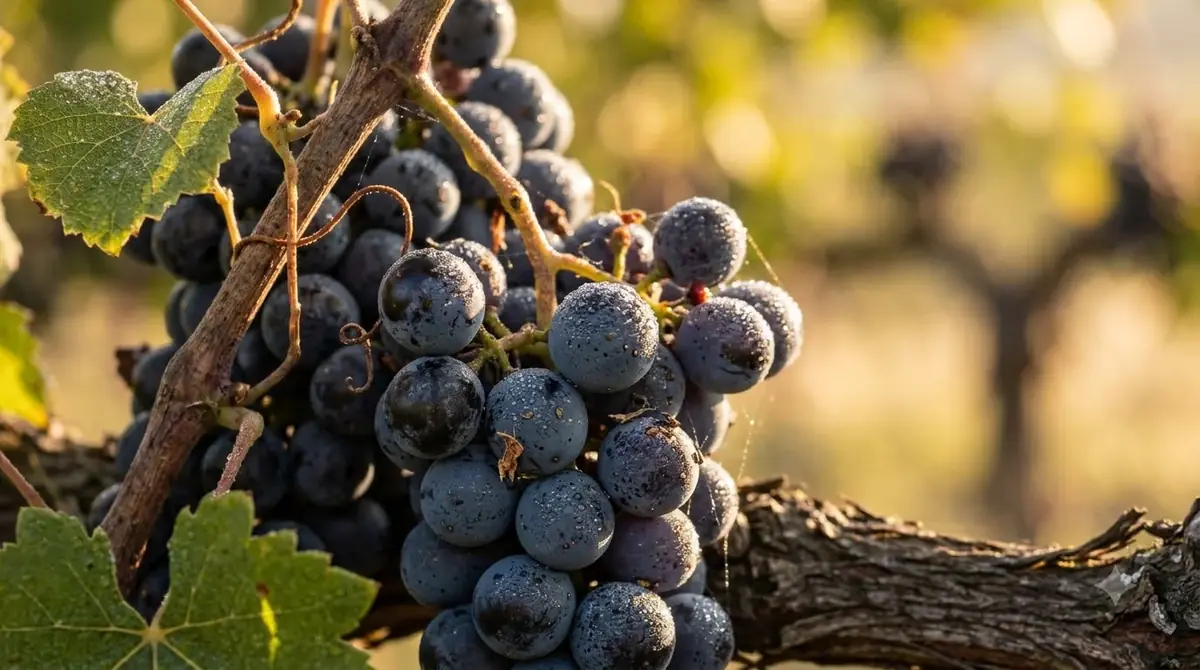
Most of the state’s vineyards and wineries sit in the southeastern half of Massachusetts, inside the Southeastern New England appellation. The area benefits from the moderating influence of the Atlantic, which keeps winters a little milder than in the state’s interior, although humidity brings its own challenges for disease control in the vineyard.
Martha’s Vineyard has its own appellation. The island’s climate is milder than the mainland’s, and published figures give the island a growing season of about 210 days, which is long enough for mid-ripening varieties. A third appellation, Nashoba Valley, covers a warmer inland area and is the newest of the three. Each one produces wines with a slightly different balance of acidity, sugar and fruit, so the place name on the label is worth reading.
Grape varieties and styles
Massachusetts winemakers grow a mix of Vitis vinifera and hybrid grapes. Among the vinifera varieties, Chardonnay, Riesling, Pinot Noir and Cabernet Franc are the most common. Riesling is grown in several parts of the state, and producers who favor it usually aim for the crisp acidity that keeps the wine lively. Pinot Noir is grown in smaller amounts and rewards careful vineyard work.
The hybrids are where Massachusetts wine often stands apart. Seyval Blanc and Vidal Blanc make crisp, fruit-driven whites, while Marechal Foch gives a deeply colored red with soft tannins. Many local producers blend hybrids with vinifera to balance flavor and structure, and some bottle single varieties for visitors who want to taste the grapes on their own.
| Grape | Type | Typical style in Massachusetts |
|---|---|---|
| Chardonnay | Vinifera white | Citrus and apple, sometimes lightly oaked |
| Riesling | Vinifera white | Crisp, floral, from dry to off-dry |
| Pinot Noir | Vinifera red | Light to medium, red fruit, bright acidity |
| Cabernet Franc | Vinifera red | Herbal, red fruit, medium body |
| Seyval Blanc | French hybrid white | Crisp, citrus, easy to drink |
| Vidal Blanc | French hybrid white | Fruity, bright, often off-dry |
| Marechal Foch | French hybrid red | Deep color, dark berries, soft tannins |
Tip: Hybrid wines are often labeled by the grape name, so a bottle of Vidal Blanc or Marechal Foch tells you what to expect. Check the back label for the vintage and whether the wine is dry or sweet.
How the climate shapes the wine
Massachusetts has a growing season that varies with location. Published ranges put the statewide season at roughly 145 to 210 days, and the longest seasons are on the coast and islands. Shorter seasons push growers toward early-ripening varieties and hybrids, while warmer microclimates allow later-ripening vinifera.
Humidity is the main challenge. Wet summers encourage mildew and rot, so many vineyards use careful canopy management, spray programs and well-drained sites. The result is that many Massachusetts wines are bright and fresh, with moderate alcohol, rather than the rich, ripe style found in warmer regions.
Where to find Massachusetts wine and what to expect
Most Massachusetts wineries offer tastings and tours, and the state’s rural roads make it easy to visit several in a day. Expect a relaxed atmosphere, with staff who can explain how the vineyard is managed and which varieties are grown on site. Many estates also sell their wines through local shops, so a bottle from a visit is easy to find later.
Because production is modest and distribution is limited, prices and availability vary widely. If you are buying for a special dinner, ask the shop whether the bottle is from a single appellation or a blend, and whether it is made from vinifera, hybrid grapes or both.
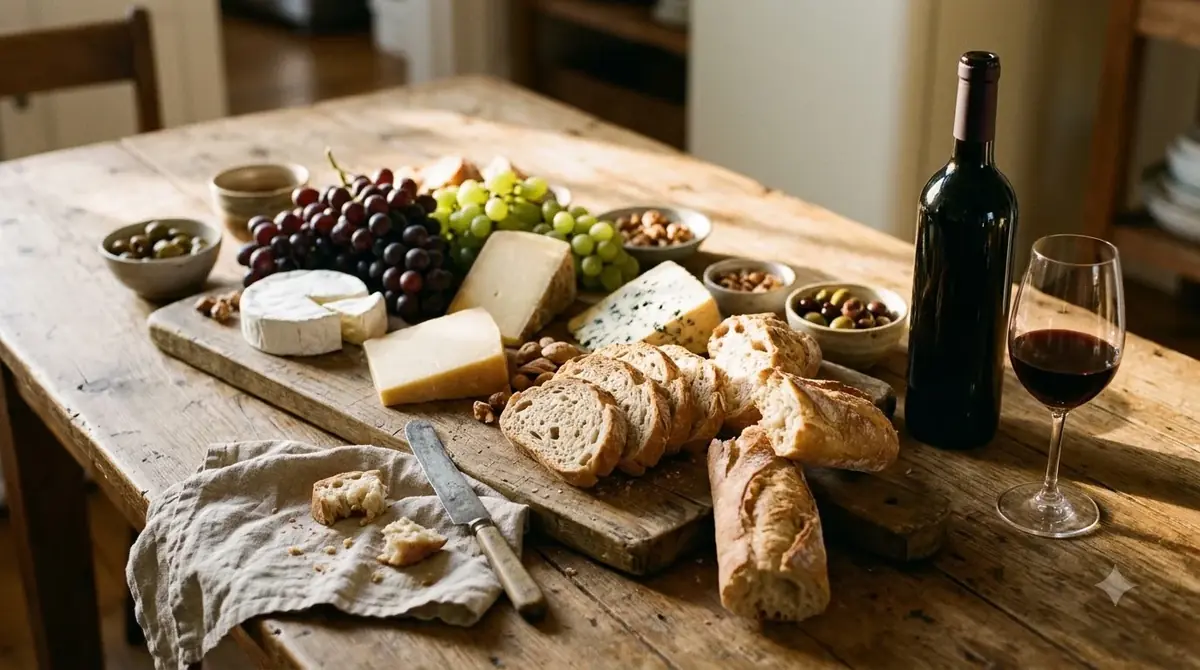
Tasting rooms are also a good place to ask about the vineyard itself. Many owners are glad to explain their soil, their site’s exposure to wind and sea air, and how they manage mildew. Those details often explain why two bottles from the same state can taste so different.
Shops that carry local wine tend to stock a few of the most popular labels in each category. Ask for a recommendation by style rather than by brand, such as a dry white for seafood or a light red for a warm evening, and you will usually leave with a bottle that fits the occasion.
How to serve and pair Massachusetts wine
Serve the whites well chilled, around 45 to 50 degrees Fahrenheit, so their acidity feels lively rather than sharp. Light reds such as Pinot Noir and hybrid reds can be served slightly cool, and most do not need decanting. Richer reds like Marechal Foch pair well with grilled meats and hearty stews.
Seafood is a natural match for New England whites. Chardonnay and Seyval Blanc work well with clams, lobster rolls and roast fish, while a Riesling from the coastal areas suits spicy Asian dishes and smoked salmon. For a simple dinner, a Cabernet Franc with roast chicken or mushroom pasta is a dependable choice.
Frequently Asked Questions
Does Massachusetts make good wine?
Yes, many producers make well-balanced wines, especially whites and fresh reds. Quality depends on the producer, vintage and site, so tasting a few bottles from different estates is the best way to judge.
What is the difference between hybrid and vinifera grapes?
Vinifera grapes are the traditional European wine grape. Hybrids are crosses bred for cold tolerance and disease resistance, and they often show brighter fruit and higher acidity in a cool climate.
Which Massachusetts region is best known?
The Southeastern New England appellation has the most vineyards and wineries. Martha’s Vineyard is the best-known island appellation, with a milder, more maritime climate.
Should Massachusetts wine be aged?
Most bottles are meant to be drunk within a few years of release. Some estates make reds or Riesling that can age longer, so check the producer’s notes for a recommended drinking window.
Massachusetts wine is worth exploring if you enjoy fresh, distinctive whites and reds with a sense of place. Start with a white and a hybrid red, then compare them with wines from other cool-climate areas. For a wider view of how regions differ, see the Wine Regions guide, or browse the anderson valley wine page to compare another cool-climate area. For the state’s history and appellation details, the Massachusetts wine article on Wikipedia gives a useful overview.
More in Wine Regions
 Willcox Wine Trail: Discover Arizona’s High-Elevation Wine CountryUpdated Nov 20, 2026
 Yakima Valley Wine Region: Find the Best Styles to TryUpdated Nov 20, 2026
 Vosne Romanee Wine Tasting: Identify Aromas and Choose Better PairingsUpdated Nov 20, 2026
 Yakima Valley Wine Festival: Find the Best Seasonal Wine EventsUpdated Nov 20, 2026
 Wales Vineyards: Discover Cool-Climate Wines and Where to VisitUpdated Nov 20, 2026
 Yountville Wine Festival: Discover Napa Wines and Local FoodUpdated Nov 20, 2026