

We may earn a commission when you buy through links on this page, at no extra cost to you. Learn more.
Loureiro wine is a dry, light-bodied white from northwest Iberia. The grape is one of the main varieties in Vinho Verde, the region of northern Portugal, and it is also grown in neighboring Galicia. The wine shows bright aromas of peach, lime, and white blossom, with high acidity and no tannin. Most bottles are meant to be served cold and drunk young, though some age well for a few years.
Loureiro is less known to American drinkers than sauvignon blanc or pinot grigio, but it is a good match for seafood and light dishes. This guide explains where the grape grows, what the wine tastes like, how to serve it, and which foods pair best with it.
Where loureiro grows
Loureiro is a white grape cultivated in the northwest of the Iberian Peninsula. The Wikipedia entry on the grape places it in Galicia in Spain and in Minho in Portugal. In Portugal it is especially associated with the Lima River sub-region of Vinho Verde, where it is one of the main varieties behind the region’s wines.
Vinho Verde is a large region with many grape varieties, and loureiro is among the most important ones. Its wines are often blended with other local white grapes, but a single-variety loureiro shows the grape’s citrus and blossom aromas more clearly. Look for the varietal name on the label if you want to taste the grape on its own.
Flavor and aroma profile
Wine Folly’s loureiro guide describes the wine as bright, with aromas of peach, ripe citrus, and white blossom. Its main flavors include grapefruit, lime, lime blossom, bay leaf, and a saline note. That combination makes the wine taste clean and sharp, with a finish that feels fresh rather than heavy.
The wine is dry, with a light body and no tannins. Acidity is high, which lifts the fruit and makes the wine feel crisp on the palate. Alcohol usually falls between about 10 and 11.5 percent by volume, so the wine is lighter than many whites from warmer regions.
| Feature | Loureiro wine |
|---|---|
| Sweetness | Dry |
| Body | Light |
| Tannin | None |
| Acidity | High |
| Alcohol | About 10 to 11.5 percent ABV |
| Main aromas | Peach, citrus, white blossom |
| Serving temperature | 38 to 45 degrees Fahrenheit (3 to 7 degrees Celsius) |
How to serve loureiro
Serve loureiro cold, at about 38 to 45 degrees Fahrenheit, or 3 to 7 degrees Celsius. Cold temperatures keep the acidity crisp and the aromas clean. A wine served too warm can taste flat and lose its citrus lift, so chill the bottle well before pouring.
Use a white wine glass, and do not decant the wine. Loureiro has no tannin to soften, and air exposure can dull the fresh aromas. Pour it straight from the fridge and drink it within a few days of opening for the best citrus character.
Some bottles can be cellared for three to five years, according to Wine Folly. Aging tends to mellow the acidity and add more texture, so a well-stored bottle can taste fuller than a young one. Most everyday loureiro is best enjoyed young.
Food pairings for loureiro
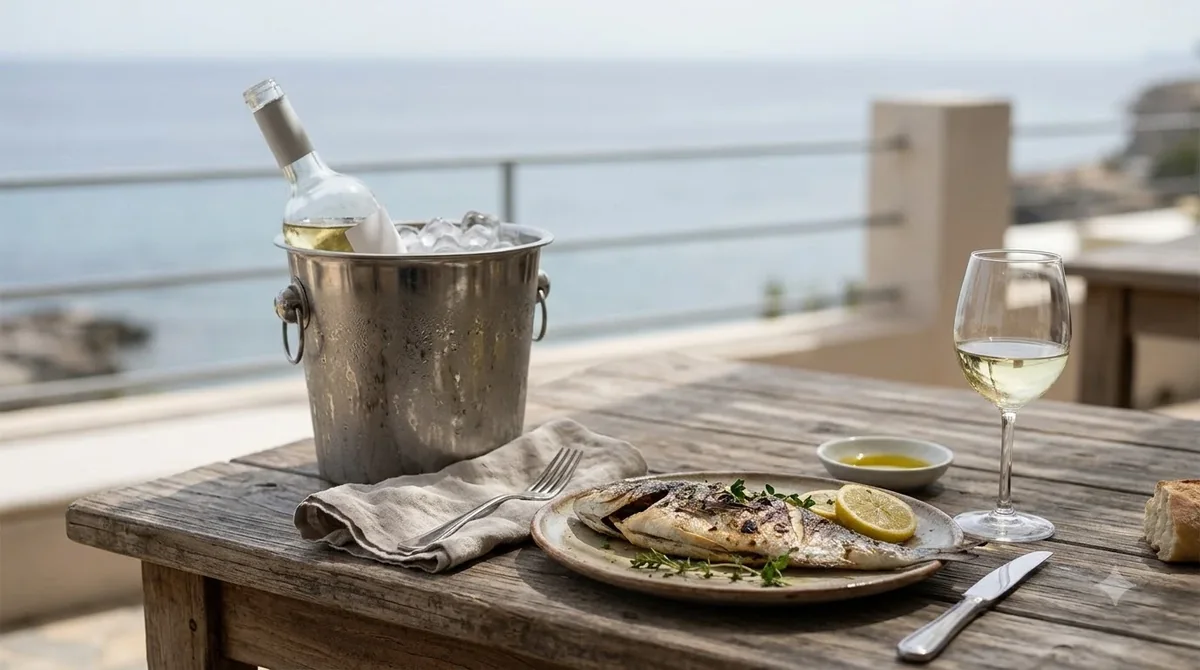
Loureiro suits seafood, shellfish, and light fish dishes. Its acidity cuts through oily fish and its saline note echoes the sea. Wine Folly suggests flavorful, textural dishes such as salt cod, fish soups, and other classic Portuguese fare.
It also works with salads, goat cheese, and dishes with lemon or herbs. Avoid heavy cream sauces or very rich red meats, since the wine’s light body can feel thin next to them. For a simple match, try a loureiro with grilled sardines, shrimp with garlic, or a fresh herb salad.
How loureiro compares with other whites
Loureiro is dry and crisp, which sets it apart from sweeter German whites such as auslese wine. Auslese is made from late-harvested grapes and carries real sugar, while loureiro finishes dry with a sharp, saline edge. If you like dry white wines with bright acidity, loureiro is a useful alternative to more familiar varieties.
Compared with sauvignon blanc, loureiro tends to show less green herbal character and more blossom and stone-fruit notes. Compared with pinot grigio, it often has a little more aromatic lift. The differences are gentle, so the best way to learn the style is to taste a few side by side.
Buying and storing loureiro
Look for a bottle that names loureiro on the label, or check the producer’s description if it is part of a blend. Vinho Verde bottles are generally made for early drinking, so a recent vintage is often the best choice. Keep the bottle cool and out of direct light until you are ready to serve it.
If you plan to cellar a bottle, store it on its side in a cool, steady place. Check the producer’s notes for aging guidance, since many everyday bottles are not designed for long storage. Once opened, reseal the bottle and refrigerate it, and finish it within a few days.
Growing notes: why the grape behaves the way it does
Loureiro buds early to medium and ripens in the medium-late range, according to the Wikipedia article. The vine has medium-strong vigor and does well in somewhat humid or medium-dry soils. It is sensitive to powdery mildew and very sensitive to botrytis, which means growers need careful vineyard management in damp seasons.
Those growing traits help explain the wine’s freshness. A grape that ripens without too much sugar builds the high acidity and light body that make loureiro refreshing, and it explains why the wine tastes lighter than a ripe white from a hot climate.
Common mistakes with loureiro
The most common mistake is serving loureiro too warm. A bottle left on the counter for an hour can lose its citrus lift and taste flat, which makes people think the wine is simple. Chilling it properly and pouring it into a white wine glass brings out the aromas and keeps the acidity clean.
Another mistake is treating loureiro like a rich oaked chardonnay. The wine is light and crisp, so it works best with lighter food. Pairing it with heavy cream sauces or a large steak can make it taste thin. Save it for seafood, salads, and dishes built on herbs and citrus.
Finally, do not hold the bottle for years by default. Many everyday loureiro wines are made to drink young, and the fresh fruit is part of their appeal. Check the producer’s note before you plan a long cellar stay.
Loureiro as a warm-weather white
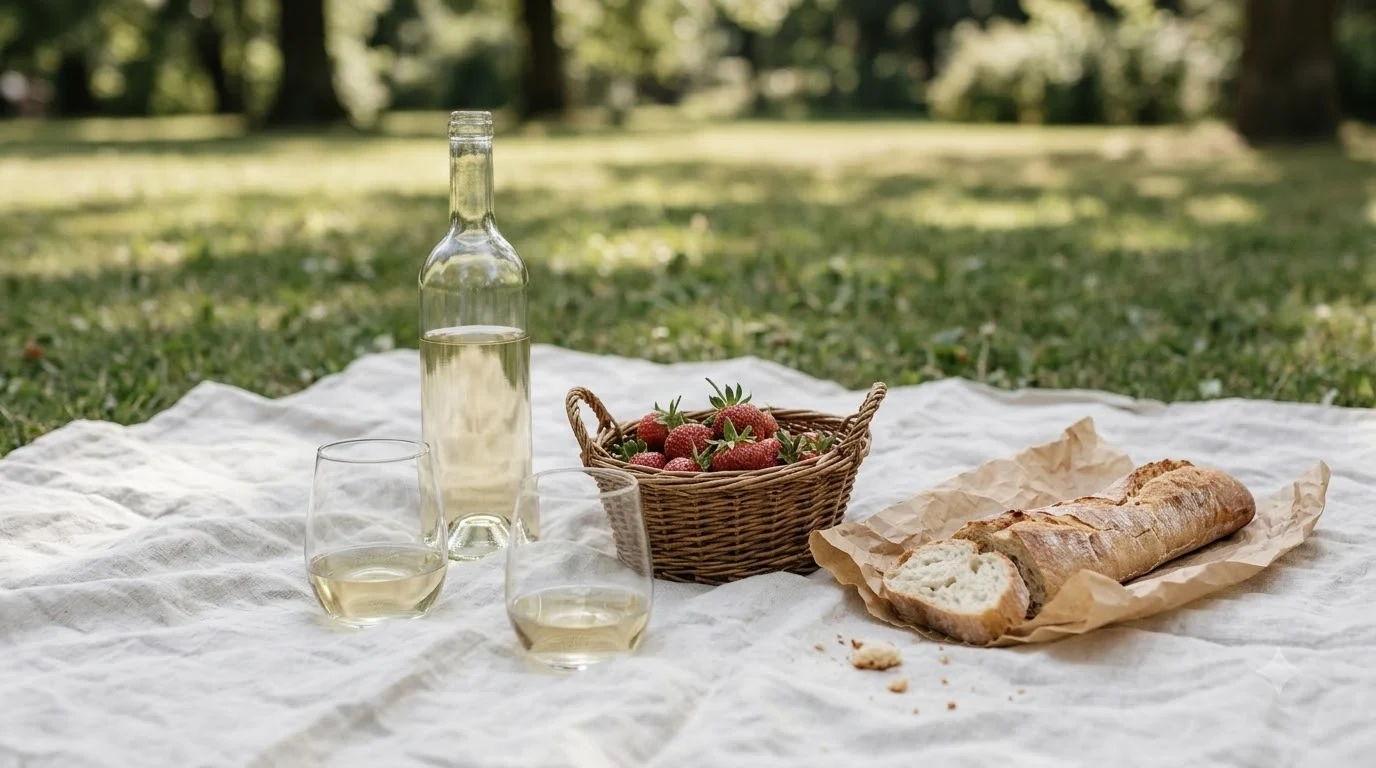
Because the wine is light and dry, it suits warm afternoons, outdoor meals, and casual gatherings. Its high acidity makes it refreshing without much alcohol, and the citrus and blossom aromas feel bright in the open air. A cold bottle of loureiro can be a good match for a shared plate of seafood or a simple salad.
It also works well as an aperitif. Serve it before a meal with olives, toasted bread, or a small plate of cured fish, and let the saline note set up the rest of the menu. The wine’s lightness means it rarely overwhelms the first course.
Frequently Asked Questions
Is loureiro wine sweet or dry?
Loureiro is a dry white wine. It has a light body, high acidity, and no tannin.
What does loureiro taste like?
Loureiro usually shows grapefruit, lime, peach, and white blossom, often with a saline or bay leaf note.
Should loureiro be decanted?
No. Loureiro has no tannin to soften, and air can dull its fresh aromas. Serve it cold from the fridge in a white wine glass.
What food goes well with loureiro?
Seafood, grilled fish, shellfish, and light salads work well. Classic Portuguese dishes such as salt cod are a natural match.
Loureiro is a bright, dry Iberian white built around citrus and blossom. For more on how different grapes taste, see Wine by Type.
More in Wine Types & Grapes
 Zinfandel Sugar Content: Dry Red vs. White Zinfandel GramsUpdated Nov 21, 2026
 Best Zinfandel Substitute Options for Sipping and CookingUpdated Nov 21, 2026
 Zweigelt Food Pairing: Best Dishes, Cheeses, and Serving TipsUpdated Nov 21, 2026
 Zinfandel Tannins Explained: How Structure Shapes Every BottleUpdated Nov 21, 2026
 Zinfandel Sweetness Level: Dry Red vs. Sweet White Zin ExplainedUpdated Nov 21, 2026
 Xinomavro Food Pairing: Best Dishes, Styles, and Serving TipsUpdated Nov 21, 2026