

We may earn a commission when you buy through links on this page, at no extra cost to you. Learn more.
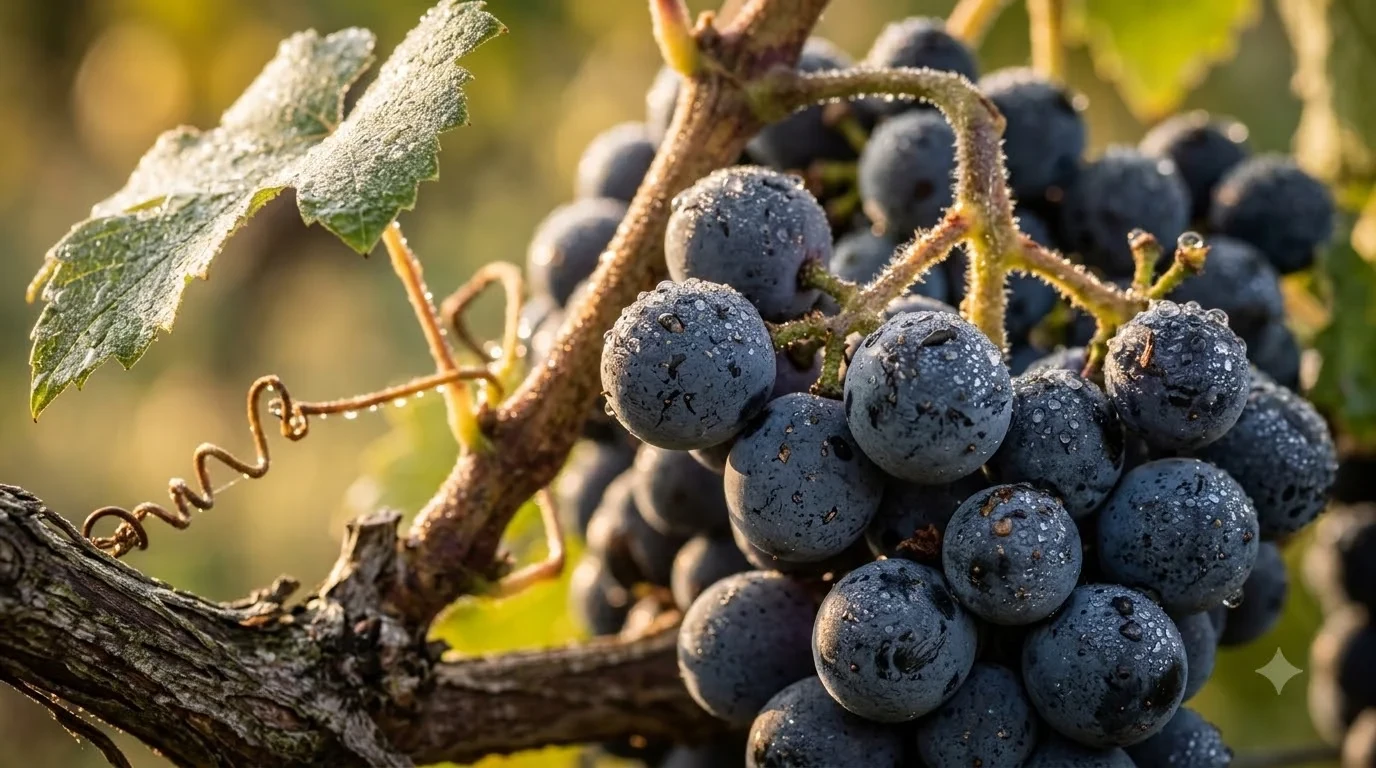
The rioja grape is mostly tempranillo, the Spanish variety that gives the region’s red wines their cherry, tobacco, and cedar character. Rioja is a wine region in northern Spain, and the name covers reds, rosés, whites, and sparkling wines. Wine Folly calls tempranillo Spain’s top red wine, made famous by Rioja, so most of what people mean by the rioja grape is tempranillo grown across the region’s vineyards.
This guide covers the main grape behind Rioja, the other varieties that appear in its blends, how the region is divided, and how the wines are aged and served.
Tempranillo at the heart of Rioja
Tempranillo is a red grape with a pronunciation close to “temp-rah-nee-oh.” It travels under several names across Iberia. In Portugal it is known as Tinta Roriz and Aragonéz, Ribera del Duero calls it Tinta del País, and Toro uses Tinta de Toro. Wherever it is grown, it is the variety most closely tied to Rioja’s identity.
Rioja reds are often blends, and they can include other traditional varieties such as Garnacha, Graciano, and Mazuelo alongside tempranillo. The blend helps shape the final taste, so a bottle labeled Rioja does not always tell you the exact grape mix. Check the producer’s description or back label when the blend matters to you.
Rioja’s three sub-zones
The region is divided into sub-zones that feed into the style of the wine. The official Rioja wine site names three areas: Rioja Alta, Rioja Alavesa, and Rioja Oriental. It describes them as “three areas, 100 kilometers of diversity and a thousand wines,” and says the region has more than 66,000 hectares of vineyard. Each sub-zone has its own soils, altitude, and climate, which is why two Riojas from different areas can taste quite different even when they use the same grape.
Rioja Alta and Rioja Alavesa are often associated with cooler conditions and fresher acidity, while Rioja Oriental sits further east and tends to produce riper, fuller wines. These are general patterns rather than rules, so read the producer’s notes for the sub-zone on any bottle you are considering.
The official site also names example places within the sub-zones. For Rioja Alta it lists Sajazarra, Cellorigo, and the Ermita Santa Maria de Las Cillas area, and for Rioja Oriental it names Alfaro, Yerga, La Montesa, and Moncayo. Those names are useful when a producer mentions a village on the label, because the village often points back to the sub-zone and its typical style.
Flavor and style of the rioja grape
Tempranillo wines are dry with medium-full body, medium-high tannins, and medium-high acidity. Wine Folly lists the main flavors as cherry, dried fig, cedar, tobacco, and dill. Rioja examples add notes of cherry, dill, cigar box, sun-dried tomato, and vanilla, which often come from the oak used in aging.
Younger Rioja shows brighter red fruit and a fresh edge, while older bottles soften and move toward dried fruit, nuts, and spice. The range of styles is wide, so the same grape can taste fresh and youthful in one bottle and mellow and savory in another.
When you want to compare Rioja with other reds, it helps to look at a few contrasting varieties. The chambourcin grape page covers a red with a very different profile, and the cortese grape guide shows how a light Italian white differs in body and acidity from a full Spanish red. Those side-by-side reads make the Rioja profile easier to place.
Buying Rioja with confidence
A label that says Rioja tells you the region, but the producer and the vintage tell you more about the bottle. Look for the producer’s own tasting notes, the vintage year, and the aging term. Those three details usually predict the style better than the color or the price band, and they help you match the bottle to the meal you have planned.
Young Rioja is a good everyday choice when you want fresh fruit and easy drinking. Oak-aged bottles suit a slower dinner or a plate of roast meat, where the extra structure and spice have room to show. Neither style is better overall; they simply suit different moments.
| Element | What to expect in Rioja |
|---|---|
| Main grape | Tempranillo, often blended with Garnacha, Graciano, or Mazuelo |
| Typical flavors | Cherry, dried fig, cedar, tobacco, dill, vanilla |
| Body and tannins | Medium-full body with medium-high tannins |
| Alcohol range | 13.5 to 15 percent ABV for tempranillo, according to Wine Folly |
| Serving range | 15 to 20°C (60 to 68°F) |
Oak aging and what the labels mean
Rioja wines are classified in part by how long they spend in oak and in the bottle. Wine Folly notes that top-level tempranillo often ages in American or European oak for at least 12 months, and it says Rioja examples can become polished with rich red fruit at about 10 years and develop softer tannins and dried notes at about 20 years. The official region site lists wine types as red, rosé, white, and sparkling rather than spelling out the aging terms, so the producer’s label is the best source for the exact aging.
Bottles that carry less wood can taste brighter and more direct, which many drinkers prefer for weeknight meals. The difference is easy to notice when you taste two Riojas side by side, so a tasting pair is a practical way to learn your own preference.
Oak is one of the strongest influences on the taste. It adds vanilla, spice, and a smoother texture, which is why the aging term on the label often predicts how the wine will feel on the palate.
How to serve Rioja reds
Wine Folly gives a serving range of 15 to 20°C (60 to 68°F) for tempranillo, which is a little cooler than many people expect for red wine. Serving within that range keeps the fruit lively and stops the alcohol from feeling hot. A bottle that has been sitting in a warm room can be cooled briefly before pouring.
Decanting is optional for most bottles. A younger Rioja usually shows its fruit without help, while an older oak-aged bottle may benefit from a short wait after opening so the aromas can open up. Pour a small amount first and taste it before you decide how much air the wine needs.
Rioja pairs well with grilled and roasted meats, tomato-based dishes, and aged cheeses. The acidity and tannin make it a useful partner for rich food, while the oak notes match smoky flavors from the grill.
Frequently Asked Questions
Is the rioja grape the same as tempranillo?
Tempranillo is the main grape behind most Rioja red wines, so the two are closely linked. Rioja can include other varieties in its blends, which is why the label and producer notes matter when you want the exact grape mix.
What are the three sub-zones of Rioja?
The official Rioja site names Rioja Alta, Rioja Alavesa, and Rioja Oriental. Each area has its own climate and soils, so wines from different sub-zones can taste quite different.
How strong is a typical Rioja red?
Wine Folly lists tempranillo at 13.5 to 15 percent ABV. The figure on your bottle is the one to use, because blends and producers can differ.
Does Rioja need to be aged before drinking?
Not every Rioja needs long aging. Many younger wines are fresh and fruity, while oak-aged bottles often benefit from time. Read the aging term on the label and pick the style you enjoy.
For more on how varieties compare, browse Wine by Type. The grape, the sub-zone, and the aging term together explain most of what you taste in a glass of Rioja.
More in Wine Types & Grapes
 Zinfandel Sugar Content: Dry Red vs. White Zinfandel GramsUpdated Nov 21, 2026
 Best Zinfandel Substitute Options for Sipping and CookingUpdated Nov 21, 2026
 Zweigelt Food Pairing: Best Dishes, Cheeses, and Serving TipsUpdated Nov 21, 2026
 Zinfandel Tannins Explained: How Structure Shapes Every BottleUpdated Nov 21, 2026
 Zinfandel Sweetness Level: Dry Red vs. Sweet White Zin ExplainedUpdated Nov 21, 2026
 Xinomavro Food Pairing: Best Dishes, Styles, and Serving TipsUpdated Nov 21, 2026