

We may earn a commission when you buy through links on this page, at no extra cost to you. Learn more.
Fino sherry wine is a pale, bone-dry style of sherry from Jerez in southern Spain, made from Palomino grapes and aged under a layer of yeast called flor. It is fortified to about 15 percent alcohol, which keeps the flor alive and gives the wine its fresh, nutty, saline character. Fino is meant to be served chilled and enjoyed young, usually with tapas, olives, and seafood.
Fino is often the first sherry people try, and it can surprise drinkers who expect sherry to be sweet or heavy. The wine is light in color, sharp in flavor, and quite different from the darker, richer styles on the same shelf. This guide explains how fino is made, how it tastes, how to serve it, and what to eat with it.
How Fino Sherry Is Made
Fino starts with Palomino grapes grown in the Jerez region, where the chalky albariza soils help the vines. The base wine is fermented dry and then fortified with grape spirit. For fino, fortification continues until the wine reaches about 15 percent alcohol by volume, which is high enough to let a special yeast film develop on the surface.
That yeast film is called flor, and it forms a white layer on top of the wine in the barrel. Flor protects the wine from oxidation, so fino stays pale and fresh rather than turning brown like an oloroso. The wine ages biologically under this yeast layer, which is what gives fino its distinctive aroma. The Cellartours guide to sherry describes flor as a yeast that forms a white film on the surface and shields the wine from air.
Fino is aged using the solera system, in which younger and older wines are blended across a series of barrel rows. The Cellartours guide says a fino spends about five years in the solera. Because the process blends many vintages together, the style stays consistent from year to year, which is part of its appeal.
How Fino Tastes
Fino is dry, pale, and lively. Its aroma often includes notes of almond, green apple, and a faint saltiness, and the palate is crisp and clean. The flor layer gives it a savory edge that makes it feel lighter than its alcohol content suggests, which is why it works well with food.
The style can vary by producer and by bottle, so tasting notes are a useful guide rather than a rule. Some fino bottlings are unfiltered and unfined, and producers describe them as taken straight from the cask, which gives a more intense character. Others are more polished and smooth. Look for words like “dry” and “biological ageing” on the label to understand the style you are buying.
Fino is not the same as Manzanilla, which is made in the seaside town of Sanlúcar de Barrameda. Manzanilla is a related style with its own character, and the Atlantic climate there is often said to encourage a thicker flor. If you enjoy fino, Manzanilla is worth trying next.
| Feature | Fino | Typical comparison |
|---|---|---|
| Grape | Palomino | Palomino is the main grape for dry sherry |
| Alcohol | About 15 percent by volume | Fortified to keep flor alive |
| Ageing | Biological, under flor yeast | Oloroso ages oxidatively without flor |
| Time in solera | About five years | Blended across a solera system |
| Serving temperature | About 5 to 9°C (40 to 50°F) | Served chilled, like a white wine |
How to Serve Fino Sherry
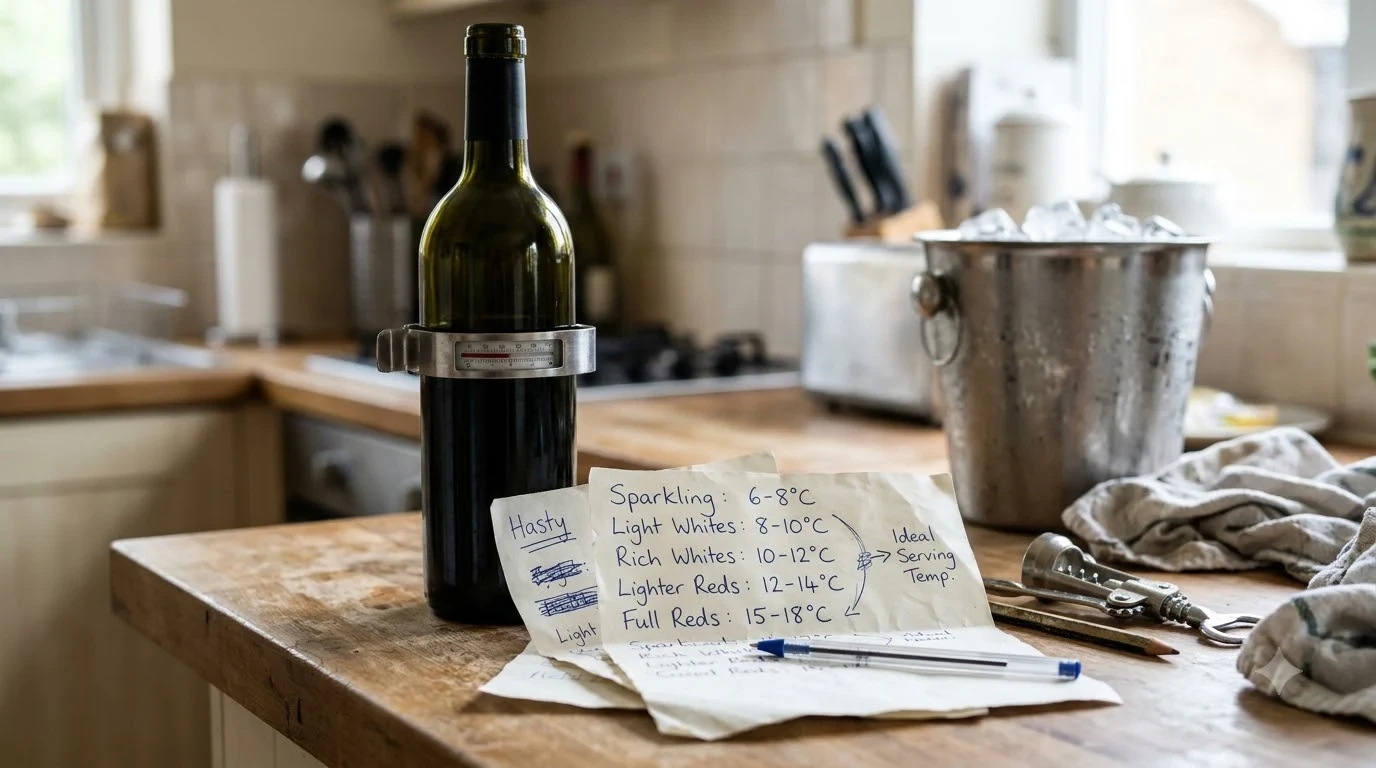
Fino is best served chilled, and that is the most important serving rule. The Cellartours guide recommends a temperature around 5 to 9°C (40 to 50°F), which is cooler than most red wines and close to a crisp white. Keep the bottle in the refrigerator before serving, and pour it into a small, slightly tulip-shaped glass that concentrates the aroma.
After opening, fino does not keep long. The same guide says an opened bottle lasts one to two weeks in the refrigerator. Once it sits at room temperature, the flavors fade quickly, so buy smaller bottles if you do not plan to finish one soon. Recork the bottle tightly and keep it cold between pours.
Serve fino in small pours. Its dryness and lightness make it easy to drink, but a full glass of any fortified wine can be more than you want with a meal. Pairing it with food also slows the pace and keeps the glass interesting.
Food Pairings for Fino
Fino is one of the most food-friendly wines in Spain. Its saline, dry character works with salty and savory foods, and its acidity cuts through oil and fried dishes. Serve it with tapas and small plates for the best result.
The Cellartours guide suggests pairing fino with jamón ibérico, olives, salty mojama, and tortilla. It also works with seafood such as prawns and octopus, and with sushi. These pairings share a salty, savory quality that matches the wine’s own character, so the glass and the plate complement each other.
For a simple home spread, combine marcona almonds, green olives, a plate of cured ham or cheese, and a dish of grilled shrimp. Fino pairs well with each of these, and the pairings are easy to put together without much cooking.
How to Choose a Good Bottle of Fino
Look for a fino from a producer that clearly states its style and age. Many fino bottles are sold young and are best drunk within a few months, so a recent bottling tends to taste fresher. Check the label for “fino” or “dry,” and avoid bottles that are labeled only as “sherry” without a style, since that can cover a much wider range.
Consider the bottle size as well. A half bottle or small format is useful if you drink fino rarely, because the wine loses its freshness after opening. If you enjoy the style, a full bottle makes sense for a dinner party or a tapas evening.
Finally, taste fino in several forms if you can. An unfiltered fino from the cask and a more refined fino from a larger producer show how much the style can vary. Comparing them side by side is the fastest way to learn what you prefer.
For more on the wider sherry family, our sherry wine guide explains the major styles, and what is sherry covers the basics. If you like cooking with fortified wine, cooking with sherry shows how these styles work in the kitchen. For a general overview of styles, see our Wine by Type hub.
Frequently Asked Questions
Is fino sherry sweet?
No, fino is dry. It has a crisp, saline, nutty character rather than the sweetness some people expect from sherry. Sweet sherries are made in a different way and taste very different from fino.
How should I serve fino sherry?
Serve it well chilled, around 5 to 9°C (40 to 50°F), in a small glass. An opened bottle keeps for about one to two weeks in the refrigerator, so smaller bottles suit occasional drinkers.
What is the difference between fino and Manzanilla?
Both are dry, pale sherry styles made from Palomino grapes and aged under flor. Manzanilla comes from Sanlúcar de Barrameda, near the Atlantic coast, and is often described as having a slightly different, saltier character.
What food goes best with fino?
Fino pairs well with jamón ibérico, olives, tortilla, seafood such as prawns and octopus, and sushi. Its dry, saline character suits salty and savory foods.
Fino is a good sherry to start with because it is dry, fresh, and easy to pair. Serve it cold with tapas, and you will see why it is one of Spain’s most loved wines.
More in Wine Types & Grapes
 Zinfandel Sugar Content: Dry Red vs. White Zinfandel GramsUpdated Nov 21, 2026
 Best Zinfandel Substitute Options for Sipping and CookingUpdated Nov 21, 2026
 Zweigelt Food Pairing: Best Dishes, Cheeses, and Serving TipsUpdated Nov 21, 2026
 Zinfandel Tannins Explained: How Structure Shapes Every BottleUpdated Nov 21, 2026
 Zinfandel Sweetness Level: Dry Red vs. Sweet White Zin ExplainedUpdated Nov 21, 2026
 Xinomavro Food Pairing: Best Dishes, Styles, and Serving TipsUpdated Nov 21, 2026