

We may earn a commission when you buy through links on this page, at no extra cost to you. Learn more.
What does Malbec taste like? It tastes of dark fruit, such as red plum and blackberry, with sweet tobacco and cocoa notes and a full, plush body. Wine Folly describes it as medium in tannin and medium-low in acidity, so it feels rounder and softer than many red wines. Oak adds vanilla and, in longer-aged bottles, richer chocolate flavors. The exact taste depends on whether the wine comes from Argentina, Cahors in France, or a cooler site.
Malbec has become one of the most recognized red wines in American shops, mostly because of the bold bottles that come out of Mendoza in Argentina. Many people who enjoy it are not sure why it tastes so smooth or what to expect from the first sip. This guide explains the flavor, the body, how oak changes it, and how to serve and pair it.
The core flavor of Malbec
The base flavor of Malbec is fruit. Wine Folly’s malbec grape profile lists red plum and blackberry as the primary fruit notes, with sweet tobacco and cocoa in the background. Those dark fruit flavors are what most drinkers notice first, and they are why Malbec often gets described as juicy rather than sharp.
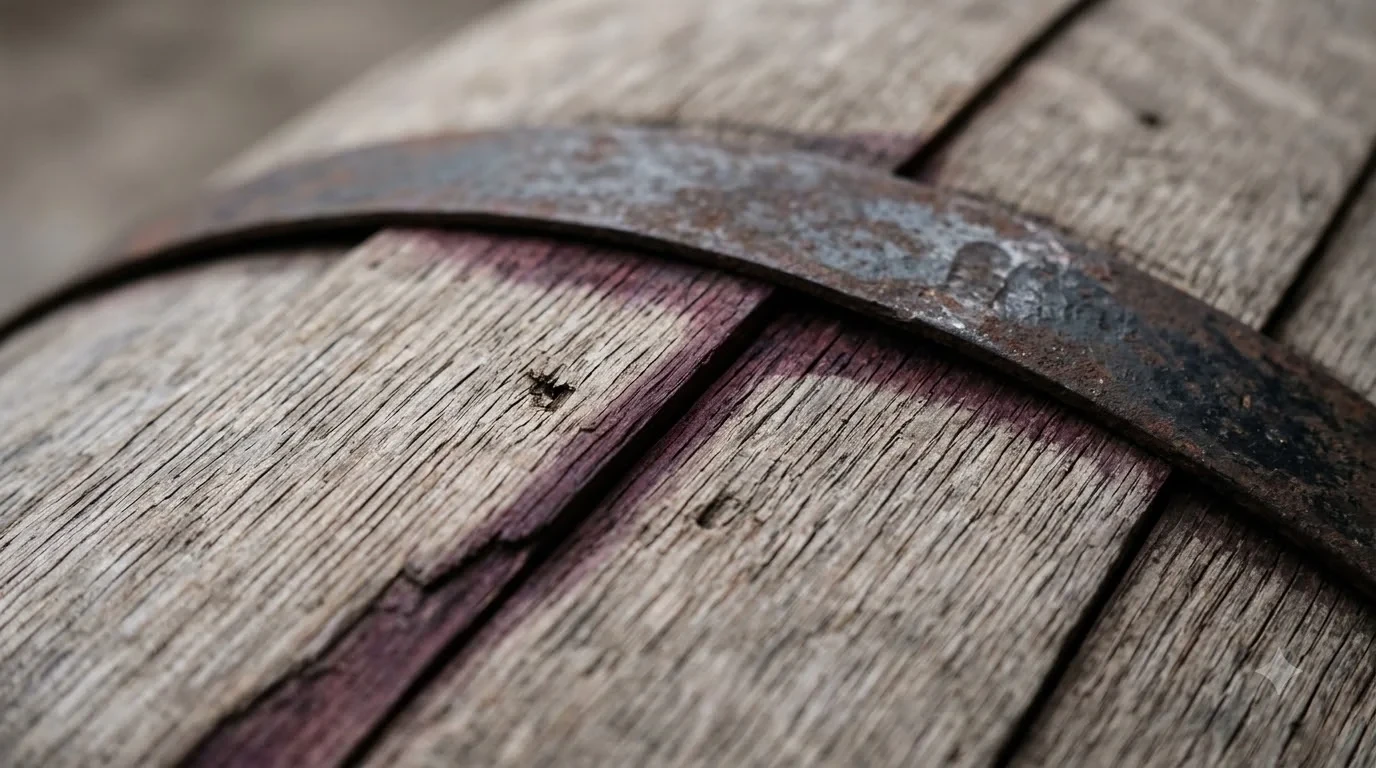
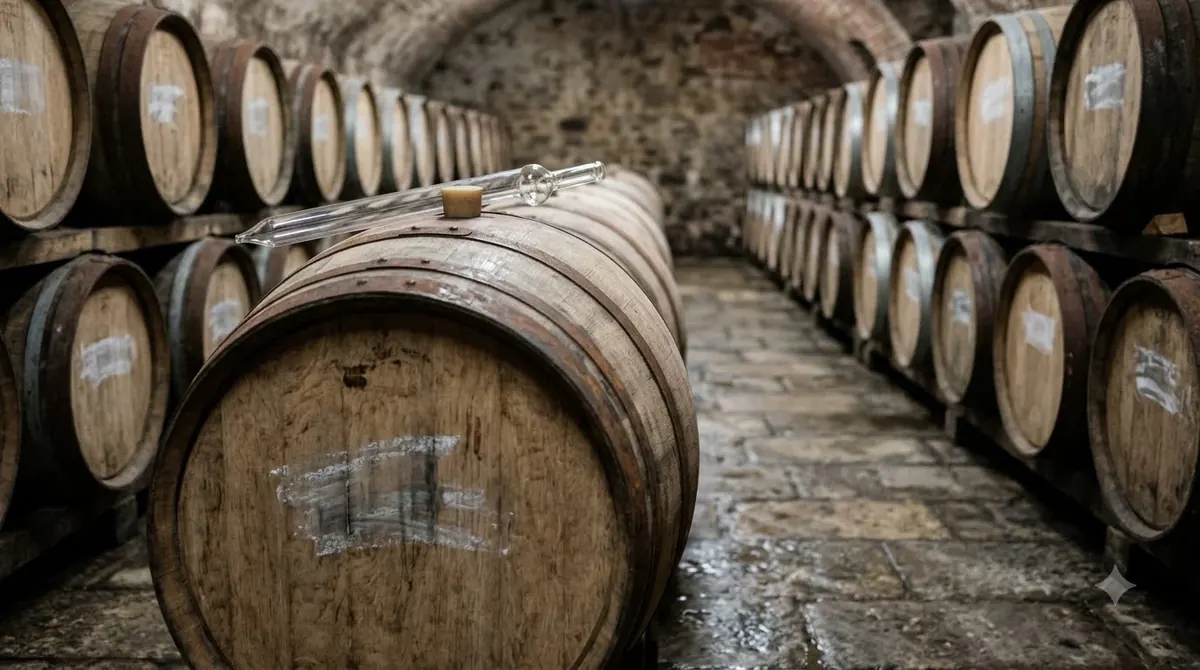
Oak is the second layer. Vanilla is one of the primary flavors listed for the grape, and extended oak aging brings out richer chocolatey notes. A wine that spends only a few months in barrel will taste fresher and more fruit-led, while a top bottle that spends many months in oak will show more spice and depth.
Body, tannin and acidity
Malbec is a full-bodied red, and that is the feature that separates it from lighter styles such as Pinot Noir. The wine feels heavier in the mouth, with a soft, rounded texture. Tannin sits in the medium range, enough to give a little grip without the drying effect of some Cabernet Sauvignon.
Acidity is medium-low. This is why Malbec tends to taste smooth and generous rather than tart. The trade-off is that the wine can taste a little flat when it is served too warm or paired with very acidic food. Alcohol is typically high for a red, at 13.5 to 15 percent ABV, which adds to the sense of weight.
Where Malbec comes from
Malbec began in southwest France, where it is known as Côt. Cahors is the historic home of the grape in France, and the wines there tend to be firmer and more structured. The grape’s reputation changed when French botanist Michel Pouget planted it in Mendoza, Argentina, in 1868. Today it is Argentina’s most important grape.
In Argentina, the Uco Valley and Luján de Cuyo are the areas Wine Folly points to for consistently top-rated Malbec. The high-altitude vineyards of Mendoza are known for bright fruit and firm structure, while Walla Walla in Washington state is the main non-European example the same source names.
Malbec flavor by style
Not every Malbec tastes the same. A young, unoaked bottle is usually bright and fruit-driven, with plum and berry at the front. A bottle aged in oak for a longer period adds vanilla, toast and cocoa, and it tends to feel deeper and more layered. Cahors bottles from France often feel more savory and earthy than their Argentine counterparts.
| Style | What you taste | Typical feel |
|---|---|---|
| Young, lightly oaked Argentina | Red plum, blackberry, juicy fruit | Soft, approachable |
| Long-aged, oaked Mendoza | Dark fruit, vanilla, cocoa, spice | Full, rich, layered |
| Cahors, France | Earthy, structured, dark berry | Firmer, more savory |
| Walla Walla, Washington | Ripe fruit with oak spice | Full, generous |
How to serve Malbec
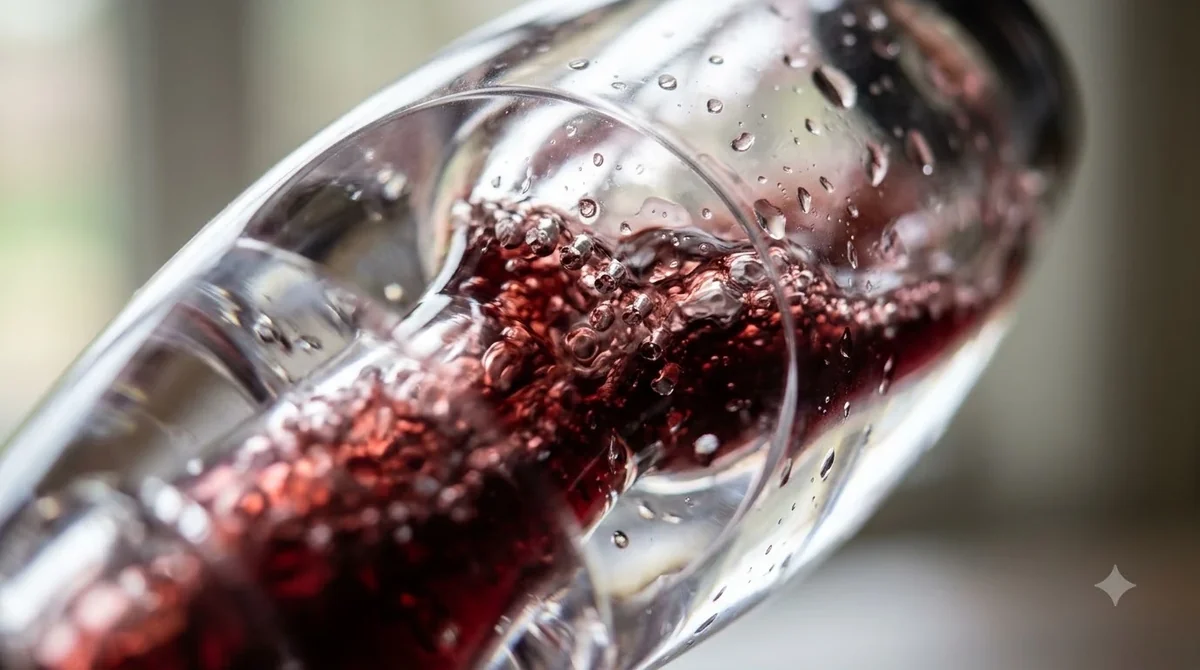
Wine Folly recommends serving Malbec at 60 to 68°F (15 to 20°C), which is a little cooler than room temperature in many homes. Serving it too warm makes the alcohol stand out and blurs the fruit. A cool room or ten minutes in the refrigerator before pouring usually brings it into the right range. Once poured, let the glass sit for a few minutes, since the aromas open as the wine warms slightly toward the middle of the range.
Decanting for about 30 minutes softens the tannins and opens the aromas, especially with younger bottles. Malbec also keeps well when it is aged for five to ten years, according to the same source, so a bottle from a good vintage can improve if you have the patience to store it.
Tip: If a Malbec tastes harsh, try decanting it for 30 minutes before pouring. The fruit usually becomes more open and the tannin feels softer.
Food pairing with Malbec
Malbec loves rich food. Wine Folly pairs it with blue cheese, including melted blue cheese, and with burgers. Its fruit and tannin hold up against fatty meat, and the wine’s soft finish balances the saltiness of cheese. Leaner red meats such as ostrich are another good match.
For a simpler meal, try roast chicken with herbs or a grilled steak with dark pepper. Mushroom dishes and roasted vegetables with a little smoke also bring out the wine’s cocoa and tobacco notes, while a wedge of aged cheddar makes a more relaxed snack than blue cheese. Avoid very spicy dishes, since the alcohol and plush fruit can make chili heat feel stronger. If you want to compare it with a lighter red, what does Bordeaux taste like is a useful next read.
How Malbec compares with other reds
Malbec sits in a middle position among full red wines. It is fuller than Pinot Noir and softer than most Cabernet Sauvignon, and its fruit tends to be darker than the cherry notes of a Grenache. Many shoppers who like a rich red but find Cabernet too tannic turn to Malbec for that reason.
Compared with Merlot, Malbec usually shows more color, a deeper fruit profile and a little more grip. Merlot tends to be softer and plummier, while Malbec adds tobacco and cocoa notes from the oak and the grape itself. Neither is better; the choice comes down to whether you want a smoother red or a bolder one with more structure.
Malbec also differs from Zinfandel, which is often jammier and higher in alcohol. A good Malbec should still feel balanced, with the fruit supported by the wine’s texture rather than sweetness. That balance is one reason the grape works well with a wide range of grilled and roasted foods.
Frequently Asked Questions
Is Malbec a sweet wine?
No. Malbec is a dry red. It tastes fruity and smooth, which can feel slightly sweet to someone used to tart wines, but the wine itself is not sweet.
Is Malbec similar to Cabernet Sauvignon?
They share a full body and dark fruit, but Malbec usually has softer tannin and lower acidity. Cabernet tends to feel more structured and drying, while Malbec feels plush and easy to drink young.
What is the best way to taste Malbec for the first time?
Start with a young Argentine bottle served slightly cool. Notice the plum and blackberry first, then the vanilla and cocoa as it warms in the glass. Compare it with an older or oak-aged bottle to see how the flavor changes.
How long can you keep Malbec?
Wine Folly suggests cellaring Malbec for five to ten years. Most bottles are meant to be opened within a few years of release, but better examples from good vintages can develop more depth with time.
Malbec is a good starting point if you want a full red with plenty of fruit and soft tannin. Start with a young Argentine bottle, serve it slightly cool, and pair it with a juicy burger or a plate of cheese. For more guides on grape styles, visit Wine by Type.
More in Wine Types & Grapes
 Zinfandel Sugar Content: Dry Red vs. White Zinfandel GramsUpdated Nov 21, 2026
 Best Zinfandel Substitute Options for Sipping and CookingUpdated Nov 21, 2026
 Zweigelt Food Pairing: Best Dishes, Cheeses, and Serving TipsUpdated Nov 21, 2026
 Zinfandel Tannins Explained: How Structure Shapes Every BottleUpdated Nov 21, 2026
 Zinfandel Sweetness Level: Dry Red vs. Sweet White Zin ExplainedUpdated Nov 21, 2026
 Xinomavro Food Pairing: Best Dishes, Styles, and Serving TipsUpdated Nov 21, 2026