

We may earn a commission when you buy through links on this page, at no extra cost to you. Learn more.
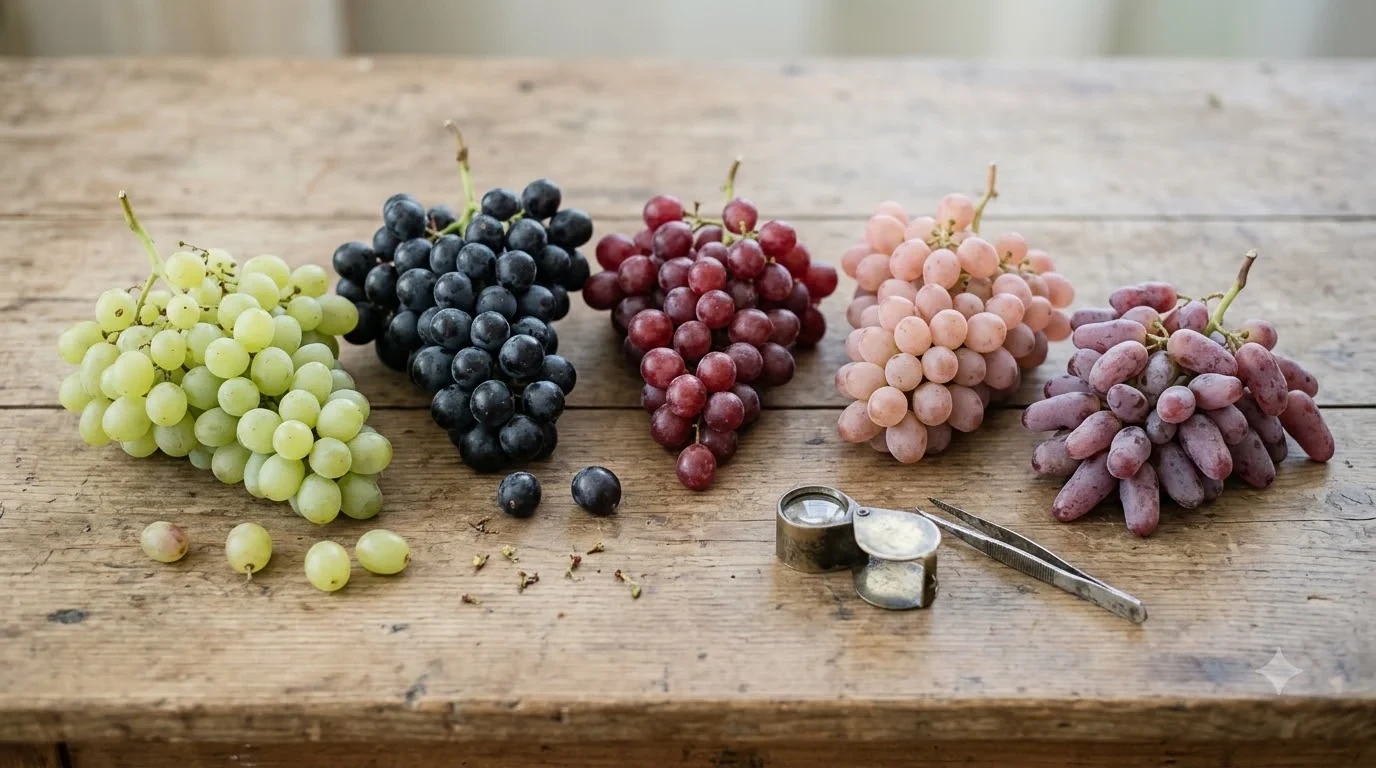
If you are wondering what is lagrein, it is a dark-skinned red wine grape native to the alpine Alto Adige (Südtirol) region of northern Italy, prized for producing deeply colored, structured red wines and crisp rosés. Genetically related to Syrah and Teroldego, Lagrein pours nearly opaque purple-black in the glass and balances ripe blackberry and black cherry fruit with firm tannins, lively acidity, and a signature dark-chocolate finish. Winemakers craft it into two distinct styles: a plush, full-bodied red traditionally called Lagrein Dunkel and a vibrant, salmon-pink rosé known locally as Lagrein Kretzer.
For decades, this mountain grape remained a closely guarded secret among northern Italian locals, overshadowed on export lists by lighter regional reds and crisp alpine whites. Today, renewed vineyard focus around the city of Bolzano has brought Lagrein back to international wine lists, offering fans of Wine by Type a compelling alternative to Cabernet Sauvignon and Syrah.
What It Is and Where Lagrein Comes From
Lagrein is an indigenous red grape variety belonging to the wider Pinot family tree, sitting as a direct offspring of neighboring Trentino’s Teroldego grape and a half-sibling to Syrah. Its thick, heavily pigmented skins give the resulting red wines an inky, dark garnet hue alongside substantial natural tannin and bright alpine acidity.
Historical records place Lagrein in northern Italy as early as the beginning of the thirteenth century, and by 1370, Holy Roman Emperor Charles IV was reportedly singing its praises. Despite that royal endorsement, total plantings shrank dramatically over the twentieth century, pushing the variety to the brink of extinction by the 1970s as growers favored higher-yielding or more commercially familiar varieties. Dedicated local producers and cooperatives reversed that decline by replanting Lagrein in its warmest historical sites and lowering yields to concentrate flavor.
Because Lagrein ripens late in the season, it requires steady daytime warmth paired with cool mountain nights to develop ripe tannins without losing its natural freshness. Unlike Alto Adige’s aromatic white grapes that climb high up steep mountain slopes, Lagrein stays on the warm valley floors, rarely planted higher than 1,000 feet (300 meters) above sea level. The most prized vineyards cluster around the basin of Bolzano—particularly in the Gries district—where gravel, alluvial sand, and volcanic porphyry soils absorb daytime heat and radiate it back to the vines after sunset.
Flavor Profile and Wine Styles
In the glass, Lagrein presents a striking contrast between visual weight and palate agility, combining intense dark fruit with savory, earthy undertones and a clean, mouthwatering finish. While the red wine commands the most attention, winemakers actually vinify the grape in three distinct expressions depending on skin contact and oak aging.
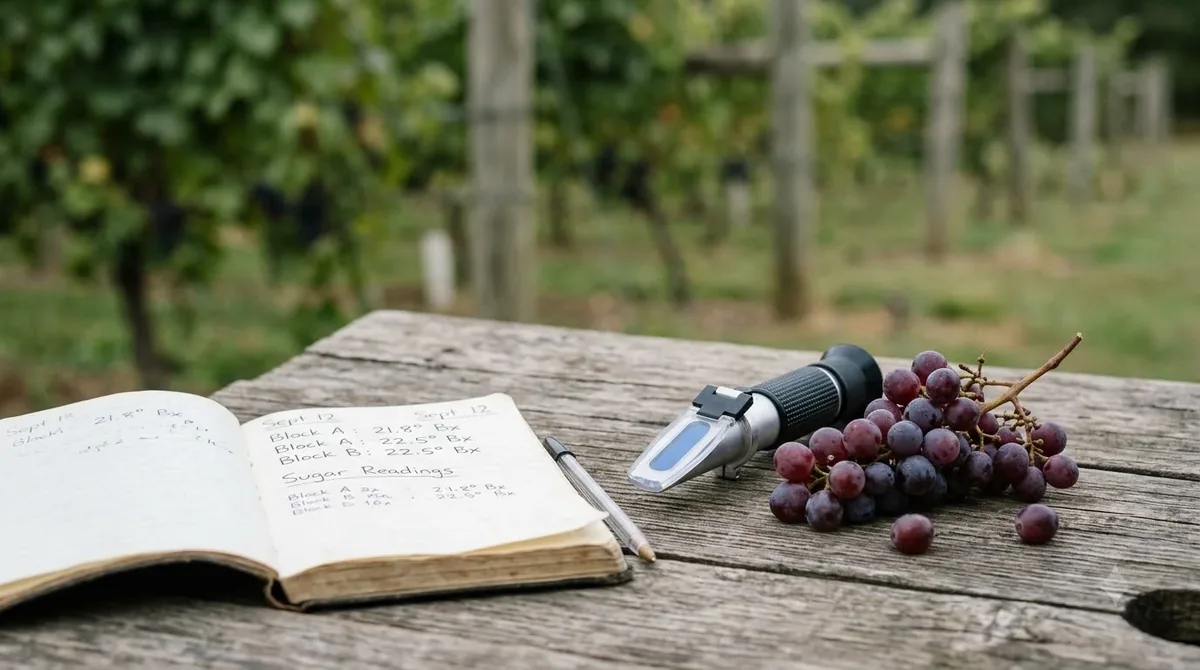
Standard red bottlings—historically labeled Lagrein Dunkel (“dark”)—form the backbone of production. When fermented and aged primarily in stainless steel or large neutral casks, classic Lagrein showcases crushed blackberry, black cherry, red plum, and a distinct floral lift of violet or lilac. Underneath the fruit lies a savory thread of dried mountain herbs, subtle smoke, and a gentle, lingering bitterness reminiscent of unsweetened cocoa or espresso that keeps the palate from feeling heavy. If you want a deeper breakdown of how these aromas evolve in the glass, check out our guide to lagrein tasting notes.
When producers select their oldest vines or single-vineyard parcels and age the wine in small French oak barriques, the result is Lagrein Riserva. Oak aging softens the grape’s naturally assertive tannins into a velvety texture while layering notes of cedar, baking spice, vanilla, and mocha over the concentrated dark berry core. According to Wine Folly’s Alto Adige Lagrein guide, these structured Riserva bottlings share key structural traits with Cabernet Sauvignon and possess the balance needed to age gracefully for a decade or more.
The third expression is Lagrein Kretzer, a traditional dry rosé made by leaving the juice in contact with the dark grape skins for just a few hours before gentle pressing. Its name comes from the Kretze, a traditional woven wicker basket once used in South Tyrol to separate the fermenting must from the skins. Fermented cool in stainless steel, Lagrein Kretzer pours a bright pale ruby or salmon pink and delivers brisk, tangy flavors of wild raspberry, sour cherry, and subtle white pepper.
| Lagrein Style | Color & Body | Primary Aromas & Flavors | Aging & Structure |
|---|---|---|---|
| Lagrein Dunkel (Classic Red) | Opaque purple-black; medium-to-full body | Blackberry, black cherry, violet, cocoa, subtle smoke | Stainless steel or large neutral wood; brisk acidity with moderate, grippy tannins |
| Lagrein Riserva | Deep inky garnet; full body | Dark plum, cassis, cedar, baking spice, mocha | Extended aging in small oak barrels; plush, velvety tannins and long cellar potential |
| Lagrein Kretzer (Rosé) | Pale ruby to bright pink; light-to-medium body | Raspberry, sour cherry, red currant, light floral notes | Brief skin contact and stainless steel fermentation; crisp, dry, and mouthwatering |
Where It Grows Outside Alto Adige
Although Alto Adige remains the undisputed spiritual and commercial home of Lagrein, a small handful of adventurous winemakers in other cool-climate regions have planted the grape with promising results. In neighboring Trentino, just south of Bolzano along the Adige River valley, producers craft both varietal reds and Kretzer rosés that lean slightly juicier and softer in structure.
Outside northern Italy, Lagrein has found niche pockets in regions that mirror Alto Adige’s combination of sunny afternoons and cool, breezy nights. In Australia, winemakers in cool-to-moderate Victorian regions such as the Yarra Valley, Heathcote, and King Valley—as well as parts of South Australia’s Adelaide Hills—have championed the variety since the late twentieth century, producing ripe, velvety reds with bright natural acidity.
In the United States, plantings remain tiny and sought-after by curious wine drinkers. A few boutique estates in California’s Paso Robles, Santa Ynez Valley, and Napa Valley, alongside select vineyards in Oregon’s Umpqua Valley and New York’s North Fork of Long Island, produce limited-release bottlings. Even with these international experiments, the overwhelming majority of bottles available on American retail shelves still originate from Alto Adige.
How to Serve and Store Lagrein
Serving Lagrein at the proper temperature keeps its alcohol in check and prevents its firm tannins from tasting overly astringent. Because classic red Lagrein typically sits between 12.5% and 14% ABV, a slight cellar chill brings out its bright floral aromatics and refreshing acidity.
According to the official Alto Adige Wines consortium, red Lagrein is best served between 61°F and 64°F (16°C to 18°C), which is roughly 20 to 30 minutes in the refrigerator before pulling the cork. If you are pouring a vibrant Lagrein Kretzer rosé, chill it further to between 50°F and 54°F (10°C to 12°C) to highlight its crisp berry fruit and snappy finish.
Young, oak-aged Lagrein Riserva bottlings benefit noticeably from aeration. Decanting a Riserva for 45 to 60 minutes prior to dinner softens its youthful grip and allows the secondary notes of violet, cedar, and dark chocolate to open up. Pour red Lagrein into a large Bordeaux-style glass with a tall bowl so the intense dark fruit and floral aromatics can concentrate toward the rim. Unopened bottles of classic Dunkel drink best within three to five years of vintage, while top Riservas can rest comfortably in a cool, dark cellar for eight to twelve years.
Tip: If a young Lagrein Riserva feels tight or overly tannic right after opening, pour it into a wide-bottomed decanter an hour before serving—or swirl it generously in a large Bordeaux glass to coax out its signature violet perfume.
Classic and Modern Food Pairings
Lagrein evolved alongside the hearty, smoked, and savory cuisine of the Italian Alps, making it an extraordinarily reliable partner at the dinner table. Its combination of palate-cleansing acidity and firm tannic grip cuts effortlessly through rich fats, cured meats, and slow-cooked proteins without overwhelming the dish.
In its native South Tyrol, locals pour classic Lagrein alongside smoked speck, grilled sausages, venison stew, and Tyrolean goulash, where the wine’s subtle smoky and bitter-chocolate undertones echo the savory char on the plate. For everyday weeknight meals, it pairs smoothly with slow-simmered beef ragù, herb-crusted pork tenderloin, grilled lamb chops, or a mushroom risotto loaded with aged Parmigiano-Reggiano.
Lagrein Kretzer rosé bridges the gap between white and red wine pairings, handling smoked trout, prosciutto-wrapped melon, roasted poultry, and tomato-based pasta dishes with ease. Aged alpine cheeses—such as Gruyère, Comté, Montasio, and aged Asiago—also bring out the sweet dark berry core of red Lagrein. For more specific menu ideas and seasonal recipes, explore our complete guide to lagrein food pairing.
How to Read a Lagrein Label
Shopping for Lagrein becomes straightforward once you recognize a few traditional German and Italian terms printed on Alto Adige bottles. Because the region is officially bilingual, labels frequently feature both languages—for example, listing “Alto Adige DOC” alongside “Südtirol DOC.”
Start by checking the style designation below the grape name. Bottles labeled simply Alto Adige Lagrein DOC (or Lagrein Dunkel) deliver the classic, fruit-forward, medium-to-full-bodied red designed for immediate enjoyment. If you want richer oak complexity, deeper structure, and aging potential, look for the word Riserva, which requires extended maturation before release. For pink wine, look specifically for Lagrein Rosé or Lagrein Kretzer.
Finally, pay attention to single-vineyard and sub-zone mentions. The Italian term Vigna followed by a specific vineyard name indicates grapes harvested from a single, delimited site rather than a regional blend. Mentions of Gries (a historic neighborhood of Bolzano) or producers such as Muri-Gries, Cantina Bolzano, Elena Walch, and J. Hofstätter signal benchmark bottlings rooted in the warm porphyry soils where Lagrein performs best. While Lagrein is usually bottled as a 100% varietal wine, winemakers occasionally blend it with Cabernet Sauvignon, Merlot, or Schiava—and any companion grapes will appear clearly on the front or back label. (If you prefer crisp, low-tannin white wines instead of bold alpine reds, you might enjoy reading about the airen grape from Spain.)
Frequently Asked Questions
Is Lagrein a dry or sweet red wine?
Lagrein is almost always vinified as a completely dry red or rosé wine. Although its ripe blackberry, plum, and black cherry aromas can give an impression of lush fruitiness on the mid-palate, the finish is crisp, savory, and dry with a characteristic hint of dark cocoa bitterness.
What familiar wine does Lagrein taste most like?
Lagrein sits comfortably between cool-climate Syrah and Cabernet Sauvignon. Like Syrah—which is actually a genetic half-sibling—it offers dark berry fruit, violet aromatics, and smoky spice, while its firm tannins and aging capacity will appeal directly to Cabernet Sauvignon drinkers.
Why is Lagrein rosé called Kretzer?
The name Kretzer comes from the Kretze, a traditional woven wicker basket once used by South Tyrolean winemakers to separate the free-run juice from the dark grape skins. By limiting skin contact to just a few hours before pressing, producers create a bright pink, refreshing rosé rather than an inky red wine.
Should you decant Lagrein before drinking?
Young, entry-level Lagrein Dunkel does not require decanting and can be poured straight into a large glass after a brief chill. However, full-bodied Lagrein Riserva bottlings aged in small oak barrels benefit from 45 to 60 minutes in a decanter to soften their firm tannins and release their floral and spicy aromatics.
Whether you uncork a juicy, unoaked Lagrein Dunkel for a casual pasta night or decant a structured Riserva alongside roasted meats, this alpine native rewards curious wine drinkers with rare depth and versatility. Keep an eye on the northern Italian section of your local wine shop for bottlings from Bolzano to experience one of Europe’s oldest—and most distinctive—red grapes firsthand.
More in Wine Types & Grapes
 Zinfandel Sugar Content: Dry Red vs. White Zinfandel GramsUpdated Nov 21, 2026
 Best Zinfandel Substitute Options for Sipping and CookingUpdated Nov 21, 2026
 Zweigelt Food Pairing: Best Dishes, Cheeses, and Serving TipsUpdated Nov 21, 2026
 Zinfandel Tannins Explained: How Structure Shapes Every BottleUpdated Nov 21, 2026
 Zinfandel Sweetness Level: Dry Red vs. Sweet White Zin ExplainedUpdated Nov 21, 2026
 Xinomavro Food Pairing: Best Dishes, Styles, and Serving TipsUpdated Nov 21, 2026