

We may earn a commission when you buy through links on this page, at no extra cost to you. Learn more.
Traverse City wine tasting centers on two peninsulas, Old Mission and Leelanau, where many small wineries pour cool-climate wines such as Riesling and Cabernet Franc. The vineyards sit near Lake Michigan’s Grand Traverse Bay, and most tasting rooms are within a short drive of town. Planning by peninsula makes the trip far more enjoyable.
This guide explains where to taste, which grapes to look for, and how to plan a multi-stop day without rushing. It also covers tasting room manners, buying and shipping Michigan wine, and what to expect in each season.
Why Traverse City Is Michigan’s Wine Capital
Traverse City is the most convenient base for wine lovers exploring northern Michigan. Two wine-growing peninsulas reach out from the region, and both are close enough to reach from the same hotel. That concentration is a big reason visitors treat the area as the state’s wine hub.
According to the Old Mission Peninsula AVA entry on Wikipedia, the Old Mission appellation was established in 1987 and stretches roughly 19 miles along Grand Traverse Bay. The lake moderates the climate, which helps protect vines from spring and fall frost. That buffering effect is one reason the peninsulas can ripen cool-climate grapes.
The wine scene here grew from earlier fruit farming. Cherry orchards and apple trees still share the countryside with vineyards. If you are curious how the wine industry developed in the state, the area’s history makes a good starting point.
Old Mission and Leelanau Peninsula Wineries
Old Mission and Leelanau each offer a different experience, so most visitors choose one peninsula per day. Old Mission is smaller and easier to cover in a single day. Leelanau is larger and offers a wider range of estate settings, from vineyard terraces to full resort properties.
| Feature | Old Mission Peninsula | Leelanau Peninsula |
|---|---|---|
| Size and layout | Long, narrow peninsula, easy to cover in one day | Larger area, so wineries are spread farther apart |
| Typical setting | Vineyard views and lakeside scenery | Estate grounds, patios and fireside seating |
| Best use of a day | Focus on one cluster of tasting rooms | Plan a full day with a lunch stop |
On Old Mission, the Chateau Grand Traverse estate is a good anchor. The Chateau Grand Traverse winery website describes it as the heart of the peninsula and says it is part of Michigan’s first winery on Old Mission. Visitors can choose a walk-in tasting, a private barrel room experience or an overnight stay. Other stops on the peninsula include Bowers Harbor, Bonobo and Chateau Chantal.
On Leelanau, a travel blogger who visited several estates recommends Mawby for sparkling wine and Black Star Farms for a tasting paired with lunch. Shady Lane Cellars is also known for outdoor seating by a fire. Because hours and tasting options change, check each winery’s website before you go.
Grape Varieties to Taste: Riesling and Cabernet Franc
Riesling and Cabernet Franc are two of the best grapes to taste in this region. Both suit cool climates and show clear regional character. Ask your server which bottles are estate grown, since that tells you the grapes came from the peninsula itself.
Riesling is a white grape that often shows bright acidity, citrus and stone fruit. Michigan producers make it in dry, off-dry and late harvest styles. Dry versions taste crisp and mineral, while sweeter styles carry honey and tropical notes. Start with a dry Riesling, then move to a sweeter one to compare how sugar changes the balance.
Cabernet Franc is a red grape that many visitors find surprisingly aromatic. Expect red fruit, herbal notes and a lighter body than many Cabernet Sauvignon wines. A local blogger described it as her favorite red at one peninsula winery. Compare it with a Gamay Noir or a Pinot Noir to see how each grape handles the cool climate.
If you enjoy comparing regions, the douro wine style offers a useful contrast, since it comes from a much warmer and drier setting. Michigan reds generally show more freshness and less heat-driven ripeness.
Planning a Traverse City Wine Tour
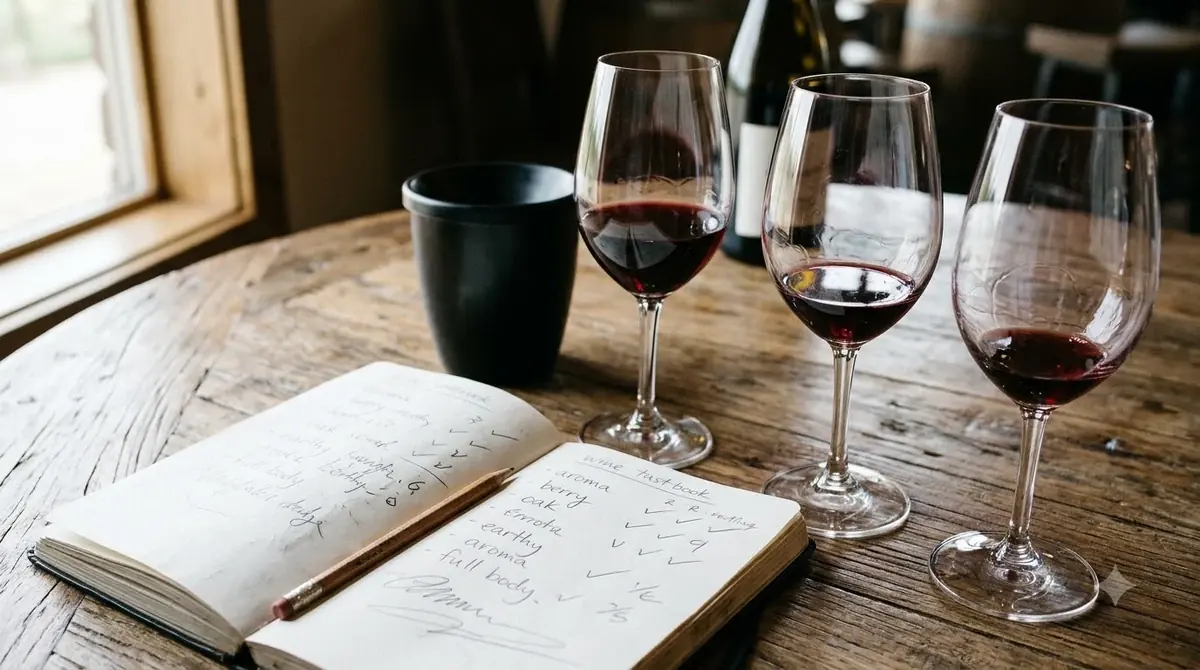
A good plan keeps your day enjoyable and your palate fresh. Give yourself two days if you want to visit both peninsulas. One day on each side avoids driving back and forth across the region. Many writers recommend keeping the list short, so each stop has time for a proper tasting.
Most visitors can manage three or four wineries in a day, especially when driving. Build your route so stops are close together. Consider a private driver or a tour service if your group is large, since that keeps everyone safe on the road.
- Choose one peninsula for each day of your trip.
- Pick three or four wineries that match your taste, such as sparkling, Riesling or reds.
- Check each winery’s website for hours, reservation needs and tasting options.
- Book a lunch stop or plan a picnic, since many wineries allow outside food when they do not serve meals.
- Plan your return trip with a designated driver or a ride service.
Tip: Order a glass or two at each stop instead of full pours. Spitting or pacing your tastings keeps your judgment clear for the drive back.
Tasting Room Etiquette and Tasting Fees
Tasting room manners are simple and make a big difference. Arrive with a rough idea of what you want to taste, and ask the staff for guidance. Most rooms let you choose your flight from the menu, so you can skip styles that do not interest you.
Tasting fees vary from winery to winery and can change from season to season. Some rooms waive the fee when you buy a bottle. Others offer flights with a set number of wines, or let you choose any five from a long menu. Check the current fee on each winery’s website, because published costs can change.
Be respectful of the staff and other guests. Keep conversations calm, avoid crowding the bar and tip if the service is good. If you want to sit in a vineyard or on a terrace, ask first, since some spaces are reserved for tastings or events.
Buying, Shipping, and Storing Michigan Wine
Buying wine at the source is one of the best parts of a visit. Many wineries sell bottles that are hard to find elsewhere, especially small-lot releases and reserve wines. Ask staff which bottles are sold only at the winery, since those make memorable souvenirs.
Shipping rules depend on your home state. Some states allow direct shipment from Michigan wineries, while others limit it. Check your state’s rules and the winery’s shipping policy before you order. If shipping is not allowed, buy a bottle to take home in your checked luggage.
Store your bottles in a cool, dark place once you get home. Keep them away from heat and direct sunlight. Whites and rosés are best enjoyed soon after purchase, while some reds can age for several years. Ask the winery which bottles will improve with time and which are meant to drink now.
Frequently Asked Questions
How many days do I need for Traverse City wine tasting?
Two days is a comfortable plan if you want to cover both peninsulas. One day on Old Mission and one day on Leelanau keeps the driving manageable. A single day works if you focus on one peninsula and choose just a few wineries.
Which grapes should I try first in Traverse City?
Riesling and Cabernet Franc are excellent starting points because they suit the cool local climate. Try a dry Riesling and a sweeter one to compare styles. Then taste a Cabernet Franc to see how the region handles red wine.
Do Traverse City wineries charge for tasting?
Many wineries charge a tasting fee, but policies vary by winery and season. Some waive the fee with a bottle purchase, and some offer glasses by the glass instead. Check each winery’s website for current details before you visit.
Can I bring my own food to a winery?
Many wineries have food on site, but some do not serve meals. If yours does not, ask whether you can bring a picnic. Calling ahead is the simplest way to confirm the house rules.
Traverse City wine tasting rewards a careful plan, with one peninsula per day and a short list of stops. For more background on how wine regions differ, browse the Wine Regions guides. Always drink responsibly and arrange a safe ride home.
More in Wine Regions
 Willcox Wine Trail: Discover Arizona’s High-Elevation Wine CountryUpdated Nov 20, 2026
 Yakima Valley Wine Region: Find the Best Styles to TryUpdated Nov 20, 2026
 Vosne Romanee Wine Tasting: Identify Aromas and Choose Better PairingsUpdated Nov 20, 2026
 Yakima Valley Wine Festival: Find the Best Seasonal Wine EventsUpdated Nov 20, 2026
 Wales Vineyards: Discover Cool-Climate Wines and Where to VisitUpdated Nov 20, 2026
 Yountville Wine Festival: Discover Napa Wines and Local FoodUpdated Nov 20, 2026