

We may earn a commission when you buy through links on this page, at no extra cost to you. Learn more.
If you have ever wondered what is baco noir, it is a dark-skinned French-American hybrid red wine grape created in 1902 by crossing the French Folle Blanche variety with an indigenous North American Vitis riparia vine. Built to survive harsh winters and resist phylloxera, it produces deeply colored, medium-bodied red wines with bright acidity, moderate tannins, and bold flavors of black cherry, blackberry, smoke, and earth. Today, it thrives primarily in cool-climate wine regions across North America, including Ontario, New York’s Finger Lakes, Michigan, and parts of Oregon and California.
While European varieties like Cabernet Sauvignon and Pinot Noir dominate most wine lists, hybrid grapes quietly power some of North America’s most distinctive regional bottles. Baco Noir stands out among them because it avoids the grapey, “foxy” flavors associated with many native American vines, delivering instead a savory, dark-fruited red wine built for the dinner table. Explore our broader Wine by Type guide to see how hybrid reds compare to classic vinifera styles.
What Is Baco Noir?
Baco Noir is a French-American hybrid grape variety bred by French botanist and schoolteacher François Baco at the turn of the twentieth century, officially released in 1902. By pairing European winemaking lineage with native North American hardiness, the vine gained natural resistance to both freezing temperatures and root-destroying pests.
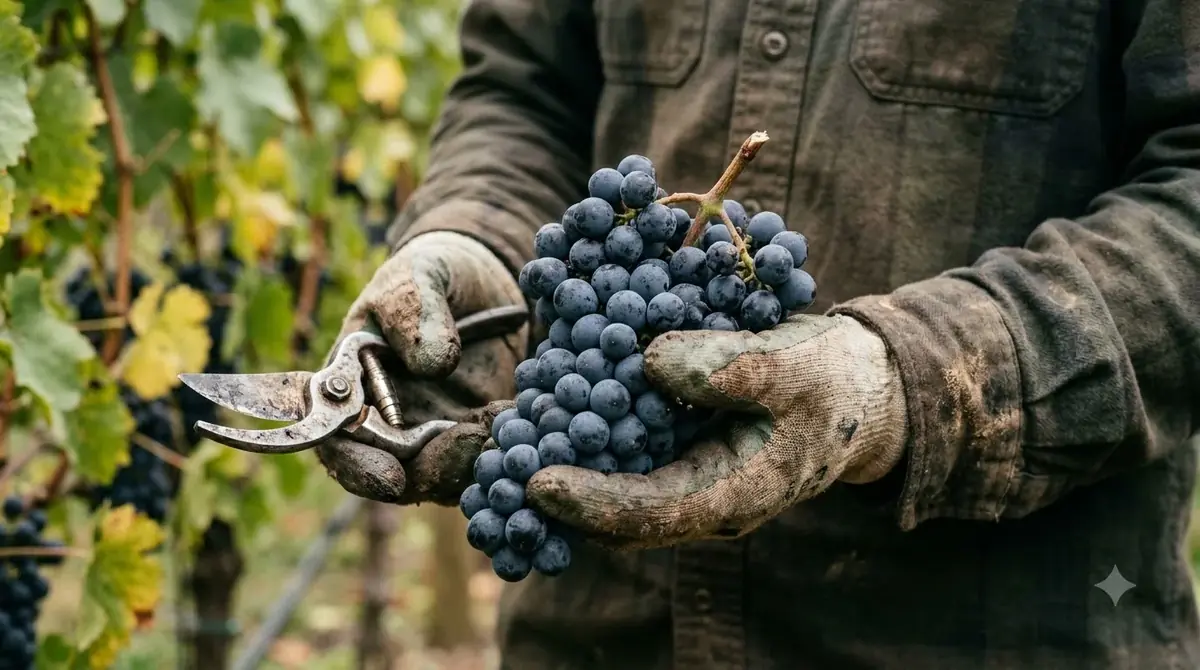
During the late nineteenth century, the phylloxera epidemic devastated vineyards across Europe, prompting breeders to cross European Vitis vinifera vines with resistant American species. François Baco crossed Folle Blanche—a high-acid French white grape traditionally used in Armagnac and Cognac production—with an unknown native Vitis riparia vine. The resulting cultivar, originally cataloged as Baco 1, inherited thin skins, early ripening habits, and the ability to withstand cold winters that would kill standard European vines.
Although Baco Noir was widely planted across France in the decades following its creation, European Union wine regulations eventually restricted hybrid varieties in quality appellations, pushing the grape out of its birthplace. North American growers, however, recognized its potential in regions with short growing seasons and frigid winters. According to Wine Enthusiast’s guide to Baco Noir, the variety has earned a dedicated following among winemakers looking for a cold-hardy red capable of serious structure and savory complexity.
Flavor Profile and Wine Styles
In the glass, Baco Noir pours a deep, opaque ruby-purple hue and delivers a lively combination of dark berry fruit, earthy undertones, and crisp, mouthwatering acidity. Most bottlings fall into a medium-bodied frame with moderate tannins and an alcohol by volume (ABV) hovering between 12% and 13.5%.
On the nose and palate, reviewers at Wine Folly highlight signature notes of black cherry, raspberry, black pepper, crushed gravel, coffee, leather, and smoke. Depending on where the grapes are grown and how the winemaker handles fermentation, you may also catch hints of blackberry, blueberry, boysenberry, plum, dark chocolate, and a distinct iron-like, savory finish. Because the grape naturally retains high acidity even as it ripens, the fruit flavors stay brisk and focused rather than jammy or heavy.
Winemakers craft Baco Noir in several distinct styles to match their local climate and house philosophy:
- Unoaked or lightly oaked table reds: Fermented in stainless steel or neutral barrels, these bottles emphasize bright red and black cherry fruit, lively acidity, and a fresh, juicy finish meant for casual drinking.
- Oak-aged reserve reds: Matured in French or American oak barrels, these expressions pick up layers of vanilla, cedar, mocha, and baking spice while smoothing out the wine’s naturally brisk acidity.
- Dry rosés and blends: Because of its vibrant acid backbone, some producers bleed off juice early to make crisp, dry rosé, or blend Baco Noir with varieties like Saperavi or Chambourcin to add color and mid-palate weight.
| Wine Attribute | Typical Baco Noir Profile | Comparison to Pinot Noir |
|---|---|---|
| Color Intensity | Deep, opaque ruby to purple | Translucent garnet to ruby |
| Body and Weight | Medium-bodied | Light- to medium-bodied |
| Acidity Level | High, brisk, and mouthwatering | Medium-high to high |
| Tannin Structure | Moderate and supple | Low to medium-low |
| Alcohol (ABV) | 12% to 13.5% | 12.5% to 14% |
| Core Flavor Notes | Black cherry, blackberry, smoke, leather, earth | Red cherry, cranberry, mushroom, forest floor |
Where Baco Noir Grows Best
Baco Noir flourishes in cool-to-moderate wine regions where early ripening and winter hardiness give growers a reliable harvest before autumn frosts arrive. Canada’s Niagara Peninsula in Ontario and New York’s Finger Lakes stand as the grape’s spiritual and commercial strongholds, supported by notable plantings in Michigan, Pennsylvania, Oregon, and pockets of California.
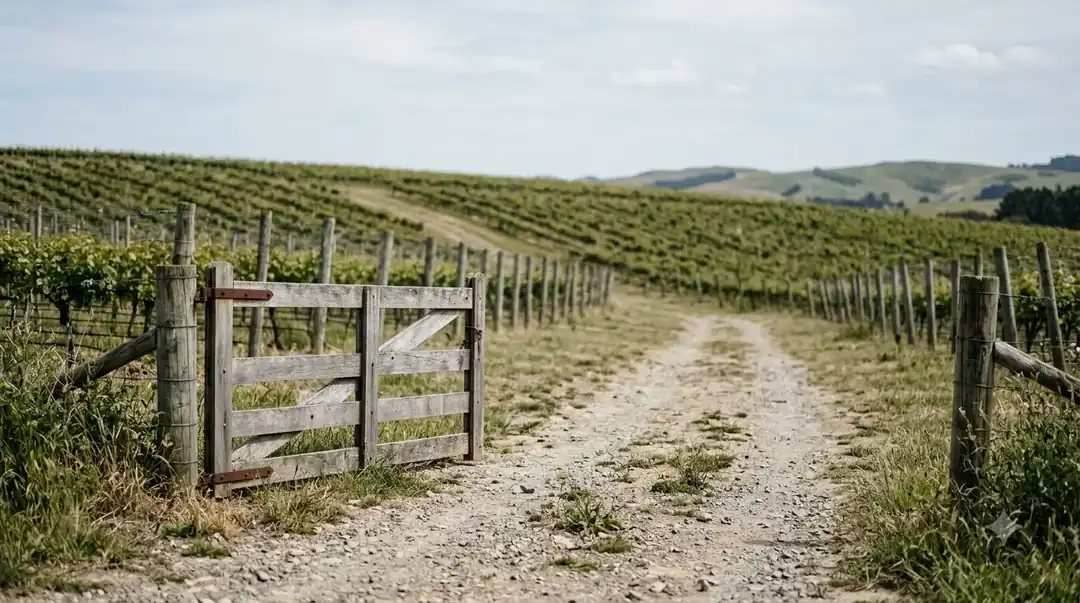
Ontario is widely regarded as the epicenter of modern Baco Noir production, particularly on the Niagara Peninsula, where estates like Henry of Pelham tend old-vine blocks planted decades ago. The moderating influence of Lake Ontario paired with warm summer days allows the thin-skinned berries to develop deep color and concentrated dark fruit while preserving their signature acidity. Across the border in New York, vineyards around Cayuga Lake, Seneca Lake, and the Hudson River Region rely on Baco Noir to produce food-friendly reds that ripen reliably even in cooler vintages.
Beyond the Great Lakes and Northeast, adventurous producers in the Pacific Northwest and California have begun championing the grape. In Michigan’s Leelanau Peninsula, historic vineyards planted in the 1970s yield hand-harvested, earthy bottlings, while growers in Oregon’s Umpqua Valley and California’s Sonoma Coast showcase how warmer sunshine amplifies the grape’s boysenberry, mocha, and smoky barbecue character.
How to Serve and Store Baco Noir
Serve Baco Noir slightly below room temperature at 60°F to 65°F (15°C to 18°C) in a standard medium-to-large red wine glass so its bright acidity stays crisp and its savory aromatics can open up. Giving young or oak-aged bottles 20 to 30 minutes of air before pouring helps soften any youthful edges.
If your kitchen stays warm, place the bottle in the refrigerator for about 15 to 20 minutes before opening to bring it into the ideal cellar temperature range; serving it too warm can make the high acidity feel sharp and mute the dark berry nuances. A standard tulip-shaped Bordeaux or universal red wine glass provides plenty of bowl space to swirl the wine and release its smoky, peppery bouquet.
Unopened bottles should be stored on their side in a cool, dark place around 55°F (13°C) away from direct sunlight and temperature swings. While most everyday Baco Noir releases are crafted to be enjoyed within two to four years of the vintage, structured old-vine and reserve bottlings can develop appealing leather and dried-fruit complexity over four to eight years in the cellar. Once opened, recork the bottle, keep it in the refrigerator, and finish it within three to five days—similar to the storage timeline outlined in our guide on how long Pinot Noir lasts unopened and after opening.
Tip: Because Baco Noir is naturally thin-skinned and deeply pigmented, chill an unoaked bottle down to 58°F on warm summer evenings for a refreshing, juicy red that pairs effortlessly with grilled burgers.
Food Pairing Ideas
Thanks to its high acidity, moderate tannins, and innate smokiness, Baco Noir is a remarkably versatile partner for rich, savory, and charred dishes. Its brisk acid slices cleanly through melted cheese, fatty cuts of meat, and tangy sauces without overpowering delicate herbs.
Smoke and char are natural allies for this grape. The inherent smoky, iron-rich notes in Baco Noir echo the flavors of wood-fired barbecue pork ribs, grilled hamburgers, smoked duck breast, and cedar-plank salmon. When serving dishes glazed with sweet-and-tangy tomato or molasses barbecue sauces, the wine’s bright cherry acidity keeps the palate refreshed between bites rather than feeling cloying.
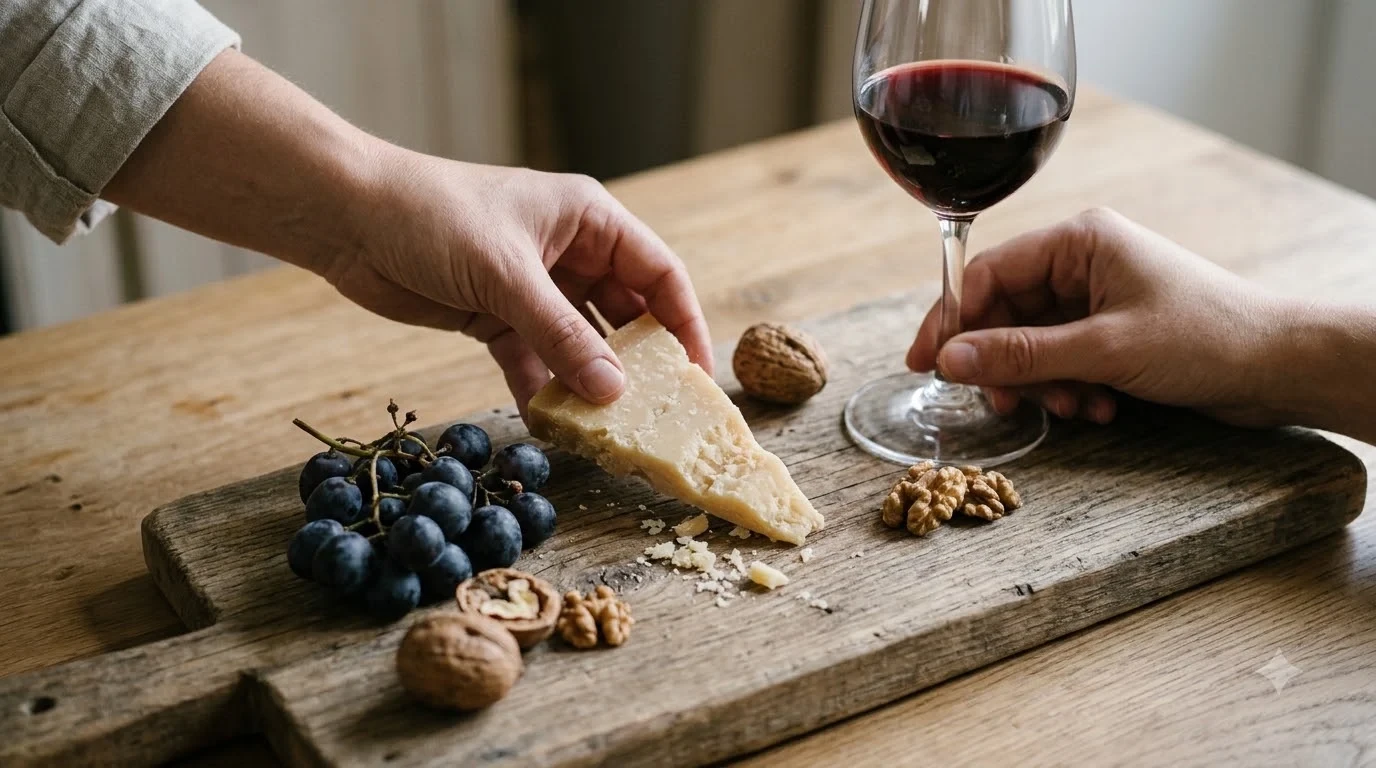
Earthy vegetarian and comfort-food plates work just as well. Wild mushroom risotto, lentil stews, roasted root vegetables with rosemary, and tomato-based pastas like baked ziti or lasagna mirror the wine’s rustic, loamy depth. For a simple cheese board, pair a glass with aged sharp cheddar, nutty Gouda, or firm sheep’s-milk cheeses, and check out our dedicated Baco Noir food pairing guide for complete menu inspiration.
How to Choose a Bottle of Baco Noir
When shopping for Baco Noir, pay close attention to the label’s oak treatment, vine age, and regional origin to match the bottle to your palate. Because the grape responds dramatically to vineyard yields and cellar aging, different labels can range from bright and casual to deeply layered and structured.
Start by checking whether the bottle is labeled as a classic estate tier or an “Old Vines” or “Reserve” bottling. Entry-level expressions typically see little to no new oak, highlighting vibrant black cherry, cranberry, and cracked pepper notes suited for weeknight meals. Old-vine and reserve bottlings—often sourced from vines 30 to 50 years old in Ontario or New York—yield smaller berries with greater concentration and usually spend time in oak barrels, resulting in velvety tannins and notes of dark chocolate, cedar, and vanilla.
Regional origin also offers a reliable clue to style. Bottles from Ontario’s Niagara Peninsula and New York’s Finger Lakes tend to lean leaner, higher-toned, and more earthy, while bottlings from Oregon or California showcase riper blackberry and boysenberry fruit alongside slightly fuller body and higher alcohol.
Frequently Asked Questions
Is Baco Noir a dry or sweet red wine?
Baco Noir is almost always made as a dry red wine, though its ripe black cherry and boysenberry fruit flavors can give the impression of richness on the mid-palate. Occasional specialty producers craft sweet fortified port-style wines from the grape, so check the back label or ABV if you want to be certain of a dry table style.
How does Baco Noir compare to Pinot Noir?
Both grapes thrive in cool climates and deliver medium body with vibrant acidity, making Baco Noir a popular regional alternative to Pinot Noir. However, Baco Noir is much darker in color and leans toward smoky black cherry, blackberry, and leather flavors rather than Pinot Noir’s lighter red-berry and floral profile.
Is Baco Noir gluten-free and vegan?
Like other wines fermented purely from grapes, Baco Noir is naturally gluten-free, though anyone with severe celiac sensitivity should confirm that no wheat paste was used to seal oak barrels. Vegan status varies by winery, as some producers use animal-derived fining agents like egg whites or gelatin while others use vegan-friendly bentonite clay; see our article on whether Pinot Noir is gluten-free for more details on wine fining and ingredients.
Can you age Baco Noir in a wine cellar?
Yes, well-structured Baco Noir from reputable cool-climate producers ages gracefully thanks to its naturally high acidity and deep pigment. Everyday unoaked bottles are best enjoyed within two to four years of harvest, whereas oak-aged reserve and old-vine releases can evolve nicely for four to eight years.
Whether you discover it on a winery tasting room road trip in the Finger Lakes or pick up an old-vine bottle from Ontario, Baco Noir rewards curious drinkers with unmistakable character. Its combination of bright acidity, dark berry depth, and savory smoke makes it an easy favorite for weeknight dinners and backyard cookouts alike.
More in Wine Types & Grapes
 Zinfandel Sugar Content: Dry Red vs. White Zinfandel GramsUpdated Nov 21, 2026
 Best Zinfandel Substitute Options for Sipping and CookingUpdated Nov 21, 2026
 Zweigelt Food Pairing: Best Dishes, Cheeses, and Serving TipsUpdated Nov 21, 2026
 Zinfandel Tannins Explained: How Structure Shapes Every BottleUpdated Nov 21, 2026
 Zinfandel Sweetness Level: Dry Red vs. Sweet White Zin ExplainedUpdated Nov 21, 2026
 Xinomavro Food Pairing: Best Dishes, Styles, and Serving TipsUpdated Nov 21, 2026