


We may earn a commission when you buy through links on this page, at no extra cost to you. Learn more.
Vermentino wine is a dry, crisp white made from a grape grown along the Mediterranean coast, especially in Sardinia, Liguria, and Tuscany, where it shows lime, green apple, and a saline finish. It is light to medium bodied with fresh acidity and no tannin, which makes it easy to drink on warm days and a natural match for seafood and herb-driven dishes. Knowing what vermentino tastes like and how to serve it helps you choose a bottle that will suit your table.
Vermentino is one of those wines that many drinkers discover by accident. A bottle from a seaside Italian producer or a Provence rosé blend can introduce the grape before the name becomes familiar. This guide covers where vermentino comes from, what the glass tastes like, how to serve it, and which foods bring out its best. It is written for anyone who wants a crisp white that feels a little different from the usual pinot grigio or sauvignon blanc.
Where Vermentino Comes From
Vermentino is strongly associated with the Mediterranean. It is grown across Sardinia, where it is a leading white, and it is also an important variety in Tuscany along the coast. The grape travels further as well. In Provence it is one of the top white blending grapes in rosé, where it is labeled Rolle, and it appears in the wider Mediterranean islands and coastal zones of France and Italy.
Many producers make both oaked and unoaked styles, so the grape can show different faces from one bottle to another. Unoaked vermentino is the more common expression and tends to be bright, aromatic, and fresh. Oaked versions add texture and a creamier mouthfeel, but they keep the grape’s citrus and saline backbone. The style depends largely on the producer’s winemaking choices rather than the region alone.
The Flavor Profile of Vermentino
Vermentino is known for its citrus character. According to Wine Folly’s vermentino guide, the typical flavors include lime, grapefruit, green apple, and almond, with a floral note that some drinkers describe as daffodil. Those bright fruit flavors sit on a dry, clean palate, and the finish often carries a hint of salt or minerality that fits well with the grape’s coastal roots.
The structure is lighter than many white wines. Vermentino is typically medium-light in body with medium-high acidity, which gives it a lively, refreshing feel. There are no tannins, so the wine never tastes bitter or dry in the way a red can. Its alcohol usually falls in a moderate range, roughly 11.5 to 13.5 percent, so the wine feels balanced rather than heavy. Those qualities make it a reliable choice for a warm afternoon or a light lunch.
Vermentino Compared With Other Whites
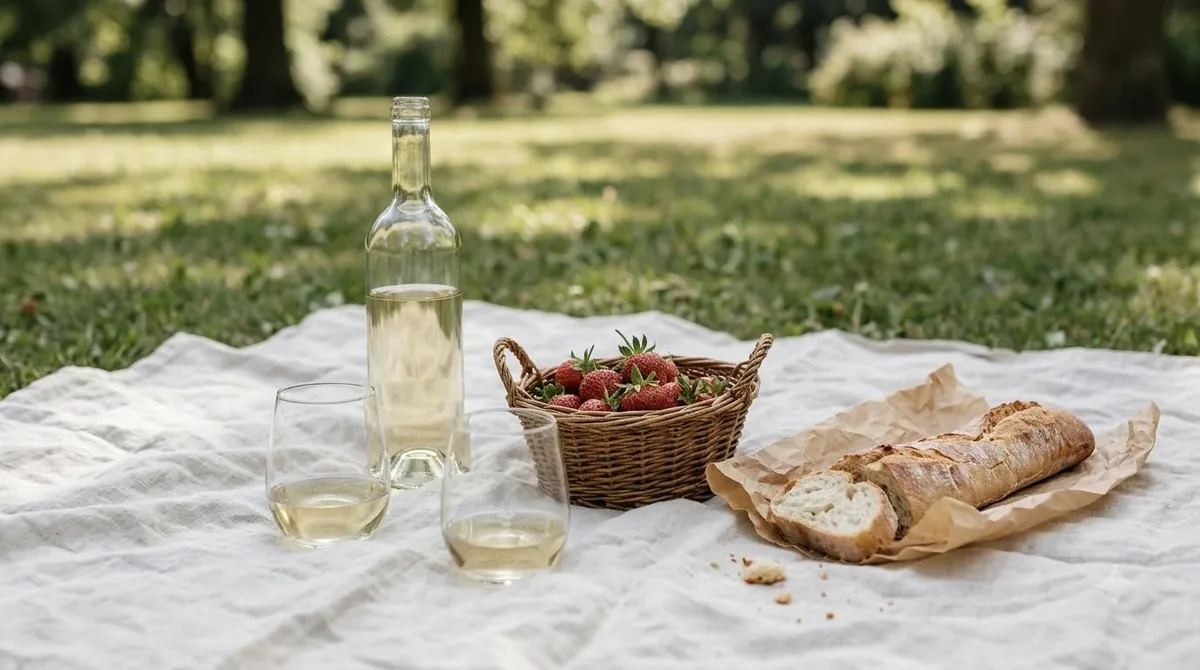
Vermentino sits between several familiar styles. It has more citrus and freshness than a soft, rounded chardonnay, yet it often shows a little more texture and fruit than a very lean pinot grigio. Some drinkers compare it to sauvignon blanc because both carry bright acidity and green flavors, but vermentino usually feels rounder and less grassy. The comparison helps you decide whether it suits your taste.
If you already enjoy a crisp white, vermentino is an easy next step. If you prefer red wines, you may find the wine’s structure and freshness a pleasant change from a heavy, tannic bottle. For a red with a similar lightness, look at a classic cabernet sauvignon wine style, although the two wines differ a lot in weight and tannin.
| Trait | What to expect |
|---|---|
| Color | Pale straw to light gold |
| Body | Medium-light |
| Acidity | Medium-high, fresh and lively |
| Tannin | None |
| Common flavors | Lime, grapefruit, green apple, almond, herbs |
| Oak | Some producers use it, many do not |
How to Serve Vermentino
Serve vermentino cool but not icy. Wine Folly’s guide recommends serving it between about 45 and 55 degrees Fahrenheit, which keeps the acidity crisp and lets the citrus and floral notes show. Pour it into a standard white wine glass, and you will get enough room for the aromas to develop without losing the freshness.
Decanting is not needed. Vermentino is meant to be enjoyed young and fresh, so you can open a bottle and pour right away. Most bottles are at their best within a few years of release. Wine Folly suggests cellaring for about 3 to 5 years at most, though many people drink it sooner while the fruit is brightest. Keep unopened bottles in a cool, dark place, and reseal opened bottles tightly so the wine stays lively for a day or two.
Food Pairings for Vermentino
Vermentino pairs naturally with the foods of the Mediterranean. Grilled light meats, white fish, and shellfish suit its citrus and saline notes. A simple grilled fish with lemon and herbs is an easy match, and so is a seafood pasta finished with olive oil. The wine’s acidity cuts through oil and butter, which makes it a useful partner for many coastal dishes.
Herb-driven dishes are another strong option. Pesto, fresh salads with olive oil and lemon, and dishes built on garlic and herbs all echo the wine’s green and herbal aromas. Oily fish such as salmon can also work well, especially when served with a fresh herb sauce. Heavy, rich, or very spicy dishes can overwhelm vermentino, so keep the meal light and fresh to let the wine shine.
If you enjoy cheese, choose soft and fresh varieties rather than strong, aged ones. A mild goat cheese or a fresh mozzarella with tomato and basil makes a relaxed pairing. Strong blues and heavily smoked cheeses tend to overpower the wine’s delicate character.
Choosing a Bottle of Vermentino
Start with the origin on the label. Sardinian vermentino tends to show brightness and a clean, saline finish, while bottles from Liguria can feel a little richer and carry more stone fruit, according to regional wine guides. Tuscan examples often sit between these styles. Because the grape is widely planted along the coast, the region can help you predict whether a bottle will feel lean or rounder.
Check whether the bottle is labeled as unoaked. Unoaked vermentino usually feels the freshest and most aromatic, which suits a summer lunch or a seafood dinner. Oaked examples add a creamy texture that may appeal to drinkers who enjoy fuller whites. There is no single correct style, so choose the one that matches your meal and mood.
When you are new to the grape, a mid-range bottle from a well-known producer is a good place to begin. It gives you a clear sample of the grape’s citrus and herbal character without much risk. If you want to explore further, the Wine by Type guide lists other white and red styles so you can compare them side by side.
Frequently Asked Questions
What does vermentino wine taste like?
Vermentino usually tastes of lime, grapefruit, and green apple, with an almond note and a clean, saline finish. It is dry, fresh, and light to medium bodied.
Is vermentino sweet or dry?
Vermentino is typically dry. Its bright citrus fruit can taste lively and fresh, but the wine itself has no residual sweetness in most styles.
What food goes best with vermentino?
Grilled fish, shellfish, seafood pasta, pesto, and fresh salads are all good matches. The wine’s acidity and herbal notes suit Mediterranean cooking with olive oil, lemon, and garlic.
Should vermentino be chilled?
Yes, serve it cool, around 45 to 55 degrees Fahrenheit. That range keeps the acidity crisp and lets the citrus and floral notes come through without the wine tasting flat.
Vermentino wine is a good choice when you want something fresh, dry, and food friendly. Start with a simple bottle to learn the grape’s citrus and saline character, then try an oaked version or a Tuscan bottle to see how style changes. Serve it cool, pair it with light Mediterranean food, and you will have a white that feels bright without being sharp.
More in Wine Types & Grapes
 Zinfandel Sugar Content: Dry Red vs. White Zinfandel GramsUpdated Nov 21, 2026
 Best Zinfandel Substitute Options for Sipping and CookingUpdated Nov 21, 2026
 Zweigelt Food Pairing: Best Dishes, Cheeses, and Serving TipsUpdated Nov 21, 2026
 Zinfandel Tannins Explained: How Structure Shapes Every BottleUpdated Nov 21, 2026
 Zinfandel Sweetness Level: Dry Red vs. Sweet White Zin ExplainedUpdated Nov 21, 2026
 Xinomavro Food Pairing: Best Dishes, Styles, and Serving TipsUpdated Nov 21, 2026