

We may earn a commission when you buy through links on this page, at no extra cost to you. Learn more.
When deciding what glass for sake works best, a standard white wine glass is the top all-around choice for chilled, aromatic styles because its bowl captures delicate fruity and floral notes while a stem prevents your hand from warming the pour. For fuller, savory sakes served chilled or at room temperature, a wider red wine glass opens up complex umami layers. Traditional ceramic ochoko or guinomi cups remain ideal for warm sake and social pouring rituals, while wooden masu boxes suit rustic cedar-aged brews.
Serving Japanese rice-based brews in stemware has moved from trend to standard practice across top restaurants and tasting rooms. Because much of what your palate registers as flavor actually originates from aroma, the vessel you pick shapes every sip—from how aromatics gather at the rim to how quickly the liquid warms on the table.
Why Glass Shape and Material Matter for Sake
Vessel geometry controls how volatile aromatics concentrate toward your nose, while material conductivity determines how fast your drink changes temperature. Matching bowl width, rim thickness, and material to the style in your bottle brings out details that a mismatched cup can flatten.
Sake spans an enormous aromatic spectrum, ranging from delicate, orchard-fruit-driven junmai daiginjo to earthy, savory yamahai and kimoto brews. A tulip-shaped bowl with a gently tapered rim traps light esters—such as pear, melon, and white peach—and funnels them directly toward the nose on each sip. By contrast, a small, wide-mouthed cup allows volatile aromas to dissipate rapidly into the surrounding air, shifting sensory focus away from fragrance and toward texture, acidity, and finish.
Rim thickness also plays a decisive mechanical role on the palate. Thin-rimmed crystal or blown glass lets liquid glide smoothly onto the front and center of the tongue without forcing you to tilt your head back abruptly. Thick ceramic rims encourage a slightly different sipping posture, directing the pour toward the middle of the palate where richness and umami register most strongly.
Material choice governs thermal stability throughout a meal. Stemmed glassware isolates chilled sake from body heat, preserving crispness across a 180-milliliter (six-ounce) standard pour. Ceramic retains heat effectively, making stoneware and porcelain practical for warmed pours, whereas porous wood like Japanese cypress or cedar imparts distinct resinous aromas directly into the liquid.
Matching Sake Styles to the Right Glass
Different brewing classifications and serving temperatures call for distinct vessel silhouettes to highlight their best attributes. Use the quick-reference breakdown below to pair each major sake category with the glass or cup that brings out its clearest expression.
| Sake Style | Ideal Vessel | Recommended Temperature | Why It Works |
|---|---|---|---|
| Junmai Ginjo & Daiginjo | White wine glass | Chilled (around 50°F) | High, straight walls and a tapered rim trap delicate floral and fruit aromas while the stem keeps the pour cool. |
| Savory Junmai, Kimoto & Yamahai | Red wine glass | Chilled to room temperature | A broader bowl increases surface area and oxygen contact, opening up earthy, nutty, and umami-rich aromas. |
| Warm Junmai or Honjozo | Ceramic ochoko or guinomi | Warmed (around 100°F) | Thick ceramic walls hold heat well, and small capacities ensure you finish the pour before it cools down. |
| Sparkling Sake | Champagne flute or tulip white wine glass | Well chilled | A tall, narrow profile preserves carbonation while still leaving enough headspace for gentle rice and fruit scents. |
| Taruzake (Cedar-Aged Sake) | Wooden masu box | Chilled or room temperature | Porous Japanese cedar or cypress complements the subtle wood-aged character already present in the brew. |
| High-ABV Genshu or Sake Highballs | Rocks glass or tumbler | Over ice | Sturdy flat-bottomed glassware accommodates large ice cubes and mixers without tipping. |
Reviewers and beverage directors at Wine Enthusiast note that sake specialists routinely reach for white wine glasses with high, relatively straight walls when pouring aromatic daiginjo, while reserving broader red wine bowls for savory, full-bodied styles. Treating fragrant premium sake much like a crisp aromatic white wine unlocks layers of nuance that stay hidden inside tiny shot-sized cups.
If you already own a balanced set of stemware, you do not need specialty Japanese crystal to get started. Exploring what glass for white wine works for crisp aromatics will steer you straight toward an all-purpose tulip glass that doubles effortlessly for chilled sake, while checking what glass for red wine suits fuller textures will guide you toward the broader bowls ideal for aged or umami-heavy bottles.
Using Wine Glasses for Sake
A stemmed wine glass is the single most versatile piece of barware for modern sake service, bridging temperature control, visual clarity, and aromatic concentration. Pouring three to four ounces at a time leaves ample headspace in the bowl for gentle swirling.
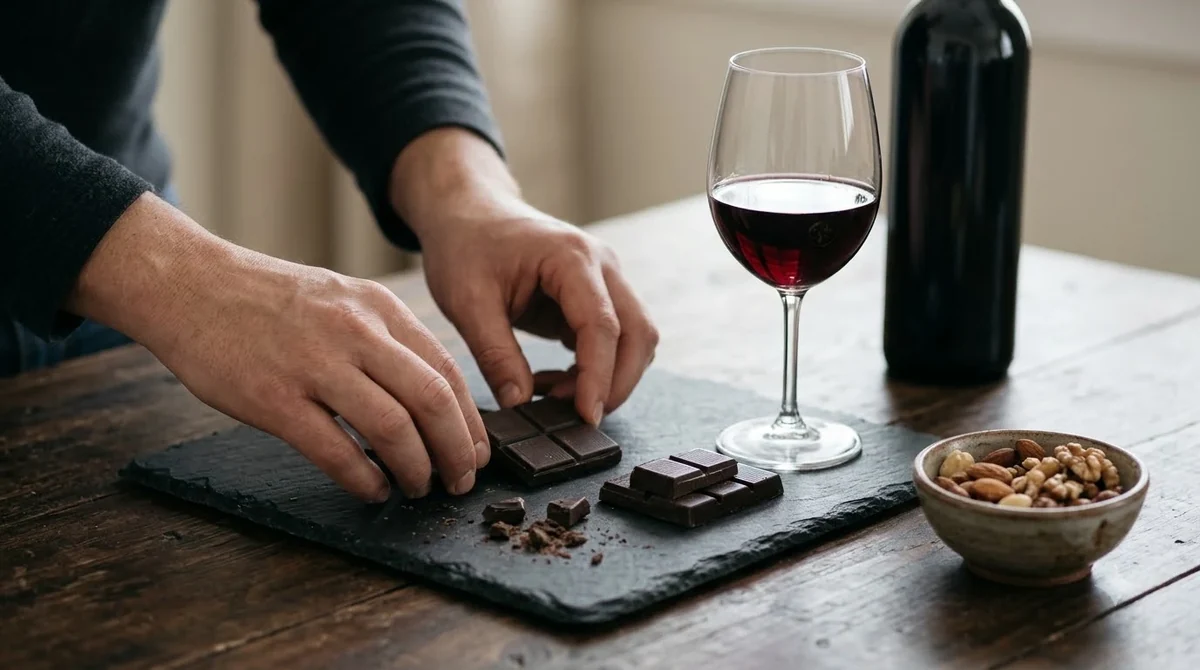
When pouring chilled ginjo or daiginjo into a white wine glass, hold the stem rather than cupping the bowl. Warmth from your fingers quickly raises the liquid above its sweet spot around 50°F, muting crisp acidity and making alcohol feel heavier on the finish. Clear glass also lets you inspect subtle visual cues—such as the faint pale-gold tint of an uncharcoal-filtered sake or the fine suspended rice lees in a cloudy nigori.
Swirling sake in a wine glass works much like swirling wine, though gentler motion is usually enough. Because sake lacks the astringent tannins found in red grape skins, it does not require aggressive aeration to soften harsh edges. A slow, brief swirl releases ester aromatics into the upper bowl without blowing off fragile floral top notes.
Stemless wine glasses offer a practical middle ground for casual weeknight dinners or outdoor gatherings where tall stems risk tipping over. While your hand will warm the bowl faster than with stemmed glass, keeping pours modest—around two to three ounces—ensures the sake stays refreshing from first sip to last.
Tip: Pour only two to three ounces into a wine glass at a time and return the bottle to the refrigerator between pours so every glass stays crisp and aromatic.
Traditional Japanese Vessels: Ochoko, Guinomi, and Masu
Traditional Japanese sake ware prioritizes hospitality, pacing, and tactile connection over aromatic trapping. Each classic vessel evolved around specific dining customs and serving temperatures rather than modern laboratory-style aroma analysis.
The ochoko is a small, cylindrical cup—typically crafted from glazed porcelain or stoneware—that holds roughly one to two ounces. In professional tasting competitions, judges use a specialized white porcelain version called a kiki-choko painted with two blue concentric rings on the interior base to evaluate clarity and color against white and blue backgrounds. At the dinner table, an ochoko pairs naturally with a narrow-necked pouring flask called a tokkuri.
According to VinePair, traditional sake cups are intentionally petite to encourage shaku suru (or kumu), the custom of pouring for your companions rather than filling your own cup. Small vessels empty quickly, creating natural opportunities throughout a meal to check on friends, refill their cups, and maintain shared conviviality.
A guinomi is a slightly larger, wider-mouthed cup—usually holding two to six ounces—often wheel-thrown or hand-built by ceramic artists. Because guinomi feature varied glazes, clay textures, and organic lip shapes, collectors prize them for hearty, savory brews served warmed or at cellar temperature. Meanwhile, the square wooden masu—originally a standardized rice-measuring box holding one go (180 milliliters, or roughly six ounces)—adds a distinct cedar or cypress fragrance that pairs best with rustic, rice-forward brews rather than delicate, fruit-driven bottles.
Practical Tips for Serving and Pouring Sake at Home
Great glassware performs best when paired with thoughtful temperature management, moderate pour sizes, and proper bottle storage. A few simple habits keep every bottle tasting fresh from opening night through the final pour.
Experimenting across temperatures is one of the easiest ways to see how glassware and warmth interact. Many premium sakes reveal completely different personalities when tasted side by side at chilled (50°F), room temperature, and gently warmed (100°F) intervals. For deeper guidance on matching heat levels to brewing styles, check our breakdown of sake serving temperature before warming up a flask.
Avoid leaving opened bottles on the kitchen counter overnight. Unlike grape-based styles covered in our Wine by Type guide, sake does not rapidly turn into vinegar when exposed to air, yet delicate floral and fruity aromatics fade quickly at warm room temperatures. Recapping the bottle tightly and storing it upright in the refrigerator keeps most styles vibrant for roughly two weeks, while sturdy, high-umami bottles can remain enjoyable even longer.
Finally, treat glassware care with the same attention you give fine crystal. Wash sake glasses with hot water and minimal, fragrance-free detergent, then rinse thoroughly and dry with a lint-free cloth—any lingering soap residue clings easily to glass and masks subtle rice and fruit aromatics.
Frequently Asked Questions
Can you drink sake out of a regular wine glass?
Yes, a standard white wine glass is widely recommended by sommeliers and sake educators for chilled, aromatic sakes. Its tapered bowl concentrates delicate fruit and floral aromas toward your nose, while the stem keeps your hand from warming the drink. Pour modest three- to four-ounce servings so there is room to swirl gently.
Why are traditional sake cups so small?
Traditional ochoko cups hold only one to two ounces to support the Japanese custom of pouring for dining companions rather than yourself. Small pours empty quickly, encouraging attentive hospitality throughout a meal and ensuring warm sake stays hot until the final sip.
Should you drink sake out of a wooden masu box?
A wooden masu box is fun for celebrations and works well with cedar-aged taruzake or simple, rice-forward sakes. However, the porous cypress or cedar wood imparts a noticeable woody scent that can overpower delicate, fruity ginjo and daiginjo styles, so save aromatic premium bottles for glass.
What glass works best for warm sake?
Small ceramic cups like an ochoko or guinomi work best for warmed sake around 100°F. Stoneware and porcelain insulate heat far better than thin crystal, and the smaller capacity lets you finish each pour while it is still pleasantly warm.
Choosing the right vessel comes down to matching the shape and material to the personality of the bottle on your table. Reach for a stemmed white wine glass whenever you want to capture crisp, aromatic detail, switch to a broader red wine bowl for rich umami styles, and save ceramic cups for warm, convivial pours with friends.
More in Wine Types & Grapes
 Zinfandel Sugar Content: Dry Red vs. White Zinfandel GramsUpdated Nov 21, 2026
 Best Zinfandel Substitute Options for Sipping and CookingUpdated Nov 21, 2026
 Zweigelt Food Pairing: Best Dishes, Cheeses, and Serving TipsUpdated Nov 21, 2026
 Zinfandel Tannins Explained: How Structure Shapes Every BottleUpdated Nov 21, 2026
 Zinfandel Sweetness Level: Dry Red vs. Sweet White Zin ExplainedUpdated Nov 21, 2026
 Xinomavro Food Pairing: Best Dishes, Styles, and Serving TipsUpdated Nov 21, 2026