

We may earn a commission when you buy through links on this page, at no extra cost to you. Learn more.
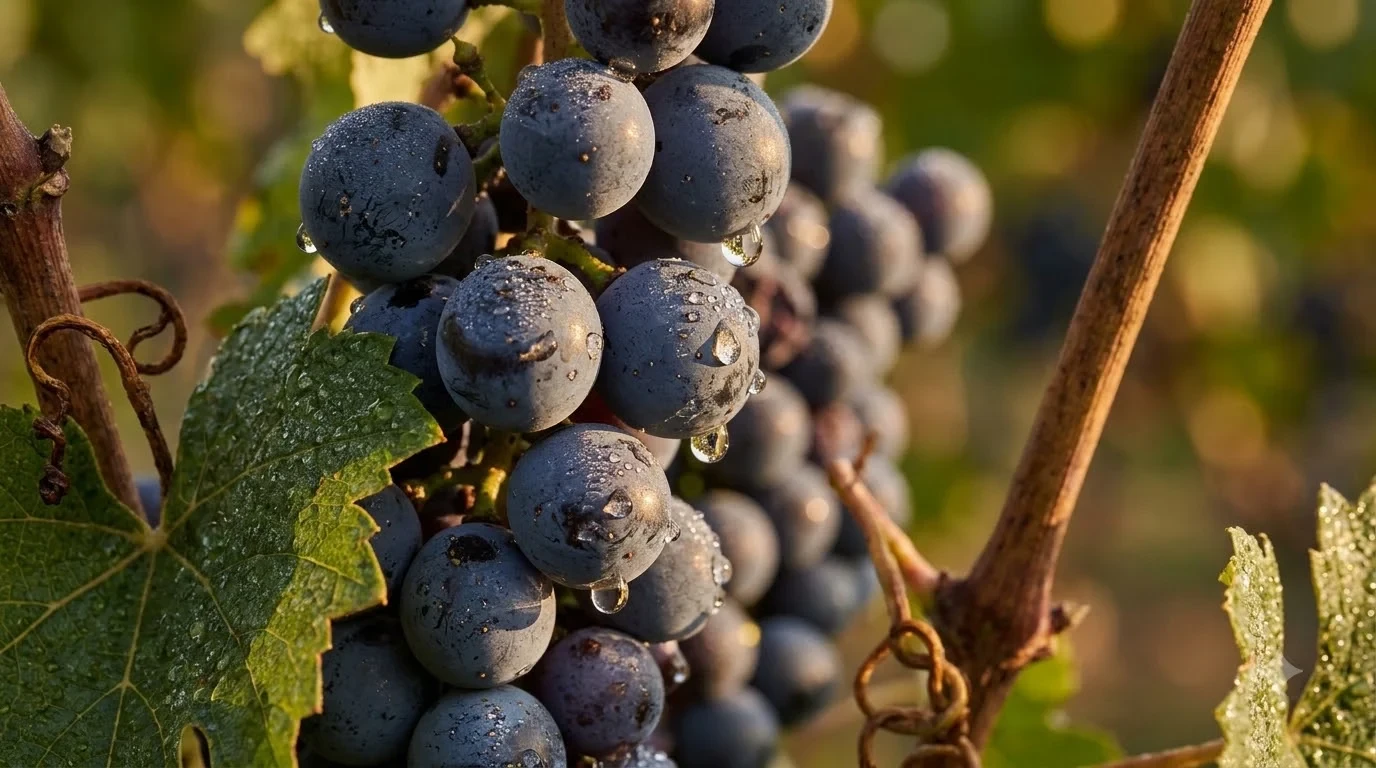
Finger Lakes wine comes from a cool-climate region in New York State’s Southern Tier, where Riesling is the signature grape and the deep lakes make it possible to ripen European varieties. Most of the region’s best-known wine is made around three lakes, Keuka, Cayuga, and Seneca, and the styles range from dry Riesling and sparkling wine to Cabernet Franc, Pinot Noir, and Gewürztraminer. For most American drinkers, it is the easiest route to East Coast wine that tastes distinctive rather than generic.
This guide explains what Finger Lakes wine is, why its climate matters, which grapes define the region, and how to choose a bottle from its shelves. It covers the grapes and styles you are most likely to see, and it gives practical advice on serving and pairing, so you can read a label with confidence before you buy.
Where the Finger Lakes Are and Why They Matter
The Finger Lakes sit in the Southern Tier of New York State, a long way north of the warm wine regions of California but far enough south to get a real growing season. The name comes from a cluster of long, narrow lakes that run north and south across the landscape. The region has eleven lakes in total, but winemaking is concentrated around three of them: Keuka, Cayuga, and Seneca. Seneca is the largest of the three, and one regional travel guide from VinePair considers it the best terroir in the area.
Modern wine production in the region is closely tied to Dr. Konstantin Frank, who began growing Riesling in Hammondsport in the 1960s. Before that, most vineyards grew American varieties such as Concord and Catawba, which are still grown in parts of the region. Frank’s work showed that European vinifera grapes could survive the cold winters, and that discovery set the course for the region’s modern wine industry.
Riesling: The Region’s Signature Grape
Riesling is the flagship of Finger Lakes wine, and it is the grape most visitors come to taste. A good Finger Lakes Riesling shows bright acidity, citrus and stone-fruit aromas, and a clean, mineral finish. Much of the high-quality Riesling made here is dry rather than sweet, although sweeter styles still exist and are clearly labeled on many bottles. If you are new to the region, a dry Finger Lakes Riesling is a good place to start, because it shows the place without the sugar that can hide a wine’s structure.
The lakes help Riesling in two ways. They moderate the temperature near the water, which allows the grapes to ripen while keeping enough acidity. The result is a wine that tastes fresh even in warm years. That balance is the main reason producers keep returning to this grape rather than switching to something easier to grow.
Other Grapes and Styles Worth Knowing
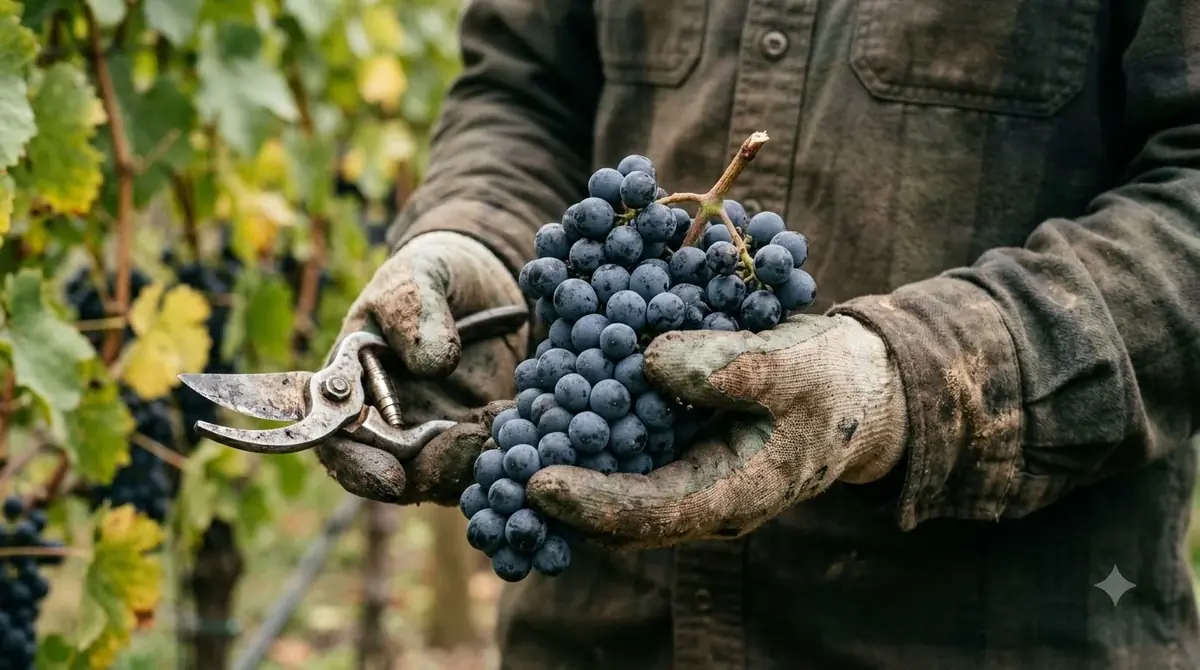
Riesling gets most of the attention, but the region grows a wider range than many buyers expect. Cabernet Franc has become one of the most recognized red wines, often showing red fruit, herbal notes, and a light, savory edge. Pinot Noir is grown on several lakes, and it tends to be lighter and brighter than examples from warmer coastal regions. Gewürztraminer adds a perfumed, aromatic style for drinkers who like floral white wine.
Sparkling wine is another important category, and the region has a long history with it. Some producers also make pét-nat, a naturally sparkling style, from first-generation hybrid grapes. You may also find Saperavi, a dark-skinned variety originally from Georgia, at a few producers who want to explore less common grapes. These bottles are a good way to see how adventurous the region has become.
| Style | Common grape | What to expect |
|---|---|---|
| Dry white | Riesling | Bright acidity, citrus, stone fruit, and a clean finish |
| Aromatic white | Gewürztraminer | Floral and spiced aromas with a fuller texture |
| Sparkling | Traditional and pét-nat styles | Fresh, lively bubbles with a range of sweetness |
| Light red | Pinot Noir | Red fruit, soft tannins, and a cool-climate freshness |
| Savory red | Cabernet Franc | Red fruit with herbal and earthy notes |
Tip: If a label says “dry” or “semi-dry,” trust that word over the grape name. Two Rieslings from the same lake can taste very different depending on how much sugar remains.
How to Choose a Bottle From the Region
When you shop for Finger Lakes wine, start with the grape and then check the style. A Riesling labeled dry is the most direct introduction to the region. A Cabernet Franc or Pinot Noir shows how the cool climate shapes reds. If you are unsure, look for a sparkling wine, since it offers a light, food-friendly way to taste the region’s range without committing to a full bottle of one style.
It also helps to know which lake the wine comes from. Keuka, Cayuga, and Seneca each have a slightly different character, and producers often name the lake or the sub-area on the label. Reading the lake name is an easy way to compare wines that share a grape but come from different parts of the region.
Serving and Pairing Finger Lakes Wine
Finger Lakes Riesling is at its best well chilled but not ice cold, which lets the aromas open. A dry Riesling pairs well with pork, roast chicken, fresh seafood, and dishes with some heat, because its acidity balances spice. A sweeter Riesling is a good match for spicy Asian food or a soft cheese. Sparkling wine works with almost any light appetizer, and it is an easy choice for a gathering.
The reds are best served slightly cool rather than warm. Pinot Noir suits roast salmon, mushroom dishes, and light poultry, while Cabernet Franc pairs with grilled vegetables, herbed pork, and firm cheeses. For a broader look at how climate and grape choice shape each area, the Wine Regions section puts several areas side by side, and the Finger Lakes wineries guide covers the producers and tasting rooms around each lake.
Frequently Asked Questions
What is the best wine to start with from the Finger Lakes?
A dry Riesling is the most common starting point because it shows the region’s acidity and sense of place clearly. Many producers make one, and it is widely available. Once you know the style, you can move on to Cabernet Franc or sparkling wine.
Is Finger Lakes wine always sweet?
No. Sweet wines are made here, but much of the region’s most serious Riesling is dry. Check the label for words such as dry, semi-dry, or off-dry, since the grape alone does not tell you how sweet the bottle will taste.
Why does the region grow so many cool-climate grapes?
The region sits at a northern latitude, and its winters are cold. The large lakes moderate temperatures near the water, which allows European varieties to ripen. Growers have chosen grapes like Riesling and Pinot Noir because they suit this balance of cold and moderated warmth.
Should I buy Finger Lakes wine to age?
Some Riesling and red wines from the region can improve over several years, but many are made to drink young and fresh. Read the producer’s notes or ask the shop staff about a specific bottle before storing it for a long time.
Finger Lakes wine rewards drinkers who like fresh acidity, cool-climate character, and a sense of place. Start with a dry Riesling, compare it with a Cabernet Franc or a sparkling wine from another lake, and you will quickly see how the region’s grapes and lakes shape the glass. The next step is to explore the producers themselves.
More in Wine Regions
 Willcox Wine Trail: Discover Arizona’s High-Elevation Wine CountryUpdated Nov 20, 2026
 Yakima Valley Wine Region: Find the Best Styles to TryUpdated Nov 20, 2026
 Vosne Romanee Wine Tasting: Identify Aromas and Choose Better PairingsUpdated Nov 20, 2026
 Yakima Valley Wine Festival: Find the Best Seasonal Wine EventsUpdated Nov 20, 2026
 Wales Vineyards: Discover Cool-Climate Wines and Where to VisitUpdated Nov 20, 2026
 Yountville Wine Festival: Discover Napa Wines and Local FoodUpdated Nov 20, 2026