

We may earn a commission when you buy through links on this page, at no extra cost to you. Learn more.
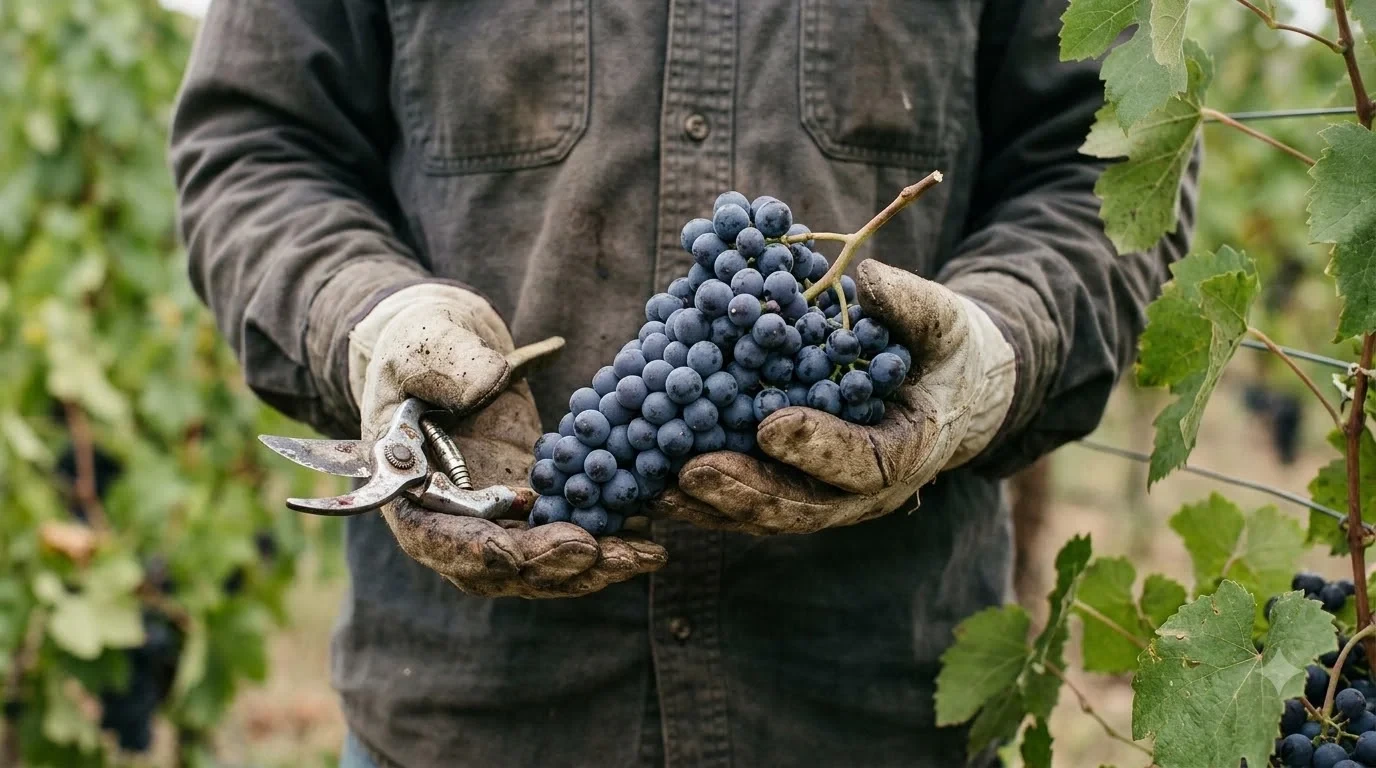
Howell Mountain vineyards are planted on a volcanic ridge in the hills east of Napa Valley, at elevations between 1,400 and 2,200 feet, and they are best known for structured Cabernet Sauvignon and Zinfandel. The American Viticultural Area was recognized in 1983, and its steep, well-drained slopes give the wines a character that differs from the valley floor. This guide covers where the vineyards sit, what grows there, which producers are historically linked to the area, and how to taste and serve the wines.
Howell Mountain is one of the smaller and more distinctive wine districts in California. Because the vineyards climb well above the valley floor, growers work with thin soils, cooler nights and a short list of varieties that ripen reliably at altitude. Readers who already know the Napa Valley will recognize many names here, but the hillside sites produce wines that taste noticeably different from those grown on flatter land.
Where Howell Mountain Vineyards Are Located
The appellation lies on the eastern side of Napa Valley, on a mountain plateau that rises above the towns of St. Helena and Angwin. The official boundary covers 14,080 acres in total, yet only about 600 acres are planted to vines. Most of the rest is forest and open land, which is one reason the district feels quiet compared with the busier roads of the valley floor.
The appellation was made official by the federal government on December 30, 1983, and its boundaries were amended in 1987. That history is recent compared with many European districts, yet the mountain has a long record of grape growing and winemaking.
Growers describe the setting as a series of steep benches and ridges rather than a single flat block. Each vineyard is shaped by its slope, aspect and the small pockets of soil between rock outcrops, so two neighboring sites can produce quite different fruit.
Elevation, Soils and Climate
Vineyards in the appellation sit between 1,400 and 2,200 feet, and the boundary is drawn around sites at or above 1,400 feet. That height matters for two reasons. Daytime sun is strong, which helps grapes build ripeness, while cooler night air slows the loss of acidity. Growers often describe the balance as warm days and cool nights, though the exact temperatures vary from year to year.
The soils are volcanic and drain quickly, which limits vigor and tends to concentrate flavor in smaller berries. Most of the land falls into the Aiken and Forward soil group. Thin, rocky ground means vines work harder for water, a factor that vineyard managers weigh when choosing rootstock and planting density.
Because the vineyards sit higher than most of the valley floor, growers adjust irrigation, canopy management and harvest timing to match these conditions. Many vineyards on the mountain are farmed on steep slopes that require careful hand work.
Main Grape Varieties Grown on Howell Mountain
Howell Mountain grows a wide range of varieties, but two dominate the planted acreage. Cabernet Sauvignon and Zinfandel are the core of the district, and most local bottles are built around them. Other varieties, including Merlot, Petit Verdot, Petite Sirah and Malbec, appear in smaller plantings and often in blends.
| Variety | Typical style from the mountain | Why the site suits it |
|---|---|---|
| Cabernet Sauvignon | Dense, dark fruit with firm tannins and long aging potential | Warm days give ripeness while cool nights hold acidity |
| Zinfandel | Ripe, spicy and full-bodied, often bottled as a single-vineyard wine | Old vines on rocky soils keep yields modest |
| Merlot | Plush and softer, usually in blends with Cabernet | Helps round out the structure of the mountain reds |
| Petit Verdot | Deep color and spice, used in small amounts | Adds backbone and aromatic lift to blends |
| Chardonnay and Sauvignon blanc | Lesser plantings, with white wines of crisp acidity | Cooler slopes preserve freshness |
Cabernet Sauvignon is the variety most often associated with the district. The grape’s general style is firm and full-bodied, with black cherry, black currant and cedar notes, and mountain examples are usually judged by how well that structure is balanced. If you are new to the grape, a general primer on flavor, tannin and serving is a useful first step before you buy a bottle with a mountain label.
Notable Producers Linked to the Area
Several long-established Napa names have ties to the mountain. Charles Krug and Louis M. Martini are among the older houses that sourced fruit from the region. Heitz Wine Cellars also bought grapes from the Angwin area, which sits within the broader hill district.
Smaller producers have built their reputations on single vineyards and low-yield bottlings. Names such as J. Thomas Winery, Lapairita Vineyards and La Jota appear in the history of the appellation and in its petitions and tasting notes. Before you visit or buy, check each winery’s current website, since release lists and tasting availability change from year to year.
How to Serve and Pair Howell Mountain Wines
Mountain reds show their best when they are not served too warm. Wine Folly’s Cabernet Sauvignon guide recommends a serving range of 60 to 68 degrees Fahrenheit, or 15 to 20 degrees Celsius, and suggests decanting for about an hour for young wines. The same guide lists alcohol at 13.5 to 15 percent ABV for the variety, so expect a full-bodied glass.
The firm tannins and dark fruit of these wines suit grilled meats, roasted vegetables with peppery sauces and aged cheeses. Zinfandel from the mountain tends to pair well with barbecue and spiced dishes. Lighter Merlot blends can work with roast poultry, which gives you a more flexible option at the table.
Tip: If you are unsure about a specific bottle, read the label for the vineyard name and appellation. Wines that name Howell Mountain as the appellation on the label are usually made from fruit grown inside the AVA’s boundary.
Visiting Howell Mountain Vineyards
Visitors who want to see the mountain should plan around the winding roads that climb from the valley. Many wineries work by appointment, and tasting rooms may close on certain weekdays. Ask ahead about the number of wines offered, whether food is served and whether you need a designated driver for the drive down.
When buying bottles, look at the vintage, the producer’s notes and the alcohol statement on the label. Mountain wines are often built to age, so a younger bottle may need time in a cellar before it shows its full structure. Ask the staff which vintages are still available and which have been sold out, since small-lot wines from steep vineyards can run short.
The region is quieter than central Napa, and that suits visitors who like smaller tasting rooms and direct conversations with winemakers. Pairing a mountain visit with a trip to the valley floor lets you compare wines grown on different soils and elevations in a single day.
Frequently Asked Questions
How high are Howell Mountain vineyards?
Vineyards in the appellation sit between 1,400 and 2,200 feet above sea level. The boundary is set at vineyards at or above 1,400 feet, so the planted land is on the mountain rather than the valley floor.
What grape is Howell Mountain known for?
Cabernet Sauvignon and Zinfandel are the two varieties most closely tied to the district. Merlot, Petit Verdot and Petite Sirah are also grown, often in blends with the main reds.
Are Howell Mountain wines the same as Napa Valley wines?
The appellation sits within Napa Valley, so the wines share that regional label. The mountain soils and elevation, however, give the fruit a firmer structure and a different balance than many valley-floor wines.
How should I store a bottle from Howell Mountain?
Keep bottles in a cool, dark place away from heat and light, and lay them on their side if they have corks. Many mountain reds age well for years, but check the producer’s notes for the recommended drinking window.
Howell Mountain rewards curiosity. Start with a bottle of Cabernet Sauvignon from the mountain, compare it with a valley-floor version, and see how elevation shows up in the glass. For a wider view of the state’s districts, the wine regions guide is a good next stop, and the Howell Mountain wine page explores the bottles in more detail.
More in Wine Regions
 Willcox Wine Trail: Discover Arizona’s High-Elevation Wine CountryUpdated Nov 20, 2026
 Yakima Valley Wine Region: Find the Best Styles to TryUpdated Nov 20, 2026
 Vosne Romanee Wine Tasting: Identify Aromas and Choose Better PairingsUpdated Nov 20, 2026
 Yakima Valley Wine Festival: Find the Best Seasonal Wine EventsUpdated Nov 20, 2026
 Wales Vineyards: Discover Cool-Climate Wines and Where to VisitUpdated Nov 20, 2026
 Yountville Wine Festival: Discover Napa Wines and Local FoodUpdated Nov 20, 2026