

We may earn a commission when you buy through links on this page, at no extra cost to you. Learn more.
Columbia Gorge vineyards line the Columbia River on the Oregon and Washington border, in an American Viticultural Area established in 2004 that covers about 179,200 acres. Roughly 1,300 acres are planted, and the Columbia Gorge Winegrowers Association counts more than 90 vineyards and 50 wineries. Wind from the river and a sharp rain shadow from the Cascade volcanoes shape almost every decision growers make.
If you are curious about where Columbia Gorge grapes come from and why the region grows such a mix of varieties, this guide explains the setting, the climate, the main grapes, and how the vineyards differ from one end of the gorge to the other. It is written for readers who want a clear picture of the land before they look at specific wines.
Where the Columbia Gorge Vineyards Sit
The AVA follows the Columbia River Gorge along the border between Oregon and Washington, roughly 60 miles east of Portland. Hood River on the Oregon side and White Salmon on the Washington side are two of the towns that anchor the region. The river is the main organizing feature, because the vineyards sit on the slopes above and beside it.
The area is large by the standards of small wine regions. It covers about 280 square miles, but only a fraction of that land is planted, which leaves room for growth and keeps the vineyards spread out. The AVA was established on May 10, 2004, and it has grown steadily since then as growers found sites that suit the gorge’s unusual conditions.
How Wind and Rain Shape the Vines
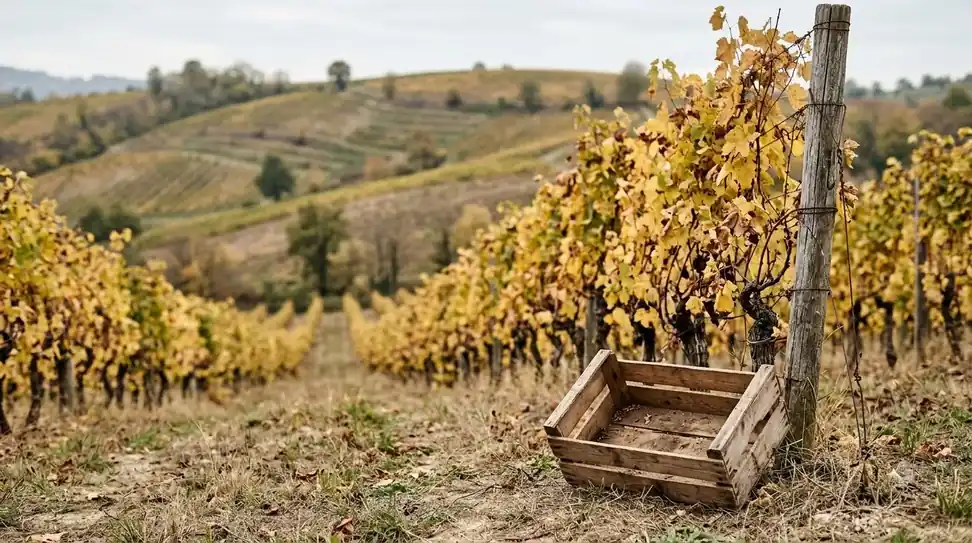
The gorge works like a funnel. Pacific marine air moves in from the west, while drier air from the east blows through from the other side. The result is a steady wind that reduces canopy size and grape density, and it also makes the vines less prone to disease because the foliage dries quickly after rain.
Rainfall changes sharply across the region. Because the AVA sits east of the Mount Hood and Mount Adams summits, it lies in the rain shadow of the Cascade volcanoes. Annual rainfall falls from the wetter western end toward the much drier east, so a vineyard’s exposure and elevation matter a great deal. The wind also changes irrigation needs, since vines in exposed sites can dry out faster than those in sheltered ones.
| Feature | What it means for vineyards |
|---|---|
| Wind from the gorge | Smaller canopies, lower grape density, fewer disease problems |
| Rain shadow | Drier east end, wetter west end, so site choice matters |
| Marine air from the west | Cooler, more marine-influenced western sites |
| Continental high-desert climate in the east | Arid conditions that call for careful irrigation |
The Climate Across the Gorge
The western end of the gorge is cooler and shaped by the marine air coming up the river. The eastern end is a continental, arid high-desert climate. USDA hardiness zones range from 7b to 8b, which tells you how cold winters can get and how mild the coldest nights are across the region.
That split means growers at different points along the gorge can ripen different grapes, and a visitor driving the length of the river will see the landscape change from green and damp to dry and open within a short distance.
That split means growers at different points along the gorge can ripen different grapes. A vineyard in the cooler west may suit a variety that needs a longer season, while a drier eastern site may suit a grape that handles heat and wind. The difference is one reason the region can feel like several wine areas rolled into one.
The Main Grapes in Columbia Gorge Vineyards
Columbia Gorge vineyards grow a wide range of grapes. The main varieties include Syrah, Pinot noir, Chardonnay, Gewürztraminer, Zinfandel, Cabernet Sauvignon, Pinot gris, Riesling, and Sangiovese. Some reference lists also include Merlot and Sauvignon blanc, so the mix is broader than in many single-variety regions.
Red and white varieties both have a place here. Pinot noir and Chardonnay are often cited as the varieties that show the region’s character well. The Celilo vineyard is one site that has been admired for its Chardonnay and Pinot noir, which gives a sense of how quality can come from a single well-placed block of land.
Vineyard Management in a Windy Place
Growing grapes in a windy gorge asks more of the grower. Wind can push vines to grow more slowly and keep berries smaller, which concentrates flavor but can also reduce yield. Growers manage canopies, row layout, and irrigation to balance vine health against fruit output.
Disease pressure is usually lower than in wetter regions because the wind moves air through the canopy and dries leaves quickly. That helps growers use fewer sprays, although each vineyard still has to plan for its own mix of wind, slope, and moisture. Site selection is often the most important decision a grower makes.
Slope and aspect also matter. A vineyard that faces the river may catch more wind and cooler marine air than one tucked behind a rise. Growers who understand those small differences can match each block to the variety that suits it, which is one reason the region produces such a varied range of wines.
Soil is part of the same picture. Vineyards along the gorge sit on varied ground, and growers adjust irrigation and vine spacing to suit each site rather than applying one plan across the whole region.
Who Runs the Vineyards
The region is served by the Columbia Gorge Winegrowers Association, which counts more than 90 vineyards and 50 wineries across the AVA. The association’s promotional material describes the region as a wine area packed into about 40 miles of river, which reflects how many producers operate within a compact stretch of the gorge.
The association’s role is to bring growers together on shared questions such as vineyard practice and visitor information. For a region with many small sites, that kind of shared effort helps each vineyard reach the wider market without losing its own identity.
The mix of vineyard sizes is part of the region’s character. A single AVA can hold both broad plantings and small, carefully tended blocks, so a visitor can see the big picture and the close-up work of a single site in the same trip.
Frequently Asked Questions
Where are the Columbia Gorge vineyards located?
The vineyards sit in the Columbia River Gorge along the Oregon and Washington border, about 60 miles east of Portland. Hood River and White Salmon are two towns in the area.
What grapes grow in the Columbia Gorge?
The main varieties include Syrah, Pinot noir, Chardonnay, Gewürztraminer, Zinfandel, Cabernet Sauvignon, Pinot gris, Riesling, and Sangiovese. The region grows both red and white grapes.
Why is the wind important for the vines?
Wind from the gorge reduces canopy size and grape density, and it helps keep the vines dry, which lowers disease pressure. It also affects how much irrigation a vineyard needs.
How big is the Columbia Gorge AVA?
The AVA covers about 179,200 acres, roughly 280 square miles, and about 1,300 acres of that land are planted. The region was established as an AVA in 2004.
For a related look at how another region is set up for visitors, read our columbia gorge wine tasting guide, or start with our wine regions guide to compare the way different land shapes a vineyard. For background on the AVA’s boundaries and history, the Columbia Gorge AVA entry is a useful starting point.
More in Wine Regions
 Willcox Wine Trail: Discover Arizona’s High-Elevation Wine CountryUpdated Nov 20, 2026
 Yakima Valley Wine Region: Find the Best Styles to TryUpdated Nov 20, 2026
 Vosne Romanee Wine Tasting: Identify Aromas and Choose Better PairingsUpdated Nov 20, 2026
 Yakima Valley Wine Festival: Find the Best Seasonal Wine EventsUpdated Nov 20, 2026
 Wales Vineyards: Discover Cool-Climate Wines and Where to VisitUpdated Nov 20, 2026
 Yountville Wine Festival: Discover Napa Wines and Local FoodUpdated Nov 20, 2026