

We may earn a commission when you buy through links on this page, at no extra cost to you. Learn more.
Rkatsiteli wine is an ancient Georgian white grape that makes dry, fresh whites as well as amber, skin-contact wines with honey and apricot notes. The grape has been grown for thousands of years, and it is still one of Georgia’s signature varieties. Most bottles sit between 11.5% and 13.5% alcohol, and they pair well with spiced meats, herbs and rice dishes.
Rkatsiteli is one of the most widely planted white grapes in the world, yet many American drinkers have never tasted it on its own. Its wines range from crisp and citrusy to deep amber and textured, depending on how the winemaker handles the skins. This guide explains where the grape comes from, what the different styles taste like, how to serve them and which foods bring out their best.
Where Rkatsiteli Comes From
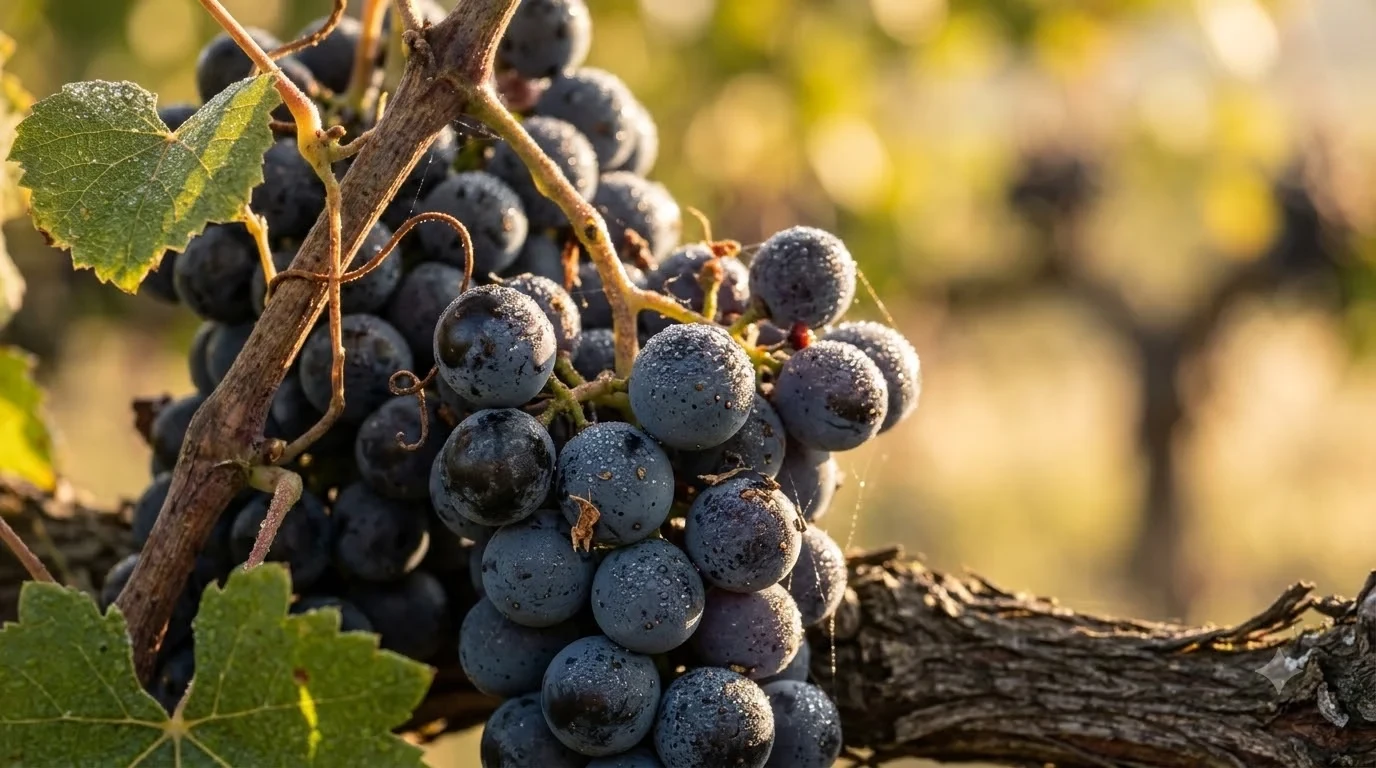
According to Wine Folly’s grape guide to Rkatsiteli, the variety is an ancient Georgian grape with roots that stretch back more than 3,000 years. It has long been central to Georgia’s cultural identity, and the country is still its heartland. The most renowned Georgian wines come from Kakheti, in the east of the country.
The grape was also widely planted across the Soviet Union, which is why it is found today in former Soviet countries including Russia and Ukraine. Georgia has the largest area planted to it, at about 62,575 acres, within a total of roughly 126,950 acres of vineyard that Wine Folly cites for the variety. That history explains why you may see Rkatsiteli on wine lists from producers far from Georgia.
What Rkatsiteli Tastes Like
The flavor of Rkatsiteli depends heavily on style. In a fresh, modern white, the grape shows green apple, citrus and herbal notes, with a clean finish. In the more traditional amber styles, the wine picks up honey, dried apricot and earthy character from skin contact and clay vessel fermentation.
Wine Folly lists primary flavors of pineapple, lime, resin, tarragon and fennel. These notes give the grape its distinctive aromatic edge. Acidity is moderate to low in many examples, so producers often blend Rkatsiteli with higher-acid grapes to keep the wine lively. The result is a white that can feel soft and rounded without losing its freshness.
Styles: Fresh, Amber and Semi-Sweet
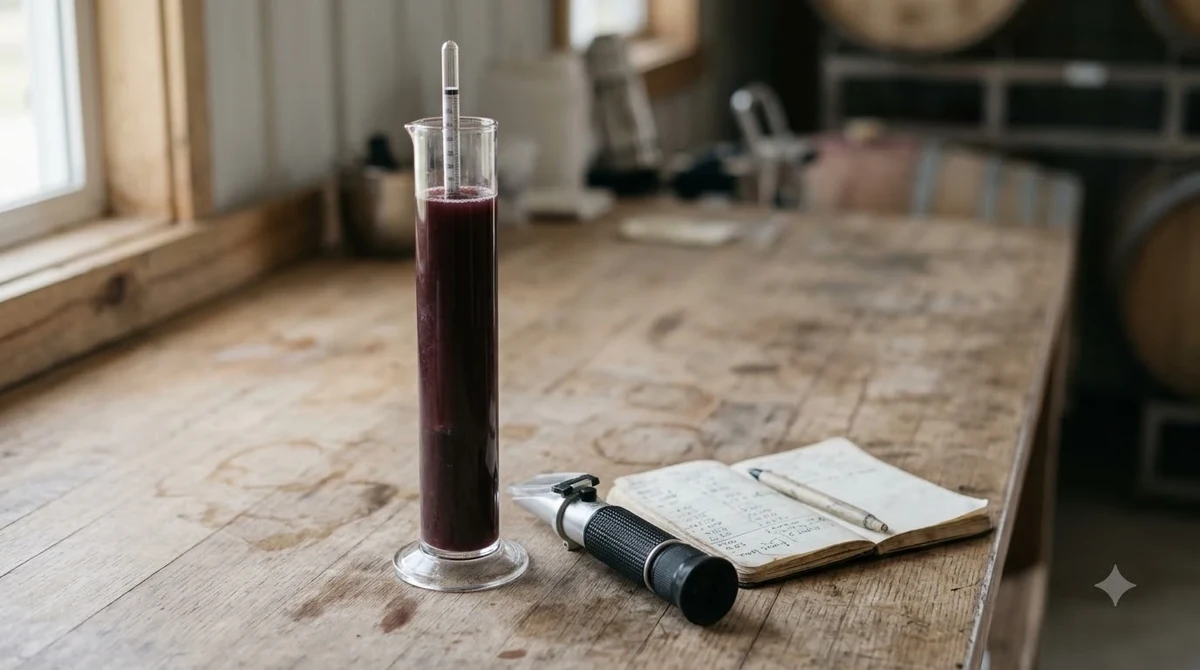
Rkatsiteli is made in several styles. Dry whites are the most common, and they show bright fruit and a crisp finish. Semi-sweet versions also exist, offering a softer, more rounded character that suits guests who prefer a slightly sweeter white.
Amber wines are the most distinctive style. Skin contact before pressing gives the wine a rich amber color and extra texture, and the traditional qvevri method adds depth and complexity. These bottles can feel full and savory, and they reward a slower, more attentive tasting.
Between these two poles, many producers make a middle style that keeps the fresh fruit of a white while adding a little texture from time on the lees. Those wines often appeal to drinkers who like white wine but want more depth than a basic crisp bottle provides. They are a good way to explore the grape without committing to the full amber style.
| Style | Typical character | Best use |
|---|---|---|
| Fresh dry white | Green apple, citrus, herbs | Light lunches, salads, seafood |
| Semi-sweet white | Soft, rounded, fruity | Spicy starters, casual drinking |
| Amber, skin-contact | Honey, dried apricot, earthy | Spiced meats, rice dishes, cheese |
How to Serve Rkatsiteli
Wine Folly recommends serving Rkatsiteli at 45 to 55 degrees Fahrenheit, which is about 7 to 12 degrees Celsius. At that temperature the fresh styles stay crisp, and the fruit keeps its shape. A standard white wine glass suits most bottles, although traditional amber wines may be served slightly warmer to bring out their aromas.
Amber wines benefit from a little time in the glass. As the wine warms in the hand, its honey and dried-fruit notes become more obvious. Fresh styles should stay cool, so pour them straight from the refrigerator and let them rest only briefly before drinking.
Tip: Open an amber bottle a little ahead of dinner so the aromas have a chance to develop, and keep a fresh dry white chilled alongside for guests who prefer lighter styles.
Food Pairings for Rkatsiteli
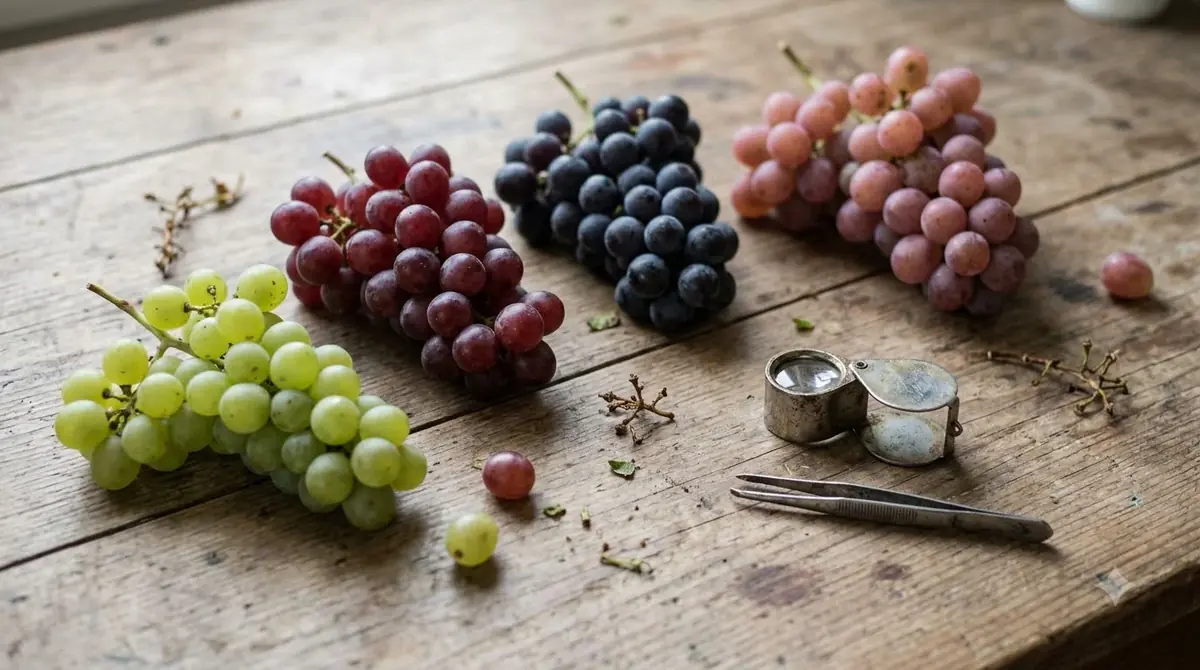
The grape’s acidity and aromatic character make it a versatile partner at the table. Fresh, crisp styles go well with light dishes such as salads, grilled fish, soft cheeses and vegetable starters. Their citrus and herbal notes lift simple food without covering it.
Amber wines have a more savory profile, which makes them a natural match for spiced meats and aromatic rice. Wine Folly notes that they suit dishes from Lebanese, Turkish and Iranian cooking. Their acidity also cuts through rich food, which is why many Persian dishes pair well with them. Try a glass with a spiced lamb skewer, a rice pilaf with herbs, or a plate of roasted vegetables with tahini.
For a broader look at other white and sweeter styles, see our guide to auslese wine, and compare a fruit-forward style like black muscat wine to see how aromatic whites differ. You can also browse the Wine by Type section for more grape families.
How to Choose a Rkatsiteli
Start by deciding which style you want. If you prefer a crisp white for a warm afternoon, look for a fresh dry bottle with clear citrus and apple notes. If you want something more adventurous, try an amber wine from a producer who describes the skin contact and the vessel used in the winemaking.
Check the label for the producer and the region. Kakheti is the best-known Georgian region, and a bottle from there often gives a clear sense of the style. Read the back label for details on skin contact, residual sugar and alcohol, which can help you predict how the wine will taste before you open it. Producer websites and importer notes can also describe the winemaking in more detail, which is helpful when a bottle is unfamiliar.
Rkatsiteli is also a good choice when you want something unusual for a dinner party. Serve a fresh bottle first, then a richer amber one with the main course, so guests can taste the difference side by side and compare the two styles at the same table. Its range of styles means one bottle can surprise guests who think they know white wine, and a small tasting of two styles often starts a useful conversation about how winemaking shapes flavor, and it gives the table something to talk about beyond the usual choices.
Frequently Asked Questions
What does Rkatsiteli wine taste like?
It depends on the style. Fresh versions taste of green apple, citrus and herbs, while amber wines show honey, dried apricot and earthy notes from skin contact.
Where is Rkatsiteli grown?
The grape comes from Georgia, where it has been grown for thousands of years, and it is also planted in other former Soviet countries including Russia and Ukraine. Kakheti is the best-known Georgian region for the wine.
Is Rkatsiteli sweet or dry?
Many Rkatsiteli wines are dry, but some producers make semi-sweet versions. Check the producer’s notes if you want a clear answer for a specific bottle.
How should I serve Rkatsiteli?
Serve fresh styles cool, around 45 to 55 degrees Fahrenheit. Amber wines can be served slightly warmer, and both benefit from a standard white wine glass.
Rkatsiteli rewards curiosity. Start with a fresh dry bottle to see the grape’s citrus and herbal side, then try an amber wine with a spiced meal to discover its richer character.
More in Wine Types & Grapes
 Zinfandel Sugar Content: Dry Red vs. White Zinfandel GramsUpdated Nov 21, 2026
 Best Zinfandel Substitute Options for Sipping and CookingUpdated Nov 21, 2026
 Zweigelt Food Pairing: Best Dishes, Cheeses, and Serving TipsUpdated Nov 21, 2026
 Zinfandel Tannins Explained: How Structure Shapes Every BottleUpdated Nov 21, 2026
 Zinfandel Sweetness Level: Dry Red vs. Sweet White Zin ExplainedUpdated Nov 21, 2026
 Xinomavro Food Pairing: Best Dishes, Styles, and Serving TipsUpdated Nov 21, 2026